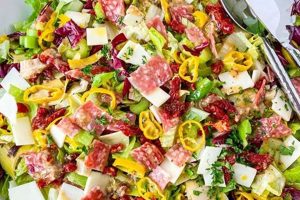
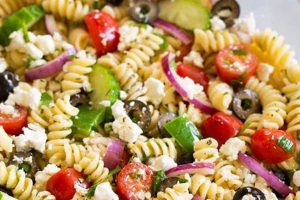
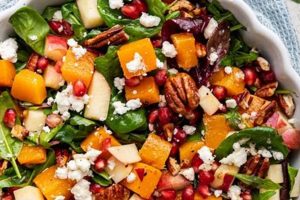
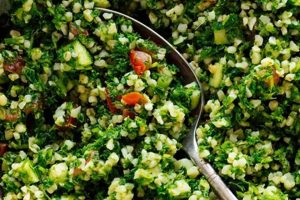
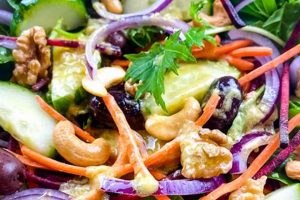
Nutritious and satisfying evening meals centered around composed salads offer a versatile and customizable approach to healthy eating. These meals typically incorporate a base of fresh greens, a variety of colorful vegetables, lean protein sources such as grilled chicken or fish, beans, lentils, or tofu, and healthy fats from nuts, seeds, or avocado. For example, a spinach salad with grilled salmon, roasted sweet potatoes, chickpeas, and a lemon-tahini dressing provides a balanced combination of essential nutrients.
Such meals offer numerous advantages. They are generally lower in calories and saturated fat compared to many other dinner options, contributing to weight management and cardiovascular health. The abundance of vitamins, minerals, and antioxidants from the diverse array of ingredients supports overall well-being and may reduce the risk of chronic diseases. Furthermore, the adaptability of salads allows for endless variations to suit individual preferences and dietary needs, making them a sustainable choice for long-term healthy eating. Historically, salads have evolved from simple preparations of raw greens to elaborate compositions incorporating a wide range of ingredients, reflecting culinary innovation and an increasing awareness of the importance of a balanced diet.
The following sections will delve into specific recipes, explore ingredient combinations, and provide practical tips for creating delicious and nutritious salads as the centerpiece of a healthy dinner.
Tips for Creating Healthy Dinner Salads
Constructing a fulfilling and nutritious salad requires consideration of various factors, from ingredient selection to preparation methods. The following tips offer guidance for maximizing both flavor and health benefits.
Tip 1: Prioritize Dark Leafy Greens: Opt for nutrient-dense greens like spinach, kale, or romaine lettuce as the foundation. These provide vitamins A, C, and K, along with fiber and other essential minerals.
Tip 2: Diversify Vegetable Choices: Incorporate a rainbow of vegetables to maximize nutrient intake. Consider bell peppers, cucumbers, carrots, tomatoes, and red onion for added flavor, texture, and vitamins.
Tip 3: Include Lean Protein: Grilled chicken or fish, beans, lentils, or tofu contribute to satiety and provide essential amino acids for muscle building and repair.
Tip 4: Incorporate Healthy Fats: Add sources of healthy fats like avocado, nuts, or seeds to enhance flavor and provide essential fatty acids. These also contribute to a feeling of fullness.
Tip 5: Choose Whole Grains: Incorporate whole grains like quinoa or farro for added fiber and complex carbohydrates, which provide sustained energy.
Tip 6: Be Mindful of Dressings: Opt for light vinaigrettes or dressings made with healthy oils like olive oil. Avoid creamy dressings, which can be high in saturated fat and calories. Lemon juice or vinegar can also add a flavorful, low-calorie dimension.
Tip 7: Prepare Ingredients Properly: Wash all produce thoroughly. Properly cooked proteins ensure food safety. Consider roasting or grilling vegetables to enhance their flavor.
By following these guidelines, individuals can create balanced and flavorful salads that contribute to a healthy and enjoyable dining experience.
These practical strategies empower individuals to create delicious and nutritious meals, contributing to long-term well-being. The concluding section will offer further resources and inspiration for incorporating salads into a balanced dietary plan.
1. Nutrient-Rich Greens

Nutrient-rich greens form the foundation of healthy dinner salads, providing essential vitamins, minerals, and fiber. Their inclusion contributes significantly to the overall nutritional value and health benefits of these meals. Understanding the various types of greens and their respective contributions is crucial for maximizing the health potential of salads.
- Vitamin and Mineral Content
Leafy greens offer a rich source of vitamins A, C, and K, as well as minerals like folate, iron, and calcium. These nutrients play crucial roles in maintaining various bodily functions, from immune system support to bone health. For instance, spinach is renowned for its high iron content, while kale provides a significant amount of vitamin K, essential for blood clotting. In the context of healthy dinner salads, these nutrients contribute to a more complete and balanced meal.
- Fiber Content and Digestive Health
The high fiber content in leafy greens promotes healthy digestion and regularity. Fiber adds bulk to the stool, aiding in its passage through the digestive tract. This can help prevent constipation and contribute to overall gut health. Adding greens like romaine lettuce or arugula to a dinner salad increases fiber intake, supporting digestive well-being.
- Antioxidant Properties and Disease Prevention
Many leafy greens contain antioxidants, which protect cells from damage caused by free radicals. These antioxidants may play a role in reducing the risk of chronic diseases like heart disease and certain types of cancer. Darker greens, such as kale and spinach, tend to be higher in antioxidants. Including these greens in dinner salads can contribute to long-term health benefits.
- Variety and Flavor Profiles
The wide variety of nutrient-rich greens offers diverse flavor profiles and textures, enhancing the sensory experience of a salad. From the peppery bite of arugula to the mild sweetness of butter lettuce, each green adds a unique dimension to a salad. This variety allows for customization and prevents meal monotony, encouraging consistent consumption of healthy salads.
The strategic selection of nutrient-rich greens significantly elevates the nutritional value and overall health benefits of dinner salads. By incorporating a variety of greens, individuals can create well-rounded meals that contribute to both immediate and long-term well-being. This emphasizes the crucial role of nutrient-rich greens in establishing a truly healthy dinner salad.
2. Diverse Vegetables

The incorporation of diverse vegetables is paramount in maximizing the nutritional value and overall health benefits of dinner salads. A wide array of vegetables contributes a spectrum of vitamins, minerals, antioxidants, and fiber, creating a synergistic effect that supports various bodily functions and potentially reduces the risk of chronic diseases. This variety also enhances the sensory appeal of the salad, contributing to greater enjoyment and promoting consistent consumption of healthy meals.
The inclusion of cruciferous vegetables, such as broccoli, cauliflower, and Brussels sprouts, provides glucosinolates, compounds associated with potential cancer-protective properties. Red and orange vegetables like carrots, bell peppers, and sweet potatoes are rich in beta-carotene, a precursor to vitamin A, essential for vision and immune function. Adding tomatoes provides lycopene, an antioxidant linked to heart health. Furthermore, incorporating vegetables with varying textures, such as crunchy cucumbers and bell peppers alongside softer roasted sweet potatoes, creates a more satisfying and enjoyable culinary experience. For example, a salad combining spinach, roasted beets, bell peppers, cucumber, and shredded carrots offers a diverse nutrient profile and a range of flavors and textures.
Understanding the nutritional contributions of diverse vegetables allows for strategic selection and combination, maximizing the health potential of dinner salads. This approach not only ensures a balanced nutrient intake but also contributes to a more palatable and sustainable dietary pattern. The consistent inclusion of a variety of vegetables in dinner salads represents a practical and effective strategy for enhancing overall health and well-being.
3. Lean Protein Sources

The incorporation of lean protein sources is essential for transforming a simple salad into a complete and satisfying healthy dinner. Protein plays a crucial role in satiety, promoting a feeling of fullness and reducing the likelihood of overeating. Furthermore, protein provides the necessary amino acids for building and repairing tissues, supporting muscle growth and overall bodily functions. In the context of healthy dinner recipes centered around salads, lean protein elevates the nutritional profile and contributes to a more balanced and sustainable dietary approach.
- Poultry and Fish
Grilled or baked chicken breast, turkey breast, and fish like salmon or tuna offer excellent sources of lean protein. These options are relatively low in calories and saturated fat while providing essential nutrients. For example, grilled chicken breast atop a bed of mixed greens with assorted vegetables creates a nutritious and flavorful meal. The inclusion of poultry or fish enhances the protein content of the salad, contributing to satiety and supporting muscle maintenance.
- Legumes
Beans, lentils, and chickpeas are plant-based sources of lean protein, rich in fiber and various micronutrients. These versatile ingredients can be added to salads in various forms, whether whole, as a component of a salad topping, or pureed into a dressing. For instance, a salad featuring black beans, corn, bell peppers, and a light vinaigrette provides a substantial source of plant-based protein and fiber. Legumes contribute to both the nutritional value and textural complexity of the salad.
- Tofu and Tempeh
Tofu and tempeh, derived from soybeans, offer complete protein sources suitable for vegetarian and vegan diets. These versatile ingredients can be marinated, grilled, or crumbled to add substance and protein to salads. A salad incorporating grilled tempeh, mixed greens, and a variety of vegetables provides a plant-based protein option with a satisfying texture. The inclusion of tofu or tempeh enhances the protein content and adds a unique flavor profile to the salad.
- Eggs
Hard-boiled or poached eggs provide a readily available and affordable source of lean protein. Adding sliced eggs to a salad contributes essential nutrients and increases satiety. For example, a Cobb salad traditionally incorporates hard-boiled eggs alongside other protein sources. The inclusion of eggs in a salad increases the protein content and provides a source of healthy fats and choline, an essential nutrient for brain health.
The strategic inclusion of these lean protein sources elevates the nutritional value and satiating power of healthy dinner salads. By diversifying protein choices, individuals can create balanced and flavorful meals that support both immediate and long-term well-being. This emphasizes the essential role of lean protein in establishing a truly satisfying and nutritious salad as a centerpiece of a healthy dinner.
4. Healthy Fats
The inclusion of healthy fats is integral to the creation of truly nutritious and satisfying healthy dinner recipes centered around salads. These fats play a crucial role not only in enhancing flavor and texture but also in facilitating the absorption of fat-soluble vitamins (A, D, E, and K) present in the salad’s other components. Furthermore, they contribute to satiety, promoting a feeling of fullness and supporting balanced blood sugar levels, which can be particularly beneficial for weight management and overall metabolic health. Ignoring this element can compromise both the nutritional value and the sensory appeal of the salad.
Avocados, nuts (such as almonds, walnuts, and pecans), and seeds (like chia, flax, and pumpkin) represent excellent sources of healthy fats suitable for incorporation into salads. Avocado, for example, provides monounsaturated fats, which are associated with cardiovascular health benefits. Nuts and seeds offer a combination of monounsaturated and polyunsaturated fats, including omega-3 fatty acids, known for their anti-inflammatory properties and potential cognitive benefits. A salad featuring mixed greens, grilled chicken, chopped walnuts, sliced avocado, and a lemon vinaigrette exemplifies the effective integration of healthy fats. The fats not only enhance the salad’s flavor and texture but also contribute to the absorption of nutrients from the greens and vegetables. Overreliance on saturated and trans fats, commonly found in processed dressings and fried toppings, can negate the health benefits of the salad and contribute to adverse health outcomes.
Prioritizing healthy fats within the context of dinner salads is essential for maximizing nutritional value and promoting overall well-being. These fats are not merely a flavor enhancer but a crucial component that contributes to nutrient absorption, satiety, and long-term health benefits. Understanding their role and incorporating appropriate sources is a key element in creating truly healthy and satisfying salads.
5. Whole Grains

Whole grains represent a valuable addition to healthy dinner recipes centered around salads, contributing complex carbohydrates, fiber, and a range of essential nutrients. Their inclusion not only enhances the nutritional profile of the salad but also provides sustained energy, promotes digestive health, and contributes to satiety, reducing the likelihood of overeating. Integrating whole grains transforms a simple salad into a more complete and satisfying meal.
- Nutritional Value
Whole grains offer a rich source of B vitamins, iron, magnesium, and selenium. These nutrients play crucial roles in various bodily functions, from energy production to maintaining healthy bones. Quinoa, for instance, is a complete protein source, containing all nine essential amino acids. The presence of these nutrients elevates the overall nutritional value of the salad, contributing to a more balanced and healthful meal.
- Fiber Content and Digestive Health
The high fiber content of whole grains promotes digestive regularity and contributes to gut health. Fiber adds bulk to the stool, facilitating its passage through the digestive tract and preventing constipation. Incorporating whole grains like farro or brown rice into a salad increases fiber intake, supporting a healthy digestive system.
- Sustained Energy and Blood Sugar Control
Unlike refined grains, which are quickly digested and can lead to blood sugar spikes, whole grains are digested more slowly, providing a sustained release of energy and promoting stable blood sugar levels. This can be particularly beneficial for managing weight and reducing the risk of type 2 diabetes. Adding whole grains to a dinner salad contributes to steady energy levels throughout the evening.
- Versatility and Culinary Applications
Whole grains offer versatile culinary applications within the context of salads. They can be incorporated cooked or raw, as a base for the salad, or as a component within the salad itself. For instance, cooked quinoa or barley can be added to a salad along with roasted vegetables and grilled chicken, while puffed grains like amaranth or wild rice can provide a crunchy topping. This versatility allows for creative and flavorful combinations, enhancing both the nutritional and sensory appeal of the salad.
The incorporation of whole grains into healthy dinner salads represents a simple yet effective strategy for enhancing nutritional value, promoting satiety, and supporting overall well-being. Their presence elevates the salad from a side dish to a complete and satisfying meal, contributing to a more balanced and sustainable dietary pattern. This underscores the significance of whole grains as a key component in creating truly healthy and enjoyable dinner salads.
6. Light Dressings

The choice of dressing significantly impacts the overall healthfulness and flavor profile of a healthy dinner recipe salad. Light dressings, characterized by lower calorie density and reduced saturated fat content compared to creamy counterparts, play a crucial role in maintaining the nutritional integrity of the salad. Understanding the components and benefits of light dressings is essential for creating truly healthy and satisfying meals.
- Vinaigrettes
Vinaigrettes, typically composed of oil and vinegar, represent a classic and versatile light dressing option. The ratio of oil to vinegar can be adjusted to suit individual preferences, and the addition of herbs, spices, or a touch of sweetness further enhances the flavor profile. A simple lemon vinaigrette, for example, complements a wide range of salad ingredients while adding minimal calories and fat. The acidity of the vinegar also complements the flavors of the vegetables and other salad components.
- Yogurt-Based Dressings
Plain, nonfat or low-fat yogurt can serve as a base for light and creamy dressings, offering a healthier alternative to those made with mayonnaise or sour cream. The addition of herbs, spices, or a squeeze of lemon or lime juice creates flavorful and nutritious dressings. A dill-yogurt dressing, for example, pairs well with salads featuring cucumbers and tomatoes. The use of yogurt contributes a creamy texture while maintaining a lower fat content compared to traditional creamy dressings.
- Citrus-Based Dressings
Freshly squeezed citrus juices, such as lemon, lime, or orange, can be combined with a small amount of olive oil and herbs to create light and refreshing dressings. These dressings offer a vibrant flavor profile and contribute minimal calories and fat. A lime-cilantro dressing, for instance, complements salads with Southwestern or Mexican-inspired ingredients. The citrus component adds a bright, zesty flavor that enhances the overall sensory experience.
- Herb and Spice Infusions
Infusing olive oil with fresh herbs or spices creates a flavorful and aromatic base for light dressings. Simply combine olive oil with herbs like rosemary or thyme, or spices like garlic or chili flakes, and allow the flavors to meld. This infused oil can then be combined with vinegar or citrus juice to create a customized dressing. A rosemary-infused olive oil vinaigrette, for example, complements salads featuring roasted vegetables. The infusion process adds depth and complexity to the dressing without increasing the calorie or fat content significantly.
The strategic selection of light dressings is essential for preserving the nutritional integrity and enhancing the flavor profile of healthy dinner recipe salads. By opting for light dressings over high-calorie, high-fat alternatives, individuals can enjoy flavorful and satisfying meals without compromising their health goals. This careful consideration of dressings contributes to a holistic approach to healthy eating, ensuring that the salad remains a truly nutritious and balanced meal option.
Frequently Asked Questions
This section addresses common inquiries regarding the creation and consumption of healthy dinner salads, providing practical and evidence-based information to facilitate informed dietary choices.
Question 1: How can substantial salads be created to ensure they are satisfying enough for a full dinner?
Adequate protein and healthy fats are key. Incorporating lean protein sources like grilled chicken, fish, beans, lentils, or tofu ensures satiety and provides essential amino acids. Healthy fats from avocados, nuts, and seeds contribute to fullness and enhance flavor.
Question 2: What strategies can be employed to prevent dinner salads from becoming monotonous?
Variety is essential. Explore diverse greens, vegetables, protein sources, and dressings. Roasting or grilling vegetables adds depth of flavor. Experimenting with different herbs, spices, and textures keeps salads interesting and appealing.
Question 3: Are there specific vegetable combinations that offer optimal nutritional benefits in salads?
Combining different colors ensures a wide range of vitamins and minerals. Pairing dark leafy greens with red and orange vegetables provides an array of antioxidants and phytonutrients. Cruciferous vegetables add unique health benefits.
Question 4: What are the healthiest dressing options for dinner salads?
Light vinaigrettes made with olive oil and vinegar or lemon juice offer a healthy and flavorful option. Plain yogurt or avocado can also be used to create creamy dressings with lower saturated fat content than traditional mayonnaise-based dressings.
Question 5: Can salads be prepared in advance for convenient weeknight dinners?
Yes, with careful planning. Store components separately to maintain freshness. Keep dressings separate and add them just before serving. Heartier greens like kale hold up well for meal prepping. Avoid adding ingredients prone to wilting or becoming soggy.
Question 6: How can individuals on a budget incorporate healthy dinner salads into their meal plans?
Prioritize affordable and versatile ingredients like beans, lentils, and seasonal vegetables. Buying greens in bulk and storing them properly reduces waste. Preparing dressings at home is more cost-effective than purchasing pre-made options.
Prioritizing fresh, whole ingredients, incorporating a balance of nutrients, and employing mindful preparation techniques are key to creating healthy and satisfying dinner salads. These strategies contribute not only to immediate enjoyment but also to long-term well-being.
This concludes the FAQ section. The following section will offer a collection of sample recipes to inspire your culinary endeavors.
Healthy Dinner Recipes
Nutrient-dense meals featuring composed salads offer a versatile approach to healthy eating. Prioritizing a foundation of leafy greens, incorporating diverse vegetables, including lean protein and healthy fats, and selecting light dressings are crucial for maximizing nutritional value and promoting satiety. Understanding the role of each componentfrom the fiber content of whole grains to the antioxidant properties of colorful vegetablesempowers informed choices that contribute to both immediate and long-term well-being. Strategic meal planning and preparation techniques, including proper storage and the combination of ingredients, ensure optimal freshness and flavor, maximizing the enjoyment and sustainability of this dietary approach.
Cultivating an appreciation for the versatility and nutritional power of salads as a centerpiece of dinner fosters a sustainable and health-conscious dietary pattern. Embracing this approach contributes not only to individual well-being but also to a broader understanding of the profound impact of food choices on overall quality of life.