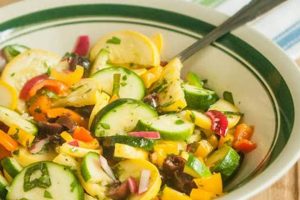
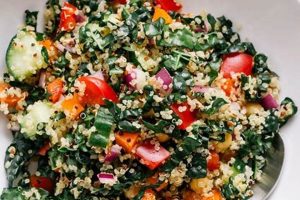
This vibrant and refreshing salad, a staple of Turkish cuisine, typically combines finely diced tomatoes, cucumbers, onions, parsley, and green peppers. Often, other ingredients like mint, purslane, or crumbled feta cheese are added for enhanced flavor and texture. A simple dressing of olive oil, lemon juice, and salt highlights the fresh produce. Variations may include pomegranate molasses or sumac for a tangy twist.
As a light and flavorful dish, it serves as an excellent accompaniment to grilled meats, kebabs, or fish. The emphasis on fresh, seasonal vegetables provides valuable vitamins and antioxidants, contributing to a healthy diet. Its simple preparation and adaptable nature make it a popular choice for everyday meals, picnics, and special occasions. Historically, it reflects the resourcefulness of shepherds using readily available ingredients, demonstrating a culinary tradition that values simplicity and fresh flavors.
Further exploration will delve into specific ingredient selections, regional variations, preparation techniques, and serving suggestions to offer a comprehensive understanding of this culinary delight.
Tips for a Perfect Shepherd Salad
Achieving optimal flavor and texture requires attention to detail. The following tips ensure a delightful culinary experience.
Tip 1: Ingredient Selection: Opt for ripe, flavorful tomatoes, crisp cucumbers, and fresh herbs. Locally sourced, seasonal produce yields the best results.
Tip 2: Dice Size: Uniformly small dice ensures a pleasant texture and even distribution of flavors. Aim for pieces no larger than half a centimeter.
Tip 3: Herb Selection: Flat-leaf parsley is traditional, but mint or a combination can add complexity. Fresh herbs are essential.
Tip 4: Dressing Simplicity: High-quality extra virgin olive oil, fresh lemon juice, and salt are key. Avoid overpowering the fresh vegetable flavors.
Tip 5: Resting Time: Allowing the salad to rest for a short period after dressing allows the flavors to meld, although immediate serving also offers a vibrant, crisp experience.
Tip 6: Customization: While traditional recipes offer a baseline, variations with ingredients like crumbled feta, sumac, or pomegranate molasses add distinct character.
Tip 7: Serving Suggestions: Serve as a side dish with grilled meats, kebabs, or fish. It can also stand alone as a light and refreshing meal.
Adherence to these guidelines ensures a delicious and authentic representation of this classic dish, highlighting the vibrant flavors of fresh, seasonal ingredients.
By understanding the nuances of preparation and ingredient selection, one can fully appreciate the simplicity and elegance of this culinary tradition.
1. Fresh Ingredients

The emphasis on fresh ingredients defines the essence of a Turkish Shepherd Salad. Its character derives directly from the quality and ripeness of the produce. Utilizing peak-season tomatoes, cucumbers, and herbs elevates the salad from simple to exceptional. The inherent flavors of these core components, unmasked by heavy dressings or complex preparations, shine through. Consider the difference between a winter tomato, often lacking sweetness and vibrancy, and a sun-ripened summer tomato bursting with flavor. This contrast underscores the significant impact ingredient quality has on the final dish. Selecting produce at its peak ensures optimal taste and nutritional value.
This reliance on fresh ingredients also reflects a broader culinary philosophya celebration of seasonal bounty and an appreciation for simplicity. The salads reliance on readily available, fresh produce speaks to a tradition of resourcefulness and a deep understanding of flavor pairings. For example, the slight bitterness of parsley complements the sweetness of ripe tomatoes, creating a balanced flavor profile without the need for complex seasonings. Furthermore, the refreshing qualities of cucumbers and green peppers enhance the salads appeal, particularly in warmer climates. The absence of cooked elements preserves the integrity of each ingredient’s nutrients, resulting in a dish rich in vitamins and antioxidants.
Prioritizing fresh, high-quality produce is paramount to achieving an authentic and flavorful Turkish Shepherd Salad. This emphasis on freshness not only delivers a superior culinary experience but also aligns with healthful eating principles. Understanding the impact of ingredient seasonality allows for informed choices, enhancing both flavor and nutritional benefits. This approach underscores the salad’s position as a simple yet sophisticated expression of culinary tradition and nutritional awareness.
2. Fine Dicing
Fine dicing plays a crucial role in the Turkish Shepherd Salad, impacting both texture and flavor. The technique goes beyond mere aesthetics, contributing significantly to the overall culinary experience. This exploration delves into the multiple facets of fine dicing within this specific culinary context.
- Uniformity and Texture
Uniformly small pieces create a harmonious texture, ensuring each bite offers a consistent blend of ingredients. This consistency enhances the eating experience, avoiding the awkwardness of large, uneven chunks. Imagine encountering a large piece of onion in a predominantly finely diced salad; the disruption in texture can detract from enjoyment. Fine dicing eliminates this issue, allowing for a smooth, pleasant mouthfeel.
- Flavor Release and Distribution
Fine dicing increases the surface area of each ingredient, maximizing flavor release and ensuring even distribution throughout the salad. This amplified flavor release contributes to a more vibrant and intense taste experience. Consider the difference between biting into a large chunk of cucumber versus a finely diced piece. The smaller piece offers a more immediate and pronounced cucumber flavor, contributing to the overall medley of tastes within the salad.
- Visual Appeal and Presentation
The precise nature of fine dicing contributes to the salad’s visual appeal, reflecting care and attention to detail. This visual appeal enhances the dining experience, transforming a simple salad into a visually engaging dish. A finely diced salad presents a vibrant tapestry of colors and textures, elevating its aesthetic appeal beyond a haphazard mix of chopped ingredients.
- Dressing Emulsion and Flavor Infusion
Smaller pieces absorb the dressing more readily, ensuring even flavor infusion. This efficient absorption prevents pockets of undressed ingredients and contributes to a balanced, harmonious taste. The fine dice creates more surface area for the dressing to cling to, enhancing the distribution of the vinaigrette’s tangy notes throughout the salad.
In conclusion, fine dicing in a Turkish Shepherd Salad is more than a simple culinary technique; it is integral to the dish’s success. It elevates the salad from a basic mix of ingredients to a cohesive, flavorful, and visually appealing culinary creation. This precision contributes significantly to the overall sensory experience, demonstrating the importance of seemingly small details in achieving culinary excellence.
3. Simple Vinaigrette

The simple vinaigrette constitutes a critical component of a Turkish Shepherd Salad, directly influencing the final flavor profile. Its simplicity, rather than a culinary shortcut, represents a deliberate choice designed to complement the fresh ingredients. A complex, heavily flavored dressing would mask the delicate flavors of the tomatoes, cucumbers, herbs, and onions, thus defeating the salads purpose of showcasing fresh, seasonal produce. The typical vinaigrette, comprising extra virgin olive oil, lemon juice, and salt, provides a bright, acidic counterpoint to the vegetables’ inherent sweetness, enhancing rather than overwhelming their flavors. This approach highlights the culinary philosophy of allowing high-quality ingredients to speak for themselves. Consider, for instance, the use of a balsamic vinaigrette, with its robust sweetness and acidity; while delicious in other contexts, such a dressing would compete with, rather than complement, the delicate flavors of the Turkish Shepherd Salad. The simple vinaigrette allows the inherent flavors of the fresh produce to shine.
Furthermore, the vinaigrettes simplicity contributes to the salads refreshing character. The light, clean flavors of olive oil and lemon juice enhance the palate-cleansing qualities of the fresh vegetables, making the salad an ideal accompaniment to richer dishes like grilled meats or kebabs. Imagine enjoying a heavily spiced kebab; the refreshing simplicity of the salad, enhanced by its light vinaigrette, provides a welcome contrast, cleansing the palate and preparing it for the next flavorful bite. Moreover, this simplicity translates to ease of preparation, making the Turkish Shepherd Salad a convenient and versatile dish suitable for everyday meals and special occasions alike. One can quickly assemble the vinaigrette while chopping the vegetables, further emphasizing the dishs practicality.
In conclusion, the simple vinaigrette is not merely an ingredient but an integral component of the Turkish Shepherd Salad. Its simplicity is essential in preserving the delicate balance of flavors and maintaining the salad’s refreshing character. This approach underscores the significance of thoughtful ingredient selection and the power of restraint in achieving culinary excellence. The interplay between the fresh produce and the light vinaigrette creates a harmonious and refreshing dish that exemplifies the beauty of simplicity in culinary traditions.
4. Herbaceous Flavor
Herbaceous flavor forms an integral part of a Turkish Shepherd Salad, contributing significantly to its refreshing and vibrant character. This flavor profile derives primarily from the inclusion of fresh herbs, typically parsley, although variations may incorporate mint, dill, or other regional herbs. The specific herbs used influence the final taste, offering nuanced layers of complexity. Parsley, with its slightly bitter, peppery notes, provides a counterpoint to the sweetness of ripe tomatoes and cucumbers, creating a balanced flavor profile. Mint adds a cooling, invigorating element, while dill contributes a subtle anise-like flavor. The quantity of herbs used also plays a role; a light hand preserves the delicate balance of flavors, while a more generous addition amplifies the herbaceous character. This adaptability allows for customization based on personal preference and regional culinary traditions. For instance, in some regions, a combination of parsley and mint is favored, while others may emphasize dill or other local herbs. This regional variation underscores the dynamic nature of culinary traditions and the role of individual preference in shaping flavor profiles.
The interplay between herbaceous flavors and the other salad components is crucial. The herbs’ freshness is paramount; dried herbs lack the vibrancy and complexity of their fresh counterparts. Furthermore, the fine dicing of the vegetables maximizes the surface area exposed to the herbs, promoting a more even distribution of flavor. Imagine biting into a salad with large chunks of parsley; the flavor would be localized and overpowering. The fine dice ensures a harmonious blend of flavors in each bite, highlighting the herbaceous notes without overwhelming the other ingredients. The simple vinaigrette, typically composed of olive oil, lemon juice, and salt, further enhances the herbs’ contribution. The acidity of the lemon juice brightens the herbaceous flavors, while the olive oil provides a smooth, textural counterpoint. This synergy between fresh herbs, finely diced vegetables, and a simple vinaigrette creates a refreshing and balanced flavor profile characteristic of a well-executed Turkish Shepherd Salad.
In summary, the herbaceous element is not merely an addition but a defining characteristic of a Turkish Shepherd Salad. The careful selection and incorporation of fresh herbs contribute significantly to the salad’s overall appeal, creating a refreshing, vibrant, and balanced flavor profile. Understanding the role of herbs within the broader context of the salad’s composition allows for informed choices regarding herb selection, quantity, and preparation, ultimately enhancing the culinary experience. This attention to detail underscores the importance of seemingly simple elements in achieving culinary excellence and highlights the depth of flavor achievable through the thoughtful combination of fresh, high-quality ingredients.
5. Optional Feta
While not a traditional component in every regional variation, feta cheese often appears as an optional addition to Turkish Shepherd Salad, offering a notable impact on the overall flavor profile and textural experience. Its inclusion introduces a salty, tangy dimension that complements the fresh vegetables. The creamy texture of feta contrasts with the crisp cucumbers, tomatoes, and onions, providing a more complex mouthfeel. This optional addition demonstrates the adaptability of the salad, allowing for customization based on personal preference and regional culinary traditions. In regions where feta is readily available, its inclusion provides a valuable source of protein and calcium, enhancing the salad’s nutritional value. The quantity of feta added allows for further customization; a light sprinkle provides a subtle salty tang, while a more generous amount creates a richer, creamier element within the salad.
Consider the interplay of feta with the other salad components. The saltiness of the feta enhances the sweetness of ripe tomatoes, while its tanginess complements the slight bitterness of parsley. The creamy texture of the cheese contrasts with the crisp, refreshing vegetables, adding a layer of complexity to the overall sensory experience. However, the choice to include feta also necessitates careful consideration of the dressing. The saltiness of the feta may require adjusting the amount of salt added to the vinaigrette. Over-salting can detract from the fresh flavors of the vegetables, creating an imbalance in the overall flavor profile. Therefore, when incorporating feta, a lighter hand with the salt in the vinaigrette often yields a more balanced and harmonious result. This careful balancing act highlights the interconnectedness of ingredients and the importance of thoughtful preparation in achieving culinary excellence.
In conclusion, the optional inclusion of feta cheese in a Turkish Shepherd Salad presents an opportunity to enhance the dish’s complexity and nutritional value. While not a mandatory ingredient, feta offers a distinct flavor and textural dimension that complements the fresh vegetables. However, its incorporation requires careful consideration of the overall balance of flavors, particularly regarding salt content in the vinaigrette. Understanding the interplay between feta and the other salad components allows for informed choices, ensuring a harmonious and delicious culinary experience. This adaptability exemplifies the dynamic nature of culinary traditions and the role of personal preference in shaping flavor profiles.
6. Versatile Serving
The versatility of serving constitutes a significant aspect of a Turkish Shepherd Salad’s appeal, contributing to its widespread popularity in various culinary contexts. This adaptability stems from the salad’s inherent characteristics: its refreshing nature, simple preparation, and balanced flavor profile make it a suitable accompaniment to a wide array of dishes. As a side dish, it complements grilled meats, kebabs, fish, and other main courses. The salad’s refreshing qualities provide a counterpoint to richer, heavier dishes, cleansing the palate and enhancing the overall dining experience. Consider a summer barbecue: grilled lamb, seasoned with aromatic spices, pairs perfectly with the cool, herbaceous salad, creating a balanced and satisfying meal. Furthermore, the salad’s versatility extends beyond traditional meal structures. It functions effectively as a light lunch, a picnic component, or a part of a mezze spread. This adaptability stems from the salad’s portability and ease of preparation, making it a convenient and flavorful choice for various occasions. For a picnic, it can be easily transported in a sealed container, maintaining its freshness and integrity. In a mezze spread, it provides a refreshing counterpoint to other richer, more complex dishes, contributing to a diverse and balanced culinary experience.
This versatility also reflects a broader understanding of Turkish culinary traditions, emphasizing fresh, seasonal ingredients and balanced flavors. The salad’s adaptability allows for seamless integration into diverse menus and culinary contexts. This characteristic contributes to the salad’s enduring popularity, transcending specific meal times or occasions. It demonstrates a culinary approach that values both flavor and practicality, offering a dish that is both delicious and adaptable. For example, in a traditional Turkish breakfast spread, the salad adds a refreshing and light element alongside cheeses, olives, breads, and other breakfast staples. This versatility reflects a culinary tradition that values balance and variety, ensuring a harmonious combination of flavors and textures in each meal.
In conclusion, the versatile serving options associated with Turkish Shepherd Salad contribute significantly to its enduring appeal and widespread use. The salad’s refreshing character, ease of preparation, and balanced flavor profile make it a suitable accompaniment to a wide array of dishes and occasions. This adaptability reflects a broader culinary philosophy that values both flavor and practicality, demonstrating the significance of versatile dishes within a diverse culinary landscape. Understanding this versatility allows for a deeper appreciation of the salad’s role within Turkish cuisine and its potential applications in various culinary contexts. The salad’s adaptability speaks to its inherent value as a culinary component, capable of enhancing a variety of dining experiences.
Frequently Asked Questions
This section addresses common inquiries regarding the preparation and variations of Turkish Shepherd Salad.
Question 1: Can different types of oil be used in the dressing?
While extra virgin olive oil is traditional and recommended for its flavor profile, other oils like grape seed or sunflower oil can be substituted. However, this may subtly alter the salad’s overall taste.
Question 2: Must the vegetables be finely diced?
Fine dicing is crucial for optimal texture and flavor distribution. Larger pieces can result in an uneven eating experience and less effective flavor release.
Question 3: Are there regional variations in ingredient selection?
Regional variations exist, incorporating ingredients like pomegranate seeds, sumac, or different herbs depending on local traditions and ingredient availability.
Question 4: Can this salad be prepared in advance?
While best served fresh, the salad can be prepared a few hours in advance. However, its recommended to add the dressing just before serving to maintain the vegetables’ crispness.
Question 5: Is feta cheese a required ingredient?
Feta cheese is optional. While some regional variations include it, the salad’s foundational components remain the fresh vegetables, herbs, and simple vinaigrette.
Question 6: What dishes complement Turkish Shepherd Salad as a side dish?
It pairs well with a wide range of dishes, including grilled meats, kebabs, fish, and various Mediterranean or Middle Eastern cuisine staples.
Understanding these frequently asked questions clarifies common points of confusion, allowing for greater flexibility and informed choices when preparing this versatile and refreshing salad.
This concludes the FAQ section. Further exploration might delve into the cultural significance of this dish within Turkish culinary traditions.
Turkish Shepherd Salad Recipe
Exploration of the Turkish shepherd salad recipe reveals a dish deeply rooted in culinary tradition, emphasizing fresh, seasonal ingredients and a balanced flavor profile. From the selection of ripe produce to the precision of fine dicing, each step contributes to the final product’s refreshing simplicity. The simple vinaigrette, highlighting the inherent flavors of the vegetables, exemplifies a culinary philosophy that prioritizes quality ingredients and thoughtful preparation. Optional additions, such as feta cheese, allow for customization while maintaining the salad’s core identity. The dish’s versatility, demonstrated by its suitability as a side dish, light meal, or mezze component, further solidifies its position as a culinary staple.
The Turkish shepherd salad recipe embodies more than a mere list of ingredients and instructions; it represents a culinary heritage built on resourcefulness, an appreciation for fresh produce, and a commitment to balanced flavors. This exploration encourages further investigation into regional variations and the cultural significance of this dish within the broader context of Turkish cuisine. Continued appreciation for such culinary traditions ensures their preservation and evolution for future generations.