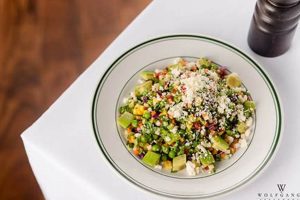
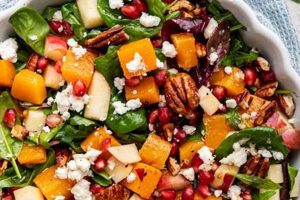
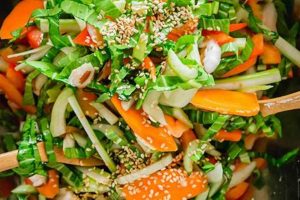
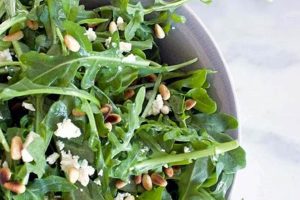
Salads featuring the firm, non-astringent Fuyu variety of persimmon offer a unique culinary experience. These vibrant orange fruits, enjoyed raw, contribute a sweet, subtly spicy flavor and pleasing texture to a variety of dishes. Examples include combinations with peppery arugula, creamy goat cheese, toasted pecans, and light vinaigrette dressings, as well as pairings with winter citrus fruits, roasted vegetables, and grains like farro or quinoa.
The nutritional value and versatility of this specific fruit make it a valuable addition to autumn and winter menus. Rich in vitamins A and C, fiber, and antioxidants, these fruits provide health benefits while adding color and interest to salads. Their non-astringent nature allows them to be enjoyed readily without the need for ripening or specific preparation methods, making them a convenient and appealing ingredient. Historically, persimmons have been cultivated and consumed in Asian cultures for centuries, valued for both their flavor and nutritional properties. Their incorporation into Western cuisine has steadily increased, driven by culinary exploration and appreciation for seasonal ingredients.
The following sections explore the diverse possibilities of incorporating this distinct fruit into salads, offering guidance on ingredient selection, preparation techniques, and complementary flavor pairings to inspire culinary creativity.
Tips for Crafting Exceptional Persimmon Salads
Creating a balanced and flavorful persimmon salad requires careful consideration of ingredients and techniques. These tips offer guidance for achieving optimal results.
Tip 1: Select ripe, firm fruit. Choose persimmons that are vibrant orange and yield slightly to gentle pressure. Avoid overly soft or blemished fruit.
Tip 2: Balance flavors and textures. Pair the sweetness of the fruit with contrasting elements such as bitter greens, tangy cheeses, and crunchy nuts or seeds.
Tip 3: Consider complementary dressings. Light vinaigrettes with citrus or balsamic notes enhance the persimmon’s flavor without overpowering it. Avoid heavy, creamy dressings.
Tip 4: Explore various preparation methods. Sliced, diced, or even roasted persimmon can add textural variety and depth of flavor to salads.
Tip 5: Incorporate seasonal ingredients. Combine persimmons with other autumnal produce, such as roasted squash, kale, or pomegranate seeds, for a cohesive seasonal dish.
Tip 6: Add protein for a complete meal. Grilled chicken or fish, crumbled feta cheese, or toasted nuts can elevate a persimmon salad to a satisfying main course.
Tip 7: Don’t overcrowd the salad. Allow each ingredient to shine by avoiding excessive layering or mixing.
By following these guidelines, one can create salads that showcase the unique qualities of the persimmon while delivering a harmonious balance of flavors and textures.
These insights provide a foundation for crafting delicious persimmon salads. The following section concludes with suggestions for further exploration and customization.
1. Ingredient Selection

Ingredient selection is paramount in crafting successful persimmon salads. The interplay of flavors and textures determines the overall balance and appeal of the dish. Careful consideration of each component ensures a harmonious and satisfying culinary experience.
- Greens:
The choice of greens provides the foundation of the salad. Arugula offers a peppery bite that contrasts well with the persimmon’s sweetness, while spinach provides a milder, earthier backdrop. Butter lettuce contributes a delicate sweetness and tender texture. Selecting greens based on their flavor profile and textural contribution enhances the overall composition of the salad.
- Cheese:
Cheese adds a creamy, savory element. Goat cheese provides a tangy counterpoint to the persimmon’s sweetness, while feta offers a salty, briny complexity. Blue cheese introduces a pungent, bold flavor for those seeking a more assertive profile. The choice of cheese should complement, not overpower, the other ingredients.
- Nuts and Seeds:
Nuts and seeds contribute textural complexity and flavor. Toasted pecans or walnuts provide a buttery crunch and earthy notes, while pumpkin seeds offer a delicate crispness. Sesame seeds impart a nutty aroma and subtle crunch. The selection should consider the desired level of crunch and flavor intensity.
- Other Fruits and Vegetables:
Incorporating other fruits and vegetables enhances the nutritional value and flavor profile. Winter citrus fruits, such as oranges and grapefruits, complement the persimmon’s sweetness with a bright, tangy acidity. Roasted root vegetables, like beets and carrots, add earthy sweetness and a contrasting texture. Pomegranate arils offer a juicy burst of tartness and visual appeal. The careful combination of complementary flavors and textures elevates the salad’s complexity.
Strategic ingredient selection elevates persimmon salads from simple to sophisticated. The careful interplay of flavors and textures creates a harmonious and memorable dining experience. Thoughtful consideration of each component ensures a well-balanced and satisfying dish, showcasing the unique qualities of the persimmon.
2. Flavor Balancing
Flavor balancing is crucial for successful persimmon salads. The persimmon’s inherent sweetness necessitates thoughtful pairings to prevent an overly sweet or one-dimensional experience. Strategic incorporation of contrasting and complementary flavors elevates the dish, creating a harmonious and satisfying culinary experience. A well-balanced salad allows each ingredient to shine while contributing to a cohesive whole.
- Sweetness and Acidity:
Balancing the persimmon’s sweetness with acidic elements is essential. Citrus fruits, such as oranges, grapefruits, and mandarins, provide a bright, tangy counterpoint. Vinegar-based dressings, particularly those with balsamic or citrus notes, also contribute acidity and complexity. This interplay prevents the salad from being cloyingly sweet, creating a refreshing and vibrant flavor profile.
- Sweetness and Bitterness:
Bitter greens, such as arugula, radicchio, or dandelion greens, offer a welcome contrast to the persimmon’s sweetness. Their slightly bitter flavor profile adds depth and complexity to the salad, preventing it from becoming overly sweet. This balance enhances the overall flavor experience and creates a more nuanced palate sensation.
- Sweetness and Saltiness:
Salty elements, such as feta cheese, Parmesan cheese, or toasted nuts, complement the persimmon’s sweetness and provide a savory dimension. Salty cheeses add a creamy texture and a concentrated burst of saltiness, while toasted nuts contribute a satisfying crunch and earthy notes. This interplay of sweet and salty flavors creates a more balanced and satisfying culinary experience.
- Sweetness and Spice:
Adding a touch of spice can enhance the persimmon’s flavor profile. A pinch of black pepper, a sprinkle of red pepper flakes, or a drizzle of chili oil introduces a warming heat that complements the fruit’s sweetness. This element of spice adds depth and complexity to the salad, preventing it from becoming one-dimensional. The level of spice can be adjusted to suit individual preferences.
The interplay of these flavor components creates a dynamic and well-rounded persimmon salad. Understanding how to balance sweetness with acidity, bitterness, saltiness, and spice allows for the creation of salads that are both complex and satisfying. These flavor balancing techniques transform a simple salad into a culinary masterpiece, highlighting the unique qualities of the persimmon while creating a harmonious and memorable dining experience.
3. Textural Contrast

Textural contrast significantly impacts the enjoyment of persimmon salads. The persimmon’s smooth, firm texture offers a foundation for incorporating a variety of contrasting elements. A strategically constructed salad engages the palate with a dynamic interplay of textures, elevating the dining experience beyond mere flavor. Understanding and utilizing textural contrast is key to crafting a truly satisfying and memorable persimmon salad.
- Crunchy Elements:
Crunchy elements provide a counterpoint to the persimmon’s smoothness. Nuts, such as toasted pecans, walnuts, or almonds, offer a satisfying bite and nutty flavor. Seeds, like pumpkin or sunflower seeds, contribute a lighter crunch. Croutons or toasted bread pieces add a crisp, airy texture. These contrasting textures create a dynamic mouthfeel and enhance the overall enjoyment of the salad.
- Soft Elements:
Soft elements complement the persimmon’s texture while adding variety. Avocado offers a creamy richness, while soft cheeses, like goat cheese or ricotta, contribute a smooth, tangy element. Cooked grains, such as quinoa or farro, provide a tender chewiness. These softer textures create a harmonious balance with the firmer persimmon and other crunchy ingredients.
- Chewy Elements:
Chewy elements introduce another layer of textural interest. Dried fruits, like cranberries or raisins, offer a concentrated sweetness and a chewy texture. Cooked beans, such as chickpeas or lentils, provide a hearty chewiness and plant-based protein. These chewy elements create a satisfying mouthfeel and contribute to a more complex textural profile.
- Crispy Elements:
Crispy elements add a delicate, airy texture. Crispy fried onions or shallots provide a savory crunch and intense flavor. Crispy kale chips offer a light, delicate crispness and a boost of nutrients. These crispy elements add a contrasting texture that enhances the overall sensory experience.
The interplay of these textural elements elevates persimmon salads from simple to sophisticated. The combination of smooth, crunchy, soft, chewy, and crispy textures creates a dynamic and engaging mouthfeel. Careful consideration of textural contrast ensures a balanced and satisfying culinary experience, showcasing the persimmon’s versatility and enhancing the overall enjoyment of the dish.
4. Dressing Choice

Dressing choice significantly influences the overall flavor profile and balance of persimmon salads. Because persimmons possess a delicate sweetness, the dressing should complement rather than overpower this characteristic. A heavy, creamy dressing can mask the persimmon’s subtle flavor, while a light, acidic vinaigrette enhances its sweetness and adds a refreshing counterpoint. For example, a citrus vinaigrette, made with orange or grapefruit juice, provides a bright acidity that balances the persimmon’s sweetness, while a balsamic vinaigrette adds a tangy complexity. The dressing’s role extends beyond flavor enhancement; it also contributes to the salad’s overall texture and moisture level.
The viscosity of the dressing affects how it coats the other ingredients. A light vinaigrette lightly coats the ingredients, allowing their individual flavors and textures to shine through. Conversely, a thicker dressing clings more heavily, potentially masking delicate flavors. The dressing also influences the salad’s perceived freshness. A light, vibrant dressing maintains the crispness of the greens and other ingredients, while a heavy dressing can make the salad feel weighed down. Consideration of these factorsflavor, texture, and freshnessensures the dressing complements the persimmon and other salad components harmoniously. A well-chosen dressing elevates the salad, transforming it from a simple combination of ingredients into a cohesive and flavorful dish.
Selecting the appropriate dressing involves careful evaluation of the other salad components. If the salad features strong flavors, such as pungent cheese or bitter greens, a bolder dressing might be appropriate. However, if the salad focuses on delicate flavors and textures, a lighter dressing is generally preferred. Understanding the interplay between the dressing and other ingredients allows for informed decision-making, ultimately resulting in a more balanced and enjoyable salad. Successful dressing selection hinges on a holistic approach, considering the persimmon’s unique qualities alongside the other components to create a cohesive and harmonious culinary experience.
5. Seasonal Pairings

Seasonal pairings enhance persimmon salad recipes by capitalizing on the peak availability and flavor profiles of complementary autumn and winter produce. This approach maximizes freshness and nutritional value while creating harmonious flavor combinations. Persimmons ripen during the cooler months, aligning with ingredients like pomegranates, cranberries, winter citrus, kale, and roasted root vegetables. For instance, a persimmon and pomegranate salad benefits from the fruits’ shared seasonality, ensuring optimal ripeness and flavor. The pomegranate’s tartness balances the persimmon’s sweetness, creating a vibrant flavor contrast.
The practical significance of seasonal pairings extends beyond flavor enhancement. Utilizing in-season produce often translates to higher nutrient content, as fruits and vegetables are typically harvested at their nutritional peak. Furthermore, seasonal eating supports local agriculture and reduces the environmental impact associated with long-distance transportation. A persimmon salad featuring locally sourced kale and roasted butternut squash exemplifies this principle, promoting both flavor and sustainability. Additionally, seasonal pairings offer opportunities for culinary creativity, inspiring innovative flavor combinations and textures within persimmon salad recipes.
In summary, prioritizing seasonal pairings in persimmon salad recipes offers numerous advantages. Flavor optimization, enhanced nutritional value, support for local economies, and reduced environmental impact all contribute to a more mindful and enjoyable culinary experience. The inherent connection between persimmons and other autumnal and winter produce allows for a harmonious and flavorful celebration of seasonal ingredients. This approach encourages culinary exploration while promoting sustainable practices and maximizing the nutritional benefits derived from fresh, locally sourced produce.
6. Presentation
Presentation significantly influences the perceived appeal and enjoyment of fuyu persimmon salads. Thoughtful arrangement elevates the dish beyond a simple combination of ingredients, transforming it into a visually engaging culinary experience. Strategic placement of components showcases the vibrant colors and textures, stimulating appetite and enhancing enjoyment. For example, arranging persimmon slices in a radial pattern, interspersed with contrasting elements like bright green arugula and crumbled goat cheese, creates a visually dynamic composition. This attention to detail enhances the dining experience, communicating care and attention to both flavor and aesthetics.
The practical application of presentation principles extends beyond aesthetics. Consideration of color, texture, and height creates visual interest and guides the diner’s experience. Contrasting colors, such as the persimmon’s vibrant orange against deep green spinach, create visual appeal. Varying textures, from the smooth persimmon to crunchy nuts and creamy cheese, add complexity. Building height, by incorporating elements like toasted bread or stacked persimmon slices, adds dimension. These techniques ensure the presentation enhances, rather than detracts from, the flavors and textures of the salad. A well-presented salad not only looks appealing but also encourages engagement with the diverse components.
In summary, presentation plays a crucial role in the overall success of fuyu persimmon salad recipes. It transforms a simple dish into a visually compelling and enjoyable culinary experience. Strategic arrangement and attention to visual details elevate the perceived value and enjoyment of the salad. The practical application of presentation principles enhances the dining experience, demonstrating care in preparation and encouraging a deeper appreciation for the flavors and textures within. Careful consideration of visual elements ensures the presentation complements the culinary artistry of the salad, resulting in a harmonious and satisfying experience for the diner.
7. Recipe Variations
Recipe variations demonstrate the versatility of fuyu persimmons in salads, expanding beyond basic preparations to explore diverse flavor profiles and culinary techniques. Adaptability to various ingredients and methods allows for customization based on dietary preferences, seasonal availability, and desired complexity. Exploring these variations unlocks the full potential of fuyu persimmons as a key salad ingredient.
- Savory Combinations:
Savory variations often incorporate ingredients like toasted nuts, crumbled cheeses (feta, goat, or blue), and savory dressings (vinaigrettes with balsamic, Dijon, or herbs). These combinations balance the persimmon’s sweetness with salty and tangy notes, creating complex flavor profiles. A salad with persimmons, toasted walnuts, blue cheese, and a balsamic vinaigrette exemplifies this savory approach.
- Sweet and Spicy Profiles:
Sweet and spicy variations highlight the persimmon’s sweetness while adding a kick. Ingredients like candied pecans, chili flakes, or a sriracha-infused dressing contribute warmth and complexity. A persimmon salad with candied pecans, crumbled goat cheese, arugula, and a light vinaigrette with a touch of chili flakes demonstrates this balance.
- Warm Salads Incorporating Roasted Persimmon:
Roasting persimmons intensifies their sweetness and adds a caramelized depth. Warm salads featuring roasted persimmon slices alongside ingredients like kale, farro, or roasted root vegetables offer a comforting and flavorful experience, particularly during colder months. A warm salad with roasted persimmons, farro, kale, and a maple-Dijon vinaigrette showcases this approach.
- Incorporating Grains and Legumes:
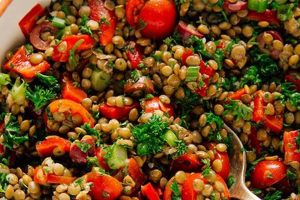
Adding grains and legumes transforms persimmon salads into substantial meals. Quinoa, farro, lentils, or chickpeas contribute protein, fiber, and textural complexity. A persimmon salad with quinoa, chickpeas, feta cheese, chopped cucumbers, and a lemon-herb vinaigrette exemplifies this hearty variation.
These recipe variations underscore the adaptability of fuyu persimmons within salads. From light and refreshing to hearty and complex, the possibilities extend beyond basic preparations, allowing for culinary creativity and customization based on individual preferences and seasonal ingredients. Exploring these variations enriches the culinary experience and showcases the persimmon’s versatility as a valuable salad component.
Frequently Asked Questions
This section addresses common inquiries regarding the utilization of Fuyu persimmons in salads, providing concise and informative responses to facilitate culinary understanding and successful recipe implementation.
Question 1: How do Fuyu persimmons differ from Hachiya persimmons in salads?
Fuyu persimmons, unlike Hachiya persimmons, are non-astringent and can be enjoyed while firm and crisp, making them ideal for salads. Hachiya persimmons must be fully ripened to a jelly-like consistency before consumption to avoid an unpleasant astringency.
Question 2: Can persimmon skins be consumed?
Fuyu persimmon skins are edible and offer a subtle textural contrast. Thorough washing is recommended. However, some individuals may prefer to peel them for aesthetic or textural reasons.
Question 3: How should persimmons be stored?
Ripe persimmons can be stored at room temperature for a few days or refrigerated for up to a week to extend their shelf life. Slightly underripe persimmons can be left at room temperature to ripen further.
Question 4: What dressings complement persimmon salads?
Light vinaigrettes with citrus (orange, lemon, grapefruit) or balsamic notes complement the persimmon’s sweetness without overpowering its delicate flavor. Avoid heavy, creamy dressings that might mask the fruit’s subtle nuances.
Question 5: Can persimmons be combined with other fruits in salads?
Persimmons pair well with other autumnal and winter fruits, such as pomegranates, cranberries, and citrus fruits. These combinations offer complementary flavors, textures, and colors, enhancing the overall sensory experience.
Question 6: How can one prevent persimmon slices from browning in a salad?
Tossing persimmon slices with a small amount of acid, such as lemon or lime juice, helps prevent enzymatic browning and maintains their vibrant orange color. This technique also contributes a subtle brightness to the salad’s flavor profile.
Understanding these key aspects of incorporating Fuyu persimmons into salads allows for successful recipe execution and enjoyment of the fruit’s unique qualities.
The following section offers a curated selection of persimmon salad recipes showcasing the discussed principles and variations.
Fuyu Persimmon Salad Recipes
Exploration of fuyu persimmon salad recipes reveals the fruit’s versatility and culinary potential. Careful consideration of ingredient selection, flavor balancing, textural contrast, dressing choice, seasonal pairings, and presentation elevates these salads from simple to sophisticated. Understanding the persimmon’s unique characteristicsits delicate sweetness, smooth texture, and vibrant colorallows for informed recipe development and a harmonious blend of flavors and textures. Recipe variations, incorporating roasted persimmons, savory combinations, and additions of grains or legumes, further expand culinary possibilities.
The incorporation of fuyu persimmons into salads offers a unique opportunity to showcase seasonal ingredients and elevate culinary creativity. Continued exploration of flavor profiles, textures, and presentation techniques promises further development and appreciation of persimmon’s culinary contributions. The potential for innovative and delicious persimmon salad recipes remains vast, encouraging ongoing experimentation and enjoyment of this versatile fruit.