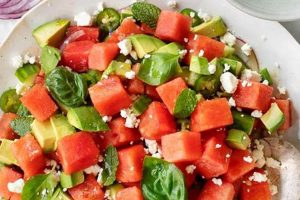
A vibrant and refreshing dish, this type of salad combines the anise-like flavor of fennel with the bright acidity of citrus fruits. Typically, thinly sliced fennel bulb is paired with segments of oranges, grapefruits, or lemons. A simple vinaigrette, often incorporating olive oil, the citrus juices, and herbs like dill or parsley, completes the dish. Variations may include other ingredients such as toasted nuts, olives, or feta cheese.
The appeal of this salad lies in its contrasting flavors and textures. The crisp, slightly sweet fennel provides a counterpoint to the juicy, tart citrus segments. The light vinaigrette enhances these flavors without overpowering them, resulting in a balanced and palatable dish. Furthermore, this salad is a good source of vitamins and fiber, contributing to a healthy diet. Historically, fennel and citrus have been valued for their medicinal properties and culinary applications, dating back to ancient civilizations. Their combined use in a salad represents a modern take on traditional ingredients.
This exploration will delve further into variations, preparation techniques, and serving suggestions for this versatile and delightful salad. It will also cover the nutritional benefits of the key ingredients and offer tips for selecting the freshest produce.
Tips for a Perfect Citrus Fennel Salad
Achieving optimal flavor and texture requires attention to detail throughout the preparation process. The following tips offer guidance for creating a truly exceptional salad.
Tip 1: Selecting Fennel: Choose bulbs that are firm, white, and free from blemishes. Avoid bulbs with signs of browning or bruising. The fronds should be bright green and fragrant.
Tip 2: Proper Fennel Preparation: Remove the stalks and the tough outer layer of the bulb. Slice the bulb very thinly, preferably using a mandoline or sharp knife, for optimal texture and even flavor distribution.
Tip 3: Citrus Selection and Preparation: Opt for ripe, juicy citrus fruits. Segment the citrus carefully to remove all of the pith and membrane, which can be bitter. Reserve any released juice for the vinaigrette.
Tip 4: Vinaigrette Balance: The vinaigrette should complement the flavors of the fennel and citrus. A balance of acidity, sweetness, and oil is crucial. Taste and adjust the vinaigrette as needed.
Tip 5: Adding Complementary Ingredients: Consider adding ingredients such as thinly sliced red onion, toasted almonds or walnuts, Kalamata olives, or crumbled feta cheese to enhance the flavor and texture profile.
Tip 6: Proper Chilling and Serving: Chilling the salad for a short time before serving allows the flavors to meld. Avoid over-chilling, which can make the fennel lose its crispness. Serve immediately after dressing to maintain optimal texture.
Tip 7: Herb Selection: Fresh herbs like dill, parsley, or mint can elevate the salad’s flavor profile. Add them just before serving to maintain their vibrancy.
By following these tips, one can create a salad that highlights the fresh, vibrant flavors of fennel and citrus, resulting in a delicious and satisfying culinary experience.
These guidelines offer a foundation for creating a customized version tailored to individual preferences. Experimentation with different ingredients and techniques is encouraged.
1. Fresh, Crisp Fennel Bulb

The foundation of a successful citrus fennel salad rests upon the quality of the fennel bulb. A fresh, crisp bulb provides the necessary textural contrast and subtle anise flavor that balances the bright acidity of the citrus components. Selecting and preparing the fennel correctly is crucial for achieving the desired outcome.
- Selection:
Choosing the right fennel bulb is the first step. Look for firm, white bulbs free from bruises or soft spots. The stalks should be vibrant green and fragrant. Avoid bulbs with dried or yellowing fronds. The base should not show signs of cracking or splitting.
- Storage:
Proper storage maintains the fennel’s freshness. Store unwashed fennel bulbs in the refrigerator crisper drawer, wrapped loosely in a plastic bag, for up to a week. Trimmed fennel can be stored similarly for a few days but is best used as soon as possible.
- Preparation:
Careful preparation optimizes both flavor and texture. Remove the stalks and the tough outer layers of the bulb. Slice the fennel very thinly, preferably using a mandoline slicer, for optimal texture and even flavor distribution. This thinness allows the vinaigrette to penetrate and coat the fennel effectively.
- Impact on the Dish:
The freshness and crispness of the fennel bulb directly influence the overall salad experience. A crisp fennel provides a satisfying crunch, while a fresh bulb offers a delicate, slightly sweet anise flavor that complements the citrus. Without this element, the salad may lack textural complexity and the nuanced flavor balance necessary for a truly exceptional dish.
Ultimately, the quality of the fennel bulb determines the success of the citrus fennel salad. By prioritizing freshness and employing proper handling techniques, one ensures that the fennel contributes the essential flavor, texture, and aromatic notes required for a well-balanced and refreshing salad. Careful consideration of these aspects elevates the final dish from simple to exceptional.
2. Varied Citrus Segments
The inclusion of varied citrus segments significantly elevates the citrus fennel salad from a simple combination of ingredients to a complex and nuanced culinary experience. This diversity introduces a range of flavors, textures, and colors, enriching the overall sensory experience. The interplay of sweet, tart, and slightly bitter notes, contributed by different citrus varieties, creates a dynamic flavor profile that complements the subtle anise flavor of the fennel.
Employing a variety of citrus fruits offers several advantages. Using oranges provides a familiar sweetness and vibrant color, while grapefruits introduce a refreshing tartness and slight bitterness. The inclusion of mandarins or blood oranges adds unique aromatic notes and visual appeal. This combination of flavors and textures prevents the salad from becoming monotonous, offering a more engaging and satisfying culinary experience. For instance, a segment of ruby red grapefruit alongside a sweet navel orange provides a contrasting yet complementary flavor profile, further enhanced by the textural interplay of the juicy segments against the crisp fennel. This variety also contributes to visual appeal, making the salad more enticing.
The careful selection and preparation of these citrus segments is crucial. Each segment should be meticulously peeled to remove all pith and membrane, as these contribute unwanted bitterness. The segments should be cleanly separated, maintaining their integrity for optimal presentation and enjoyment. Furthermore, the reserved juice from segmenting the citrus can be incorporated into the vinaigrette, further enhancing the citrus notes and creating a cohesive flavor profile. Challenges may arise in balancing the sweetness and tartness of the chosen citrus varieties; however, careful selection and judicious use of a balancing agent in the vinaigrette, such as a touch of honey or maple syrup, can mitigate this. Ultimately, the strategic use of varied citrus segments significantly impacts the overall quality and complexity of the citrus fennel salad, demonstrating the importance of ingredient selection in achieving culinary excellence.
3. Balanced, light vinaigrette

A balanced, light vinaigrette plays a crucial role in a citrus fennel salad recipe, acting as a unifying element that harmonizes the distinct flavors of the fennel and citrus components. The vinaigrette provides a necessary acidic counterpoint to the subtle sweetness of the fennel and the varying degrees of tartness and sweetness from the citrus segments. It should enhance, not overpower, these intrinsic flavors, allowing the individual components to shine while creating a cohesive culinary experience. An overly heavy or intensely flavored dressing would mask the delicate flavors of the fennel and citrus, diminishing the overall balance and freshness of the salad.
The balance within the vinaigrette itself is equally important. The ideal vinaigrette for this type of salad typically incorporates a high-quality extra virgin olive oil for its fruity notes and health benefits, freshly squeezed citrus juice for brightness and acidity, and a touch of sweetness to round out the flavors. This sweetness can be derived from a small amount of honey, maple syrup, or even a pinch of sugar. A balanced vinaigrette achieves harmony between these elements, with no single flavor dominating. For example, a vinaigrette consisting of three parts olive oil to one part lemon juice, with a half-part of honey, offers a balanced profile that complements both fennel and citrus. The olive oil provides richness, the lemon juice contributes acidity, and the honey adds a subtle sweetness that ties the flavors together.
Understanding the importance of a balanced, light vinaigrette in a citrus fennel salad recipe provides practical culinary advantages. It allows for greater control over the final flavor profile, enabling adjustments to complement specific citrus varieties or personal preferences. Challenges may arise in achieving the perfect balance, as the sweetness and acidity of citrus fruits can vary. However, through careful tasting and adjustment, a vinaigrette that perfectly complements the other ingredients can be achieved, transforming a simple salad into a nuanced and refreshing culinary creation. This attention to the vinaigrette elevates the salad beyond a mere combination of ingredients, demonstrating a deeper understanding of flavor dynamics and culinary technique.
4. Complementary Ingredients

Complementary ingredients in a citrus fennel salad recipe contribute significantly to textural complexity, flavor depth, and visual appeal, elevating the dish beyond a simple combination of fennel and citrus. These additions provide contrasting or supporting flavors and textures that harmonize with the core ingredients, resulting in a more nuanced and satisfying culinary experience. Careful consideration of these complementary elements allows for customization and creativity, transforming the salad into a more substantial and engaging dish.
Several categories of complementary ingredients enhance citrus fennel salads. Toasted nuts, such as almonds, pistachios, or walnuts, introduce a satisfying crunch and nutty flavor that contrasts with the crisp fennel and juicy citrus. Olives, particularly Kalamata or Castelvetrano, provide a salty, briny element that complements the bright citrus notes. Cheese, like crumbled feta or shaved Parmesan, adds a creamy, salty dimension. Other options include thinly sliced red onion for a pungent bite, avocado for richness, or fresh herbs like mint or parsley for added freshness and aroma. For instance, the addition of toasted pistachios and crumbled feta to a salad with orange and fennel offers both textural and flavor complexity. The pistachios contribute a satisfying crunch and nutty flavor, while the feta provides a salty, creamy counterpoint to the sweetness of the orange and the anise notes of the fennel.
Understanding the role of complementary ingredients provides practical advantages in recipe development and execution. It allows for tailored flavor profiles catering to individual preferences. Challenges can arise in balancing the flavors and textures of these additional components, but careful consideration of their inherent characteristics and quantities used helps ensure a harmonious blend. The ultimate goal remains to enhance, not overpower, the primary flavors of the fennel and citrus. This careful integration of complementary ingredients transforms the citrus fennel salad from a simple starter into a well-rounded and memorable dish, demonstrating a thoughtful approach to culinary composition.
5. Precise slicing technique

Precise slicing technique significantly impacts the overall quality and enjoyment of a citrus fennel salad. Uniformly thin slices of fennel ensure even flavor distribution and optimal texture. Thinly sliced fennel offers a delicate, pleasant mouthfeel, while thicker pieces can be tough and fibrous. This precise slicing also allows the vinaigrette to coat the fennel evenly, maximizing flavor penetration. Furthermore, consistent thickness ensures that the fennel and citrus components integrate harmoniously, creating a balanced and visually appealing salad. For instance, imagine biting into a salad where some fennel pieces are paper-thin and others are thick and chunky. The disparity in texture would detract from the overall experience.
The practical application of precise slicing techniques extends beyond mere aesthetics. It directly influences how the fennel interacts with the other ingredients, particularly the vinaigrette. Thinly sliced fennel absorbs the vinaigrette more readily, allowing its flavors to permeate the fennel thoroughly. This results in a more flavorful and balanced salad. Conversely, thicker pieces may not absorb the dressing effectively, leading to uneven flavor distribution and a less satisfying culinary experience. Moreover, precise slicing facilitates even cooking when the fennel is briefly marinated or lightly sauteed before being added to the salad. This technique can subtly alter the fennel’s flavor profile, adding another layer of complexity to the dish. Using a mandoline slicer offers the most consistent results, but with practice, a sharp knife can also achieve the desired thinness and uniformity.
Mastering precise slicing techniques elevates the citrus fennel salad from a simple dish to a refined culinary creation. While challenges may arise in achieving uniform thinness, particularly with a knife, the resulting improvement in texture, flavor distribution, and overall presentation justifies the effort. This attention to detail demonstrates a commitment to culinary excellence and enhances the overall dining experience, transforming a simple salad into a showcase of culinary skill and attention. This meticulous approach ensures that every bite offers a harmonious blend of flavors and textures, contributing significantly to the success of the dish.
6. Proper Chilling Time

Proper chilling time plays a crucial role in the final quality of a citrus fennel salad. Chilling allows the flavors of the various componentsthe fennel, citrus segments, vinaigrette, and any complementary ingredientsto meld and harmonize. This process enhances the overall flavor profile, creating a more cohesive and balanced taste experience. Insufficient chilling may result in a salad where the individual flavors remain disparate, lacking integration. Conversely, excessive chilling can negatively impact the texture of the fennel, causing it to become overly soft and lose its desirable crispness. For example, a salad chilled for 30 minutes allows the vinaigrette to permeate the fennel and the citrus flavors to blend subtly, while over-chilling for several hours could render the fennel limp and less appealing.
The optimal chilling time for a citrus fennel salad depends on several factors, including the specific ingredients used and the desired outcome. Generally, a chilling period of 15 to 30 minutes is sufficient to allow the flavors to meld without compromising the texture of the fennel. This duration allows the fennel to absorb the vinaigrette and soften slightly while retaining its crispness. The citrus segments also benefit from this brief chilling period, their flavors becoming more pronounced and integrated with the other components. However, if the salad includes more delicate ingredients, such as fresh herbs or avocado, an even shorter chilling time may be preferable to prevent these elements from becoming wilted or discolored. Practical application involves balancing the need for flavor integration with the preservation of textural integrity, requiring careful consideration of the specific ingredients and their sensitivities to temperature.
Understanding the impact of proper chilling time provides significant culinary advantages. It allows for greater control over the final flavor and texture of the salad, enabling adjustments based on specific ingredients and desired outcomes. The primary challenge lies in finding the ideal balancesufficient chilling to meld flavors without compromising textural integrity. Successfully navigating this balance elevates the citrus fennel salad, ensuring a harmonious blend of flavors and textures that contribute to a more satisfying culinary experience. This attention to detail highlights the importance of temperature management in achieving optimal results, demonstrating a nuanced understanding of the interplay between ingredients and technique.
7. Flavorful Herb Additions
Flavorful herb additions contribute a significant aromatic dimension and layer of complexity to citrus fennel salads. Fresh herbs enhance the existing flavors of the fennel and citrus, creating a more nuanced and vibrant taste experience. The choice of herbs can either complement the core flavors or introduce contrasting notes, adding depth and intrigue to the overall profile. For instance, dill, with its slightly anise-like flavor, harmonizes with the inherent anise notes of the fennel, creating a synergistic effect. Conversely, mint offers a refreshing counterpoint to the citrus, adding a layer of coolness that balances the brighter citrus notes. Other suitable herbs include parsley, tarragon, and chives, each contributing a unique character to the salad.
The practical application of this understanding allows for tailored flavor profiles. A chef or home cook can select herbs to specifically complement the chosen citrus variety. For example, a salad featuring grapefruit and fennel might benefit from the addition of mint or tarragon to balance the grapefruit’s tartness. Alternatively, a salad with orange and fennel could be enhanced with dill or parsley to complement the orange’s sweetness. The quantity of herbs used also plays a crucial role. A light hand preserves the delicate balance of flavors, while an overabundance can overwhelm the other ingredients. Fresh herbs should be added just before serving to maintain their vibrancy and prevent wilting. Chopping or tearing the herbs releases their aromatic oils, maximizing their impact on the final dish. Challenges can arise in selecting appropriate herb combinations and balancing their intensity, but careful consideration of flavor profiles allows for successful integration.
Incorporating flavorful herbs represents a significant step in elevating the citrus fennel salad. This addition transforms the salad from a simple combination of ingredients into a more complex and aromatic culinary creation. The careful selection and application of fresh herbs demonstrates a nuanced understanding of flavor dynamics, allowing for customized flavor profiles tailored to individual preferences. This attention to detail distinguishes a thoughtfully composed salad from a basic preparation, enhancing the overall dining experience.
Frequently Asked Questions
This section addresses common inquiries regarding citrus fennel salad recipes, offering practical guidance and clarifying potential uncertainties.
Question 1: Can the fennel bulb be prepared in advance?
While slicing the fennel bulb immediately before serving ensures optimal crispness, advance preparation is possible. Store thinly sliced fennel in an airtight container submerged in ice water in the refrigerator for up to two days. This method helps maintain its texture.
Question 2: What are suitable substitutes for oranges or grapefruits?
Mandarins, blood oranges, pomelos, or even lemons and limes can be substituted for oranges or grapefruits, offering variations in flavor and acidity. Consider the overall balance when making substitutions.
Question 3: Can a different oil be used in the vinaigrette?
While extra virgin olive oil is recommended for its flavor profile, other oils like avocado oil or grapeseed oil can be substituted. However, these substitutions may subtly alter the taste of the vinaigrette.
Question 4: How can bitterness from the fennel bulb be mitigated?
The core of the fennel bulb can sometimes be bitter. Removing the core entirely before slicing helps reduce any potential bitterness. Soaking the sliced fennel in ice water can further mitigate any residual bitterness.
Question 5: How long can the salad be stored after dressing?
Ideally, the salad is dressed and consumed immediately. However, if storage is necessary, store the dressed salad in an airtight container in the refrigerator for up to one day. Be aware that the fennel may soften slightly during storage.
Question 6: Can this salad be served as a main course?
While often served as a starter or side dish, adding protein such as grilled chicken, fish, or chickpeas transforms this salad into a satisfying main course. Adjust the portion sizes accordingly.
These responses offer practical solutions and address potential challenges in preparing citrus fennel salads. Understanding these nuances allows for greater control over the final dish and ensures a successful culinary outcome.
This concludes the frequently asked questions section. The subsequent section will provide a complete recipe for a classic citrus fennel salad.
Citrus Fennel Salad Recipe
This exploration has provided a comprehensive overview of the citrus fennel salad recipe, emphasizing the essential elements that contribute to a successful outcome. From the selection and preparation of fresh, crisp fennel bulbs and varied citrus segments to the creation of a balanced, light vinaigrette, each component plays a vital role in the final dish. The strategic incorporation of complementary ingredients, precise slicing techniques, proper chilling time, and flavorful herb additions further elevate this salad, transforming it from a simple combination of ingredients into a nuanced and refreshing culinary experience. The discussion of frequently asked questions addresses practical considerations and offers solutions to potential challenges, ensuring a successful outcome for both novice and experienced cooks.
The citrus fennel salad represents a harmonious blend of flavors, textures, and aromas. Its refreshing qualities and nutritional benefits make it a versatile dish suitable for various occasions. Continued exploration of variations and ingredient combinations offers opportunities for culinary creativity and personalized adaptations. Ultimately, the preparation of a citrus fennel salad exemplifies the transformative power of culinary technique applied to fresh, high-quality ingredients. Its enduring appeal lies in its simplicity, versatility, and capacity to deliver a refreshing and satisfying culinary experience.