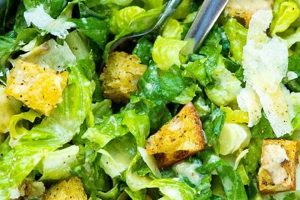
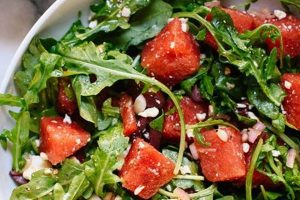
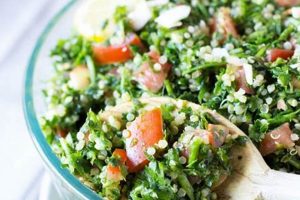
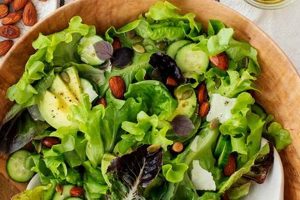
Crisp and refreshing salads featuring napa cabbage offer a versatile culinary canvas. These dishes typically incorporate shredded napa cabbage as a base, complemented by various ingredients such as other vegetables, fruits, nuts, proteins, and a flavorful dressing. A simple example might include shredded napa cabbage, carrots, red onion, toasted sesame seeds, and a ginger-soy vinaigrette.
The mild, slightly sweet flavor of napa cabbage makes it an excellent foundation for salads, readily absorbing diverse flavor profiles. Its nutritional value, including vitamins C and K, fiber, and antioxidants, further enhances its appeal. While its precise origins are debated, napa cabbage has a long history in East Asian cuisine, where it is utilized in various dishes beyond salads. This culinary heritage contributes to the rich tapestry of flavors and textures found in contemporary napa cabbage salad preparations.
Further exploration will delve into specific recipe variations, highlighting the diverse possibilities within this culinary category, from light and refreshing summer salads to heartier, more substantial meals.
Tips for Napa Cabbage Salad Preparation
Achieving optimal flavor and texture in napa cabbage salads requires attention to key preparation techniques.
Tip 1: Selecting the Cabbage: Look for firm, dense heads with vibrant green leaves free from blemishes or browning. Avoid cabbages with wilted or dry outer leaves.
Tip 2: Proper Shredding: Thinly slicing the cabbage ensures a pleasant texture and allows the dressing to coat evenly. A sharp knife or mandoline slicer offers the best results.
Tip 3: Enhancing Crispness: Soaking shredded cabbage in ice water for 15-20 minutes before assembling the salad enhances its crispness. Thoroughly dry the cabbage before combining it with other ingredients.
Tip 4: Balancing Flavors: Consider the interplay of sweet, sour, salty, and spicy elements when developing the dressing. A well-balanced dressing complements the subtle sweetness of the cabbage.
Tip 5: Ingredient Combinations: Napa cabbage pairs well with a wide variety of ingredients, including fruits (mandarin oranges, apples), vegetables (carrots, bell peppers), proteins (grilled chicken, tofu), and nuts (almonds, cashews).
Tip 6: Dressing Application: Add the dressing just before serving to prevent the salad from becoming soggy. Toss gently to ensure even distribution.
Tip 7: Storage: Store leftover salad without dressing in an airtight container in the refrigerator for up to two days. Add the dressing just before serving.
By following these guidelines, one can consistently create delicious and visually appealing napa cabbage salads that showcase the versatility of this nutritious vegetable.
These tips pave the way for successful napa cabbage salad creation, providing a foundation for culinary exploration within this versatile category.
1. Ingredients

Ingredient selection significantly influences the final flavor profile and nutritional value of napa cabbage salads. Understanding the role of each component allows for informed choices that cater to individual preferences and dietary needs. Careful consideration of ingredient pairings enhances the overall sensory experience.
- Base Ingredients:
Napa cabbage serves as the primary base, providing a mild, slightly sweet flavor and crisp texture. Its delicate nature allows it to absorb dressings and complement other ingredients effectively. Beyond napa cabbage, other leafy greens like romaine or spinach can be incorporated to add complexity.
- Vegetables:
A wide array of vegetables contributes texture, color, and nutrients. Common choices include shredded carrots, sliced bell peppers, julienned cucumbers, and edamame. These additions create visual appeal and offer diverse nutritional benefits.
- Fruits and Nuts:
Adding fruits like mandarin oranges, sliced apples, or dried cranberries introduces sweetness and textural contrast. Nuts such as toasted almonds, cashews, or sesame seeds provide healthy fats, protein, and satisfying crunch.
- Protein:
Incorporating protein transforms a light salad into a more substantial meal. Grilled chicken, shrimp, tofu, or chickpeas are popular options. The choice of protein influences the overall flavor profile and nutritional content.
The interplay of these ingredient categories determines the final character of a napa cabbage salad. Balancing flavors, textures, and nutritional value ensures a satisfying and healthful culinary experience. The versatility of napa cabbage allows for endless variations, limited only by culinary imagination.
2. Preparation
Preparation significantly impacts the quality and enjoyment of napa cabbage salads. Careful execution of key steps ensures optimal texture, flavor, and food safety. The process encompasses several critical stages, from selecting and handling the cabbage to combining ingredients and creating the dressing.
The initial stage involves selecting a fresh, firm napa cabbage. Careful inspection for blemishes or wilting is crucial. Thorough washing and proper shredding techniques, using a sharp knife or mandoline, create uniformly sized pieces, ensuring even dressing distribution and a pleasant mouthfeel. Soaking shredded cabbage in ice water enhances crispness, a hallmark of successful napa cabbage salads. This step, while optional, markedly improves the textural experience. For instance, a wilted, coarsely chopped cabbage results in a less appealing and potentially unevenly flavored salad compared to one prepared with crisp, finely shredded cabbage.
Ingredient preparation extends beyond the cabbage itself. Consistent cutting of vegetables and fruits ensures visual appeal and balanced flavor distribution. Proper handling of protein components, whether grilling chicken, marinating tofu, or cooking chickpeas, contributes significantly to the overall flavor profile. Finally, timely dressing preparation and application prevent the salad from becoming soggy. Emulsifying dressings thoroughly and adding them just before serving maintains the desired texture and prevents the cabbage from wilting prematurely. Understanding these preparatory steps elevates napa cabbage salads from simple to exceptional, maximizing flavor and textural enjoyment.
3. Dressings

Dressings play a pivotal role in napa cabbage salad recipes, transforming the inherent mildness of the cabbage into a flavorful and cohesive dish. The dressing’s composition dictates the overall flavor profile, influencing whether the salad leans towards sweet, savory, tangy, or spicy. A well-crafted dressing also contributes to the textural experience, adding creaminess, richness, or a refreshing lightness. The interaction between the dressing and the other ingredients is crucial; the cabbage absorbs the dressing, allowing the flavors to meld and enhance the overall taste. For example, a vibrant ginger-soy dressing with hints of sesame oil imparts an umami richness, while a light vinaigrette with citrus notes provides a refreshing counterpoint to the cabbage’s subtle sweetness. Alternatively, a creamy dressing based on mayonnaise or yogurt adds a different dimension of flavor and texture.
The choice of dressing depends on the specific ingredients in the salad. A light, acidic vinaigrette complements salads featuring fresh vegetables and fruits, while a richer, nut-based dressing might accompany salads with roasted vegetables or grilled protein. Furthermore, the dressing’s viscosity influences how it coats the ingredients. A thinner dressing disperses more evenly, while a thicker dressing clings more readily to the cabbage leaves. This understanding allows for strategic pairing to achieve the desired flavor and textural outcome. A light vinaigrette might not adhere well to heartier ingredients, while a heavy dressing could overwhelm delicate components.
Careful consideration of dressing selection elevates napa cabbage salads from simple to sophisticated. Matching the dressing’s intensity and flavor profile to the other ingredients ensures a harmonious balance. This awareness empowers culinary creativity, enabling a diverse range of flavor experiences within the versatile realm of napa cabbage salad recipes. Over-dressing can lead to a soggy salad, while under-dressing can leave the cabbage bland. Achieving the right balance ensures an optimal sensory experience.
4. Flavor Profiles

Flavor profiles significantly influence the overall sensory experience of napa cabbage salad recipes. The inherent mildness of napa cabbage provides a versatile backdrop, allowing a broad spectrum of flavor combinations. Understanding these profiles enables the creation of salads tailored to specific palates and culinary goals.
- Sweet and Savory:
This profile balances the subtle sweetness of napa cabbage with savory elements. Achieved through ingredients like toasted nuts, sesame oil, or a light soy-based dressing, this profile offers a classic, satisfying flavor combination. Examples include salads featuring grilled chicken, mandarin oranges, and a honey-soy vinaigrette. The interplay of sweet and savory notes creates a balanced and appealing taste.
- Spicy and Tangy:
This profile introduces heat and acidity, contrasting with the cabbage’s mildness. Ingredients like chili flakes, rice vinegar, or kimchi contribute to this dynamic combination. A salad with shredded carrots, sriracha, and lime juice exemplifies this profile. The bright, pungent flavors create an invigorating culinary experience.
- Earthy and Umami:
This profile emphasizes rich, savory notes. Ingredients like shiitake mushrooms, toasted sesame seeds, or a miso-based dressing contribute to this depth of flavor. A salad incorporating roasted tofu, edamame, and a sesame-ginger dressing illustrates this profile. The earthy, umami flavors offer a complex and satisfying taste experience.
- Fresh and Light:
This profile highlights the refreshing qualities of napa cabbage. Ingredients like fresh herbs, light citrus dressings, and crisp vegetables maintain a light, vibrant flavor profile. A salad featuring cucumbers, mint, and a lemon vinaigrette exemplifies this profile, perfect for warm weather or as a light accompaniment to a larger meal. The clean, bright flavors offer a refreshing culinary experience.
These flavor profiles demonstrate the versatility of napa cabbage as a base for salads. By thoughtfully combining ingredients and dressings, one can craft salads that cater to a wide range of preferences, from light and refreshing to rich and complex. Understanding these profiles allows for intentional flavor development, ensuring a satisfying and enjoyable culinary experience. The adaptability of napa cabbage allows for endless variations within these core flavor profiles, offering a canvas for culinary exploration.
5. Nutritional Value

Nutritional value represents a significant aspect of napa cabbage salad recipes, contributing to their appeal as healthful meal options. Napa cabbage itself offers a range of vitamins, minerals, and beneficial plant compounds. Furthermore, the inclusion of other ingredients, such as diverse vegetables, fruits, nuts, and lean proteins, further enhances the nutritional profile of these salads. Understanding the nutritional contributions of these components provides valuable insight into their health benefits.
- Vitamins and Minerals:
Napa cabbage is a good source of Vitamin C, an antioxidant crucial for immune function and collagen production. It also provides Vitamin K, essential for blood clotting and bone health. Additional vitamins and minerals are often introduced through other salad components, such as Vitamin A from carrots and potassium from cucumbers. The combined vitamin and mineral content contributes to overall health and well-being.
- Fiber:
Napa cabbage is a good source of dietary fiber, which promotes digestive health and regularity. Fiber also contributes to satiety, helping to regulate appetite and potentially aiding in weight management. Other salad ingredients, like fruits and vegetables, further increase fiber intake, enhancing these benefits.
- Antioxidants:
Napa cabbage contains antioxidants, including glucosinolates, which may offer protective effects against certain chronic diseases. These compounds contribute to the overall antioxidant capacity of the salad, potentially reducing oxidative stress within the body. The addition of other antioxidant-rich ingredients, such as berries or nuts, further amplifies this benefit.
- Low Calorie Density:
Napa cabbage is relatively low in calories, making it a suitable base for calorie-conscious meals. The inclusion of other nutrient-dense, low-calorie ingredients, such as vegetables and lean proteins, creates a filling and satisfying salad without excessive caloric intake. This characteristic contributes to weight management and overall dietary balance.
The combined nutritional attributes of napa cabbage and complementary salad ingredients create a dish that offers both flavor and health benefits. Consuming napa cabbage salads regularly can contribute to a balanced diet and support overall well-being. The versatility of these recipes allows for customization to meet individual dietary needs and preferences, while consistently delivering a nutritionally rich meal option.
6. Cultural Influences
Cultural influences significantly shape the diverse landscape of napa cabbage salad recipes. East Asian culinary traditions, particularly those of China, Korea, and Japan, hold a prominent role in the development and evolution of these dishes. Napa cabbage, a staple in these cuisines, features prominently in various preparations, including salads. Kimchi, a fermented Korean staple utilizing napa cabbage, exemplifies the cultural impact on flavor profiles, introducing spicy, pungent notes often incorporated into contemporary salad variations. Similarly, Japanese cuisine utilizes napa cabbage in salads featuring ingredients like miso, sesame oil, and seaweed, reflecting distinct flavor preferences. These cultural influences extend beyond specific ingredients, encompassing techniques such as pickling, fermenting, and specific cutting styles that contribute to the unique characteristics of these salads.
The adaptation and fusion of these culinary traditions have led to the global proliferation of napa cabbage salad recipes. The migration of people and the exchange of culinary ideas have resulted in the integration of traditional East Asian flavors and techniques into Westernized versions. For example, the increasing popularity of fusion cuisine has introduced salads featuring napa cabbage alongside ingredients like avocado, quinoa, or grilled halloumi cheese. These adaptations demonstrate the dynamic interplay between cultural influences and culinary innovation, resulting in a diverse range of napa cabbage salads catering to evolving palates and dietary preferences. The accessibility of ingredients and the adaptability of napa cabbage itself contribute to this ongoing evolution.
Understanding the cultural context of napa cabbage salad recipes provides valuable insight into the diversity of flavors and techniques employed. Recognizing the historical and cultural significance of ingredients and preparation methods enhances appreciation for the rich culinary heritage embedded within these seemingly simple dishes. This awareness allows for a more nuanced approach to recipe development and adaptation, fostering culinary creativity while respecting the cultural origins of these diverse and evolving salad preparations. Furthermore, this understanding facilitates cross-cultural culinary exploration, promoting appreciation for the rich tapestry of global food traditions.
Frequently Asked Questions
This section addresses common inquiries regarding napa cabbage salad recipes, providing concise and informative responses to facilitate successful preparation and enjoyment.
Question 1: How can wilting of napa cabbage in salads be prevented?
Wilting can be minimized by adding dressing immediately before serving. Soaking shredded cabbage in ice water for 15-20 minutes prior to assembling the salad also enhances crispness. Ensuring the cabbage is thoroughly dried after soaking further prevents excess moisture.
Question 2: What are suitable substitutes for napa cabbage in recipes?
While napa cabbage offers a unique flavor and texture, substitutes like green cabbage, romaine lettuce, or bok choy can be used. These alternatives may require adjustments to dressing or other ingredients to achieve desired flavor profiles.
Question 3: How long can napa cabbage salad be stored?
Storing prepared salad, without dressing, in an airtight container in the refrigerator for up to two days is recommended. Dressing should be added just before serving to maintain optimal texture and prevent sogginess.
Question 4: What dressings complement napa cabbage salads best?
The ideal dressing depends on the overall flavor profile desired. Light vinaigrettes, creamy sesame dressings, and tangy ginger-soy variations all complement napa cabbage well. Consider the other ingredients when selecting a dressing to ensure a balanced flavor composition.
Question 5: Can napa cabbage salads be adapted for different dietary needs?
Napa cabbage salads are highly adaptable. Vegan options can utilize tofu or chickpeas as protein sources and omit dairy-based dressings. Gluten-free versions require careful selection of ingredients and dressings, ensuring they are free from gluten-containing components.
Question 6: How can the nutritional value of napa cabbage salads be maximized?
Nutritional value can be enhanced by incorporating a variety of colorful vegetables, fruits, nuts, seeds, and lean protein sources. Prioritizing whole, unprocessed ingredients further contributes to a nutrient-rich and healthful meal.
Addressing these common inquiries provides a foundation for successful napa cabbage salad preparation and enjoyment. Understanding these aspects ensures a positive culinary experience.
This concludes the FAQ section. Further resources and recipe variations can be explored in the following sections.
Napa Cabbage Salad Recipes
Napa cabbage salad recipes offer a versatile and nutritious culinary canvas. From ingredient selection and preparation techniques to the art of dressing creation and flavor profiling, the exploration of these recipes reveals a world of culinary possibilities. The nutritional benefits, coupled with the adaptability to diverse dietary needs and cultural influences, further solidify their place as a valuable addition to any meal repertoire. The discussion encompassed key elements such as ingredient selection, highlighting the importance of fresh, crisp napa cabbage and complementary components like vegetables, fruits, nuts, and proteins. Preparation techniques, including proper shredding and chilling methods, were emphasized to ensure optimal texture and flavor. The crucial role of dressings in elevating the inherent mildness of napa cabbage was underscored, with various flavor profiles explored, from sweet and savory to spicy and tangy. The nutritional value of these salads, rich in vitamins, minerals, fiber, and antioxidants, was also highlighted. Finally, the influence of East Asian culinary traditions on the development and evolution of napa cabbage salad recipes was examined, showcasing the cultural significance and global adaptation of these dishes.
The versatility of napa cabbage allows for endless culinary creativity. Continued exploration of flavor combinations, textures, and cultural adaptations promises a vibrant future for napa cabbage salad recipes. Encouraging culinary experimentation and appreciation for the diverse ingredients and techniques involved will undoubtedly lead to further innovation and enjoyment within this dynamic culinary landscape. The potential for incorporating seasonal ingredients and exploring regional variations ensures that napa cabbage salads will remain a refreshing and evolving culinary delight.