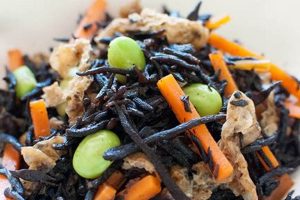
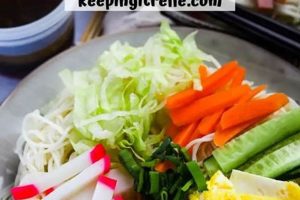
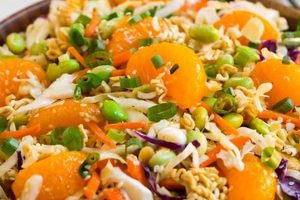
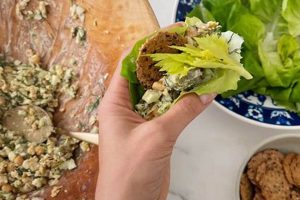
A dish featuring noodles as the primary ingredient, typically chilled, and coated in a sauce with sesame oil as a prominent flavor component. Variations often include vegetables like shredded carrots, cucumbers, and bell peppers, as well as protein elements such as grilled chicken, tofu, or edamame. A flavorful dressing featuring sesame oil, soy sauce, rice vinegar, and other ingredients creates a savory, umami-rich experience.
This type of dish offers a refreshing and flavorful meal, particularly suitable for warm weather. The blend of textures and tastes, from the soft noodles to the crisp vegetables and the nutty sesame dressing, provides a satisfying culinary experience. Its adaptable nature allows for a range of dietary accommodations, with vegan and gluten-free options readily achievable. Furthermore, the relatively quick preparation time makes it a convenient choice for busy individuals.
The following sections will delve into specific aspects of creating such a dish, including variations in noodle and vegetable choices, different dressing formulations, and tips for optimal preparation and presentation. Discussions on nutritional information and potential health benefits will also be included.
Tips for Crafting an Exceptional Sesame Noodle Salad
This section offers guidance on optimizing the preparation and presentation of sesame noodle salads, ensuring a delightful culinary experience.
Tip 1: Noodle Selection: Opt for noodles that hold their shape well when chilled, such as soba, udon, or ramen noodles. Avoid overcooking to prevent a mushy texture. Rinse cooked noodles under cold water to stop the cooking process and enhance their firmness.
Tip 2: Vegetable Variety: Incorporate a colorful array of vegetables to enhance both visual appeal and nutritional value. Consider shredded carrots, sliced cucumbers, bell peppers, snap peas, or edamame. Blanching certain vegetables can enhance their color and tenderness while maintaining a crisp texture.
Tip 3: Dressing Mastery: The dressing is crucial. Freshly grated ginger and minced garlic elevate the flavor profile. A balance of sweet, sour, salty, and savory elements is key. Adjust the proportions of soy sauce, rice vinegar, sesame oil, and sweetener to achieve the desired taste.
Tip 4: Protein Enhancement: Grilled chicken, tofu, shrimp, or edamame provide substantial protein. Marinate protein components before cooking to infuse them with complementary flavors.
Tip 5: Garnish Considerations: Toasted sesame seeds, chopped scallions, cilantro, or a sprinkle of chili flakes add visual appeal and subtle flavor nuances.
Tip 6: Timing is Key: Dress the salad just before serving to prevent the noodles from absorbing too much dressing and becoming soggy. If preparing components in advance, store them separately and combine shortly before consumption.
Tip 7: Balance and Harmony: Aim for a harmonious balance of flavors and textures. Consider the interplay between the soft noodles, crunchy vegetables, and savory dressing, along with the chosen protein and garnishes.
By following these tips, one can create a sesame noodle salad that is both visually appealing and flavorful. The combination of fresh ingredients, a well-balanced dressing, and attention to detail ensures a satisfying culinary experience.
This concludes the guide on preparing a superior sesame noodle salad. The next section will provide a selection of recipe variations to inspire culinary creativity.
1. Noodles (type and cooking)

Noodle selection and cooking method significantly influence the final quality of a sesame noodle salad. The type of noodle dictates texture, flavor absorption, and overall structural integrity of the dish. Different noodles offer unique characteristics affecting the salad’s harmony. For instance, soba noodles, made from buckwheat, possess a slightly nutty flavor and a firm, chewy texture that holds up well in the salad. Ramen noodles, typically made from wheat, offer a more neutral flavor and a springy texture. Udon noodles, also wheat-based, are thicker and chewier, providing a substantial mouthfeel. Choosing the right noodle type depends on the desired textural and flavor profile. Overcooking any noodle type results in a mushy, less appealing salad, while undercooking leads to a tough, unpleasant texture. Therefore, adhering to recommended cooking times and promptly cooling the noodles after cooking are crucial.
The cooking process itself impacts the noodles’ ability to absorb the sesame dressing. Properly cooked noodles offer a balanced interplay between retaining their structure and absorbing the dressing’s flavors, creating a harmonious blend. Overcooked noodles tend to absorb excessive dressing, leading to a soggy salad. Rinsing the noodles under cold water after cooking stops the cooking process, removes excess starch, and helps maintain a firm texture. This rinsing process also prevents the noodles from sticking together, ensuring they remain separate and evenly coated with the dressing. The choice between dried and fresh noodles also affects the cooking time and the final texture, with fresh noodles generally requiring less cooking time.
In conclusion, the selection and cooking of noodles are fundamental to a successful sesame noodle salad. Careful consideration of noodle type and meticulous attention to the cooking process ensure optimal texture, flavor absorption, and overall dish integrity. Understanding these factors allows for informed decisions that elevate the culinary experience, transforming a simple noodle salad into a delightful symphony of flavors and textures.
2. Sesame Dressing

Sesame dressing constitutes a defining element of a sesame noodle salad recipe, significantly influencing the overall flavor profile. The dressing’s importance stems from its ability to bind the ingredients, impart a characteristic savory taste, and contribute to the dish’s textural complexity. The interplay between the creamy texture of the dressing and the firm noodles, coupled with the crispness of the vegetables, creates a multi-sensory experience. A well-executed sesame dressing elevates the dish beyond a simple combination of ingredients, transforming it into a cohesive and flavorful culinary creation.
Several factors contribute to the efficacy of a sesame dressing. The quality and type of sesame oil influence the depth of flavor. Toasted sesame oil provides a richer, nuttier taste compared to its untoasted counterpart. The balance of acidity, often achieved through rice vinegar or lime juice, cuts through the richness of the sesame oil and adds brightness. Sweetness, commonly derived from honey, maple syrup, or sugar, balances the savory and acidic components. Soy sauce, or tamari for gluten-free versions, adds a salty, umami dimension. The interplay of these elements creates a complex flavor profile that complements the other ingredients in the salad. Variations incorporating ginger, garlic, chili flakes, or other aromatics further enhance the dressing’s complexity and offer opportunities for customization.
The practical significance of understanding the role of sesame dressing in a sesame noodle salad recipe lies in the ability to tailor the dressing to specific preferences and dietary needs. Adjustments to the proportions of ingredients allow for personalized flavor profiles, catering to individual tastes. Substituting ingredients, such as using agave nectar instead of honey for a vegan option, expands the dish’s accessibility. Mastering the art of sesame dressing preparation ensures a consistently flavorful and satisfying salad experience, highlighting the essential role of this component in the overall recipe’s success.
3. Vegetable Selection
Vegetable selection plays a crucial role in a sesame noodle salad recipe, contributing significantly to the nutritional value, textural diversity, and visual appeal. The choice of vegetables influences not only the flavor profile but also the overall balance and harmony of the dish. A thoughtful selection elevates the salad from a simple combination of ingredients to a vibrant and satisfying culinary experience.
- Textural Contrast
Vegetables introduce a range of textures that complement the softness of the noodles and the richness of the sesame dressing. Crisp vegetables, such as shredded carrots, sliced cucumbers, and bell peppers, provide a refreshing contrast to the other elements. Blanched or lightly steamed vegetables, like snap peas or broccoli florets, offer a slightly softer yet still perceptible texture. This interplay of textures enhances the overall sensory experience of the salad.
- Nutritional Enhancement
Incorporating a variety of colorful vegetables increases the nutritional content of the salad. Dark leafy greens, such as spinach or shredded kale, contribute vitamins and minerals. Bell peppers, carrots, and other brightly colored vegetables offer antioxidants and other beneficial compounds. The inclusion of vegetables transforms the dish into a more wholesome and nutritious meal option.
- Flavor Dynamics
Different vegetables contribute unique flavor profiles that interact with the sesame dressing and other ingredients. The peppery bite of radishes, the refreshing coolness of cucumbers, and the subtle sweetness of carrots create a complex and balanced flavor profile. The choice of vegetables allows for customization and adaptation of the salad to individual preferences.
- Visual Appeal
The vibrant colors of various vegetables enhance the visual appeal of the sesame noodle salad. A combination of red bell peppers, green cucumbers, orange carrots, and purple cabbage creates a visually stunning presentation. This visual element adds to the overall enjoyment and perceived value of the dish.
The strategic selection of vegetables ultimately determines the success of a sesame noodle salad recipe. By carefully considering textural contrasts, nutritional value, flavor dynamics, and visual appeal, one can create a balanced, flavorful, and visually appealing culinary creation that satisfies both the palate and the eye. The interplay of these factors elevates the dish beyond a simple salad, transforming it into a culinary masterpiece.
4. Protein Choices (Optional)
Protein inclusion, while optional, significantly impacts a sesame noodle salad recipe’s nutritional profile and overall culinary experience. Adding protein transforms the dish from a light side or appetizer into a more substantial and satisfying main course. This optional component contributes not only to satiety but also expands the range of flavors and textures within the salad. The choice of protein influences the overall balance and complexity of the dish, offering opportunities for customization and catering to individual dietary preferences.
Several protein options complement the sesame noodle salad’s flavor profile. Grilled chicken or tofu, marinated in complementary flavors, provide a savory and substantial element. Shrimp, either grilled or poached, introduces a delicate sweetness and a contrasting texture. Edamame offers a plant-based protein source with a fresh, slightly vegetal flavor and a pleasant firmness. The selected protein interacts with the sesame dressing and other ingredients, creating a synergistic interplay of flavors. For instance, the nutty notes of sesame oil can enhance the savory flavors of grilled chicken, while the sweetness of shrimp can balance the tanginess of the dressing. The careful selection of protein ensures a harmonious blend of flavors and textures, enriching the overall dining experience.
Understanding the role of protein in a sesame noodle salad recipe empowers informed choices regarding nutritional balance and flavor customization. Individuals seeking a higher protein intake can incorporate their preferred source, tailoring the dish to their dietary needs. The adaptability of the sesame noodle salad to various protein options enhances its versatility and appeal, allowing for a broader range of culinary interpretations. Whether aiming for a light yet satisfying lunch or a more substantial dinner, the thoughtful inclusion of protein elevates the sesame noodle salad from a simple side dish to a complete and fulfilling meal.
5. Flavor Balance
Flavor balance represents a critical aspect of a successful sesame noodle salad recipe. Achieving harmony among the diverse taste componentssweet, sour, salty, umami, and spicydistinguishes a well-composed salad from a disjointed collection of ingredients. A balanced flavor profile ensures each element complements the others, creating a cohesive and satisfying culinary experience. The following facets illustrate the importance of flavor balance within this specific culinary context.
- Sweet and Sour Dynamics
The interplay of sweet and sour elements establishes a foundational flavor dynamic in sesame noodle salads. The sweetness, often derived from honey, maple syrup, or brown sugar, tempers the acidity of the vinegar or citrus juice. This balance prevents excessive sharpness while accentuating the other flavor components. For instance, a touch of sweetness enhances the nutty notes of sesame oil and the savory depth of soy sauce. The precise ratio of sweet to sour components depends on individual preferences and the overall composition of the salad, but a harmonious balance is essential for a well-rounded flavor profile.
- Salty and Umami Depth
Saltiness and umami contribute depth and complexity to the salad’s flavor profile. Soy sauce, tamari, or fish sauce provide a savory foundation, enhancing the umami notes derived from ingredients like mushrooms, seaweed, or toasted sesame seeds. Saltiness also balances the sweetness and acidity, preventing the salad from tasting overly sweet or tart. Careful consideration of sodium levels is crucial, ensuring a balanced and palatable final product. The interplay of saltiness and umami creates a savory backbone that complements the other flavor dimensions.
- Spice as an Accent
Spice, often introduced through chili flakes, sriracha, or fresh chilies, acts as an optional yet impactful flavor enhancer. The level of spice should complement, not overpower, the other flavors. A judicious use of spice adds a layer of complexity and a pleasant warmth, stimulating the palate without masking the delicate balance of sweet, sour, salty, and umami notes. The choice of spice and its quantity should align with individual preferences and the desired level of heat.
- The Role of Fresh Aromatics
Fresh aromatics, such as ginger, garlic, and scallions, contribute a layer of freshness and complexity to the salad’s flavor profile. These ingredients enhance the overall aroma and provide subtle flavor nuances that elevate the dish beyond the core taste components. Freshly grated ginger adds a zesty brightness, while minced garlic contributes a pungent depth. Chopped scallions provide a mild onion flavor and a crisp texture. The strategic use of aromatics rounds out the flavor profile, creating a more nuanced and satisfying culinary experience.
Achieving flavor balance in a sesame noodle salad involves a careful orchestration of these distinct yet interconnected elements. The interplay of sweet, sour, salty, umami, and spice, complemented by the freshness of aromatics, creates a harmonious and multi-dimensional flavor profile. A well-balanced sesame noodle salad offers a complex and satisfying taste experience that highlights the synergistic potential of its individual components. This understanding of flavor dynamics empowers culinary exploration and customization, ensuring a consistently delightful and well-rounded dish.
6. Preparation Method
Preparation method significantly influences the final outcome of a sesame noodle salad recipe. A systematic approach ensures consistent results and maximizes the dish’s potential. Understanding the various stages of preparation, from ingredient handling to final assembly, allows for greater control over flavor, texture, and presentation. The following facets delineate the key components of an effective preparation method for sesame noodle salad.
- Ingredient Preparation
Proper ingredient preparation establishes a foundation for a successful sesame noodle salad. This stage encompasses tasks such as washing and chopping vegetables, cooking and cooling noodles according to package directions, and whisking together the sesame dressing components. Precise measurements and consistent knife skills ensure uniformity in flavor and texture. For example, uniformly slicing vegetables ensures even cooking and marinating in the dressing, while accurately measuring ingredients for the dressing guarantees a balanced flavor profile. Thorough ingredient preparation streamlines subsequent steps and contributes to the overall quality of the final dish.
- Noodle Handling
Noodle handling significantly affects the final texture of the salad. Rinsing cooked noodles under cold water stops the cooking process and removes excess starch, preventing a sticky or mushy texture. Gently tossing the noodles with a small amount of sesame oil prevents them from clumping together and enhances their individual coating with the dressing later. Proper noodle handling ensures distinct, well-coated noodles, contributing to a more pleasant eating experience.
- Dressing Incorporation
The method of incorporating the dressing impacts the salad’s overall flavor and texture. Adding the dressing gradually allows for adjustments to the flavor intensity and prevents over-dressing, which can lead to a soggy salad. Gently tossing the noodles and vegetables with the dressing ensures even distribution and optimal flavor infusion. Reserving a portion of the dressing for later application allows for a final flavor boost just before serving, maintaining the salad’s freshness and preventing the noodles from becoming overly saturated.
- Timing and Sequencing
Strategic timing and sequencing of steps optimize the freshness and prevent undesirable textural changes. Preparing the dressing and chopping vegetables in advance streamlines the final assembly process. Adding delicate ingredients, such as fresh herbs or toasted sesame seeds, just before serving preserves their flavor and texture. Understanding the optimal timing for each step prevents issues such as wilted vegetables or soggy noodles, ensuring a vibrant and appealing final product.
A well-defined preparation method ensures consistent quality and enhances the sensory experience of a sesame noodle salad. Each stage, from ingredient preparation to final assembly, contributes to the overall flavor, texture, and presentation. By understanding and implementing these facets, one can create a sesame noodle salad that consistently delivers a harmonious blend of flavors and textures, demonstrating the transformative power of a methodical approach to culinary creation.
7. Serving Suggestions
Serving suggestions enhance the overall dining experience associated with a sesame noodle salad recipe. Consideration of presentation, accompaniments, and timing elevates the dish beyond basic sustenance, transforming it into a more considered culinary experience. Serving suggestions provide a framework for maximizing the sensory and aesthetic appeal of the salad, influencing perception and enjoyment.
Presentation impacts the perceived value and appeal. A simple yet elegant arrangement, perhaps with a garnish of toasted sesame seeds, chopped scallions, or a sprinkle of chili flakes, enhances visual appeal. Serving the salad chilled optimizes the refreshing qualities of the dish, particularly in warmer weather. Using appropriate serving dishes, such as shallow bowls or platters, further contributes to the aesthetic presentation. Accompaniments can complement the salad’s flavor profile and provide a more complete meal. Grilled chicken or fish, alongside a simple miso soup, provides a balanced and flavorful meal option. Alternatively, serving the salad as a side dish with Asian-inspired entrees creates a cohesive and thematic culinary experience. Timing influences the perceived freshness and texture. Serving the salad immediately after preparation prevents the noodles from becoming soggy and the vegetables from wilting, ensuring optimal flavor and texture. If components are prepared in advance, combining them just before serving maintains the desired freshness and crispness.
Understanding the practical implications of serving suggestions enables a more comprehensive approach to recipe development and execution. Thoughtful consideration of presentation, accompaniments, and timing elevates the sesame noodle salad from a simple dish to a more complete and satisfying culinary creation. Effective serving suggestions optimize the sensory experience, enhancing both enjoyment and perceived value. This understanding allows for a more nuanced approach to recipe presentation and consumption, ultimately maximizing the culinary potential of the sesame noodle salad.
Frequently Asked Questions
This section addresses common inquiries regarding sesame noodle salad recipes, providing concise and informative responses to facilitate understanding and successful preparation.
Question 1: What type of noodles are best suited for sesame noodle salad?
Noodles that maintain their shape and texture when chilled are ideal. Soba, udon, or ramen noodles are recommended. Avoid overcooking to prevent a mushy texture.
Question 2: Can the dressing be made in advance?
The dressing can be prepared in advance and stored separately. However, it’s generally recommended to combine the dressing with the noodles and other ingredients just before serving to prevent the noodles from becoming soggy.
Question 3: How long can sesame noodle salad be stored?
Storage time depends on the specific ingredients. Generally, it can be refrigerated for up to 3 days. However, optimal flavor and texture are best enjoyed within 24 hours of preparation. Store the noodles and dressing separately if making ahead.
Question 4: Can sesame oil be substituted with another oil?
While sesame oil provides the characteristic flavor profile, substitutions can be made in cases of allergies or dietary restrictions. Neutral oils, such as grapeseed or avocado oil, can be used, but the flavor profile will be altered. Consider adding toasted sesame seeds to partially compensate for the lost flavor.
Question 5: What are some suitable protein additions?
Grilled chicken, tofu, shrimp, or edamame are excellent protein additions. Marinate the protein before cooking to enhance its flavor and ensure compatibility with the sesame dressing.
Question 6: How can the recipe be adapted for gluten-free diets?
Use tamari or coconut aminos in place of soy sauce. Ensure the chosen noodles are gluten-free, such as rice noodles or gluten-free ramen. Carefully check all other ingredients for potential gluten content.
Addressing these common inquiries provides a foundation for successful preparation and enjoyment of sesame noodle salad. Understanding these key aspects allows for informed choices regarding ingredient selection, preparation methods, and storage, ultimately enhancing the culinary experience.
The next section will offer variations on the classic sesame noodle salad recipe, providing inspiration for culinary exploration and customization.
Conclusion
This exploration of sesame noodle salad recipes has provided a comprehensive overview of key elements contributing to a successful dish. Noodle selection and cooking methods, the crucial role of the sesame dressing, the importance of vegetable choices for texture and nutrition, the potential for protein additions, the significance of flavor balance, effective preparation methods, and thoughtful serving suggestions have been examined in detail. Each component contributes to the overall culinary experience, influencing flavor, texture, and presentation.
Culinary adaptability allows for customization based on individual preferences and dietary needs. The foundational principles outlined herein provide a framework for crafting a consistently satisfying and flavorful sesame noodle salad. Exploration of variations and continued refinement of technique will further enhance appreciation for this versatile and refreshing dish.