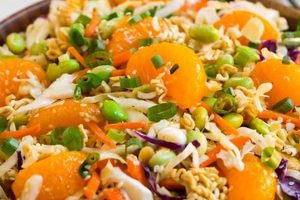
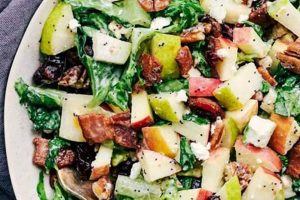
This dish typically combines shredded carrots with raisins and pineapple chunks, often bound with a creamy dressing, such as mayonnaise or yogurt based. Variations may include nuts, seeds, or other dried fruits, offering a blend of sweet and savory flavors with contrasting textures. A simple version might involve grated carrots, pineapple tidbits, raisins, and a mayonnaise dressing, while more complex recipes could incorporate spices like cinnamon or ginger, different citrus juices, and shredded coconut.
The combination of readily available ingredients makes this salad a convenient and economical dish. Carrots offer beta-carotene, a precursor to Vitamin A crucial for eye health. Pineapple contributes bromelain, an enzyme thought to aid digestion. Raisins provide fiber and antioxidants. The dish adds a refreshing element to meals, particularly alongside richer fare. Historically, similar combinations of fruits and vegetables with sweet dressings have been present in various cuisines for centuries, adapting to local ingredient availability and culinary traditions.
This overview provides a foundational understanding for exploring specific recipe variations, nutritional information, and potential health benefits in greater detail. It also sets the stage for discussions on customizing the dish to individual preferences and dietary needs, and comparing this salad to other similar culinary creations.
Tips for a Successful Carrot Salad
Optimizing ingredient preparation and balancing flavors are crucial for creating a delightful carrot salad experience. The following tips offer guidance for achieving optimal results.
Tip 1: Grate Carrots Uniformly: Uniformly grated carrots ensure even coating with the dressing and contribute to a pleasing texture. A box grater or food processor offers consistent results.
Tip 2: Adjust Sweetness: Pineapple’s sweetness varies. Taste the pineapple before adding it to the salad, and adjust the amount of added sugar or other sweeteners accordingly. A touch of honey or maple syrup can complement the existing flavors.
Tip 3: Plump the Raisins: Hydrating the raisins in warm water or juice for 10-15 minutes prior to adding them to the salad results in a plumper, more flavorful ingredient.
Tip 4: Dressing Considerations: A mayonnaise-based dressing offers a classic creamy texture. Greek yogurt provides a lighter, tangier alternative. Experiment with different flavor profiles by incorporating citrus zest, spices, or herbs into the dressing.
Tip 5: Chill for Enhanced Flavor: Allowing the salad to chill in the refrigerator for at least 30 minutes allows the flavors to meld and results in a more refreshing dish. This also allows the carrots to soften slightly.
Tip 6: Prevent Browning: To prevent the pineapple and apple (if used) from browning, toss them with a small amount of lemon or pineapple juice immediately after cutting.
Tip 7: Add Nuts and Seeds for Crunch: Incorporating chopped nuts, such as walnuts or pecans, or seeds like sunflower or pumpkin seeds adds a welcome textural element and enhances the nutritional value.
By following these tips, one can create a well-balanced and flavorful carrot salad. Attention to detail, from ingredient selection to chilling time, contributes significantly to the overall enjoyment of the dish.
These practical tips offer a pathway to crafting a consistently delicious and visually appealing carrot salad, suitable for various occasions.
1. Ingredients

Ingredient selection significantly impacts the flavor profile, texture, and nutritional value of a carrot salad with raisins and pineapple. Careful consideration of each component contributes to a well-balanced and enjoyable dish.
- Carrots:
Carrots provide the foundational element. Fresh, firm carrots with a vibrant orange color are ideal. Grating them exposes more surface area, allowing for better absorption of the dressing and contributing to a pleasant texture. The sweetness of carrots complements the other ingredients.
- Raisins:
Raisins introduce a concentrated sweetness and chewy texture. Golden or dark raisins offer distinct flavor profiles. Plumping them in warm water or juice before adding them to the salad enhances their texture and flavor.
- Pineapple:
Pineapple provides a tropical sweetness and a juicy texture. Fresh or canned pineapple can be used, though fresh pineapple generally offers a brighter flavor. The acidity of pineapple balances the sweetness of the other components.
- Dressing:
The dressing binds the ingredients and contributes significantly to the overall flavor. Traditional options include mayonnaise-based dressings, often incorporating yogurt or sour cream for a lighter texture and tangy flavor. Variations can include honey, spices, or citrus zest.
The interplay of these core ingredients, along with potential additions like nuts or seeds, determines the final character of the salad. The quality and preparation of each ingredient directly influence the overall sensory experience.
2. Preparation
Preparation significantly influences the final quality and enjoyment of carrot salad with raisins and pineapple. Each step, from ingredient handling to combining components, contributes to the overall sensory experience. Careful preparation maximizes flavor development and ensures optimal texture.
Grating carrots exposes a greater surface area, promoting absorption of the dressing and contributing to a pleasant, consistent texture. Uniform shredding prevents uneven flavor distribution and ensures an aesthetically pleasing presentation. Similarly, plumping raisins by soaking them in liquid prior to incorporation enhances their sweetness and juiciness, contrasting with the crispness of the carrots. Fresh pineapple, if used, should be carefully cored and cut into uniform pieces to facilitate even mixing and prevent large, unwieldy chunks. If canned pineapple is chosen, excess liquid should be drained to avoid a watery salad. The dressing should be thoroughly combined to ensure a smooth, emulsified consistency, distributing flavors evenly throughout the salad.
Neglecting proper preparation can lead to several undesirable outcomes. Coarsely grated or unevenly chopped carrots can result in a less appealing texture and inconsistent flavor distribution. Unplumped raisins may be dry and hard. Failure to drain canned pineapple adequately can create a watery salad that dilutes the dressing’s flavor. Inadequate mixing of the dressing can lead to pockets of unincorporated ingredients and an uneven flavor profile. Therefore, meticulous preparation is essential for creating a balanced and enjoyable carrot salad with raisins and pineapple.
3. Flavor Balance

Flavor balance is paramount in a successful carrot salad with raisins and pineapple. The inherent sweetness of carrots, raisins, and pineapple requires careful management to prevent overwhelming sugary notes. This balance is achieved through considered ingredient proportions and the strategic introduction of contrasting flavors. The tangy acidity of pineapple, for example, provides a crucial counterpoint to the sweetness of the other components. A dressing, often mayonnaise-based, offers a creamy richness and a subtle tang that further complements the sweetness. Additional ingredients, such as citrus zest or a touch of ginger, can amplify complexity and prevent the salad from becoming overly sweet. Without this considered approach, the salad risks being one-dimensional and cloying.
Real-world examples illustrate this principle. A salad with an overabundance of pineapple may taste excessively sweet and lack depth. Conversely, insufficient pineapple may result in a bland dish where the carrots earthy notes dominate. Similarly, an excess of raisins can create an overly chewy texture and concentrated sweetness, while too few might leave the salad lacking a key element of sweetness and textural contrast. The dressing also plays a vital role. A dressing that is too sweet can exacerbate the overall sweetness of the salad, while a bland dressing may fail to provide the necessary counterpoint. Therefore, careful calibration of ingredients and the judicious use of contrasting flavors are crucial for achieving a harmonious flavor profile.
Understanding the interplay of sweet, tangy, and creamy elements is essential for anyone preparing this salad. Achieving a balanced flavor profile ensures a more satisfying and enjoyable culinary experience. It allows the individual flavors of the carrots, raisins, and pineapple to shine while creating a cohesive and harmonious whole. This principle of balance extends beyond this specific salad and applies to a broader range of culinary creations where balancing contrasting flavors is essential for achieving optimal taste and enjoyment.
4. Texture Contrast
Texture contrast contributes significantly to the sensory appeal of a carrot salad with raisins and pineapple. The interplay of various textures creates a more dynamic and engaging eating experience. This contrast arises from the diverse physical properties of the ingredients, ranging from the crispness of raw carrots to the chewiness of raisins and the succulence of pineapple. Understanding these textural elements allows for a deeper appreciation of the dish’s complexity.
- Carrot Texture:
Typically grated or shredded, carrots provide a foundation of crispness. This textural element offers a refreshing counterpoint to other softer ingredients. The degree of grating influences the perceived texture; finely grated carrots offer a softer feel, while coarsely grated carrots provide more pronounced crispness. This textural element is crucial for preventing the salad from becoming overly soft or mushy.
- Raisin Texture:
Raisins contribute a chewy texture that contrasts with the crisp carrots. Plumping raisins before adding them to the salad enhances their chewiness and juiciness. This textural element adds a pleasant counterpoint to the otherwise potentially monotonous texture of grated carrots and pineapple chunks.
- Pineapple Texture:
Pineapple offers a juicy and slightly fibrous texture. The succulent nature of pineapple provides a textural bridge between the crisp carrots and chewy raisins. It contributes moisture and a burst of flavor that complements the other ingredients. The texture of pineapple can vary based on its ripeness and how it is prepared (fresh or canned).
- Dressing Influence:
The dressing, while primarily contributing to flavor, also influences the overall texture. A creamy dressing, typically mayonnaise-based, coats the ingredients and binds them together, adding a smooth element to the salad. The dressing can also soften the carrots slightly over time, further enhancing the textural interplay. The viscosity of the dressing plays a role in the perceived texture of the overall dish.
The interplay of these varying textures creates a multi-dimensional sensory experience. The contrast between crisp, chewy, and juicy elements elevates the simple carrot salad to a more complex and enjoyable dish. This careful consideration of texture, along with the balance of flavors, is crucial for creating a truly satisfying culinary experience.
5. Nutritional Benefits

This salad offers a combination of vitamins, minerals, and dietary fiber. Carrots, rich in beta-carotene, contribute to eye health and immune function. Beta-carotene, a precursor to Vitamin A, is crucial for maintaining good vision and supporting a healthy immune system. Raisins provide iron and potassium, essential minerals for red blood cell production and maintaining fluid balance. Pineapple, a source of Vitamin C and bromelain, supports immune function and may aid digestion. Bromelain, an enzyme found in pineapple, is believed to assist in breaking down proteins, potentially aiding the digestive process. The fiber content in carrots and raisins promotes digestive health and can contribute to feelings of fullness. This combination of nutrients makes the salad a healthy addition to a balanced diet.
Quantifying these benefits illustrates their practical significance. One serving of this salad can provide a substantial portion of the recommended daily intake of Vitamin A, contributing to long-term eye health. The fiber content can assist in regulating blood sugar levels and promoting healthy bowel movements. While the salad offers nutritional value, it is important to consider overall calorie intake and individual dietary needs. Consuming excessive amounts, particularly due to added sugars or high-fat dressings, could negate some of the health benefits. Balancing portion sizes with other dietary components ensures the nutritional benefits contribute positively to overall health.
Understanding the nutritional composition of this salad empowers individuals to make informed dietary choices. Recognizing the contributions of each ingredient provides a foundation for incorporating this dish into a health-conscious eating plan. While the salad offers notable nutritional benefits, it’s essential to consider the broader context of a balanced diet and lifestyle. Consulting nutritional guidelines and healthcare professionals provides personalized guidance for maximizing health outcomes. Awareness of potential interactions with existing health conditions or medications is also crucial. This nuanced approach ensures the salad contributes positively to overall well-being.
6. Serving Suggestions

Serving suggestions enhance the versatility of carrot salad with raisins and pineapple, transforming it from a simple side dish to a key component of various meals. Consideration of complementary flavors and textures elevates the dining experience. These suggestions provide a framework for incorporating the salad into diverse culinary contexts.
- As a Side Dish:
The salad’s refreshing sweetness and contrasting textures make it an ideal accompaniment to grilled meats, roasted poultry, or fish. The lightness of the salad balances richer main courses, providing a refreshing counterpoint. For example, serving the salad alongside grilled chicken or barbecued ribs offers a contrasting flavor profile and textural element. The salad’s sweetness complements savory dishes, creating a balanced meal.
- Within a Larger Salad:
Incorporating the carrot salad into a larger, mixed green salad adds a burst of flavor and texture. The sweetness and crunch of the carrots, raisins, and pineapple complement the bitterness of greens like spinach or kale. This approach provides a more complex and substantial salad experience. For instance, adding a scoop of carrot salad to a bed of mixed greens with a vinaigrette dressing creates a layered and flavorful salad.
- As a Sandwich Filling:
The salad’s textural complexity and sweet-savory balance make it a unique sandwich filling. It can be incorporated into wraps, sandwiches, or paninis. The moisture from the pineapple and dressing prevents dryness, while the carrots and raisins provide satisfying chewiness. Combining the salad with deli meats, cheeses, or roasted vegetables creates a substantial and flavorful sandwich option.
- Part of a Buffet or Potluck:
The salad’s vibrant color and refreshing flavor profile make it an appealing addition to buffets or potlucks. Its make-ahead nature and ease of transport contribute to its convenience in these settings. The salad can be presented alongside other salads, appetizers, or main courses, offering guests a diverse selection. Its versatility makes it suitable for various culinary themes and occasions.
These serving suggestions demonstrate the adaptability of carrot salad with raisins and pineapple. Understanding these various applications expands culinary possibilities, transforming the salad from a simple side to a versatile component of a range of dishes. Considering complementary flavors and textures when incorporating these suggestions ensures the salad enhances the overall dining experience. It also provides opportunities for creative culinary exploration, adapting the salad to individual preferences and dietary needs.
Frequently Asked Questions
This section addresses common inquiries regarding carrot salad with raisins and pineapple, offering concise and informative responses.
Question 1: How long can this salad be stored in the refrigerator?
Properly stored in an airtight container, the salad typically remains fresh for 3-5 days in the refrigerator. However, quality may degrade over time. Visual inspection and assessment of aroma are recommended before consumption.
Question 2: Can alternative sweeteners be used?
Honey or maple syrup offer viable alternatives to granulated sugar, potentially adding nuanced flavors. Adjusting quantities based on the sweetness of the pineapple and personal preference is advisable.
Question 3: What can be substituted for raisins?
Other dried fruits, such as cranberries, currants, or chopped dates, can substitute for raisins, each offering distinct flavor profiles and textures.
Question 4: Can this salad be frozen?
Freezing is not generally recommended. Thawing can significantly alter the texture of the ingredients, particularly the carrots and pineapple, resulting in a less appealing consistency.
Question 5: How can one reduce the overall sweetness?
Reducing the amount of pineapple, incorporating less sweet raisin varieties, and opting for a less sweet dressing can help manage overall sweetness. A squeeze of lemon or lime juice can also balance the sweetness.
Question 6: Can nuts be added to this salad?
Chopped nuts, such as walnuts, pecans, or almonds, complement the salad’s flavors and textures. Toasted nuts enhance their flavor profile. Incorporating nuts also increases the nutritional value of the dish.
Addressing these common questions provides clarity regarding preparation, storage, and customization. Understanding these aspects allows for greater flexibility and successful integration of this dish into diverse dietary preferences.
This FAQ section offers practical guidance for navigating common concerns. Further exploration of specific recipe variations and nutritional information can provide additional insights.
Carrot Salad Recipe with Raisins and Pineapple
Exploration of this dish reveals a straightforward preparation process yielding a nutritionally valuable and flavorful salad. Key elements include balancing the sweetness of pineapple and raisins with the earthy notes of carrots, achieving textural contrast through ingredient selection and preparation techniques, and understanding the nutritional contributions of each component. Proper storage and potential recipe variations further enhance the dish’s adaptability to individual preferences and dietary needs. From ingredient selection to serving suggestions, attention to detail elevates this simple combination to a satisfying culinary experience.
The enduring appeal of this salad lies in its adaptability and nutritional value. Continued exploration of flavor profiles and ingredient combinations offers potential for further culinary innovation. Emphasis on fresh, high-quality ingredients and mindful preparation ensures a consistently enjoyable and healthful dish, contributing positively to a balanced diet.