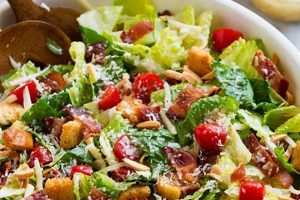
A dish featuring cooked salmon as the primary ingredient combined with various complementary ingredients, often including vegetables, herbs, and a dressing. A simple example could involve flaked salmon, chopped celery, red onion, and a mayonnaise-based dressing. Variations are numerous, encompassing diverse flavor profiles and culinary traditions.
Such dishes offer a nutritious and flavorful meal option. Salmon provides high-quality protein and omega-3 fatty acids, contributing to heart health and overall well-being. The inclusion of fresh produce adds vitamins, minerals, and fiber. Historically, fish salads have been a practical way to utilize leftover cooked fish, evolving into versatile culinary creations appreciated for their refreshing taste and ease of preparation.
This discussion will explore various aspects of preparing these dishes, including selecting the appropriate type of salmon, crafting complementary flavor combinations, and achieving optimal texture and presentation.
Tips for Crafting Exceptional Salmon Salads
Achieving a delectable salmon salad requires attention to detail and an understanding of key elements that contribute to flavor, texture, and presentation. These tips offer guidance for creating a superior culinary experience.
Tip 1: Salmon Selection: Opting for high-quality, sushi-grade salmon ensures optimal flavor and texture. Fresh or previously frozen salmon can be utilized; however, ensure proper thawing if using frozen fish. Canned salmon offers a convenient alternative, but attention should be paid to draining excess liquid and selecting varieties packed in water or olive oil rather than heavy sauces.
Tip 2: Flaking Technique: Avoid over-processing the salmon. Over-flaking can result in a mushy texture. Gently break the cooked salmon into bite-sized pieces to maintain a pleasant mouthfeel.
Tip 3: Complementary Ingredients: A variety of fresh vegetables, herbs, and spices can enhance the flavor profile. Consider incorporating ingredients such as finely diced celery, red onion, cucumber, bell peppers, fresh dill, parsley, or chives.
Tip 4: Dressing Selection: The dressing serves as a unifying element, binding the ingredients and contributing to the overall flavor. Classic choices include mayonnaise-based dressings, vinaigrettes, or yogurt-based sauces. Consider the flavor profile of the chosen ingredients when selecting a dressing. A light vinaigrette complements delicate flavors, while a richer mayonnaise-based dressing can balance bolder ingredients.
Tip 5: Seasoning: Enhance the natural flavors of the salmon and other ingredients with appropriate seasonings. Freshly ground black pepper, sea salt, lemon zest, or a touch of Dijon mustard can elevate the taste.
Tip 6: Chill Time: Allowing the salad to chill for at least 30 minutes before serving allows the flavors to meld and enhances the overall dining experience.
Tip 7: Presentation: Thoughtful presentation elevates the dining experience. Serve the salad on a bed of lettuce, in a scooped-out avocado, or as a sandwich filling on crusty bread or croissants.
By adhering to these guidelines, one can create a salmon salad that is not only nutritious but also a true culinary delight, showcasing the versatility and exquisite flavor of this remarkable fish.
The following section will provide specific recipe examples incorporating these principles, offering further inspiration and guidance.
1. High-quality salmon

The foundation of an exceptional salmon salad lies in the selection of high-quality salmon. This choice directly impacts the flavor, texture, and overall culinary experience. Understanding the characteristics of superior salmon is crucial for crafting a truly satisfying dish.
- Freshness Indicators:
Fresh salmon exhibits vibrant color, a firm texture, and a clean, slightly oceanic aroma. Avoid fish with dull or discolored flesh, a slimy texture, or a strong fishy odor. These indicators suggest suboptimal quality, potentially affecting the final dish’s taste and safety. Freshness is paramount in achieving a bright, flavorful salad.
- Sourcing and Sustainability:
Responsibly sourced salmon, whether wild-caught or farm-raised, contributes to both environmental sustainability and superior quality. Wild-caught salmon often boasts a richer flavor profile due to its natural diet, while responsibly farmed salmon can offer a consistent texture and milder taste. Considering the source contributes not only to a delicious salad but also to responsible consumption practices.
- Fat Content and Flavor:
The fat content of salmon significantly influences its flavor and texture. Higher fat content, often found in wild-caught salmon, contributes to a richer, more luxurious mouthfeel and a more intense flavor. Leaner salmon offers a milder taste and a firmer texture. Choosing the appropriate fat content depends on individual preferences and the desired flavor profile of the salad.
- Proper Handling and Storage:
Maintaining the quality of salmon requires careful handling and storage. Keeping the fish chilled at or below 40F (4C) until preparation is essential. Proper thawing techniques, such as slow thawing in the refrigerator, further preserve quality. Careful handling minimizes bacterial growth and maintains the integrity of the fish, ensuring a safe and flavorful salad.
Prioritizing high-quality salmon elevates the salmon salad from a simple dish to a culinary experience. By understanding these facets of salmon selection, one can ensure a delicious, nutritious, and satisfying meal. The quality of the core ingredient directly translates to the overall enjoyment of the final product.
2. Fresh Ingredients

The success of a salmon salad hinges significantly on the freshness of its ingredients. Fresh components contribute not only to superior flavor and texture but also to the overall nutritional value and aesthetic appeal of the dish. A reliance on fresh, high-quality ingredients elevates the salmon salad from a simple meal to a vibrant culinary experience. The delicate flavor of salmon is best complemented by ingredients at their peak freshness.
Consider the impact of fresh produce on a salmon salad. Crisp cucumbers, vibrant bell peppers, and piquant red onions provide textural contrast and a refreshing counterpoint to the richness of the salmon. Fresh herbs, such as dill, parsley, and chives, impart aromatic complexity and enhance the overall flavor profile. Conversely, wilted or decaying produce can introduce off-flavors and detract from the sensory experience. The use of fresh, high-quality ingredients directly correlates with the overall enjoyment and nutritional benefit of the dish. For instance, a salad featuring freshly squeezed lemon juice offers a brighter, more vibrant acidity compared to one using bottled lemon juice. Similarly, freshly ground black pepper provides a more pronounced aromatic dimension than pre-ground pepper.
Prioritizing fresh ingredients offers several practical advantages. Fresh produce retains optimal levels of vitamins and minerals, contributing to the nutritional value of the salad. The vibrant colors and crisp textures of fresh ingredients enhance the visual appeal of the dish, making it more appetizing. Moreover, utilizing fresh, seasonal produce often results in a more flavorful and cost-effective outcome. Challenges can arise in sourcing consistently fresh, high-quality ingredients, particularly out of season. Careful planning, proper storage, and an understanding of seasonal availability can mitigate these challenges. Ultimately, the emphasis on fresh ingredients underscores a commitment to quality and enhances the culinary experience, resulting in a more flavorful, nutritious, and aesthetically pleasing salmon salad.
3. Balanced Flavors

Balance constitutes a crucial element within a successful salmon salad recipe. The inherent richness of salmon necessitates careful consideration of complementary flavors to prevent overwhelming the palate. A harmonious blend of contrasting tastes and textures elevates the dish from merely palatable to genuinely enjoyable. This balance is achieved through the strategic interplay of acidity, saltiness, sweetness, and umami, alongside textural variations. Acidity, often introduced through citrus juice or vinegar, cuts through the richness of the salmon, providing a refreshing counterpoint. A touch of sweetness, perhaps from finely diced apple or a drizzle of honey, can further enhance the flavor profile, creating a more complex and nuanced taste experience. The judicious use of salt enhances the natural flavors of the ingredients without overpowering the delicate taste of the salmon. Umami, a savory, brothy flavor, can be introduced through ingredients such as capers, soy sauce, or Worcestershire sauce, adding depth and complexity.
Consider a classic salmon salad recipe featuring flaked salmon, mayonnaise, celery, and red onion. The richness of the salmon and mayonnaise is balanced by the crisp, slightly bitter celery and the sharp bite of red onion. A squeeze of lemon juice provides acidity, further brightening the flavor profile. Without these contrasting elements, the salad could become overly rich and monotonous. Another example involves incorporating ingredients like chopped cucumber and fresh dill. The cucumber adds a refreshing coolness and subtle sweetness, while the dill contributes an herbaceous, slightly anise-like flavor that complements the salmon beautifully. This interplay of flavors creates a multi-dimensional taste experience that is both satisfying and refreshing.
Achieving balanced flavors requires a nuanced understanding of ingredient interactions and the ability to adjust proportions based on individual preferences and the specific ingredients used. Over-reliance on any single flavor component can disrupt the balance and detract from the overall enjoyment of the dish. A successful salmon salad recipe balances richness with acidity, sweetness with saltiness, and incorporates textural variations to create a harmonious and satisfying culinary experience. Mastering this balance allows for creative exploration and customization, resulting in a dish that is both delicious and personalized.
4. Proper Texture

Texture plays a vital role in the overall enjoyment of a salmon salad. The ideal texture offers a pleasant contrast between the flaky tenderness of the salmon and the crispness of accompanying vegetables. This textural diversity prevents the salad from becoming monotonous and enhances the sensory experience. A mushy or overly processed salmon detracts from the enjoyment, while vegetables that are too soft or too crunchy can disrupt the intended balance.
Several factors contribute to achieving optimal texture in a salmon salad. The method of salmon preparation is crucial. Overcooking or over-processing the salmon results in a dry, crumbly texture, while undercooking can lead to a mushy consistency. Gentle flaking of the cooked salmon preserves its delicate texture and prevents it from becoming overly processed. The choice of vegetables and their preparation also significantly impact the final texture. Crisp vegetables like celery, cucumber, and bell peppers provide a refreshing contrast to the soft salmon. These vegetables should be chopped into bite-sized pieces to ensure a pleasant mouthfeel. Overly large or small pieces can disrupt the textural harmony. The inclusion of crunchy elements, such as toasted nuts or croutons, can further enhance the textural complexity of the salad.
Consider the difference between a salmon salad made with perfectly flaked, moist salmon and one made with over-processed, dry salmon. The former offers a delightful contrast between the tender salmon and the crisp vegetables, creating a satisfying and enjoyable culinary experience. The latter, however, presents a dry, unappetizing texture that detracts significantly from the overall enjoyment. Similarly, the choice of vegetables and their preparation impacts the final result. A salad with crisp, refreshing vegetables offers a more satisfying textural experience than one with wilted or soggy vegetables. Understanding the importance of texture in a salmon salad allows for careful selection and preparation of ingredients, resulting in a dish that is not only flavorful but also texturally appealing.
5. Appealing Presentation

Presentation significantly influences the perceived quality and enjoyment of a salmon salad. While flavor and texture remain paramount, visual appeal enhances the dining experience, stimulating appetite and creating a sense of anticipation. A thoughtfully presented salad elevates the dish from a simple meal to a more refined culinary creation.
- Plating Techniques:
Strategic plating techniques transform a simple salmon salad into a visually appealing dish. Utilizing appropriate serving vessels, such as a bed of lettuce, a scooped-out avocado half, or a crusty bread bowl, enhances the presentation. Consider the color and texture of the chosen vessel in relation to the salad components. A white plate provides a neutral backdrop that allows the vibrant colors of the salad to stand out, while a darker plate offers a more dramatic contrast.
- Garnishes:
Well-chosen garnishes add visual interest and enhance the flavor profile of the salad. Fresh herbs, such as dill, parsley, or chives, provide a pop of color and a burst of fresh flavor. Lemon wedges or slices of cucumber offer a refreshing visual element and complement the flavors of the salmon. A sprinkle of paprika or a drizzle of olive oil can further enhance the visual appeal and add subtle nuances of flavor.
- Color and Contrast:
The interplay of colors and textures within the salad contributes significantly to its visual appeal. The pink hue of the salmon contrasts beautifully with the vibrant green of fresh herbs, the crisp white of celery, and the deep red of onion. This visual diversity creates a more engaging and appetizing presentation. Consider the color palette of the chosen ingredients and how they complement each other to create a visually harmonious dish.
- Portion Size and Arrangement:
Appropriate portion size and careful arrangement of the salad components contribute to a more balanced and aesthetically pleasing presentation. Avoid overcrowding the plate, allowing each element to stand out. Consider the height and volume of the salad, creating a visually appealing composition. A neatly arranged salad conveys a sense of care and attention to detail, enhancing the overall dining experience.
The presentation of a salmon salad directly impacts its perceived value and enjoyment. A thoughtfully presented salad enhances the dining experience, making it more visually appealing and stimulating the appetite. By considering these elements of presentation, one can elevate a simple salmon salad into a more refined and enjoyable culinary creation. This attention to detail transforms a basic meal into a more sophisticated and satisfying experience.
6. Nutritional Value

Nutritional value represents a significant aspect of salmon salad recipes, distinguishing them from other salad options. Salmon, a fatty fish, contributes essential nutrients often lacking in typical diets. Understanding these nutritional components provides a foundation for appreciating the health benefits associated with consuming salmon salad.
- Omega-3 Fatty Acids
Salmon stands out as a rich source of omega-3 fatty acids, namely EPA and DHA. These long-chain polyunsaturated fats demonstrate numerous health benefits, including reducing blood pressure, decreasing triglyceride levels, and minimizing the risk of heart disease. Regular intake of omega-3s contributes to improved cardiovascular health, a key factor in overall well-being. A typical salmon salad portion can provide a substantial amount of the recommended daily intake of these essential fatty acids.
- High-Quality Protein
Salmon offers a complete protein source, containing all nine essential amino acids required for bodily functions such as tissue repair, enzyme production, and hormone regulation. Protein contributes significantly to satiety, promoting feelings of fullness and potentially aiding in weight management. The protein content in salmon salad makes it a satisfying and nutritionally dense meal option.
- Vitamins and Minerals
Salmon provides essential vitamins and minerals, including vitamin D, vitamin B12, selenium, and potassium. Vitamin D plays a crucial role in calcium absorption and bone health. Vitamin B12 is essential for nerve function and red blood cell production. Selenium acts as an antioxidant, protecting cells from damage. Potassium contributes to maintaining healthy blood pressure. The presence of these micronutrients further enhances the nutritional value of salmon salad.
- Impact of Additional Ingredients
The nutritional profile of a salmon salad is further influenced by the inclusion of other ingredients. Vegetables such as leafy greens, cucumbers, tomatoes, and onions contribute vitamins, minerals, and fiber, enhancing the overall nutritional density and promoting digestive health. The choice of dressing also impacts the nutritional composition. Opting for lighter dressings, such as vinaigrettes or yogurt-based sauces, over heavier mayonnaise-based dressings can minimize added calories and unhealthy fats.
The nutritional value of salmon salad establishes it as a healthy and flavorful meal choice. The combination of omega-3 fatty acids, high-quality protein, essential vitamins and minerals, and the potential for incorporating nutrient-rich vegetables contributes to a balanced and nutritious dietary option. By understanding these nutritional components, individuals can make informed choices about incorporating salmon salad into a healthy eating pattern. This nutritional profile makes salmon salad a valuable addition to a balanced and health-conscious diet.
Frequently Asked Questions
This section addresses common inquiries regarding the preparation and enjoyment of salmon salads, offering practical guidance and clarifying potential uncertainties.
Question 1: What type of salmon is best suited for salmon salad?
While various salmon types can be utilized, sockeye, king, and coho salmon are often preferred for their robust flavor and firm texture, which hold up well when flaked. Canned salmon offers a convenient alternative, but ensure it’s packed in water or olive oil rather than heavy sauces.
Question 2: How can one prevent a dry salmon salad?
Preventing dryness involves careful attention to the cooking process. Avoid overcooking the salmon, as this leads to a dry, crumbly texture. Aim for a moist, flaky consistency. Additionally, incorporating a sufficient amount of dressing helps maintain moisture and bind the ingredients together.
Question 3: What are suitable alternatives to mayonnaise-based dressings?
Lighter alternatives include Greek yogurt, plain yogurt mixed with herbs and spices, or a simple vinaigrette made with olive oil, lemon juice, and seasonings. These options reduce overall fat content while contributing flavor and moisture.
Question 4: How long can salmon salad be stored safely?
Properly stored in an airtight container in the refrigerator, salmon salad typically remains safe for consumption for up to three to four days. However, it’s crucial to monitor for any signs of spoilage, such as off-odors or changes in texture.
Question 5: Can salmon salad be frozen?
While freezing is possible, it’s generally not recommended, as it can negatively impact the texture of the salmon and other ingredients, resulting in a watery or mushy consistency upon thawing. It’s best to prepare and consume salmon salad within a few days for optimal quality.
Question 6: How can one elevate the nutritional value of salmon salad?
Boosting nutritional value can be achieved by incorporating nutrient-rich ingredients. Adding chopped vegetables like bell peppers, cucumbers, or spinach increases vitamin and mineral content. Furthermore, using whole-grain bread or crackers for serving enhances fiber intake.
Addressing these common inquiries provides a clearer understanding of preparing and enjoying salmon salad. Attention to detail and ingredient selection contribute significantly to a satisfying culinary outcome.
The following section explores variations on classic salmon salad recipes, providing inspiration for culinary exploration.
Conclusion
Exploration of the elements contributing to a successful salmon salad recipe reveals the importance of ingredient quality, flavor balance, textural considerations, and presentational aspects. High-quality salmon, fresh produce, and a balanced dressing form the foundation of a delectable and nutritious dish. Careful attention to texture, achieved through proper cooking techniques and ingredient selection, enhances the sensory experience. Thoughtful presentation elevates the perceived quality and enjoyment. Nutritional considerations, particularly the contribution of omega-3 fatty acids and protein, further distinguish salmon salad as a healthful meal option.
Culinary exploration within the realm of salmon salad recipes offers a canvas for creativity and personalized taste preferences. Adaptability to dietary needs and ingredient availability ensures accessibility and continued enjoyment. The versatility of salmon salad positions it as a valuable component within a balanced and health-conscious dietary approach.