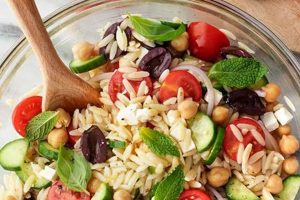
This vibrant, herb-packed dish features finely chopped parsley, mint, bulgur, tomatoes, and onions, dressed with a simple lemon-olive oil vinaigrette. A classic example showcases the refreshing flavors of the Mediterranean diet with its balanced combination of fresh ingredients and zesty dressing.
As a cornerstone of Lebanese cuisine, this parsley-based salad offers significant nutritional value. Rich in vitamins, minerals, and antioxidants, it contributes to a healthy diet. Historically, its roots can be traced back centuries, showcasing the enduring appeal of this simple yet flavorful dish, often enjoyed as part of a mezze platter.
This exploration will delve into variations of this refreshing salad, including ingredient selection, preparation techniques, and serving suggestions, offering a comprehensive understanding of its culinary significance.
Tips for Exceptional Tabbouleh
Achieving truly exceptional tabbouleh relies on attention to detail and an understanding of the balance between its components. These tips offer guidance for creating a vibrant and flavorful salad.
Tip 1: Fine Chopping is Crucial: The texture of tabbouleh hinges on finely chopping the parsley and mint. This releases their aromatic oils and ensures a pleasant mouthfeel. Avoid using a food processor, as it can bruise the herbs.
Tip 2: Bulgur, Not Couscous: While sometimes mistaken for couscous, fine bulgur wheat is the traditional grain used. Soaking it properly, rather than cooking, retains its light and fluffy texture.
Tip 3: Quality Olive Oil Matters: Given the simplicity of the dressing, the olive oil’s quality significantly impacts the final flavor. Opt for a good quality extra virgin olive oil.
Tip 4: Freshly Squeezed Lemon Juice: Bottled lemon juice lacks the vibrant acidity of fresh lemons. Always use freshly squeezed juice for the brightest, most authentic flavor.
Tip 5: Seasoning Balance: The balance of lemon juice and salt is key. Taste and adjust the seasoning as needed, allowing the flavors to meld before serving.
Tip 6: Resting Period: Allowing the tabbouleh to rest for at least 30 minutes after preparation enables the bulgur to absorb the flavors of the dressing and the herbs to soften slightly.
Tip 7: Serving Suggestions: Tabbouleh can be served as part of a mezze platter or as a standalone salad. It pairs well with grilled meats, falafel, and hummus.
By following these tips, one can create a tabbouleh that truly showcases the vibrant flavors of this classic Lebanese salad, offering a refreshing and healthy culinary experience.
The following section will explore variations and adaptations of tabbouleh, demonstrating its versatility and enduring appeal in modern cuisine.
1. Fresh Herbs

Fresh herbs are essential to authentic tabbouleh, contributing significantly to its vibrant flavor and nutritional value. Parsley, specifically flat-leaf parsley, forms the base of the salad, providing a bright, herbaceous taste and a refreshing aroma. Mint, a secondary herb, complements the parsley with its cool, slightly sweet notes. The generous use of these herbs distinguishes tabbouleh from other grain-based salads. The quality and freshness of the herbs directly impact the overall flavor profile. Using dried herbs results in a significantly different, less vibrant dish.
The emphasis on fresh herbs reflects the broader culinary traditions of the Levant, where fresh, locally sourced ingredients are prioritized. The combination of parsley and mint provides not only flavor but also notable health benefits. Parsley is rich in vitamins K and C, while mint aids digestion. Historically, these readily available herbs contributed to the dish’s accessibility, establishing tabbouleh as a dietary staple. For instance, families would often cultivate their own herb gardens, ensuring access to the freshest ingredients.
Understanding the crucial role of fresh herbs in tabbouleh allows for a deeper appreciation of the salad’s culinary and cultural significance. Selecting high-quality, fresh parsley and mint ensures the optimal flavor and nutritional value. While variations may incorporate other herbs, the balance between parsley and mint remains central to a truly authentic tabbouleh experience. This knowledge also allows for informed substitutions or adaptations while maintaining the integrity of the dish. For example, a small amount of dill can be added for a subtle variation, but substituting a significant amount of parsley with another herb would fundamentally alter the dish’s identity.
2. Fine Bulgur

Fine bulgur wheat plays a crucial role in tabbouleh, providing texture and substance while absorbing the vibrant flavors of the herbs and dressing. Its presence distinguishes tabbouleh from other herb-based salads, contributing to its unique identity within Lebanese cuisine. Understanding the specific type of bulgur used and its preparation is essential for achieving an authentic and flavorful result.
- Texture and Absorption:
Fine bulgur’s small granules offer a delicate, light texture that complements the finely chopped herbs. Its ability to absorb the lemon-olive oil dressing ensures that the flavors are evenly distributed throughout the salad, preventing a watery consistency and enhancing the overall taste experience. This absorption also allows the bulgur to soften and become more palatable, creating a harmonious blend of textures.
- Bulgur vs. Couscous:
While often confused, bulgur and couscous are distinct ingredients. Bulgur is cracked wheat that has been parboiled, dried, and then ground. Couscous, on the other hand, is made from semolina flour. Using couscous instead of bulgur in tabbouleh results in a different texture and flavor profile, altering the dish’s authentic characteristics. The larger size and different processing of couscous prevent it from absorbing the dressing as effectively as bulgur.
- Preparation Method:
Proper preparation of the bulgur is critical for achieving the desired texture in tabbouleh. Rather than cooking, fine bulgur is typically soaked in cold water or broth. This method allows the grains to soften and expand while retaining a light, fluffy consistency. Overcooking or using boiling water can result in a mushy texture, detracting from the salad’s overall quality. Soaking also ensures that the bulgur retains its nutritional value.
- Nutritional Contribution:
Beyond texture and flavor absorption, fine bulgur contributes to tabbouleh’s nutritional value. It’s a good source of fiber, iron, and magnesium. The combination of these nutrients with the vitamins and antioxidants present in the herbs and vegetables makes tabbouleh a healthy and satisfying dish. These nutritional benefits contribute to the dish’s role in a balanced Mediterranean diet.
The careful selection and preparation of fine bulgur are integral to a successful tabbouleh. Its unique properties, distinct from couscous or other grains, contribute significantly to the salad’s texture, flavor, and nutritional profile. By understanding the specific characteristics and preparation techniques of fine bulgur, one can fully appreciate its essential role in creating an authentic and flavorful Lebanese tabbouleh.
3. Zesty Lemon

Lemon juice provides the essential acidic component of tabbouleh’s dressing, balancing the flavors of the fresh herbs, tomatoes, and olive oil. This vibrant citrus element brightens the overall taste profile, contributing a refreshing tang that cuts through the richness of the olive oil and complements the subtle sweetness of the tomatoes. The acidity of the lemon juice also helps to “cook” the bulgur slightly, further enhancing its texture. Without this crucial ingredient, tabbouleh would lack its characteristic zest and the delicate balance of flavors would be compromised. A traditional Lebanese tabbouleh recipe relies on freshly squeezed lemon juice, as bottled varieties often lack the same bright acidity and may contain preservatives that alter the flavor. For instance, comparing tabbouleh made with freshly squeezed lemon juice to one made with bottled juice reveals a noticeable difference in brightness and freshness.
The amount of lemon juice used can be adjusted to personal preference, but a general guideline is to use enough to achieve a noticeable tang without overpowering the other flavors. The balance between lemon juice and salt is also crucial. The salt enhances the lemon’s zest and balances the overall flavor profile. Achieving this balance requires careful tasting and adjustment during preparation. In practical terms, this means gradually adding lemon juice and salt, tasting after each addition, until the desired balance is achieved. Overly lemony tabbouleh can be balanced by adding a pinch of sugar or a small amount of finely diced cucumber. Conversely, if the lemon flavor is too subtle, adding more fresh lemon juice can restore the desired zest. This illustrates the dynamic interplay of flavors within the dish and the importance of precise seasoning.
The zesty lemon element is not merely an ingredient but a defining characteristic of tabbouleh. It is inextricably linked to the salad’s refreshing nature and the harmonious blend of flavors. Understanding its role and achieving the correct balance are essential for creating an authentic and satisfying culinary experience. Challenges in sourcing high-quality lemons can be addressed by seeking out reputable suppliers or, in certain climates, growing lemon trees for a consistent supply of fresh fruit. This emphasizes the significance of quality ingredients in achieving the desired flavor profile, aligning with the broader emphasis on fresh, natural ingredients in Lebanese cuisine.
4. Ripe Tomatoes

Ripe tomatoes contribute a crucial dimension to tabbouleh, providing sweetness, juiciness, and a vibrant visual appeal. Their inclusion elevates the salad beyond a simple herb and grain mixture, adding depth and complexity to the overall flavor profile. The careful selection and preparation of tomatoes significantly impact the final result, underscoring their importance in achieving an authentic and balanced tabbouleh.
- Flavor and Texture:
Ripe, juicy tomatoes offer a burst of sweetness that complements the zesty lemon dressing and herbaceous parsley and mint. Their soft texture contrasts pleasantly with the slightly chewy bulgur, contributing to a balanced and enjoyable mouthfeel. Tomatoes with thick skins or a mealy texture can detract from the overall experience, highlighting the importance of selecting ripe, flavorful varieties. For example, heirloom tomatoes, known for their rich flavor and juicy flesh, offer an excellent choice for tabbouleh. Conversely, underripe or overly processed tomatoes can introduce an undesirable acidity or blandness.
- Visual Appeal:
The vibrant red hue of ripe tomatoes enhances the visual appeal of tabbouleh, creating a colorful and inviting dish. This visual element is integral to the overall presentation and enjoyment of the salad, particularly within the context of a larger mezze spread. The contrast of the red tomatoes against the bright green parsley and the light brown bulgur creates an aesthetically pleasing composition that reflects the freshness and vibrancy of the ingredients. The way the tomatoes are diced also contributes to the visual presentation. Finely diced tomatoes blend seamlessly with the other ingredients, while larger chunks create a more rustic appearance.
- Nutritional Value:
Tomatoes are a good source of vitamins and antioxidants, adding to the nutritional value of tabbouleh. Their inclusion further enhances the salad’s health benefits, aligning with the broader emphasis on wholesome ingredients in Lebanese cuisine. Specifically, tomatoes are rich in lycopene, a powerful antioxidant with various health benefits. Combining tomatoes with the vitamin-rich parsley and the fiber-rich bulgur creates a nutrient-dense dish that contributes to a balanced diet. This nutritional aspect underscores the importance of using fresh, high-quality tomatoes.
- Preparation and Integration:
Proper preparation of the tomatoes is essential for achieving the desired texture and flavor in tabbouleh. Seeding and finely dicing the tomatoes prevents excess moisture from diluting the dressing and ensures even distribution throughout the salad. The diced tomatoes should be gently incorporated into the bulgur and herb mixture to avoid crushing them and releasing too much liquid. This careful preparation ensures that the tomatoes contribute their flavor and texture without compromising the overall balance of the dish. Some variations include removing the tomato skins by briefly blanching them, which can further enhance the texture and appearance of the salad.
The inclusion of ripe tomatoes in tabbouleh demonstrates a thoughtful approach to flavor, texture, visual presentation, and nutritional value. Their careful selection and preparation elevate the salad from a simple combination of ingredients to a complex and satisfying culinary experience. This attention to detail underscores the importance of each component in achieving an authentic and flavorful Lebanese tabbouleh, reflecting the broader culinary principles of balance and freshness that define the cuisine of the region.
5. Fragrant Mint
Fragrant mint constitutes an indispensable component of tabbouleh, contributing a distinctive cooling element that balances the other flavors. Its aromatic presence elevates the sensory experience, intertwining with the parsley and lemon to create a complex and refreshing taste profile. The specific type of mint employed significantly impacts the overall character of the dish. While spearmint is most commonly used, variations incorporating peppermint or other mint varieties offer nuanced flavor profiles, reflecting regional preferences and culinary creativity. For instance, using Moroccan mint, with its intense aroma, yields a more pronounced minty flavor compared to the subtler notes of spearmint. This choice influences the balance of flavors, affecting how the mint interacts with the other ingredients.
The quantity of mint used requires careful consideration. Too much can overpower the delicate balance of flavors, while too little diminishes its cooling effect. A harmonious blend allows the mint to complement the parsley and enhance the overall freshness of the salad. This balance is crucial for achieving an authentic Lebanese flavor profile. Practical application of this understanding requires careful measurement and adjustment during preparation. Tasting the mixture as the mint is incorporated allows for precise control over the final flavor. Furthermore, the freshness of the mint plays a critical role. Freshly picked mint offers the most vibrant flavor and aroma, while dried mint lacks the same intensity and can introduce a slightly bitter note. This underscores the importance of using high-quality, fresh ingredients in achieving an authentic culinary experience.
The fragrant mint in tabbouleh exemplifies the sophisticated interplay of flavors within Lebanese cuisine. It serves not merely as an ingredient but as a defining characteristic of the dish, contributing to its refreshing quality and complex aromatic profile. Understanding its role and achieving the correct balance are crucial for creating an authentic and satisfying culinary experience. Challenges in sourcing specific mint varieties can be addressed through exploration of local markets, specialty herb growers, or even cultivating mint at home. This dedication to sourcing quality ingredients reflects a broader commitment to culinary excellence and an appreciation for the nuanced flavors that define Lebanese gastronomy.
6. Authentic Recipe
An authentic recipe for tabbouleh prioritizes specific ingredients and techniques crucial to achieving the traditional Lebanese flavor profile. This involves understanding the balance of core components: finely chopped flat-leaf parsley (not curly), mint, fine bulgur (not couscous), ripe tomatoes, onion, and a simple lemon-olive oil dressing. Authenticity hinges on the ratios of these ingredients. Parsley dominates, followed by mint, with bulgur acting as a binding agent rather than the main component. The emphasis on fresh, high-quality ingredients reflects traditional Lebanese culinary practices. For example, using dried herbs or bottled lemon juice significantly alters the flavor profile, deviating from established culinary norms. Similarly, the technique of soaking the bulgur, rather than cooking it, is essential for achieving the desired light and fluffy texture characteristic of authentic tabbouleh.
The importance of an authentic recipe extends beyond simply replicating traditional flavors. It represents a connection to Lebanese culinary heritage and cultural identity. Tabbouleh, often served as part of a mezze platter, plays a significant role in social gatherings and celebrations. Adhering to an authentic recipe preserves this cultural significance, ensuring the dish continues to represent its historical and social context. Furthermore, an authentic approach often prioritizes the use of fresh, locally sourced ingredients, which can contribute to greater nutritional value and align with sustainable food practices. For instance, using locally grown tomatoes and herbs, when seasonally available, enhances both flavor and environmental responsibility. Deviations from the authentic recipe, such as substituting key ingredients or altering preparation methods, may result in a dish that lacks the characteristic flavor profile and cultural significance of traditional tabbouleh.
Understanding the nuances of an authentic tabbouleh recipe provides a foundation for appreciating the dish’s cultural context and culinary depth. While adaptations and variations exist, recognizing the core principles of an authentic approach ensures that the fundamental elements of the dish remain intact. This knowledge enables informed culinary choices, whether aiming for a strictly traditional preparation or exploring creative variations while respecting the dish’s historical and cultural significance. Challenges in accessing certain ingredients can necessitate adaptations, but understanding the core principles of an authentic recipe guides these modifications while preserving the essence of Lebanese tabbouleh.
Frequently Asked Questions
This section addresses common inquiries regarding the preparation and understanding of tabbouleh, offering clarity on key aspects of this Lebanese salad.
Question 1: What is the difference between tabbouleh and other parsley salads?
Tabbouleh distinguishes itself through its emphasis on finely chopped parsley as the dominant ingredient, with bulgur wheat playing a supporting role. Other parsley salads may feature parsley as one of several key components, often with a different grain or legume base.
Question 2: Can couscous be substituted for bulgur in tabbouleh?
While couscous is sometimes used in similar salads, authentic tabbouleh utilizes fine bulgur wheat. Couscous has a different texture and absorbs flavors differently, altering the dish’s authentic characteristics.
Question 3: How can one ensure the tabbouleh is not too watery?
Properly soaking the bulgur, rather than cooking it, is crucial for preventing excess moisture. Soaking allows the bulgur to absorb the dressing without becoming mushy. Additionally, seeding the tomatoes helps minimize excess liquid.
Question 4: What type of parsley is traditionally used in tabbouleh?
Flat-leaf parsley is the preferred choice for authentic tabbouleh. Curly parsley has a different texture and flavor profile, which deviates from the traditional recipe.
Question 5: How long can tabbouleh be stored?
Tabbouleh is best served fresh. However, it can be stored in an airtight container in the refrigerator for up to two days. The flavors will meld and intensify over time, but the texture of the parsley may soften slightly.
Question 6: How does tabbouleh fit into a balanced diet?
Rich in fresh herbs, vegetables, and bulgur wheat, tabbouleh offers a good source of vitamins, minerals, fiber, and antioxidants, contributing to a healthy and balanced diet, particularly within the context of a Mediterranean-style eating pattern. It can be served as part of a mezze platter or as a light and refreshing standalone salad.
Understanding these key points contributes to a more informed approach to preparing and appreciating authentic Lebanese tabbouleh.
The following section will provide a selection of authentic tabbouleh recipes for practical application of the information presented.
Lebanese Salad Recipes
This exploration of tabbouleh has delved into its essential components: fresh flat-leaf parsley and mint, fine bulgur, ripe tomatoes, zesty lemon, and a balanced olive oil dressing. The importance of ingredient quality, proper preparation techniques, and adherence to authentic ratios has been emphasized. Understanding these elements distinguishes this Lebanese salad from similar parsley-based dishes and reveals its unique culinary and cultural significance. The nutritional benefits, derived from the combination of fresh herbs, vegetables, and whole grains, have also been highlighted, positioning tabbouleh within the context of a healthy and balanced diet.
Tabbouleh stands as a testament to the vibrant culinary heritage of Lebanon. Its enduring popularity reflects not only its refreshing flavor profile but also its cultural significance within the broader tapestry of Lebanese cuisine. Further exploration of regional variations and adaptations can provide deeper insights into its versatility and enduring appeal. An appreciation for authentic tabbouleh fosters a greater understanding of culinary traditions and encourages continued exploration of this vibrant and flavorful dish.