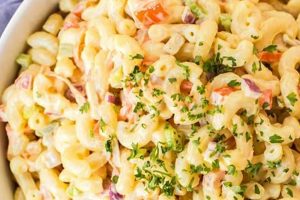
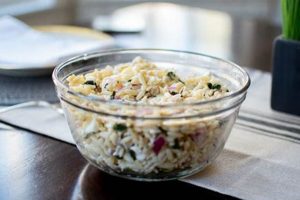
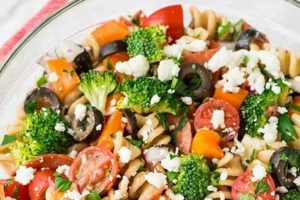
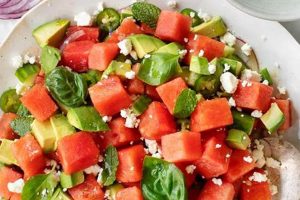
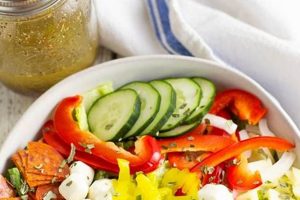
Dishes featuring sliced or chopped sweet peppers, often bell peppers in various colors, contribute vibrant color, crisp texture, and subtle sweetness to salads. These recipes can range from simple combinations of peppers with other fresh vegetables to more complex creations incorporating grains, proteins, cheeses, and flavorful dressings. For example, a straightforward preparation might involve thinly sliced red, yellow, and orange bell peppers tossed with cucumbers, red onion, and a light vinaigrette. More elaborate versions could include roasted peppers, feta cheese, olives, quinoa, and grilled chicken or shrimp.
The inclusion of these colorful vegetables offers several nutritional advantages. Sweet peppers are an excellent source of vitamin C, vitamin A, and antioxidants, contributing to overall health and well-being. Furthermore, their versatility allows for diverse culinary applications, catering to a wide range of palates and dietary preferences. Historically, peppers have played a significant role in various cuisines globally, adding both flavor and visual appeal to dishes. Their adaptability has led to countless regional variations in their use, from raw in salads to cooked in stir-fries, stews, and sauces.
This exploration will delve further into specific varieties of sweet peppers commonly used in salads, explore complementary ingredients and dressings, and provide detailed instructions for creating a variety of flavorful and nutritious pepper-centric salad recipes.
Tips for Utilizing Sweet Peppers in Salads
Maximizing the flavor and visual appeal of salads incorporating sweet peppers involves careful selection, preparation, and pairing with complementary ingredients. The following tips offer guidance for creating vibrant and delicious salads featuring these versatile vegetables.
Tip 1: Select Peppers at Their Peak. Choose peppers that are firm, brightly colored, and free from blemishes. The ideal pepper will feel heavy for its size.
Tip 2: Embrace Variety. Experiment with different colors of bell peppersred, yellow, orange, and even purpleto add visual interest and subtle flavor variations. Consider incorporating other pepper varieties, such as mini sweet peppers or Italian frying peppers.
Tip 3: Consider Roasting. Roasting peppers intensifies their sweetness and adds a smoky depth of flavor. Roast peppers until the skin blisters and blackens, then peel and slice or chop for salads.
Tip 4: Balance Flavors. Pair sweet peppers with ingredients that complement their natural sweetness, such as tangy cheeses (feta, goat), salty olives, acidic dressings, or crunchy nuts and seeds.
Tip 5: Proper Storage. Store unwashed peppers in a plastic bag in the refrigerator crisper drawer for up to a week.
Tip 6: Knife Skills Matter. Uniformly slicing or dicing peppers ensures even cooking (if roasting) and a pleasant texture in the salad.
Tip 7: Don’t Overcrowd the Salad. Peppers should complement other salad ingredients, not dominate them. Strive for a balanced mix of flavors and textures.
By following these tips, one can create salads that showcase the versatility and nutritional value of sweet peppers while achieving a harmonious balance of flavors, colors, and textures.
Incorporating these techniques will elevate salads from simple side dishes to vibrant, flavorful centerpieces.
1. Pepper Variety

Pepper variety plays a crucial role in defining the character of salad pepper recipes. Different peppers contribute unique flavors, textures, and colors, impacting the overall sensory experience. Understanding the nuances of each variety allows for informed choices in recipe development and ensures a balanced and appealing salad.
- Sweet Bell Peppers:
These common peppers, available in various colors (green, red, yellow, orange), offer a crisp texture and mild sweetness. Green bell peppers possess a slightly more vegetal flavor compared to the riper, sweeter red, yellow, and orange varieties. Their versatility makes them suitable for a wide range of salad styles, from simple chopped salads to more complex compositions.
- Mini Sweet Peppers:
Smaller and sweeter than standard bell peppers, these vibrant additions come in a mix of colors. Their compact size makes them ideal for whole or halved inclusion in salads, adding visual appeal and concentrated sweetness. They can be used fresh or roasted, offering a textural contrast and intensified flavor when roasted.
- Italian Frying Peppers (Cubanelle Peppers):
These elongated, light green peppers possess a slightly sweet and tangy flavor. Their thin walls make them excellent for roasting or grilling, which softens their texture and enhances their sweetness. Their subtle heat adds a nuanced complexity to salads, particularly when paired with richer ingredients like cheeses or cured meats.
- Banana Peppers:
While more commonly used in pickling, banana peppers can add a tangy kick to salads. Their mild heat and slight sweetness provide a counterpoint to creamy dressings or richer ingredients. Used sparingly, they introduce a layer of complexity without overpowering other flavors.
The choice of pepper variety directly influences the final salad’s flavor profile, color palette, and textural complexity. By understanding the distinct characteristics of each pepper type, one can create salads that are not only visually appealing but also offer a balanced and satisfying culinary experience. A salad featuring a mix of roasted red bell peppers, raw mini sweet peppers, and thinly sliced Italian frying peppers, for example, offers a dynamic interplay of flavors, textures, and colors, demonstrating the significant impact of pepper variety in salad creation.
2. Preparation Methods

Preparation methods significantly influence the flavor, texture, and overall appeal of salad peppers. Different techniques unlock distinct characteristics, impacting how peppers integrate with other salad components. The interplay between preparation and the final dish represents a crucial element in crafting well-balanced and flavorful salads. Raw peppers retain their crisp texture and offer a refreshing, bright flavor. Slicing them thinly or dicing them uniformly ensures even distribution throughout the salad and a pleasant mouthfeel. Roasting, on the other hand, intensifies the natural sweetness of peppers, adding a smoky depth and softening their texture. Grilling achieves a similar effect, imparting a charred flavor that complements other grilled vegetables or proteins in the salad. Blistering peppers over an open flame before peeling and incorporating them into a salad offers a unique smoky char and a softer texture.
Consider a Greek salad with raw, thinly sliced bell peppers providing a refreshing crunch and vibrant color contrast to the salty feta and olives. Conversely, a roasted red pepper salad with goat cheese showcases the peppers’ concentrated sweetness and soft texture, harmonizing with the creamy cheese. These examples highlight the transformative power of preparation methods, demonstrating how a single ingredient can contribute different flavor and textural dimensions to a salad depending on its treatment. Pickled peppers offer yet another dimension, introducing a tangy, acidic element that can balance richer ingredients in a salad.
Understanding the impact of various preparation methods on salad peppers allows for greater control over the final dish. Whether preserving crispness and freshness through raw preparation or enhancing sweetness and depth through roasting or grilling, the chosen method should align with the overall flavor profile and textural goals of the salad. Careful consideration of preparation techniques elevates the salad beyond a simple combination of ingredients, transforming it into a carefully orchestrated culinary experience. The chosen preparation method contributes significantly to the overall balance and harmony of flavors, textures, and colors, making it an essential aspect of successful salad creation.
3. Complementary Ingredients

Complementary ingredients are essential for successful salad pepper recipes, transforming a simple collection of vegetables into a cohesive and flavorful dish. These ingredients interact with the peppers, enhancing their natural characteristics and creating a balanced sensory experience. Strategic selection of complementary components elevates the salad from basic to sophisticated, catering to diverse palates and culinary preferences.
- Cheeses:
Cheeses provide a creamy or tangy counterpoint to the sweetness of peppers. Feta, with its salty and crumbly texture, pairs exceptionally well with roasted red peppers. Goat cheese offers a tangy complexity that complements both raw and roasted peppers. Other options, such as mozzarella or provolone, contribute a milder, creamy texture that harmonizes with various pepper preparations and other salad components.
- Proteins:
Grilled chicken or shrimp add a savory dimension and enhance the nutritional value of pepper-centric salads. Chickpeas or black beans offer plant-based protein and textural contrast. These additions transform the salad into a more substantial meal, expanding its versatility and appeal.
- Grains:
Quinoa, couscous, or farro contribute textural complexity and create a more filling salad. These grains absorb flavors from the dressing and other ingredients, creating a cohesive and satisfying dish. Their neutral flavors complement the sweetness of peppers without overpowering other components.
- Other Vegetables:
Onions, cucumbers, tomatoes, and leafy greens add textural and flavor diversity. Red onion provides a sharp bite, while cucumbers offer a refreshing crunch. Tomatoes contribute juiciness and acidity, and leafy greens provide a backdrop of freshness. These additions create a balanced and visually appealing salad.
The interplay between peppers and complementary ingredients defines the overall success of the salad. A thoughtfully constructed salad with balanced flavors, textures, and colors offers a more satisfying and enjoyable culinary experience. By carefully considering the characteristics of each complementary ingredient and its interaction with the chosen pepper variety and preparation method, one can elevate a simple salad into a sophisticated and flavorful dish. For instance, a salad combining roasted red peppers, goat cheese, grilled chicken, quinoa, and a lemon vinaigrette demonstrates the harmonious integration of complementary ingredients, resulting in a complex and balanced flavor profile and a satisfying textural experience.
4. Flavorful Dressings
Flavorful dressings are integral to successful salad pepper recipes, acting as a unifying element that binds the various components together. The dressing not only adds flavor but also contributes to the overall texture and moisture content of the salad. A well-chosen dressing enhances the natural sweetness of peppers while complementing other ingredients, creating a harmonious and balanced culinary experience. The interplay between the dressing and the other salad components is crucial, impacting the final dish’s overall success.
- Acidity:
Acidity plays a vital role in balancing the sweetness of peppers and other salad components. Vinaigrettes, with their vinegar base, provide a refreshing tang that cuts through richness and enhances the flavors of the vegetables. Lemon or lime juice can also be used to add brightness and acidity. The level of acidity should be carefully calibrated to complement the other ingredients without overpowering the overall flavor profile. For example, a balsamic vinaigrette with roasted red peppers offers a balanced sweet and tangy flavor profile.
- Oil:
Oil contributes richness and mouthfeel to the salad dressing, creating a smooth and palatable texture. Extra virgin olive oil provides a robust flavor that complements many vegetables, including peppers. Other oils, such as avocado or grapeseed oil, offer more neutral flavors and can be used when a lighter taste is desired. The choice of oil influences the overall flavor and richness of the dressing, impacting its interaction with the salad ingredients.
- Herbs and Spices:
Fresh or dried herbs and spices add depth and complexity to salad dressings. Basil, oregano, and thyme pair well with peppers, enhancing their natural sweetness. A pinch of red pepper flakes can add a subtle heat that complements the other flavors. The selection of herbs and spices should align with the overall flavor profile of the salad and the chosen pepper variety. For example, a cilantro-lime dressing enhances the flavors of a salad featuring raw bell peppers and grilled chicken.
- Emulsification:
Emulsification, the process of combining oil and vinegar into a stable mixture, is crucial for creating a smooth and creamy dressing. Proper emulsification prevents the dressing from separating and ensures even distribution of flavor throughout the salad. A whisk or blender can be used to create a stable emulsion, ensuring that the oil and vinegar are thoroughly combined. This creates a more cohesive and visually appealing dressing that coats the salad ingredients evenly.
The selection of a flavorful dressing is paramount in maximizing the enjoyment of salad pepper recipes. The dressing should complement the sweetness of the peppers while harmonizing with other ingredients, creating a balanced and satisfying culinary experience. A well-crafted dressing enhances the overall flavor profile, texture, and visual appeal of the salad, elevating it from a simple combination of ingredients to a carefully orchestrated dish. For instance, a salad featuring roasted red peppers, feta cheese, and a balsamic vinaigrette demonstrates the integral role of a flavorful dressing in creating a cohesive and enjoyable culinary creation. The balanced sweetness, tanginess, and richness of the combined elements exemplify the importance of considering all aspects of flavor when creating salad pepper recipes.
5. Nutritional Balance

Nutritional balance in salad pepper recipes refers to the thoughtful combination of ingredients to ensure a dish provides a wide range of essential nutrients. This approach considers not only the nutritional value of peppers themselves but also how they contribute to a balanced meal alongside other components. A nutritionally balanced salad featuring peppers provides vitamins, minerals, fiber, healthy fats, and potentially protein, contributing to overall dietary health and well-being. Achieving this balance requires careful consideration of ingredient choices and portion sizes.
- Vitamins and Minerals:
Sweet peppers are an excellent source of Vitamin C, Vitamin A, and various antioxidants. Incorporating a variety of colorful peppersred, yellow, orangemaximizes the range of these micronutrients. Combining peppers with other nutrient-rich vegetables, such as leafy greens (vitamin K, folate), tomatoes (lycopene), and cucumbers (hydration), further enhances the salad’s vitamin and mineral content. This synergy creates a dish that contributes significantly to daily recommended intakes of essential micronutrients.
- Fiber:
Peppers, along with other vegetables commonly included in salads, provide dietary fiber. Fiber promotes digestive health, aids in satiety, and can contribute to healthy blood sugar regulation. Adding whole grains, such as quinoa or farro, further boosts the fiber content, creating a more filling and nutritionally complete meal. The presence of fiber enhances the overall nutritional value and contributes to a feeling of fullness, supporting healthy eating habits.
- Healthy Fats:
Incorporating healthy fats is essential for nutrient absorption and overall health. Including avocado in a salad with peppers provides monounsaturated fats, while nuts and seeds offer polyunsaturated fats and omega-3 fatty acids. The salad dressing also contributes to the fat content; opting for dressings based on olive oil, avocado oil, or other healthy oils maximizes nutritional benefits. Careful consideration of fat sources ensures the salad contributes to a balanced and healthy dietary intake.
- Protein:
While peppers themselves are not a significant source of protein, incorporating protein-rich ingredients transforms the salad into a complete meal. Grilled chicken, fish, beans, lentils, or tofu complement the flavors and textures of peppers while providing essential amino acids necessary for muscle building and repair. Including protein enhances satiety and contributes to the overall nutritional value of the salad, making it a more substantial and satisfying meal option.
Creating nutritionally balanced salad pepper recipes involves a strategic approach to ingredient selection and preparation. The focus should be on maximizing nutrient density by incorporating a variety of colorful peppers, other nutrient-rich vegetables, healthy fats, and a source of protein. This approach ensures that the salad not only tastes delicious but also contributes significantly to a healthy and balanced diet. Such salads offer a convenient and flavorful way to meet daily nutritional requirements, supporting overall health and well-being. By thoughtfully combining ingredients, salad pepper recipes can become a versatile and valuable component of a nutritious eating plan.
Frequently Asked Questions about Salad Pepper Recipes
This section addresses common inquiries regarding the utilization of peppers in salads, aiming to provide clear and concise information for culinary exploration.
Question 1: What types of peppers are best suited for salads?
While bell peppers are commonly used, a variety of peppers, including mini sweet peppers, Italian frying peppers, and even mildly spicy varieties like banana peppers, can enhance salad flavor and texture.
Question 2: How can one prevent raw peppers from overwhelming a salad?
Balance is key. Use peppers as a complementary ingredient, not the dominant one. Consider the overall flavor profile and adjust the quantity of peppers accordingly. Additionally, slicing peppers thinly ensures they integrate well with other components.
Question 3: What are the benefits of roasting peppers for salads?
Roasting intensifies the sweetness of peppers and imparts a smoky depth of flavor. It also softens their texture, offering a different sensory experience compared to raw peppers.
Question 4: How can one ensure a flavorful yet balanced salad dressing for peppers?
Acidity is crucial for balancing the sweetness of peppers. Vinaigrettes with lemon juice or vinegar provide a refreshing tang. The choice of oil (e.g., olive oil, avocado oil) also influences the dressing’s richness and flavor. Herbs and spices further enhance complexity.
Question 5: Beyond basic salads, how else can peppers be incorporated?
Roasted peppers can be blended into creamy dressings or dips. They can also be stuffed with grains, cheeses, or other vegetables for a more substantial dish. Pickled peppers offer a tangy addition to salads or sandwiches.
Question 6: How should leftover salad with peppers be stored?
Store leftover salad in an airtight container in the refrigerator. Consume within two to three days for optimal quality. Note that the texture of some ingredients, particularly leafy greens, may change upon storage.
Understanding these aspects allows for informed choices in recipe development, leading to more flavorful and enjoyable culinary experiences with salad peppers.
This concludes the FAQ section. The following sections will provide specific recipe examples and further explore the culinary possibilities of incorporating peppers into various salad creations.
Culinary Applications of Salad Pepper Recipes
Exploration of salad pepper recipes reveals the significant impact of ingredient selection, preparation methods, and complementary components on the final dish. Pepper variety, ranging from classic bell peppers to nuanced Italian frying peppers, dictates flavor profiles and textural experiences. Preparation techniques, including raw incorporation and roasting, further influence these characteristics. Thoughtful consideration of complementary ingredients, such as cheeses, proteins, grains, and other vegetables, elevates salads from simple to sophisticated, creating balanced and nutritionally diverse meals. Flavorful dressings, balancing acidity and richness with herbs and spices, act as unifying elements, binding ingredients into cohesive culinary experiences. Attention to nutritional balance ensures these salads contribute to a healthy diet, leveraging the vitamin and antioxidant richness of peppers alongside other beneficial components.
The versatility of peppers in salad creation offers significant culinary potential. Continued exploration of diverse pepper varieties, innovative preparation methods, and creative ingredient pairings promises an evolving landscape of flavor experiences. This adaptability ensures that salad pepper recipes remain a vibrant and engaging area of culinary interest, offering continuous opportunities for innovation and enjoyment.