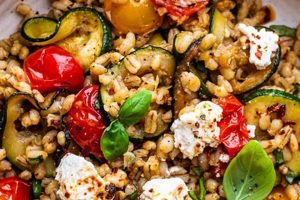
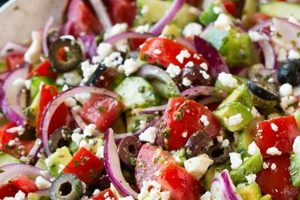
Post-Thanksgiving meals often feature innovative ways to utilize roasted turkey. Combining diced turkey with various complementary ingredients like vegetables, fruits, nuts, cheeses, and dressings creates flavorful and nutritious salads. These salads offer diverse flavor profiles ranging from creamy and rich to light and refreshing, depending on the chosen components and dressing.
Repurposing holiday leftovers reduces food waste and provides an opportunity for culinary creativity. These salads offer a lighter alternative to traditional turkey sandwiches or casseroles, and their versatility allows for customization to individual dietary needs and preferences. The historical practice of “making do” with leftover ingredients contributes to the enduring popularity of such resourceful dishes.
The following sections will explore various approaches to crafting these salads, encompassing a range of ingredients, dressings, and preparation techniques. Considerations for dietary restrictions and creative presentation will also be addressed.
Tips for Crafting Delicious Post-Thanksgiving Salads
Optimizing leftover roasted turkey involves thoughtful consideration of complementary ingredients and preparation techniques. The following tips provide guidance for creating flavorful and appealing salads.
Tip 1: Maximize Texture. Incorporate a variety of textures. Crisp vegetables like celery and water chestnuts offer contrast to the tender turkey, while nuts and seeds provide satisfying crunch.
Tip 2: Balance Flavors. Achieve balance by combining sweet, savory, and acidic elements. Dried cranberries or chopped apples provide sweetness, while savory notes can come from pecans or crumbled blue cheese. A vinaigrette with citrus juice or vinegar adds brightness.
Tip 3: Dress Strategically. Avoid overdressing. Add dressing gradually, tasting as you go, to prevent a soggy salad. Consider lighter dressings like vinaigrettes or yogurt-based options for a healthier approach.
Tip 4: Enhance with Herbs. Fresh herbs elevate flavor profiles. Parsley, chives, and dill offer fresh, herbaceous notes. Sage or thyme can complement the traditional Thanksgiving flavor palette.
Tip 5: Consider Temperature. While often served cold, these salads can be served at room temperature, allowing the flavors to meld. Avoid serving the salad warm, as this may compromise the texture and flavor of certain ingredients.
Tip 6: Customize to Preference. Adapt recipes to individual tastes. Substitute ingredients based on dietary needs or preferences. Explore variations with different cheeses, nuts, fruits, or vegetables.
Tip 7: Proper Storage. Store leftover salad components separately and combine just before serving to maintain optimal freshness and texture. Dressed salad should be refrigerated and consumed within a few days.
Employing these strategies ensures a delightful culinary experience that minimizes food waste and maximizes flavor.
By following these guidelines, one can transform holiday leftovers into a variety of satisfying and nutritious meals.
1. Flavorful Turkey

The foundation of successful turkey leftover salad recipes lies in the initial preparation and flavoring of the roasted turkey itself. A well-seasoned and flavorful bird elevates the salad beyond a simple repurposing of leftovers into a desirable and satisfying dish. The following facets explore the crucial role of flavorful turkey in creating exceptional post-holiday salads.
- Seasoning Techniques
The initial seasoning applied during roasting significantly impacts the final flavor profile of the turkey. Dry brining, wet brining, or a simple herb and spice rub can all contribute distinct flavors. A flavorful base ensures the salad remains interesting, even with the addition of other ingredients. For example, a turkey seasoned with citrus and herbs lends brightness to a salad featuring dried fruit and nuts.
- Roasting Methods
Proper roasting techniques contribute not only to a moist and tender bird but also to enhanced flavor development. Whether roasted whole, spatchcocked, or in parts, achieving the correct internal temperature and allowing adequate resting time are essential. A properly roasted turkey retains more of its natural juices, which carry flavor throughout the salad.
- Flavor Infusion
Incorporating aromatic vegetables, herbs, and spices into the turkey cavity during roasting infuses the meat with deeper flavor. Ingredients such as onions, garlic, celery, thyme, and sage create a complex flavor profile that complements a wide range of salad ingredients. These infused flavors become an integral part of the salad’s overall composition.
- Balancing Flavors
While the turkey itself contributes significant flavor, it’s essential to consider how that flavor interacts with other salad components. A strongly seasoned turkey might pair well with milder vegetables and fruits, while a more subtly flavored bird might benefit from bolder additions like cheeses or cured meats. Balancing the intensity of the turkey’s flavor with the other ingredients creates a harmonious salad.
By focusing on these elements during the initial turkey preparation, one ensures a flavorful foundation for subsequent salads. This proactive approach elevates the leftover salad from a utilitarian dish to a culinary creation, maximizing both enjoyment and resourcefulness.
2. Complementary Ingredients
Complementary ingredients play a crucial role in transforming leftover turkey into appealing and flavorful salads. These additions provide textural contrast, introduce balancing flavors, and elevate the dish beyond simple leftovers. The selection of complementary ingredients should consider the existing flavor profile of the roasted turkey, aiming to create a balanced and harmonious composition.
Several categories of complementary ingredients contribute to successful turkey leftover salads. Crunchy elements, such as celery, water chestnuts, or toasted nuts, provide textural contrast to the tender turkey. Fruits, like dried cranberries, chopped apples, or grapes, introduce sweetness and a burst of freshness. Cheeses, such as crumbled blue cheese, feta, or shredded cheddar, add savory notes and creamy textures. Vegetables, including bell peppers, red onion, or shredded carrots, contribute color, flavor, and nutrients. Nuts and seeds, like pecans, walnuts, or sunflower seeds, offer healthy fats and satisfying crunch. Finally, fresh herbs, such as parsley, chives, or dill, provide brightness and aromatic complexity.
Consider a salad featuring roasted turkey seasoned with herbs and citrus. Complementary ingredients might include dried cranberries for sweetness, toasted pecans for crunch, and crumbled blue cheese for a savory counterpoint. Alternatively, a turkey roasted with garlic and rosemary could be paired with roasted root vegetables, toasted walnuts, and a balsamic vinaigrette. Understanding the interplay of flavors and textures allows for the creation of well-balanced and satisfying salads. Strategic selection of complementary ingredients elevates leftover turkey into a versatile and appealing culinary creation, minimizing waste and maximizing enjoyment. This approach transforms a simple post-holiday meal into a flavorful and nutritious dining experience.
3. Balanced Textures

Textural diversity significantly contributes to the enjoyment of turkey leftover salad recipes. A combination of textures elevates the sensory experience, preventing monotony and enhancing palatability. Understanding the interplay of textures within the salad allows for a more considered and satisfying culinary outcome.
- The Role of the Turkey
The inherent texture of the turkey serves as a foundation upon which other textural elements are built. Tender, sliced, or shredded turkey provides a soft and yielding base. This base texture creates a canvas for contrasting elements, allowing them to stand out and contribute to a more dynamic eating experience.
- Contrasting Textures
Incorporating contrasting textures is essential for a well-balanced salad. Crunchy elements, such as chopped nuts, raw vegetables like celery or bell peppers, or croutons, provide a stark contrast to the soft turkey. These contrasting textures create points of interest within each bite, enhancing the overall enjoyment of the salad.
- Creamy Components
Creamy elements, such as avocado, cheese, or a creamy dressing, contribute a different textural dimension. These components add richness and a smooth mouthfeel, contrasting with both the tender turkey and any crunchy elements. The interplay of creamy and crunchy textures adds complexity and depth to the salad.
- Textural Layering
Creating textural layers involves incorporating ingredients with varying degrees of firmness and crispness. For example, combining tender turkey with crunchy pecans, crisp lettuce, and creamy goat cheese offers a multi-layered textural experience. This layering prevents the salad from feeling one-dimensional, ensuring each bite offers a unique combination of textures.
By considering the textural contribution of each ingredient, turkey leftover salad recipes transform from simple meals into dynamic and engaging culinary experiences. The strategic combination of textures elevates the enjoyment of these salads, making them a more appealing and satisfying way to utilize post-holiday leftovers. Attention to textural balance ensures a more complex and rewarding culinary creation.
4. Appropriate Dressings

Appropriate dressings are essential for maximizing the flavor and enjoyment of turkey leftover salad recipes. The dressing complements the other ingredients, unifying the diverse flavors and textures into a cohesive and palatable dish. Selecting a dressing requires careful consideration of the existing flavors within the salad, aiming for a harmonious balance rather than overpowering the primary components.
- Flavor Pairing
The dressing’s flavor profile should complement the turkey and other salad ingredients. For a salad featuring traditional Thanksgiving flavors like cranberry and pecan, a lighter vinaigrette with citrus or apple cider vinegar might be appropriate. A salad with bolder flavors, such as blue cheese and walnuts, could benefit from a creamy dressing based on buttermilk or yogurt. The goal is to enhance, not mask, the existing flavors.
- Texture Considerations
The dressing’s texture contributes to the overall sensory experience of the salad. A creamy dressing adds richness and coats the ingredients, while a vinaigrette provides a lighter, brighter touch. The existing textures within the salad should influence the choice of dressing. A salad with crunchy elements might benefit from a creamy dressing to provide contrast, while a salad with primarily soft ingredients might be better suited to a vinaigrette.
- Acidity and Balance
Acidity in dressings, often derived from vinegar or citrus juice, plays a critical role in balancing the richness of the turkey and other ingredients. The right level of acidity brightens the flavors and prevents the salad from feeling heavy. The acidity should be balanced with other flavor components in the dressing, such as sweetness or herbs, to achieve a harmonious result.
- Homemade vs. Store-Bought
While store-bought dressings offer convenience, homemade dressings provide greater control over ingredients and flavor profiles. A simple vinaigrette can be easily whisked together with oil, vinegar, and seasonings. Homemade dressings allow for customization to specific dietary needs and preferences, ensuring a perfect complement to the turkey leftover salad.
The selection of an appropriate dressing elevates turkey leftover salad recipes from simple assemblages of ingredients into well-balanced and flavorful dishes. By carefully considering the interplay of flavors and textures, the dressing acts as a unifying element, enhancing the overall enjoyment and maximizing the potential of post-holiday leftovers. A well-chosen dressing transforms a utilitarian dish into a culinary creation, ensuring a more satisfying and enjoyable dining experience.
5. Creative Presentation
Creative presentation elevates turkey leftover salad recipes from simple, utilitarian dishes to visually appealing and enticing meals. While flavor and texture remain paramount, presentation enhances the dining experience, stimulating appetite and adding an element of enjoyment. Thoughtful plating transforms leftovers into a dish worthy of a special occasion or a simple weeknight dinner.
Several techniques contribute to creative presentation. Utilizing various serving vessels, such as individual ramekins, hollowed-out vegetables, or elegant bowls, adds visual interest. Consider serving the salad atop crisp lettuce cups for a lighter presentation or within a hollowed-out bell pepper for a vibrant and colorful display. Arranging the salad components thoughtfully, rather than simply tossing them together, creates a more visually appealing dish. Consider layering ingredients, creating height, and incorporating color contrasts for a more dynamic presentation. Garnishing the salad with fresh herbs, toasted nuts, or a sprinkle of cheese adds a finishing touch and enhances visual appeal. A sprig of rosemary, a scattering of chopped pecans, or a dusting of grated Parmesan can elevate the dish’s perceived value. Finally, paying attention to the color palette of the salad contributes to a more aesthetically pleasing presentation. Incorporating a variety of colorful vegetables, fruits, and other ingredients creates visual interest and enhances the overall appeal.
Creative presentation offers practical significance by increasing the perceived value of leftover dishes. It encourages consumption, minimizing food waste, and transforming leftovers into a more desirable meal option. By investing a small amount of time and effort in presentation, one can significantly enhance the dining experience. The transformation from a simple mound of leftovers to an artfully arranged salad contributes not only to visual appeal but also to an increased sense of enjoyment and satisfaction. This approach elevates the perception of leftover turkey, making it a more appealing and enticing option for subsequent meals.
6. Proper Storage
Proper storage is crucial for maintaining the quality, safety, and flavor of turkey leftover salad recipes. Improper storage can lead to bacterial growth, spoilage, and undesirable changes in texture and taste, diminishing the enjoyment and potentially posing health risks. Implementing appropriate storage techniques preserves the integrity of the ingredients and ensures a safe and satisfying culinary experience.
- Separate Storage of Components
Storing salad components separately, particularly the dressed salad versus the individual ingredients, is essential for maintaining optimal freshness and preventing premature spoilage. Storing dressed salad can lead to soggy lettuce and other textural degradation. Instead, store components like the cooked turkey, vegetables, fruits, nuts, cheese, and dressing separately in airtight containers. Combine these elements just prior to serving to maintain crispness and prevent the absorption of excess dressing. This practice preserves the integrity of individual ingredients and maximizes their shelf life.
- Temperature Control
Maintaining appropriate refrigeration temperatures is critical for inhibiting bacterial growth and preserving the quality of leftover turkey and other salad ingredients. Refrigerate cooked turkey within two hours of cooking and store it at a temperature below 40F (4C). Similarly, store other salad components, such as cut vegetables, fruits, and dressings, at appropriate refrigeration temperatures to maintain freshness and prevent spoilage. Adhering to these temperature guidelines minimizes the risk of foodborne illness and maximizes the shelf life of individual components.
- Airtight Containers
Utilizing airtight containers is essential for preventing oxidation and maintaining the quality of stored ingredients. Exposure to air can cause ingredients to dry out, develop off-flavors, and spoil more quickly. Storing turkey and other salad components in airtight containers minimizes exposure to air and helps preserve their freshness, flavor, and texture. Properly sealed containers also prevent cross-contamination of flavors and odors within the refrigerator.
- Shelf Life Awareness
Understanding the shelf life of individual ingredients and prepared salads is crucial for safe consumption. Cooked turkey typically lasts for 3-4 days in the refrigerator. Other ingredients, such as cut vegetables and fruits, may have varying shelf lives. Dressed salads are best consumed within a day of preparation. Adhering to these guidelines minimizes the risk of consuming spoiled ingredients and ensures optimal flavor and quality. When in doubt, it is always safest to err on the side of caution and discard any questionable ingredients.
By adhering to proper storage techniques, the longevity and quality of turkey leftover salad recipes are significantly enhanced. These practices ensure food safety, minimize waste, and preserve the flavors and textures of individual components. Proper storage transforms post-holiday leftovers into a resource for creating enjoyable and safe meals throughout the week, maximizing the value of the initial culinary investment.
7. Dietary Adaptations

Dietary adaptations play a crucial role in ensuring turkey leftover salad recipes remain accessible and enjoyable for individuals with specific dietary needs or preferences. These adaptations, ranging from simple substitutions to more significant recipe modifications, allow for inclusivity and broaden the appeal of these versatile dishes. Understanding the relationship between dietary adaptations and turkey leftover salad recipes enables culinary creativity while respecting individual health requirements and preferences.
Common dietary adaptations include addressing gluten sensitivities by substituting gluten-free bread or crackers for croutons or omitting them entirely. Lactose intolerance can be accommodated by using dairy-free cheeses or yogurt alternatives in creamy dressings. Managing sodium intake requires careful selection of low-sodium ingredients and avoiding excessive salt in dressings. Vegetarian or vegan adaptations might involve replacing the turkey with plant-based protein sources like chickpeas or tofu, ensuring a balanced nutritional profile is maintained. For those managing blood sugar levels, incorporating lower-glycemic index fruits and vegetables and limiting added sugars in dressings is crucial. Adapting recipes to address specific allergies, such as nut allergies, necessitates careful ingredient selection and preparation to prevent cross-contamination. For example, substituting sunflower seeds for pecans in a cranberry-pecan salad caters to those with nut allergies while maintaining textural integrity. Similarly, using a vinaigrette instead of a creamy dressing based on dairy or nuts accommodates both lactose and nut-free diets. These practical examples demonstrate the feasibility and importance of dietary adaptations in creating inclusive and enjoyable meals.
Dietary adaptations represent a critical component of successful and inclusive turkey leftover salad recipes. They empower individuals with specific dietary needs to partake in shared meals without compromising their health or enjoyment. By understanding and implementing these adaptations, culinary creativity expands while fostering inclusivity and promoting healthier eating habits. This knowledge allows for the creation of versatile and adaptable dishes that cater to a wider range of dietary preferences and restrictions, maximizing the potential of leftover turkey and minimizing food waste.
Frequently Asked Questions
This section addresses common inquiries regarding the utilization of leftover turkey in salad preparations. Clarity on these points facilitates successful and enjoyable culinary experiences.
Question 1: How long can cooked turkey be safely stored for salad preparation?
Cooked turkey should be refrigerated within two hours of cooking and is safe to consume for 3-4 days when stored properly in airtight containers at temperatures below 40F (4C).
Question 2: What are effective strategies for preventing a soggy salad when using leftover turkey?
Sogginess can be prevented by storing salad components separately and combining them just prior to serving. Adding dressing immediately before consumption also helps maintain crispness.
Question 3: Can frozen turkey be used in leftover salad recipes?
While frozen turkey can be used, thawing it completely and ensuring it is properly cooked before incorporating it into a salad is essential for food safety and optimal texture.
Question 4: What are suitable dressing alternatives for individuals with dairy sensitivities?
Dairy-free alternatives include vinaigrettes made with oil and vinegar, or creamy dressings based on plant-based yogurt or avocado.
Question 5: How can one adapt turkey leftover salad recipes for vegetarian or vegan diets?
Substituting the turkey with plant-based protein sources such as chickpeas, lentils, or tofu offers a suitable alternative. Flavor profiles can be maintained through appropriate seasoning and complementary ingredients.
Question 6: What methods can be employed to maximize the flavor of leftover turkey in salads?
Incorporating flavorful herbs, spices, and complementary ingredients like dried fruits, nuts, and cheeses enhances the overall taste profile of the salad. The initial seasoning of the turkey during roasting also plays a significant role.
Understanding these common concerns aids in successful and safe preparation of turkey leftover salads, maximizing both enjoyment and resourcefulness.
Further exploration of specific recipe variations and detailed preparation techniques follows in the subsequent sections.
Conclusion
Resourceful utilization of leftover roasted turkey through varied salad preparations offers a compelling approach to minimizing food waste while maximizing culinary potential. Exploration of complementary ingredients, balanced textures, appropriate dressings, creative presentation techniques, proper storage practices, and dietary adaptations reveals the versatility and adaptability of these culinary creations. From classic combinations to innovative flavor profiles, the spectrum of possibilities ensures broad appeal and caters to diverse palates and dietary requirements. Emphasis on proper food handling and storage practices underscores the importance of safety and quality in maximizing the enjoyment and longevity of these dishes.
Elevating leftover ingredients beyond mere remnants into inspired culinary creations represents a sustainable and satisfying practice. Strategic combination of flavors, textures, and presentation transforms post-holiday excess into a canvas for culinary expression. This approach not only minimizes environmental impact but also fosters appreciation for resourcefulness and creativity in the kitchen. Continued exploration and adaptation of these recipes promise ongoing culinary enjoyment and a deeper understanding of sustainable food practices.