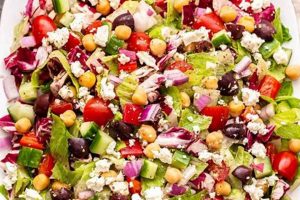
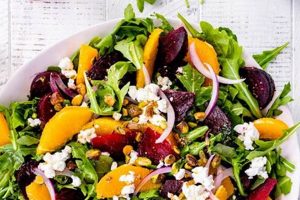
A chilled pasta dish typically features cooked spaghetti, vegetables, a vinaigrette-style dressing, and sometimes cheese or meat. Common vegetable additions include bell peppers, tomatoes, cucumbers, and red onion. The dressing often incorporates ingredients such as olive oil, vinegar, sugar, and seasonings like garlic powder or Italian herbs. Variations may include additions like black olives, artichoke hearts, or different types of pasta.
This dish offers a refreshing and convenient meal, particularly suitable for warm weather. Its adaptable nature allows for customization based on dietary preferences and available ingredients. As a make-ahead dish, it is practical for potlucks, picnics, and barbecues. Its popularity likely stems from the combination of satisfying carbohydrates, crisp vegetables, and a tangy dressing. Historically, cold pasta salads gained traction as refrigeration became more common, enabling convenient preparation and safe storage.
This overview provides a foundational understanding, leading into a detailed exploration of ingredient selection, dressing variations, preparation techniques, and serving suggestions.
Tips for a Successful California Spaghetti Salad
Optimizing ingredient selection and preparation techniques elevates this dish from simple to exceptional. The following tips ensure a flavorful and satisfying culinary experience.
Tip 1: Pasta Perfection: Select a durable pasta shape that holds its form well when chilled. While spaghetti is traditional, rotini, farfalle, or penne offer excellent alternatives. Cook pasta al dente to prevent a mushy texture.
Tip 2: Vibrant Vegetables: Choose fresh, crisp vegetables for optimal flavor and texture. Consider a colorful array of bell peppers (red, yellow, orange), ripe tomatoes, crisp cucumbers, and thinly sliced red onion.
Tip 3: Dressing Dynamics: A well-balanced vinaigrette is crucial. A classic combination involves olive oil, red wine vinegar, sugar, garlic powder, dried oregano, and salt and pepper. Experiment with additions like Dijon mustard or lemon juice.
Tip 4: Marinating Magic: Allowing the salad to marinate in the refrigerator for at least an hour, or preferably longer, allows the flavors to meld and the pasta to absorb the dressing.
Tip 5: Cheese Considerations: While optional, cheese adds a savory element. Cubed mozzarella, provolone, or feta complement the other ingredients well. Add cheese shortly before serving to prevent it from becoming overly firm in the refrigerator.
Tip 6: Protein Power: Enhance the salad with cooked and chilled protein. Diced grilled chicken, salami, or pepperoni offer satisfying additions.
Tip 7: Flavorful Flourishes: Consider incorporating other ingredients for added depth. Black olives, artichoke hearts, or chopped fresh parsley contribute texture and flavor complexity.
By following these tips, one can achieve a California spaghetti salad that is both visually appealing and delectably flavorful. Attention to detail in ingredient selection and preparation ensures a truly enjoyable dining experience.
These guidelines provide a foundation for creating a personalized version of this classic dish, allowing for endless variations and culinary creativity.
1. Ingredients

Ingredients form the foundation of any California spaghetti salad recipe. Their selection and quality significantly impact the final dish’s flavor, texture, and overall appeal. Understanding the role of each ingredient category contributes to a successful culinary outcome.
- Pasta:
The choice of pasta influences both texture and flavor absorption. Spaghetti, the traditional choice, offers a neutral base for the other ingredients. However, rotini, farfalle, or penne provide interesting textural variations and hold the dressing effectively. Overcooked pasta results in a mushy salad, while undercooked pasta lacks the desired tenderness. Cooking pasta al dente is crucial for optimal results.
- Vegetables:
Fresh, crisp vegetables contribute essential flavor, color, and texture. Common choices include bell peppers (red, yellow, and orange for visual appeal), chopped cucumbers, and thinly sliced red onions. Tomatoes add sweetness and juiciness, but their water content should be considered to avoid a watery salad. Blanching certain vegetables, like broccoli or green beans, can enhance their color and tenderness while maintaining their crispness.
- Dressing:
The dressing serves as the unifying element, binding the ingredients and imparting flavor. A vinaigrette-style dressing, often comprising olive oil, red wine vinegar, and seasonings, is typical. The balance of acidity, sweetness, and savory notes is critical. Fresh herbs like oregano, basil, or parsley contribute brightness. Emulsifying the dressing properly ensures a smooth, cohesive coating for the pasta and vegetables.
- Optional Additions:
While the core ingredients define the salad, optional additions offer opportunities for customization. Cheese, such as cubed mozzarella, provolone, or feta, contributes a salty, creamy element. Protein sources like grilled chicken, salami, or shrimp enhance satiety. Ingredients like black olives, artichoke hearts, or pepperoncini add pops of flavor and visual interest. These additions should complement, not overwhelm, the other components.
The interplay of these ingredient categories defines the character of a California spaghetti salad. Balancing flavors, textures, and colors through thoughtful ingredient selection elevates this simple dish into a satisfying and refreshing meal. The quality of ingredients directly impacts the final product, emphasizing the importance of choosing fresh, flavorful components.
2. Preparation

Preparation plays a crucial role in a successful California spaghetti salad. The process impacts the final dish’s texture, flavor, and food safety. Careful execution of each preparation step ensures optimal results. For instance, cooking the pasta al dente prevents a mushy texture, while properly chilling the salad allows the flavors to meld and enhances food safety.
Several key aspects of preparation warrant attention. Thoroughly washing vegetables removes potential contaminants and ensures food safety. Uniformly chopping vegetables promotes even cooking and distribution of flavors throughout the salad. Properly draining the cooked pasta prevents excess water from diluting the dressing and creating a watery salad. Combining the ingredients in the correct order, typically starting with the pasta and vegetables, followed by the dressing, ensures even coating and flavor distribution. Insufficient mixing can lead to unevenly dressed salad components, impacting both flavor and aesthetics.
The preparation phase directly influences the overall quality of the California spaghetti salad. Overlooking key steps can result in a subpar dish, highlighting the importance of meticulous preparation. Thorough preparation contributes to both a flavorful and safe culinary experience. Understanding the cause-and-effect relationships within the preparation process enables informed decisions, ultimately leading to a more successful outcome.
3. Dressing

Dressing constitutes a critical component within a California spaghetti salad, significantly influencing the final dish’s overall flavor profile and enjoyment. The dressing not only coats the pasta and vegetables, distributing flavor throughout, but also contributes essential acidity, sweetness, and savory notes that balance the other ingredients. A well-crafted dressing elevates the salad from a simple assembly of components to a cohesive and flavorful experience. For example, a vinaigrette made with olive oil, red wine vinegar, garlic, and oregano provides a tangy counterpoint to the richness of the pasta and the sweetness of the vegetables. The dressing’s emulsification ensures a smooth, even coating, preventing a watery or oily salad. Conversely, an improperly balanced or poorly emulsified dressing can result in a bland or unappetizing dish.
The choice of dressing directly impacts the sensory experience of consuming the salad. A creamy, mayonnaise-based dressing offers a different textural and flavor profile compared to a light vinaigrette. The dressing also influences how the salad ages; a lighter vinaigrette tends to keep the vegetables crisper for longer compared to a heavier dressing. Consider a salad featuring grilled chicken and a Dijon mustard vinaigrette; the tangy dressing complements the smoky chicken, creating a harmonious flavor combination. Alternatively, a salad with feta cheese and a lemon-herb vinaigrette benefits from the bright, citrusy notes that enhance the salty cheese and fresh vegetables. These examples illustrate how dressing selection significantly impacts the overall culinary experience.
Understanding the role of dressing within a California spaghetti salad allows for informed decision-making regarding ingredient pairings and flavor balancing. Selecting or creating a dressing that complements the other ingredients is crucial for a successful outcome. Challenges can arise when the dressing overwhelms the other flavors or when the emulsification fails, resulting in a separated and unappealing dressing. Addressing these challenges through careful ingredient selection, proper emulsification techniques, and attention to flavor balance ensures a well-integrated and enjoyable California spaghetti salad experience.
4. Vegetables
Vegetables constitute a defining characteristic of California spaghetti salad, contributing crucial textural and flavor elements. Their selection and preparation directly influence the dish’s overall quality and palatability. Crisp, fresh vegetables offer a refreshing counterpoint to the cooked pasta and provide a satisfying textural contrast. For instance, bell peppers introduce sweetness and a slight crunch, while cucumbers offer a cooling, watery bite. Tomatoes contribute juiciness and acidity, although their water content must be managed to avoid a watery salad. The choice of vegetables influences not only the sensory experience but also the nutritional value of the salad. A colorful array of vegetables increases the diversity of vitamins and minerals, enhancing the dish’s health benefits. Utilizing seasonal vegetables maximizes freshness and flavor while minimizing environmental impact.
The manner in which vegetables are prepared affects their integration within the salad. Chopping vegetables into uniform sizes ensures even distribution throughout the dish and promotes consistent flavor in each bite. Certain vegetables, like broccoli or green beans, may benefit from blanching to enhance their color and tenderness while maintaining their crispness within the cold salad context. Overly large or unevenly chopped vegetables can disrupt the balance of the salad and detract from the overall eating experience. Consider a salad with large chunks of cucumber alongside finely diced bell peppers; the textural imbalance can create an uneven and less enjoyable dish. Conversely, a salad with uniformly chopped vegetables offers a more harmonious blend of textures and flavors.
Thoughtful vegetable selection and preparation are essential for a successful California spaghetti salad. Vegetables contribute not only essential nutrients and textural complexity but also visual appeal. A vibrant mix of colors enhances the salad’s presentation, making it more appetizing. Challenges can arise from using less-than-fresh vegetables or improper preparation techniques, leading to a less satisfying and potentially unsafe culinary outcome. Addressing these challenges through careful selection and meticulous preparation ensures a visually appealing, flavorful, and nutritious California spaghetti salad. The interplay between vegetable choices and the overall composition of the dish underscores the significance of this component in achieving a well-balanced and enjoyable culinary experience.
5. Pasta
Pasta serves as the foundational element of a California spaghetti salad, providing the canvas upon which the other ingredients interact. The type of pasta chosen significantly impacts the dish’s texture, flavor absorption, and overall aesthetic. Understanding the nuances of pasta selection is crucial for creating a successful and satisfying salad.
- Pasta Shape and Texture:
While “spaghetti” designates the classic form, alternative shapes like rotini, farfalle, and penne offer distinct textural experiences and varying abilities to hold the dressing. Rotini’s spirals effectively capture the dressing, while farfalle’s bow-tie shape provides a visually interesting element. Penne’s tubular structure offers a substantial bite. The chosen shape contributes to the overall mouthfeel and the distribution of flavors.
- Cooking Method and Doneness:
Properly cooked pasta is essential. Overcooked pasta becomes mushy and absorbs less dressing, resulting in a less appealing texture and flavor distribution. Undercooked pasta presents a firm, unpleasant bite. Cooking pasta “al dente”firm to the biteprovides the ideal texture for a cold salad, ensuring it holds its shape and absorbs the dressing effectively. This balance is crucial for a satisfying culinary experience.
- Pasta Type and Flavor Absorption:
Different pasta types, such as whole wheat or gluten-free varieties, can subtly influence the salad’s flavor profile. Whole wheat pasta adds a slightly nutty flavor, while gluten-free options may have a different texture and absorb the dressing differently. These variations can be leveraged to complement or contrast with the other ingredients, offering opportunities for customization.
- Pasta and Visual Appeal:
Beyond texture and flavor, pasta also contributes to the salad’s visual appeal. The color and shape of the pasta interact with the other ingredients, creating a visually engaging dish. Consider the contrast between the bright colors of bell peppers and the pale yellow of spaghetti, or the way rotini’s spirals create visual interest. These visual elements contribute to the overall enjoyment of the salad.
The interplay between pasta selection and the other components of a California spaghetti salad underscores its importance. The chosen pasta shape, cooking method, and type influence the final dish’s texture, flavor, and visual appeal. Careful consideration of these factors ensures a well-balanced and enjoyable culinary experience.
6. Chill Time
Chill time represents a crucial element within a California spaghetti salad recipe, significantly impacting flavor development and food safety. This period allows the dressing to permeate the pasta and vegetables, melding flavors and creating a more cohesive dish. Furthermore, adequate chilling ensures food safety by inhibiting bacterial growth, particularly relevant for salads containing mayonnaise-based dressings or perishable ingredients.
- Flavor Enhancement:
Chilling allows the flavors of the dressing, pasta, and vegetables to meld, creating a more complex and balanced flavor profile. The pasta absorbs the dressing, enhancing its flavor and preventing a bland taste. The vegetables also benefit from the chill time, retaining their crispness while absorbing the dressing’s flavors. This process is analogous to marinating, where time allows flavors to deepen and integrate. For example, a salad chilled for two hours will have a more pronounced and harmonious flavor compared to a freshly made salad.
- Texture Optimization:
Chill time affects the texture of the salad components. The pasta firms up slightly as it chills, preventing it from becoming mushy. The vegetables retain their crispness, providing a pleasant textural contrast to the pasta. Insufficient chill time may result in a softer pasta texture and less crisp vegetables. Conversely, excessive chilling can make some vegetables, like tomatoes, lose their optimal texture. Finding the right balance is crucial.
- Food Safety:
Chilling is essential for food safety, particularly in salads containing perishable ingredients like mayonnaise, meat, or cheese. Low temperatures inhibit bacterial growth, reducing the risk of foodborne illnesses. Maintaining a salad at or below 40F (4C) is critical for ensuring food safety. This temperature range effectively slows bacterial growth, preventing spoilage and minimizing potential health risks.
- Serving Temperature and Palatability:
A chilled salad offers a refreshing and enjoyable dining experience, particularly in warm weather. The cool temperature enhances the flavors and textures of the ingredients, making the salad more palatable. A room-temperature salad may taste bland and have a less appealing texture, especially if it contains mayonnaise-based dressings, which can become oily at higher temperatures.
Chill time, therefore, plays a multifaceted role in a California spaghetti salad recipe, affecting flavor, texture, and food safety. Balancing these aspects contributes significantly to the overall success and enjoyment of the dish. Understanding the importance of chill time allows for informed decision-making regarding preparation and serving, leading to a more satisfying and safe culinary experience.
7. Variations
Variations within a California spaghetti salad recipe demonstrate the dish’s adaptability and potential for personalized culinary expression. This inherent flexibility allows adjustments based on dietary preferences, ingredient availability, and desired flavor profiles. Modifying ingredients, dressings, and preparation techniques generates diverse iterations while retaining the fundamental characteristics of a chilled pasta salad. This adaptability distinguishes the California spaghetti salad as a versatile dish suitable for various occasions and palates. For instance, substituting gluten-free pasta accommodates dietary restrictions, while incorporating grilled chicken or shrimp adds protein, transforming the salad into a more substantial meal. These variations do not compromise the essence of the dish but rather enhance its versatility.
The concept of variation extends beyond simple ingredient substitutions. Consider the interplay between dressing and vegetable choices. A lemon-herb vinaigrette complements a salad featuring feta cheese, olives, and artichoke hearts, creating a Mediterranean-inspired variation. Conversely, a creamy ranch dressing pairs well with bacon, cheddar cheese, and chopped tomatoes, yielding a richer, more savory profile. These examples illustrate how variations can introduce entirely new flavor dimensions, expanding the culinary possibilities of the California spaghetti salad. Furthermore, variations can reflect seasonal influences. Utilizing fresh, locally sourced produce, such as summer tomatoes or autumn squash, creates unique seasonal variations that celebrate the flavors of specific times of year. This adaptability makes the California spaghetti salad a year-round dish, capable of showcasing seasonal ingredients.
Understanding the role of variations within a California spaghetti salad recipe provides a framework for culinary exploration and creativity. Adapting the recipe to individual preferences or specific dietary needs demonstrates the dish’s inherent versatility. However, variations should be approached thoughtfully, maintaining a balance of flavors and textures. Overly complex variations can detract from the refreshing simplicity that characterizes the dish. Successfully navigating these complexities allows for personalized culinary interpretations while honoring the fundamental essence of a California spaghetti salad.
Frequently Asked Questions
This section addresses common inquiries regarding California spaghetti salad, providing concise and informative responses to clarify potential uncertainties and enhance understanding of the dish.
Question 1: What is the ideal pasta type for this salad?
While spaghetti is traditional, other durable shapes like rotini, farfalle, or penne hold their shape well when chilled and effectively capture the dressing.
Question 2: Can this salad be prepared in advance?
Yes, preparing the salad in advance, ideally 1-2 hours before serving, allows the flavors to meld. However, adding cheese or crunchy toppings immediately before serving prevents them from becoming soggy.
Question 3: How can one prevent a watery salad?
Thoroughly draining the cooked pasta and removing excess moisture from vegetables like tomatoes helps prevent a watery consistency. Salting vegetables and allowing them to drain also reduces excess water content.
Question 4: What are suitable dressing variations?
Classic vinaigrettes, creamy dressings (like ranch or Caesar), or even pesto can be used. The chosen dressing should complement the other ingredients. Flavorful additions like Dijon mustard, herbs, or spices further enhance the dressing.
Question 5: How long can this salad be stored?
Properly stored in an airtight container in the refrigerator, California spaghetti salad typically lasts for 3-5 days. However, salads containing mayonnaise-based dressings or protein may have a shorter shelf life.
Question 6: Can this salad be frozen?
Freezing is generally not recommended, as it negatively impacts the texture of the vegetables and pasta, making them mushy upon thawing. The dressing may also separate, affecting the overall quality of the salad.
Addressing these common questions provides a comprehensive understanding of California spaghetti salad preparation, storage, and variations. This knowledge empowers individuals to create a delicious and satisfying dish tailored to their preferences.
This FAQ section segues into a deeper exploration of recipe variations and customization options, allowing for personalized culinary exploration and creativity.
Conclusion
Exploration of this chilled pasta dish reveals a versatile recipe adaptable to various tastes and occasions. Key elements include the selection of durable pasta, fresh vegetables, and a well-balanced dressing. Proper preparation techniques, including cooking pasta al dente and thoroughly chilling the salad, ensure optimal texture and flavor. The potential for variations, from ingredient substitutions to dressing choices, allows for personalized culinary expression.
This adaptable recipe offers a foundation for culinary creativity, encouraging experimentation with flavors and textures. Understanding the interplay of ingredients and preparation techniques empowers individuals to create a consistently satisfying and refreshing dish. Continued exploration of variations promises further culinary discoveries within this classic framework.