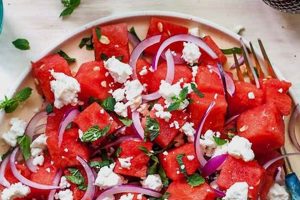
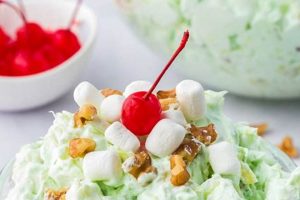
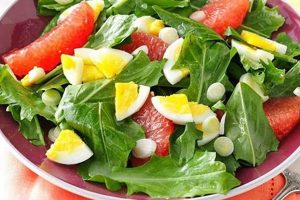
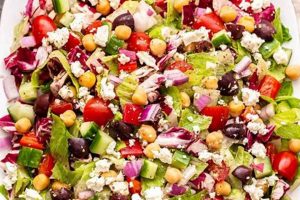
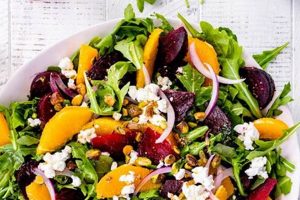
Combining the sweetness of pineapple with other fresh ingredients creates a vibrant and flavorful dish. For instance, a simple combination might include diced pineapple, crisp lettuce, crunchy cucumber, and a light vinaigrette. Variations can incorporate diverse ingredients like grilled chicken or shrimp, toasted nuts, crumbled cheese, or other fruits and vegetables.
Such culinary creations offer a refreshing and healthy meal option, supplying vitamins, minerals, and antioxidants. The tropical fruit adds a unique tangy sweetness, balancing other flavors while contributing to digestive health due to its bromelain enzyme content. Historically, pineapples, once a symbol of luxury and hospitality, have become a more accessible ingredient, enhancing everyday meals with their vibrant flavor profile.
This exploration will further delve into various approaches to constructing these dishes, covering ingredient selection, preparation techniques, dressing options, and creative serving suggestions to inspire culinary enthusiasts of all levels.
Tips for Pineapple Salad Success
Creating a balanced and flavorful pineapple salad requires attention to several key elements. The following tips offer guidance for optimal results.
Tip 1: Balance Sweetness and Acidity: Pineapple’s inherent sweetness benefits from a counterpoint. Consider incorporating acidic ingredients like lime or lemon juice, vinegar-based dressings, or tart fruits such as berries or grapefruit segments.
Tip 2: Consider Texture: A variety of textures elevates the sensory experience. Combine the softness of pineapple with crunchy elements like nuts, seeds, or croutons. Crisp vegetables such as bell peppers, carrots, or jicama also contribute to textural diversity.
Tip 3: Choose Complementary Flavors: Explore flavor pairings that enhance pineapple’s tropical profile. Mint, cilantro, ginger, and chili peppers offer intriguing dimensions. Savory additions like grilled chicken, shrimp, or feta cheese create satisfying meal options.
Tip 4: Prepare Pineapple Properly: Remove the skin and eyes thoroughly. Cut the fruit into bite-sized pieces appropriate for the salad format. Grilling pineapple enhances its sweetness and adds a smoky char.
Tip 5: Dress Strategically: Avoid heavy, creamy dressings that can overpower the delicate flavors. Light vinaigrettes, citrus-based dressings, or even a simple drizzle of olive oil and balsamic glaze often complement pineapple best.
Tip 6: Don’t Overcrowd the Bowl: Allow each ingredient to shine by avoiding an overly complex mix. A few well-chosen components, balanced in flavor and texture, create a more harmonious result.
Tip 7: Serve Promptly: For optimal freshness and flavor, assemble and serve pineapple salads shortly before consumption. This prevents the fruit from releasing excess moisture and maintains the crispness of other ingredients.
By following these guidelines, one can consistently create pineapple salads that are not only delicious but also visually appealing and nutritionally balanced.
These tips offer a foundation for crafting successful pineapple salad recipes. The following section will explore specific recipe examples to further inspire culinary creativity.
1. Fresh, Ripe Pineapple

Fresh, ripe pineapple forms the foundation of any successful pineapple salad recipe. Its quality directly impacts the overall flavor profile and enjoyment of the dish. Using a fresh, ripe fruit guarantees optimal sweetness, juiciness, and the characteristic tangy notes essential for a balanced flavor composition. Conversely, unripe or overripe pineapple can result in a bland, excessively acidic, or fermented taste, negatively affecting the salad’s palatability. For example, a salad featuring underripe pineapple may taste overly tart, while overripe fruit can become mushy and lose its vibrant flavor. The enzymatic activity of bromelain, naturally present in pineapple, contributes to its tenderizing effect. This characteristic can influence the texture of other salad components over time, particularly delicate ingredients. Selecting a perfectly ripe pineapple ensures the enzyme’s activity complements the other ingredients without compromising their structure.
The importance of fresh, ripe pineapple extends beyond flavor. It contributes essential vitamins, minerals, and antioxidants, enhancing the nutritional value of the salad. The vibrant color of ripe pineapple also adds visual appeal, making the dish more enticing. Practically, selecting a ripe pineapple involves assessing its appearance, aroma, and feel. A ripe pineapple exhibits a golden-yellow hue at its base, emits a sweet fragrance, and yields slightly to gentle pressure. Avoiding pineapples with bruised skin, fermented odors, or excessive firmness ensures the selection of a high-quality ingredient.
In conclusion, choosing fresh, ripe pineapple constitutes a critical step in crafting a delicious and satisfying pineapple salad. Its impact on flavor, texture, nutritional value, and visual appeal underscores the importance of careful selection. Understanding the characteristics of ripe pineapple empowers individuals to make informed choices, ultimately contributing to a more enjoyable culinary experience.
2. Complementary Ingredients
Complementary ingredients play a vital role in a successful pineapple salad recipe, enhancing its flavor profile, textural complexity, and overall appeal. The inherent sweetness and tanginess of pineapple provide a versatile base, allowing for a wide range of ingredient pairings. Thoughtful selection of complementary ingredients creates a balanced and harmonious dish, transforming a simple salad into a culinary experience. The interplay of flavors and textures elevates the perceived sweetness of the pineapple, preventing it from becoming overpowering. For example, the sharpness of red onion or the peppery bite of arugula offsets the sweetness of pineapple, creating a more nuanced flavor profile. Similarly, incorporating toasted nuts or seeds adds a satisfying crunch, contrasting with the soft texture of the fruit.
The concept of complementary ingredients extends beyond mere flavor and texture. It also encompasses nutritional balance and visual appeal. Adding ingredients like leafy greens, bell peppers, or cucumbers introduces vitamins, minerals, and fiber, enhancing the salad’s nutritional value. Moreover, the vibrant colors of these vegetables create an aesthetically pleasing presentation, stimulating appetite and adding to the overall enjoyment of the dish. Consider a grilled chicken and pineapple salad with a cilantro-lime dressing. The savory chicken provides protein, the cilantro adds a fresh herbal note, and the lime juice enhances the pineapple’s sweetness while contributing acidity. This example demonstrates how complementary ingredients can create a well-rounded and satisfying meal.
Careful consideration of complementary ingredients is crucial for achieving a well-balanced pineapple salad. Understanding the interplay of sweet, savory, acidic, and crunchy elements allows for the creation of a dish that is both flavorful and texturally engaging. Ignoring the importance of complementary ingredients can result in a one-dimensional salad that lacks depth and complexity. By strategically combining ingredients, one can elevate the pineapple salad from a simple side dish to a sophisticated and satisfying culinary creation.
3. Balanced Dressing
Balanced dressing constitutes a critical element in a successful pineapple salad recipe. It provides a unifying element, binding the diverse ingredients while enhancing their individual flavors. A well-balanced dressing complements the inherent sweetness and tanginess of pineapple without overpowering the other components. Achieving this balance requires careful consideration of acidity, sweetness, and the overall flavor profile of the salad.
- Acidity
Acidity plays a crucial role in balancing the sweetness of pineapple. Vinegars, citrus juices, and even certain fruits contribute the necessary tartness to prevent the salad from becoming cloyingly sweet. For instance, a lime vinaigrette provides a refreshing counterpoint to the sweetness of pineapple, while a balsamic glaze adds a deeper, more complex layer of flavor. The level of acidity should be carefully calibrated to complement the other ingredients without making the salad overly tart.
- Sweetness
While pineapple itself contributes sweetness, a touch of additional sweetness in the dressing can enhance the overall flavor profile. A small amount of honey, maple syrup, or even a pinch of sugar can create a more rounded and balanced flavor. However, it’s crucial to use these ingredients sparingly to avoid excessive sweetness. For example, a honey-lime dressing offers a balanced combination of sweet and tart flavors that complement pineapple without overpowering it.
- Flavor Profile
The overall flavor profile of the dressing should harmonize with the other ingredients in the salad. Herbs, spices, and other aromatics can add depth and complexity. For instance, a dressing with cilantro, mint, and ginger complements the tropical flavors of pineapple, while a dressing with chili flakes adds a touch of heat. Selecting flavors that complement the other ingredients creates a cohesive and enjoyable culinary experience. A miso-ginger dressing, for example, offers a savory and umami-rich counterpoint to the sweetness of pineapple.
- Texture and Consistency
The texture and consistency of the dressing also contribute to the overall balance of the salad. A light vinaigrette allows the other ingredients to shine, while a thicker dressing can coat and cling to the components, providing a more substantial mouthfeel. The choice depends on the desired outcome and the specific ingredients in the salad. A creamy avocado dressing, for example, provides a contrasting texture to the pineapple and other crisp ingredients.
A balanced dressing elevates a pineapple salad from a simple combination of ingredients to a harmonious and flavorful dish. By carefully considering the interplay of acidity, sweetness, flavor profile, and texture, one can create a dressing that perfectly complements the pineapple and other components, resulting in a truly satisfying culinary experience. This attention to detail in the dressing contributes significantly to the overall enjoyment and balance of the pineapple salad recipe.
4. Proper Preparation
Proper preparation techniques are essential for maximizing the flavor, texture, and overall quality of a pineapple salad recipe. Careful handling and processing of ingredients, particularly the pineapple itself, contribute significantly to the final result. These techniques ensure optimal ripeness, prevent enzymatic reactions that may negatively affect other ingredients, and enhance the presentation of the dish.
- Pineapple Selection and Cutting
Selecting a ripe pineapple is the first crucial step. Ripe pineapples exhibit a golden hue at the base, a sweet aroma, and yield slightly to gentle pressure. Avoid fruits with bruised skin, fermented odors, or excessive firmness. Once selected, proper cutting techniques ensure efficient removal of the skin, eyes, and core. Consistent bite-sized pieces enhance the salad’s texture and facilitate even distribution of flavor.
- Ingredient Preparation
Beyond the pineapple, proper preparation extends to other salad components. Washing and drying leafy greens thoroughly removes any residual soil or debris. Vegetables require appropriate cutting techniques depending on their characteristics; for example, dicing cucumbers and slicing bell peppers. If incorporating proteins like grilled chicken or shrimp, ensuring they are cooked thoroughly and cut into suitable sizes maintains food safety and contributes to a balanced texture.
- Timing and Order of Operations
The timing and order of operations are also essential considerations. Preparing ingredients in advance can streamline the salad assembly process. However, some ingredients, like avocados or apples, are prone to browning upon exposure to air. These should be prepared closer to serving time or treated with lemon or lime juice to prevent oxidation. Combining ingredients too early, especially those with high water content, can lead to a soggy salad. Therefore, assembling the salad shortly before serving preserves its freshness and textural integrity.
- Ingredient Storage
Proper storage of prepared ingredients plays a significant role in maintaining their quality and preventing spoilage. Storing cut pineapple in an airtight container in the refrigerator helps preserve its freshness and flavor. Similarly, other prepared ingredients should be stored appropriately to maintain their optimal condition until ready for use. Proper storage practices minimize the risk of bacterial growth and ensure food safety.
Proper preparation techniques are fundamental to a successful pineapple salad recipe. These methods, from selecting a ripe pineapple to storing prepared ingredients, contribute significantly to the salads flavor, texture, and overall appeal. Attention to these details elevates the dish, creating a balanced and enjoyable culinary experience.
5. Creative Presentation
Creative presentation elevates a pineapple salad from a simple dish to a visually appealing culinary creation. Presentation encompasses various elements, including plating, color combinations, the use of garnishes, and the overall arrangement of ingredients. These elements enhance the dining experience, stimulating appetite and adding an element of artistry to the meal. Thoughtful presentation demonstrates attention to detail and elevates the perceived value of the dish.
- Plating Techniques
The choice of serving vessel and the arrangement of ingredients on the plate significantly impact the visual appeal. A simple white plate provides a neutral backdrop that allows the vibrant colors of the salad to stand out. Alternatively, a more rustic serving bowl can create a casual and inviting presentation. Consider the overall composition, balancing colors and textures to create an aesthetically pleasing arrangement. For example, arranging pineapple chunks, feta cheese crumbles, and fresh mint leaves strategically on a plate creates visual interest and highlights the individual components.
- Color Combinations
The interplay of colors plays a crucial role in food presentation. Pineapple’s vibrant yellow hue provides a striking base. Incorporating ingredients with complementary colors, such as green spinach, red bell peppers, or orange segments, creates a visually dynamic salad. The contrast in colors enhances the overall appeal and makes the dish more enticing. A salad featuring grilled pineapple, red onion, and avocado, for example, offers a visually appealing combination of yellow, red, and green.
- Garnishes and Finishing Touches
Garnishes add a final flourish, enhancing both the visual appeal and flavor profile. A sprinkle of toasted sesame seeds, chopped fresh herbs, or a drizzle of balsamic glaze can elevate the presentation and introduce subtle flavor nuances. Garnishes should complement the existing flavors and textures without overpowering the main components. A pineapple salad garnished with toasted coconut flakes and a sprig of mint, for example, adds both visual and aromatic appeal.
- Context and Occasion
The presentation of a pineapple salad can be adapted to suit the context and occasion. A casual weeknight meal may call for a simple, rustic presentation, while a more formal dinner party warrants a more elaborate and refined approach. Consider the overall theme and atmosphere of the event when determining the presentation style. A pineapple salad served in individual shot glasses as an appetizer, for instance, offers a unique and elegant presentation for a special occasion.
Creative presentation enhances the dining experience, transforming a simple pineapple salad into a visually captivating dish. By considering plating techniques, color combinations, garnishes, and the overall context, one can create a presentation that complements the flavors and textures of the salad, adding an element of artistry to the culinary creation. This attention to detail elevates the perceived value of the dish and contributes to a more enjoyable and memorable dining experience.
Frequently Asked Questions
This section addresses common inquiries regarding pineapple salad recipes, offering practical guidance and clarifying potential uncertainties.
Question 1: How can one prevent pineapple from overpowering other salad ingredients?
Balance is key. Combine pineapple with ingredients offering contrasting flavors and textures, such as tart berries, peppery arugula, or crunchy nuts. A balanced dressing, like a lime vinaigrette, also helps to temper the sweetness.
Question 2: What dressings best complement pineapple in a salad?
Light vinaigrettes, citrus-based dressings, or a simple drizzle of olive oil and balsamic glaze often pair well. Avoid heavy, creamy dressings that can mask the pineapple’s delicate flavor.
Question 3: Can canned pineapple be used in these recipes?
While fresh pineapple is generally preferred for its superior flavor and texture, canned pineapple can be substituted. Opt for pineapple packed in juice rather than syrup, and drain it thoroughly before adding to the salad.
Question 4: How can browning of cut pineapple be prevented?
Exposure to air causes enzymatic browning. Storing cut pineapple in an airtight container in the refrigerator helps minimize this effect. A light coating of citrus juice can also help prevent browning.
Question 5: What savory ingredients complement pineapple in salads?
Grilled chicken or shrimp, crumbled feta cheese, toasted nuts, or even cooked quinoa can add savory depth and create a more substantial meal.
Question 6: Can pineapple salads be prepared in advance?
While best served fresh, some components can be prepared ahead. Store the dressing separately and combine ingredients shortly before serving to maintain optimal texture and prevent the salad from becoming soggy.
Understanding these common points of inquiry can assist in creating successful and satisfying pineapple salad recipes.
This FAQ section concludes the exploration of pineapple salad recipes, offering a comprehensive overview from ingredient selection and preparation to presentation and common concerns.
Conclusion
Exploration of pineapple salad recipes reveals the multifaceted nature of this culinary creation. From the selection of ripe, fresh pineapple to the careful balance of complementary ingredients, each step contributes to the final product. Proper preparation techniques, including precise cutting and timely assembly, ensure optimal texture and flavor. A well-balanced dressing, whether a light vinaigrette or a more complex blend of flavors, enhances the inherent sweetness and tanginess of the pineapple while unifying the diverse components. Finally, creative presentation elevates the dish, transforming it into a visually appealing and enticing culinary experience.
The versatility of pineapple allows for a wide range of flavor combinations and culinary interpretations. Continued exploration of these possibilities offers a path to innovative and exciting salad creations. Understanding the fundamental principles outlined herein empowers culinary enthusiasts to craft pineapple salads that are not only delicious but also nutritionally balanced and aesthetically pleasing. The potential for creativity within this seemingly simple dish remains vast, inviting further experimentation and exploration.