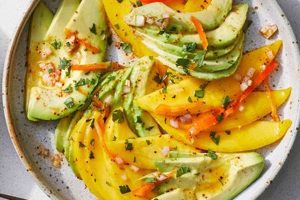
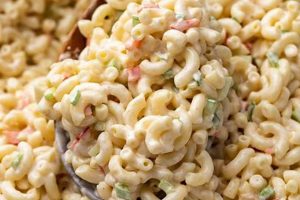
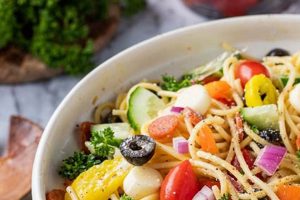
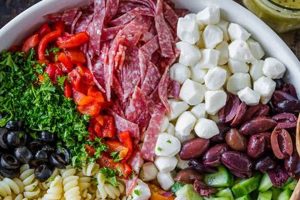
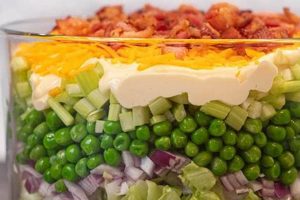
Warm weather brings an abundance of fresh produce, making vibrant, chilled salads a welcome addition to any meal. These dishes typically feature a mix of raw or lightly cooked vegetables, often combined with complementary ingredients like herbs, fruits, grains, or proteins. Examples include combinations such as corn and tomato salad with basil, grilled zucchini and bell pepper salad with feta, or cucumber and avocado salad with a light vinaigrette.
Light and refreshing, these culinary creations offer a delicious way to enjoy seasonal produce at its peak flavor. They provide essential vitamins, minerals, and fiber, contributing to a healthy and balanced diet. Historically, salads have evolved from simple combinations of raw greens to the diverse and complex arrangements we see today, reflecting cultural influences and culinary innovations. The emphasis on fresh, seasonal ingredients aligns with contemporary culinary trends focused on both flavor and well-being.
The following sections will delve into specific seasonal vegetable combinations, explore various preparation methods, and offer insights into creating flavorful dressings and complementary additions.
Tips for Creating Delicious Summer Vegetable Salads
Crafting a satisfying summer vegetable salad involves thoughtful consideration of ingredient selection, preparation techniques, and flavor combinations. The following tips offer guidance for achieving optimal results.
Tip 1: Prioritize Seasonal Produce: Selecting vegetables at their peak ripeness guarantees optimal flavor and nutritional value. Farmers’ markets offer excellent sources for locally grown, in-season produce.
Tip 2: Embrace Variety in Texture and Color: Combining vegetables with contrasting textures (e.g., crunchy cucumbers with soft tomatoes) and vibrant colors creates visual appeal and a more engaging culinary experience.
Tip 3: Blanch or Grill Certain Vegetables: Lightly cooking denser vegetables like green beans or corn can enhance their flavor and tenderness while still maintaining a crisp texture suitable for salads.
Tip 4: Balance Flavors with Acidity: Incorporating acidic elements, such as citrus juice or vinegar in dressings, brightens the overall flavor profile and complements the sweetness of summer vegetables.
Tip 5: Experiment with Herbs and Spices: Fresh herbs like basil, mint, or dill, along with spices like cumin or coriander, can add depth and complexity to the salad.
Tip 6: Consider Adding Protein and Healthy Fats: Grilled chicken, fish, beans, nuts, or seeds can elevate a vegetable salad into a more substantial and satisfying meal while contributing valuable nutrients and textural contrast.
Tip 7: Prepare Ingredients in Advance: Washing, chopping, and pre-cooking certain vegetables ahead of time streamlines the salad assembly process, particularly beneficial for entertaining or busy weeknights.
By following these guidelines, one can create flavorful, nutritious, and visually appealing summer vegetable salads that highlight the bounty of the season.
These tips provide a foundation for creating diverse and delicious summer salads. The next section will explore specific recipe ideas and variations.
1. Fresh, Seasonal Produce

The foundation of exceptional summer vegetable salads lies in the utilization of fresh, seasonal produce. Peak-season vegetables offer optimal flavor, texture, and nutritional value, elevating the overall culinary experience. Understanding the nuances of seasonal produce selection is crucial for crafting truly outstanding salads.
- Availability and Flavor:
Seasonal availability dictates which vegetables are at their peak ripeness and flavor. Summer months offer an abundance of tomatoes, cucumbers, zucchini, bell peppers, and corn, each contributing unique characteristics to a salad. Choosing vegetables readily available in local markets ensures optimal freshness and minimizes transportation time, thereby maximizing flavor and nutritional content.
- Nutritional Value:
Vegetables harvested at their peak ripeness generally possess higher concentrations of vitamins and minerals. Incorporating a variety of colorful, seasonal vegetables into salads ensures a diverse nutrient intake. For instance, brightly colored bell peppers are rich in Vitamin C, while dark leafy greens offer Vitamin K and other essential nutrients.
- Culinary Versatility:
The diverse array of summer vegetables allows for endless culinary creativity. Tomatoes can be sliced, diced, or roasted, while cucumbers offer refreshing crunch. Zucchini can be grilled, shaved, or spiralized, and corn can be grilled, roasted, or used fresh off the cob. This versatility allows for a wide range of flavor and texture combinations within a single salad.
- Environmental Impact:
Prioritizing locally sourced, seasonal produce reduces the environmental impact associated with long-distance transportation. Supporting local farmers also fosters sustainable agricultural practices and strengthens community food systems. Choosing seasonal ingredients aligns with environmentally conscious culinary practices.
By focusing on fresh, seasonal produce, summer vegetable salads transform into vibrant, flavorful, and nutritious culinary creations. This emphasis on seasonality not only enhances the dining experience but also contributes to a more sustainable and environmentally responsible approach to food consumption.
2. Balanced Flavor Profiles

Achieving a harmonious blend of flavors is paramount in crafting exceptional summer vegetable salads. A well-balanced flavor profile elevates a simple combination of ingredients into a complex and satisfying culinary experience. This balance considers the interplay of sweet, sour, salty, bitter, and umami elements, ensuring no single flavor dominates.
- The Role of Acidity:
Acidity, often introduced through vinegar, citrus juice, or pickled vegetables, plays a crucial role in balancing the sweetness of summer vegetables like ripe tomatoes or corn. A vinaigrette with lemon juice or a sprinkle of red wine vinegar can brighten the overall flavor profile and prevent the salad from tasting overly sweet. The sharpness of acidity also cleanses the palate between bites.
- Sweet and Savory Combinations:
Balancing sweet and savory elements creates depth and complexity. Pairing sweet corn with salty feta cheese, or incorporating roasted vegetables with a touch of balsamic glaze, exemplifies this principle. The interplay of contrasting flavors adds layers of interest and prevents the salad from becoming one-dimensional.
- Textural Considerations:
Texture contributes to flavor perception. A salad with only soft ingredients can lack dynamism, while one with exclusively crunchy elements might feel monotonous. Combining creamy avocados with crisp cucumbers, or adding toasted nuts to a salad with juicy tomatoes, enhances both the textural and flavor experience.
- Umami Inclusion:
Umami, often described as a savory, meaty flavor, can add depth and richness to summer salads. Ingredients like crumbled feta cheese, toasted nuts, or a sprinkle of nutritional yeast contribute umami notes, enhancing the overall complexity and satisfaction. These ingredients can complement the fresh, vegetal flavors without overpowering them.
By thoughtfully considering the interplay of these flavor components, summer vegetable salads transcend basic combinations of ingredients and become well-rounded, nuanced culinary creations. A balanced flavor profile ensures each bite offers a complex and satisfying experience, highlighting the inherent deliciousness of fresh, seasonal produce.
3. Varied Textures and Colors
Visual appeal and textural diversity significantly enhance the enjoyment of summer vegetable salads. A thoughtfully composed salad engages multiple senses, elevating it from mere sustenance to a more complete sensory experience. The strategic incorporation of varied textures and colors contributes to this enhanced appeal, impacting both perceived freshness and overall enjoyment.
- Textural Contrast:
A combination of textures creates a dynamic and interesting eating experience. Crisp elements like cucumbers, bell peppers, or raw carrots provide a satisfying crunch, while softer components such as tomatoes, avocado, or cooked beets offer a contrasting smoothness. This interplay of textures prevents monotony and stimulates the palate. Imagine the contrast of a crunchy cucumber alongside a creamy avocado slice in a summer salad the textural variation adds a layer of complexity to each bite.
- Visual Interest:
Vibrant colors stimulate appetite and contribute to the perceived freshness of a salad. Incorporating a variety of colorful vegetables, such as deep red tomatoes, bright orange carrots, vibrant green spinach, and rich purple cabbage, creates a visually appealing presentation. This color diversity not only enhances the aesthetic value but also suggests a wider range of nutrients, further increasing the salads perceived health benefits.
- Flavor Perception:
Texture influences flavor perception. The crunch of a raw radish offers a different flavor experience compared to the same radish when cooked and softened. Similarly, the smooth texture of a roasted red pepper contrasts with the crispness of a raw bell pepper, even though both share a similar base flavor. By varying textures, one can create a more nuanced and complex flavor profile within the salad.
- Enhanced Culinary Experience:
The combination of varied textures and colors elevates the overall culinary experience. A visually appealing salad with a dynamic interplay of textures is more engaging and enjoyable to consume. This multi-sensory experience transforms a simple salad into a more satisfying and memorable part of a meal, encouraging mindful consumption and appreciation for the ingredients.
In the context of summer vegetable salads, the interplay of textures and colors is crucial. A salad composed solely of leafy greens, while nutritious, might lack the visual and textural appeal of one that incorporates a variety of colorful vegetables with contrasting textures. This attention to detail elevates the simple summer salad into a vibrant and engaging culinary creation.
4. Creative Dressings
Dressings function as a unifying element in summer vegetable salads, binding diverse ingredients and enhancing their inherent flavors. A creative approach to dressings elevates these salads beyond simple combinations of vegetables, transforming them into dynamic culinary creations. Strategic dressing selection complements the overall flavor profile and textural composition of the salad, crucial for a balanced and enjoyable culinary experience.
- Flavor Enhancement:
Dressings amplify the natural flavors of summer vegetables without masking their freshness. A light vinaigrette with lemon juice and herbs complements the sweetness of ripe tomatoes, while a creamy avocado dressing enhances the earthiness of roasted vegetables. The dressing should harmonize with the salad’s ingredients, creating a cohesive flavor profile. For example, a balsamic vinaigrette adds a tangy sweetness to a salad featuring grilled peaches and mozzarella.
- Texture and Mouthfeel:
Dressings contribute to the overall texture and mouthfeel of a salad. A creamy dressing adds richness and coats the vegetables, while a vinaigrette provides a lighter, more refreshing sensation. The choice of dressing should consider the existing textures within the salad. A creamy dressing might overwhelm a salad with delicate greens, whereas a vinaigrette provides a welcome counterpoint to a salad with robust, grilled vegetables. Consider a tahini dressing, offering a creamy texture, contrasting with the crunch of raw vegetables.
- Visual Appeal:
Dressings contribute to the visual presentation of a salad. A vibrant green goddess dressing adds a pop of color, while a drizzle of balsamic glaze creates an elegant finish. The dressing’s color and consistency should complement the salad’s overall aesthetic. A vibrant orange vinaigrette, for example, can enhance the visual appeal of a salad with darker greens and roasted vegetables.
- Balancing Flavors:
Dressings play a key role in balancing flavors within a salad. Acidity in a vinaigrette can cut through the richness of cheese or nuts, while a touch of sweetness in a dressing can complement the bitterness of certain greens. A well-chosen dressing harmonizes contrasting flavors, creating a balanced and satisfying taste experience. For instance, a honey-lime dressing balances the spice of jalapeos and the earthiness of black beans in a corn salad.
Creative dressings are integral to successful summer vegetable salads. They not only enhance flavor and texture but also contribute to visual appeal and overall balance. The careful selection and application of a dressing elevate the salad from a simple combination of ingredients to a well-rounded and satisfying culinary creation. Understanding the interplay between the dressing and the other components of the salad ensures a cohesive and enjoyable dining experience.
5. Simple Preparation
Efficiency in preparation is a hallmark of appealing summer vegetable salads. Minimal cooking preserves the fresh, vibrant flavors of seasonal produce while reducing preparation time, a desirable trait for warm-weather meals. This focus on simplicity aligns with the inherent nature of summer cuisine, emphasizing fresh, readily available ingredients and uncomplicated techniques.
- Emphasis on Fresh Ingredients:
Simple preparation methods highlight the natural flavors of fresh, peak-season vegetables. Minimal cooking or raw preparations preserve the crisp textures and vibrant tastes, delivering a refreshing and light culinary experience. For example, a salad featuring sliced tomatoes, cucumbers, and fresh herbs requires minimal manipulation, allowing the inherent flavors of the ingredients to shine through.
- Reduced Cooking Time:
Quick and easy preparation is ideal for warm weather, minimizing time spent in a hot kitchen. Simple salads often require no cooking or involve minimal blanching or grilling, ensuring a speedy transition from preparation to consumption. This efficiency is particularly beneficial for weeknight meals or casual entertaining. A simple salad can be assembled in minutes, offering a convenient and healthy meal option.
- Versatility and Adaptability:
Simple summer vegetable salads offer versatility and adaptability. Recipes can be easily modified to incorporate readily available ingredients or cater to individual preferences. Substituting one vegetable for another, adding grilled protein, or changing the dressing allows for customization without sacrificing simplicity. This adaptability makes these salads ideal for utilizing seasonal produce and minimizing food waste. For instance, a cucumber and tomato salad can easily transition into a more substantial meal by adding grilled chicken or chickpeas.
- Preservation of Nutrients:
Minimal cooking preserves the nutritional value of summer vegetables. Raw or lightly cooked preparations retain heat-sensitive vitamins and minerals, maximizing the health benefits of the salad. This emphasis on nutrient preservation aligns with the focus on healthy eating and well-being often associated with summer cuisine. Consuming raw vegetables ensures maximum nutrient intake, as cooking can sometimes diminish certain vitamins.
The simplicity of preparation in summer vegetable salads accentuates the inherent qualities of fresh, seasonal produce. This approach not only minimizes time and effort but also maximizes flavor, nutritional value, and adaptability. The focus on fresh ingredients and uncomplicated techniques aligns perfectly with the desire for light, refreshing, and flavorful meals during warmer months.
Frequently Asked Questions
This section addresses common inquiries regarding summer vegetable salads, offering practical guidance and clarifying potential uncertainties.
Question 1: How can wilting be prevented in leafy green salads?
Washing and thoroughly drying greens before storage helps prevent wilting. Storing them in airtight containers lined with paper towels further absorbs excess moisture. Keeping leafy greens refrigerated also prolongs freshness.
Question 2: What are effective methods for preserving the vibrant colors of vegetables?
Blanching vegetables briefly in boiling water, followed by an immediate ice bath, sets colors and maintains texture. Storing cut vegetables properly and avoiding prolonged exposure to air also minimizes discoloration.
Question 3: Can these salads be prepared in advance for larger gatherings?
Many components can be prepared ahead of time. Vegetables can be chopped, dressings made, and certain components cooked. However, it is generally recommended to assemble the salad closer to serving time to prevent sogginess and maintain optimal texture.
Question 4: What are suitable alternatives to traditional salad dressings?
Alternatives to bottled dressings include simple vinaigrettes made with olive oil, lemon juice, or vinegar, combined with herbs and spices. Plain yogurt or tahini can also serve as bases for creamy dressings, offering healthier and customizable options.
Question 5: How can leftover cooked grains be incorporated into these salads?
Cooked grains like quinoa, rice, or farro add substance and nutritional value. Ensure grains are cooled completely before adding to prevent wilting other ingredients. Grains can be tossed with the vegetables and dressing or layered for visual appeal.
Question 6: What strategies help maintain food safety when preparing summer salads?
Thoroughly washing all produce, especially leafy greens, is crucial. Maintaining proper refrigeration temperatures for prepared ingredients and avoiding cross-contamination between raw meats and vegetables are also essential food safety practices.
Addressing these common questions provides a comprehensive understanding of summer vegetable salad preparation, ensuring both enjoyable and safe culinary experiences. By following these guidelines, individuals can confidently create delicious and healthy salads throughout the summer season.
This concludes the FAQ section. The following section will offer concluding thoughts and summarize key takeaways regarding summer vegetable salad preparation.
Conclusion
Exploration of summer vegetable salad preparation reveals the importance of fresh, seasonal produce, balanced flavor profiles, varied textures and colors, creative dressings, and simple preparation techniques. These elements contribute to salads that are not only nutritious but also visually appealing and flavorful. Prioritizing seasonal ingredients ensures optimal taste and nutritional value while supporting local agriculture. Balancing flavors through acidity, sweetness, and savory components creates depth and complexity. Attention to texture and color enhances the sensory experience, while creative dressings unify diverse ingredients. Simple preparation methods preserve the freshness of produce and minimize time spent in the kitchen.
Culinary creativity with seasonal vegetables offers a pathway to healthier eating habits and a deeper appreciation for the bounty of summer. Continued exploration of flavor combinations and innovative techniques will further enrich culinary experiences and promote the consumption of fresh, wholesome foods. The potential for innovation within this culinary realm remains vast, encouraging ongoing experimentation and discovery.