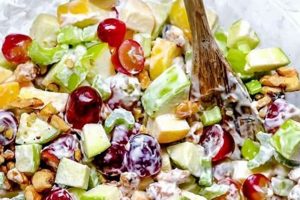
A vibrant and flavorful dish, typically composed of fresh greens, other vegetables, and the distinctive addition of pomegranate arils, is often complemented by a vinaigrette or other light dressing. Variations can include nuts, cheeses, dried fruits, and proteins like grilled chicken or fish. An example might feature baby spinach, crumbled feta cheese, toasted walnuts, and a lemon-poppy seed dressing, all brought together with the jewel-toned and tart pomegranate seeds.
The inclusion of pomegranate arils offers not only visual appeal but also nutritional benefits. Pomegranates are rich in antioxidants and are believed to contribute to heart health and improved immunity. Historically, pomegranates have symbolized prosperity and abundance in many cultures, adding a layer of culinary significance to their use. The combination of diverse textures and flavors in such dishes creates a balanced and satisfying meal, suitable for various dietary preferences.
Further exploration of this culinary concept will cover specific recipes, variations, and tips for selecting and preparing ingredients, ultimately guiding readers toward creating their own flavorful and healthful versions of this versatile dish.
Tips for Preparing a Salad with Pomegranate Arils
Optimizing the flavor and presentation of a salad featuring pomegranate arils involves careful consideration of ingredient selection and preparation techniques. The following tips offer guidance for creating a successful and enjoyable culinary experience.
Tip 1: Seed Removal: To easily extract pomegranate arils, score the fruit and submerge it in a bowl of water. Gently loosen the seeds underwater; they will sink while the pith floats, simplifying separation.
Tip 2: Ingredient Balance: Consider the balance of flavors and textures. Pair the tartness of pomegranate with complementary ingredients such as creamy cheeses, toasted nuts, or slightly bitter greens.
Tip 3: Dressing Selection: Opt for a light vinaigrette that complements the pomegranate without overpowering its delicate flavor. Lemon, orange, or balsamic-based dressings are excellent choices.
Tip 4: Freshness is Key: Utilize fresh, high-quality ingredients. Select pomegranates with taut, unblemished skin, and choose crisp greens and other vegetables at their peak ripeness.
Tip 5: Proper Storage: Store pomegranate arils in an airtight container in the refrigerator for up to five days. Add them to the salad just before serving to maintain their texture and prevent the other ingredients from becoming soggy.
Tip 6: Visual Appeal: Distribute the pomegranate arils evenly across the salad to maximize their visual impact. Their vibrant color enhances the overall presentation.
Tip 7: Experimentation Encouraged: Don’t hesitate to experiment with various ingredients and flavor combinations. Explore different greens, cheeses, nuts, and proteins to create unique and personalized variations.
By following these guidelines, one can elevate a simple salad into a visually appealing and nutritionally rich culinary creation, maximizing the benefits and enjoyment of fresh, seasonal ingredients.
These preparatory insights pave the way for a deeper understanding of specific recipes and techniques, enabling the creation of truly exceptional dishes featuring the vibrant and flavorful pomegranate aril.
1. Fresh, Vibrant Greens

Fresh, vibrant greens form the foundation of a successful salad featuring pomegranate arils. Their contribution extends beyond mere volume, playing a crucial role in texture, flavor, and nutritional value. The choice of greens significantly influences the overall sensory experience. Leafy greens like spinach, arugula, or butter lettuce offer a soft, delicate counterpoint to the pomegranate’s juicy bursts of tartness. Heartier greens such as kale or romaine provide a robust textural contrast. This interplay of textures creates a more dynamic and satisfying culinary experience. The subtle bitterness of some greens, like arugula, can also balance the pomegranate’s sweetness, adding complexity to the flavor profile. Furthermore, fresh greens contribute essential vitamins and minerals, enhancing the nutritional value of the dish. A salad composed of baby spinach, pomegranate arils, crumbled goat cheese, and a light vinaigrette exemplifies this harmonious interplay of components. The spinach provides a bed of mild flavor and tender texture, allowing the pomegranate’s tartness and the goat cheese’s tanginess to shine.
The freshness of the greens is paramount. Wilted or discolored leaves detract from both the visual appeal and the overall enjoyment of the salad. Crisp, vibrant greens not only look more appetizing but also contribute a more satisfying textural element. Proper storage and handling are essential for maintaining this freshness. Greens should be stored in a cool, dry environment and washed just before use. Furthermore, selecting greens based on seasonal availability often yields the most flavorful and nutrient-rich options. For instance, spring greens like baby spinach and mesclun are ideal for lighter, brighter salads, while winter greens like kale and radicchio offer a more robust flavor profile suited to heartier combinations.
Careful selection and proper handling of fresh greens are therefore integral to a successful pomegranate aril salad. This foundational element contributes significantly to the overall flavor, texture, and nutritional balance, elevating a simple combination of ingredients into a truly satisfying and healthful dish. Understanding the role of these greens allows for informed choices that maximize both the culinary and nutritional potential of the final creation.
2. Complementary Ingredients

Complementary ingredients are essential for a well-balanced and flavorful salad featuring pomegranate arils. These ingredients interact with the pomegranate’s distinct tartness and sweetness, creating a harmonious blend of flavors and textures. Careful selection of complementary components elevates the salad from a simple combination of ingredients to a complex and satisfying culinary experience.
- Textural Variety
Textural variety enhances the sensory experience. Crunchy elements, such as toasted nuts (almonds, walnuts, pecans), seeds (sunflower, pumpkin), or croutons, contrast with the pomegranate arils’ juicy texture and the greens’ leafy texture. This interplay creates a dynamic mouthfeel that adds depth and complexity to each bite. Consider the contrast between crisp romaine lettuce, crunchy toasted walnuts, and juicy pomegranate arils.
- Flavor Balancing
Ingredients with contrasting flavor profiles balance the pomegranate’s tartness. Creamy cheeses, such as feta, goat cheese, or ricotta, provide a mellow counterpoint. The tanginess of these cheeses complements the pomegranate without overpowering its delicate flavor. Sweet elements, like dried cranberries or roasted sweet potatoes, add another layer of complexity. The interplay of sweet, tart, and creamy flavors contributes to a more nuanced and satisfying overall taste. A balsamic vinaigrette provides a slightly acidic counterpoint that further enhances the flavor balance.
- Nutritional Enhancement
Complementary ingredients offer opportunities to enhance the nutritional value. Adding ingredients like avocado provides healthy fats, while roasted vegetables, such as broccoli or Brussels sprouts, contribute vitamins and minerals. Lean proteins, like grilled chicken or fish, increase the protein content, making the salad a more complete meal. Combining spinach, pomegranate arils, grilled salmon, and avocado creates a nutritionally dense and flavorful meal.
- Visual Appeal
Visually appealing components contribute to the overall dining experience. Colorful vegetables, such as bell peppers, red onion, or roasted carrots, create visual interest and enhance the salad’s presentation. The vibrant colors of these ingredients, juxtaposed against the deep red of the pomegranate arils, create a visually stunning dish. Consider a salad with mixed greens, pomegranate arils, sliced red onion, orange segments, and crumbled feta cheesethe variety of colors makes the dish more enticing.
The strategic inclusion of complementary ingredients is crucial for creating a well-balanced and flavorful salad featuring pomegranate arils. By considering texture, flavor, nutritional value, and visual appeal, one can craft a dish that is not only delicious but also offers a complete sensory and nutritional experience. These considerations elevate the salad from a simple dish to a culinary creation, showcasing the versatility and potential of the pomegranate aril as a key ingredient.
3. Balanced Flavor Profiles

Balanced flavor profiles are crucial for a successful salad incorporating pomegranate seeds. The pomegranate’s distinctive tart-sweet flavor requires careful consideration of other ingredients to prevent flavor imbalances. Overly sweet or savory additions can mask the pomegranate’s nuanced taste, while ingredients with similar flavor profiles may create a monotonous experience. A balanced profile, however, enhances the pomegranate’s character without overshadowing it. This involves strategically combining ingredients with complementary flavors and textures. For instance, the slight bitterness of arugula balances the pomegranate’s sweetness, while creamy feta cheese provides a textural and savory counterpoint. A light vinaigrette with citrus notes can brighten the overall flavor profile without overpowering the pomegranate’s delicate taste.
The practical significance of flavor balance becomes evident when considering specific examples. A salad combining pomegranate seeds, candied pecans, and a sweet dressing might become cloyingly sweet. Conversely, a salad with intensely savory ingredients like blue cheese and a heavy vinaigrette could overwhelm the pomegranate’s subtle flavor. However, a salad combining pomegranate seeds, baby spinach, toasted walnuts, crumbled goat cheese, and a lemon vinaigrette demonstrates successful flavor balancing. The spinach provides a neutral base, the walnuts offer textural contrast, the goat cheese adds a tangy element, and the lemon vinaigrette brightens the palate, allowing the pomegranate’s flavor to shine through.
Successfully balancing flavor profiles ensures the pomegranate’s unique qualities contribute positively to the overall culinary experience. It avoids the pitfalls of overpowering sweetness or excessive savoriness, allowing the pomegranate’s distinct tart-sweet notes to enhance the dish. This understanding enables the creation of salads that are not only flavorful but also showcase the pomegranate’s versatility as a culinary ingredient. Furthermore, a well-balanced flavor profile contributes to a more satisfying and enjoyable meal, highlighting the importance of thoughtful ingredient selection and combination.
4. High-Quality Pomegranate Arils
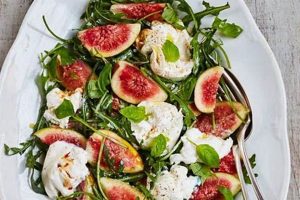
High-quality pomegranate arils are essential for an exceptional salad featuring this ingredient. Aril quality directly impacts the flavor, texture, and visual appeal of the final dish. Plump, jewel-toned arils burst with a refreshing tart-sweet flavor, offering a pleasant textural contrast to other salad components. Conversely, dry, shriveled, or pale arils detract from both the taste and presentation. The difference is noticeable: high-quality arils elevate the salad’s sensory experience, while subpar arils can diminish enjoyment. Imagine a salad with vibrant, glistening pomegranate arils versus one with dull, dried-out arilsthe visual and gustatory impact is undeniable. A salad featuring fresh burrata, peppery arugula, and high-quality pomegranate arils offers a delightful interplay of flavors and textures, highlighting the pomegranate’s unique contribution. Replacing those arils with an inferior product compromises the overall quality and enjoyment of the dish.
This understanding has significant practical applications. Selecting pomegranates with taut, unblemished skin generally indicates higher-quality arils. Proper storage is equally crucial. Arils should be stored airtight in refrigeration and used within a few days to maintain optimal freshness. Recognizing quality indicators and employing proper storage techniques maximizes the pomegranate’s culinary potential. Consider the scenario of preparing a salad for a special occasion: using premium-quality arils ensures a visually stunning and flavorful dish, while neglecting quality could result in a disappointing culinary experience. This underscores the importance of prioritizing aril quality for achieving desired outcomes in recipes.
The connection between high-quality pomegranate arils and a successful pomegranate seed salad is fundamental. Aril quality significantly influences the dish’s overall flavor, texture, and visual presentation. This knowledge empowers informed decisions regarding pomegranate selection, storage, and utilization, ultimately enhancing the culinary experience. Recognizing this link ensures the pomegranate’s unique characteristics contribute positively to the final creation, elevating a simple salad to a truly exceptional dish. Failure to prioritize aril quality risks compromising the intended culinary outcome, underscoring the importance of this seemingly simple, yet crucial component.
5. Appropriate Dressing Selection

Appropriate dressing selection is paramount in a salad featuring pomegranate arils. The dressing should complement, not overpower, the pomegranate’s distinct tart-sweet flavor and the other ingredients’ contributions. A well-chosen dressing harmonizes the diverse components, creating a cohesive and balanced culinary experience. An ill-suited dressing, however, can mask delicate flavors, resulting in a less satisfying dish.
- Acidity Level
The dressing’s acidity should balance the pomegranate’s sweetness and other ingredients. Excessive acidity can overwhelm the palate, while insufficient acidity can result in a bland salad. Lemon or lime-based vinaigrettes offer a bright, citrusy counterpoint to the pomegranate, while a balsamic vinaigrette contributes a deeper, more complex acidity. Consider a light lemon vinaigrette with a touch of honey to balance sweetness and tartness. This choice enhances the pomegranate’s flavor profile without overpowering it.
- Flavor Intensity
The dressing’s flavor intensity should harmonize with the other ingredients. Bold, assertive dressings can mask the pomegranate’s delicate flavor, while overly mild dressings may fail to provide sufficient complexity. A vinaigrette with subtle herbal notes, such as mint or basil, can complement the pomegranate without competing with it. Alternatively, a slightly tangy dressing made with Greek yogurt and herbs can provide a creamy contrast to the pomegranate’s juiciness. A heavy, creamy dressing, however, might overwhelm the other flavors.
- Oil Choice
The type of oil used in the dressing influences the salad’s overall flavor and texture. Extra virgin olive oil offers a robust flavor that pairs well with Mediterranean-inspired salads featuring ingredients like feta cheese and olives. A lighter oil, like grapeseed or avocado oil, provides a more neutral base that allows the pomegranate and other components to shine. Consider the interplay between a robust olive oil dressing and a salad with Kalamata olives, feta, and pomegranate arils. This combination offers a cohesive flavor profile.
- Sweetness Level
The dressing’s sweetness should complement the pomegranate’s natural sweetness and balance any tartness. A touch of honey or maple syrup in a vinaigrette can enhance the overall flavor profile. However, excessive sweetness can mask the pomegranate’s nuanced flavor. A balanced approach considers the sweetness of other ingredients, such as dried fruits or roasted vegetables. For instance, a salad with roasted sweet potatoes and pomegranate arils might benefit from a less sweet dressing than a salad with peppery arugula and pomegranate arils. This customization ensures optimal flavor balance.
These considerations highlight the integral role of dressing selection in a successful pomegranate seed salad. A thoughtfully chosen dressing elevates the dish by harmonizing flavors, balancing textures, and enhancing the overall sensory experience. The interplay between the dressing and the pomegranate’s distinct characteristics is crucial; the dressing should complement and enhance, never overpower. This understanding empowers informed choices that maximize the culinary potential of each ingredient, ensuring a truly satisfying and well-balanced salad.
6. Proper Preparation Techniques

Proper preparation techniques are essential for maximizing the flavor, texture, and visual appeal of a salad with pomegranate seeds. These techniques ensure that each ingredient contributes optimally to the final dish, elevating it from a simple combination of components to a cohesive and satisfying culinary experience. Neglecting proper preparation can compromise the quality of the salad, diminishing its sensory appeal and nutritional value. The following facets highlight key aspects of proper preparation:
- Ingredient Handling
Careful handling of ingredients preserves their freshness and quality. Washing and drying greens thoroughly prevents wilting and ensures a crisp texture. Gentle handling of pomegranate arils minimizes bruising and maintains their juicy, plump appearance. Storing ingredients correctly, such as refrigerating greens in a crisper drawer and storing pomegranate arils in an airtight container, extends their shelf life and preserves their optimal qualities. For example, washing lettuce leaves and then storing them in a damp paper towel within a sealed container maintains crispness.
- Seed Removal
Efficient and effective pomegranate seed removal is crucial. Submerging the pomegranate in water while gently separating the arils minimizes mess and prevents juice splattering. This method also facilitates the separation of the arils from the pith, ensuring a cleaner and more enjoyable eating experience. Scooping the arils from the submerged fruit allows them to sink to the bottom of the bowl while the pith floats to the top, simplifying the process. This technique minimizes waste and maximizes the yield of usable arils.
- Knife Skills
Precise knife skills enhance both the presentation and enjoyment of the salad. Uniformly chopping vegetables ensures even cooking and distribution of flavors. Consistent slicing of ingredients like onions or cucumbers creates a visually appealing presentation and improves the overall texture of the salad. Properly dicing ingredients, such as bell peppers or tomatoes, creates bite-sized pieces that blend harmoniously with the other components. For example, thinly slicing red onion minimizes its pungency while adding visual appeal.
- Timing of Dressing
Adding the dressing just before serving prevents the salad from becoming soggy. This preserves the crispness of the greens and maintains the texture of other delicate ingredients. Prematurely dressing the salad can lead to wilted greens and a less appealing presentation. For instance, adding the vinaigrette to a salad with delicate greens just before serving maintains their texture and prevents them from becoming limp. This timing also ensures that the flavors of the dressing remain vibrant and do not become diluted.
These proper preparation techniques are integral to a successful pomegranate seed salad. They ensure that the pomegranate’s distinct flavor and texture are highlighted, contributing to a balanced and enjoyable culinary experience. These methods also contribute to the salad’s visual appeal and nutritional value, maximizing the benefits of each ingredient. By implementing these techniques, one can elevate a simple salad into a truly exceptional dish, showcasing the versatility and culinary potential of the pomegranate seed. The interplay between proper preparation and the overall quality of the salad is undeniable, demonstrating the importance of these seemingly small, yet crucial steps in the culinary process.
7. Visually Appealing Presentation

Visually appealing presentation elevates a salad with pomegranate seeds from a simple dish to a culinary creation. Presentation enhances the dining experience, stimulating appetite and creating a sense of anticipation. Careful arrangement and attention to visual details maximize the inherent beauty of the ingredients, transforming a basic salad into a feast for the eyes. This connection between visual appeal and enjoyment is crucial for maximizing the overall culinary experience.
- Color Contrast
Color contrast creates visual interest and highlights the variety of ingredients. The deep red of pomegranate arils provides a striking contrast against vibrant green spinach, creating a visually dynamic composition. Further color variation can be achieved through the inclusion of ingredients like orange segments, yellow bell peppers, or purple cabbage. This interplay of colors enhances the salad’s aesthetic appeal, making it more enticing.
- Textural Variation
Textural variation adds depth and dimension to the presentation. The juxtaposition of smooth avocado slices, crunchy toasted nuts, and plump pomegranate arils creates a visually engaging texture contrast. This interplay captures the eye and adds to the overall sensory experience. A flat, uniform texture appears less appealing than a salad with varied heights and textures.
- Strategic Placement
Strategic placement of ingredients maximizes visual impact. Distributing pomegranate arils evenly across the salad, rather than clumping them together, showcases their vibrant color and prevents a monotonous appearance. Similarly, arranging other ingredients thoughtfully, such as layering components or creating a focal point, enhances the overall composition. Consider a salad where the pomegranate arils are scattered like jewels amongst the greens, creating a visually captivating effect. This deliberate placement elevates the presentation.
- Serving Dish Selection
Serving dish selection influences the visual presentation. A shallow, wide bowl allows for optimal display of the salad’s components, showcasing the colors and textures. Alternatively, individual plates or bowls offer a more personalized presentation. The choice of serving vessel contributes to the overall aesthetic and dining experience. A rustic wooden bowl might complement a salad with earthy ingredients, while a sleek white plate provides a clean backdrop for vibrant colors to pop.
These facets of visual presentation contribute significantly to the overall enjoyment of a salad with pomegranate seeds. A visually appealing salad is more enticing and enhances the dining experience. By considering color contrast, textural variation, strategic placement, and serving dish selection, one can transform a simple salad into a visually stunning and memorable culinary creation. This attention to detail elevates the dish beyond mere sustenance, creating a more engaging and satisfying experience for the diner. The visual presentation becomes an integral part of the culinary narrative, enriching the enjoyment of the pomegranate seed salad.
Frequently Asked Questions
This section addresses common inquiries regarding salads featuring pomegranate seeds, offering practical guidance and clarifying potential uncertainties.
Question 1: How can pomegranate arils be easily separated from the fruit?
Submerging the pomegranate in a bowl of water and gently separating the arils minimizes mess and simplifies the process. The arils sink while the pith floats, facilitating easy removal.
Question 2: What dressings best complement a pomegranate seed salad?
Light vinaigrettes, such as lemon, lime, or balsamic, generally complement the pomegranate’s tart-sweet flavor without overpowering it. A touch of honey or maple syrup can balance acidity while enhancing the overall flavor profile.
Question 3: How long can pomegranate arils be stored?
Stored airtight in refrigeration, pomegranate arils typically maintain optimal quality for up to five days. Adding them to the salad just before serving preserves their texture and prevents the other ingredients from becoming soggy.
Question 4: What ingredients pair well with pomegranate seeds in a salad?
Ingredients offering contrasting flavors and textures, such as creamy cheeses (feta, goat), crunchy nuts (walnuts, pecans), and leafy greens (spinach, arugula), create balanced and appealing combinations.
Question 5: Can pomegranate seeds be used in salads beyond leafy greens?
Pomegranate seeds can enhance various salads, including grain-based salads (quinoa, farro), fruit salads, and even those featuring roasted vegetables. Their versatility extends beyond traditional leafy green salads.
Question 6: How can one prevent pomegranate arils from staining other salad ingredients?
Adding the pomegranate arils just before serving minimizes staining. Additionally, using a light vinaigrette, rather than a heavy dressing, reduces the likelihood of color transfer.
Understanding these key aspects ensures successful preparation and enjoyment of salads incorporating this versatile and flavorful ingredient. Proper techniques and informed choices maximize the pomegranate’s culinary potential, contributing to a satisfying and healthful dish.
This FAQ section provides foundational knowledge for exploring a variety of specific recipes and variations, allowing for personalized creations tailored to individual preferences and dietary needs. The following sections will delve into specific recipe examples and further explore the versatility of pomegranate seeds in culinary applications.
Conclusion
Exploration of salads incorporating pomegranate seeds reveals the interplay of flavor, texture, and visual appeal as crucial elements. Careful ingredient selection, balanced flavor profiles, high-quality arils, appropriate dressing selection, proper preparation techniques, and thoughtful presentation contribute to a successful culinary outcome. The pomegranate’s unique tart-sweet flavor profile offers versatility, allowing integration with diverse ingredients and culinary traditions. Understanding these key elements empowers informed choices, maximizing the pomegranate’s culinary potential.
Culinary exploration benefits from continued experimentation with pomegranate arils. The potential for innovative flavor combinations and diverse culinary applications remains vast. Further investigation promises exciting discoveries and a deeper appreciation for this unique ingredient’s versatility and nutritional benefits. The culinary journey with pomegranate seeds represents an ongoing exploration of taste, texture, and visual delight, enriching gastronomic experiences.