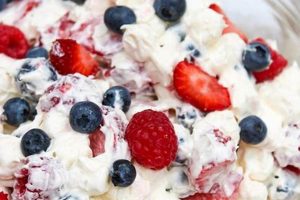
Simple salads featuring lettuce as the primary ingredient offer a refreshing and nutritious meal option. These dishes often combine readily available ingredients and minimal preparation, making them ideal for quick lunches, light dinners, or side dishes. A basic example might include crisp romaine lettuce, cherry tomatoes, cucumber slices, and a light vinaigrette.
Fresh salads contribute valuable vitamins and minerals to one’s diet, and their customizable nature allows for diverse flavor profiles and dietary accommodations. Historically, consuming raw greens dates back centuries, and the evolution of salad preparation has led to a vast array of options, from classic combinations to innovative blends of textures and tastes. The accessibility and adaptability of these recipes make them a consistently popular culinary choice.
This article will further explore various readily achievable salad variations, covering ingredient selection, preparation techniques, and dressing suggestions to enhance flavor and nutritional value.
Tips for Preparing Simple Lettuce Salads
Creating a delicious and nutritious lettuce-based salad requires attention to a few key details. The following tips offer guidance for achieving optimal flavor and texture.
Tip 1: Ingredient Selection: Opt for fresh, crisp lettuce varieties. Consider textures and flavors ranging from the mildness of butter lettuce to the peppery bite of arugula. Inspect produce for blemishes or wilting.
Tip 2: Proper Washing and Drying: Thoroughly rinse lettuce leaves under cold water to remove any dirt or debris. Employ a salad spinner or gently pat leaves dry with a clean cloth to prevent a soggy salad.
Tip 3: Enhancing Flavor with Variety: Incorporate a variety of complementary ingredients, such as chopped vegetables, fruits, nuts, seeds, or cheeses, to elevate flavor profiles and nutritional value.
Tip 4: Dressing Selection and Application: Choose a dressing that complements the chosen ingredients. Light vinaigrettes, creamy dressings, or simple lemon juice and olive oil can enhance the salad’s overall taste. Add dressing just before serving to prevent the lettuce from wilting.
Tip 5: Storage Techniques: Store leftover salad components separately to maintain freshness. Combine ingredients and add dressing only when ready to consume.
Tip 6: Creative Ingredient Combinations: Explore various flavor combinations by incorporating roasted vegetables, grilled chicken or fish, or different types of grains. Consider seasonal ingredients for optimal freshness and flavor.
Tip 7: Mindful Presentation: Arrange salad components thoughtfully for an appealing presentation. Consider the colors, textures, and heights of the various elements.
By following these guidelines, one can consistently create flavorful and appealing salads that offer a satisfying and healthful meal option.
The following section will provide specific recipe examples to illustrate the application of these techniques and inspire culinary creativity.
1. Fresh, Crisp Lettuce

Fresh, crisp lettuce forms the foundation of any successful easy lettuce salad recipe. Its texture provides a pleasant contrast to other ingredients and contributes significantly to the overall sensory experience. A salad built on wilted or less-than-fresh lettuce compromises the entire dish, regardless of other high-quality components. The crispness offers a satisfying crunch, while the fresh flavor provides a neutral backdrop that enhances the taste of accompanying vegetables, fruits, proteins, or dressings. For instance, a salad composed of crisp romaine lettuce, juicy tomatoes, and a vibrant vinaigrette offers a refreshing and texturally appealing experience. Conversely, using limp lettuce results in a less enjoyable, potentially unappetizing salad.
The choice of lettuce variety also influences the final product. Butter lettuce offers a delicate, mild flavor and soft texture, suitable for salads with equally delicate ingredients. Romaine provides a robust crunch and slightly bitter taste, ideal for salads with heartier toppings and bolder dressings. Crisphead lettuce, like iceberg, offers a refreshing crunch but a more neutral flavor. Understanding these nuances allows for strategic selection based on desired outcomes. Utilizing fresh, crisp lettuce contributes not only to taste and texture but also to the visual appeal of the salad. Vibrant, unblemished leaves enhance presentation, making the salad more enticing.
Selecting and maintaining fresh, crisp lettuce is crucial for achieving a successful easy lettuce salad. Proper storage, such as refrigeration in a crisper drawer and avoiding pre-washing, helps preserve freshness. Recognizing signs of spoilage, such as discoloration or sliminess, is equally important. Ultimately, the quality of the lettuce directly impacts the overall quality and enjoyment of the salad. By prioritizing fresh, crisp lettuce, one ensures a delightful culinary experience and maximizes the nutritional benefits derived from this essential salad component.
2. Variety of Toppings

The versatility of easy lettuce salad recipes stems significantly from the wide array of topping options. Toppings transform a simple bowl of lettuce into a complex, flavorful, and nutritionally balanced meal. Strategic topping selection elevates both the sensory experience and the nutritional value of these salads, making them a customizable and satisfying choice. Exploring the various categories of toppings provides insight into how they contribute to the overall success of a simple lettuce salad.
- Vegetables:
Adding various vegetables introduces diverse textures, colors, and nutrients. Examples include chopped cucumbers, bell peppers, carrots, red onions, and cherry tomatoes. These not only contribute vitamins and minerals but also provide textural contrast to the lettuce. The crispness of a cucumber complements the softness of lettuce, while the sweetness of bell peppers adds depth of flavor. Consider seasonal vegetables for optimal freshness and flavor profiles.
- Fruits:
Incorporating fruits introduces a touch of sweetness and further expands the nutritional profile. Berries, such as strawberries, blueberries, and raspberries, offer antioxidants and a burst of flavor. Sliced apples or pears provide sweetness and contrasting textures. Dried fruits, like cranberries or raisins, offer concentrated sweetness and chewiness. The interplay of sweet and savory elements creates a more complex and satisfying salad.
- Proteins:
Adding protein transforms a light salad into a more substantial meal. Grilled chicken or fish, hard-boiled eggs, beans, lentils, or nuts offer protein and contribute to satiety. These additions also introduce diverse textures and flavors. For instance, the crunch of nuts complements the tenderness of chicken, creating a balanced sensory experience. The choice of protein can be tailored to dietary preferences and needs.
- Other additions:
Further enhancements include ingredients like crumbled cheese, seeds (sunflower, pumpkin, chia), croutons, or herbs. Cheese adds a creamy, salty element, while seeds contribute healthy fats and subtle nutty flavors. Croutons provide a satisfying crunch, and fresh herbs, like parsley or dill, infuse aromatic complexity. These additions further personalize the salad and contribute to its overall appeal.
The thoughtful combination of these topping categories creates a symphony of flavors, textures, and nutrients within the simple lettuce salad framework. By strategically selecting and combining toppings, one can craft a personalized culinary experience that is both nutritious and enjoyable. The adaptability of easy lettuce salads to diverse topping combinations makes them a consistently appealing and healthy meal option.
3. Complementary Dressings

The success of easy lettuce salad recipes hinges significantly on the selection of a complementary dressing. Dressings provide flavor, moisture, and can tie all the ingredients together harmoniously. A well-chosen dressing enhances the natural flavors of the lettuce and other components without overpowering them. Conversely, an ill-suited dressing can mask delicate flavors or create an unbalanced taste profile. The interplay between the dressing and the other salad components contributes directly to the overall culinary experience. For instance, a light vinaigrette with a touch of acidity complements a salad composed of delicate greens and fresh vegetables, while a creamy dressing may overwhelm such a combination. A robust, Caesar-style dressing might better suit a salad with romaine lettuce, croutons, and parmesan cheese.
Several factors contribute to dressing selection. The inherent flavors of the lettuce and other salad components necessitate careful consideration. Delicate lettuces, like butter lettuce, pair well with light vinaigrettes or simple lemon juice and olive oil, allowing their subtle flavors to shine. Heartier greens, such as romaine or kale, can withstand bolder dressings like blue cheese or ranch. The intensity of other ingredients, such as strongly flavored cheeses or cured meats, also influences dressing selection. Balancing flavors is essential. A salad with pronounced savory elements might benefit from a touch of sweetness in the dressing, while a salad with predominantly sweet components might require a dressing with acidity or tang. Texture also plays a role. Creamy dressings complement crunchy ingredients, while lighter dressings suit salads with softer textures.
Understanding the role of complementary dressings in easy lettuce salad recipes elevates these dishes from simple to exceptional. Careful consideration of the interplay between dressing and salad components ensures a harmonious and satisfying culinary experience. The right dressing enhances the individual flavors of the ingredients while contributing to the overall balance and appeal of the salad. This understanding empowers one to create consistently delicious and well-balanced salads tailored to specific tastes and preferences.
4. Quick Preparation

The “easy” in “easy lettuce salad recipes” hinges significantly on quick preparation. This characteristic makes these salads a practical choice for busy individuals or those seeking convenient meal options without compromising nutritional value or flavor. Efficiency in preparation hinges on several contributing factors, each playing a crucial role in minimizing the time investment required to create a satisfying and healthful salad.
- Pre-washed and Pre-cut Ingredients:
Utilizing pre-washed and pre-cut ingredients significantly reduces preparation time. Bagged salad mixes, pre-chopped vegetables, and readily available cooked proteins streamline the process. This eliminates the need for washing, chopping, and cooking, allowing for quicker assembly. The availability of these convenience items contributes directly to the speed and ease with which a salad can be created.
- Simple Dressings:
Easy lettuce salad recipes often employ simple dressings that require minimal preparation. Vinaigrettes composed of readily available ingredients like oil, vinegar, and seasonings require mere seconds to whisk together. Pre-made dressings also offer a convenient alternative, further reducing preparation time. The simplicity of dressing preparation contributes to the overall efficiency of creating these salads.
- Minimal Cooking Requirements:
Many easy lettuce salad recipes require minimal or no cooking, further expediting the process. Raw vegetables, fruits, and nuts can be incorporated directly, eliminating cooking time. Pre-cooked proteins, such as grilled chicken or canned beans, also contribute to the ease and speed of preparation. The absence of elaborate cooking procedures makes these salads ideal for quick meals.
- Versatile Ingredients:
The versatility of acceptable ingredients in easy lettuce salads lends itself to utilizing readily available components. Refrigerator staples, pantry items, and readily accessible fresh produce can be combined creatively, reducing the need for specialized ingredient sourcing or advanced preparation techniques. This adaptability further simplifies the process and reduces overall preparation time.
The convergence of these factors pre-prepared ingredients, simple dressings, minimal cooking, and ingredient versatility contributes directly to the quick preparation associated with easy lettuce salad recipes. This efficiency makes these salads a practical and appealing option for individuals seeking nutritious and flavorful meals without extensive time commitments. The speed and ease of preparation directly support the “easy” designation and contribute to the ongoing popularity of these recipes.
5. Versatile Ingredients

Ingredient versatility significantly contributes to the ease and appeal of lettuce-based salads. This adaptability allows for a wide range of flavor profiles and nutritional compositions, accommodating diverse dietary needs and preferences. The ability to incorporate various readily available components reduces reliance on specific ingredients, simplifying meal planning and preparation. This flexibility distinguishes easy lettuce salad recipes from more complex or specialized dishes. For example, a simple salad can be created with readily available ingredients such as canned beans, leftover grilled chicken, or a handful of nuts, eliminating the need for specific grocery purchases or elaborate preparation techniques. This inherent adaptability simplifies the cooking process and allows for spontaneous meal creation based on available resources.
The practical implications of ingredient versatility extend beyond convenience. Dietary restrictions, such as gluten intolerance or vegetarianism, can be readily accommodated within the flexible framework of easy lettuce salads. Ingredient substitutions allow for customization based on individual preferences or seasonal ingredient availability. Swapping romaine lettuce for spinach, adding seasonal berries, or incorporating different protein sources exemplifies the adaptability of these recipes. This inherent versatility ensures that easy lettuce salads remain a practical and appealing meal option across diverse contexts and dietary needs.
In conclusion, ingredient versatility represents a cornerstone of easy lettuce salad recipes. This adaptability simplifies meal planning, accommodates dietary restrictions, and allows for creative customization based on available resources and personal preferences. The ability to utilize a wide range of ingredients contributes directly to the “easy” designation of these salads, making them a consistently practical and appealing meal option.
6. Nutritional Value
Nutritional value represents a significant benefit of easy lettuce salad recipes. These salads offer a readily accessible pathway to incorporating essential vitamins, minerals, and dietary fiber, contributing to overall health and well-being. Examining the nutritional components within these salads provides insight into their dietary significance.
- Vitamins and Minerals:
Lettuce and commonly incorporated vegetables, such as spinach, kale, and bell peppers, provide essential vitamins like A, C, and K, alongside minerals like folate and potassium. These micronutrients play crucial roles in various bodily functions, from immune system support to bone health. For example, vitamin A contributes to vision health, while vitamin C supports immune function. The variety of ingredients in these salads contributes to a diverse micronutrient intake.
- Dietary Fiber:
Lettuce and other vegetables contribute dietary fiber, which promotes digestive health and can aid in maintaining healthy cholesterol levels. Fiber adds bulk to the diet, promoting satiety and potentially assisting with weight management. The fiber content in easy lettuce salad recipes contributes to a balanced and healthful dietary intake.
- Low Calorie Density:
Easy lettuce salads often feature a low calorie density, meaning they provide a substantial volume of food with relatively few calories. This characteristic can be beneficial for individuals seeking to manage their weight or consume nutrient-rich foods without excessive caloric intake. The low calorie density, combined with high nutrient content, makes these salads a valuable dietary component.
- Customization for Dietary Needs:
The adaptable nature of easy lettuce salad recipes allows for customization to meet specific dietary needs. Individuals can tailor ingredient selections to increase protein intake, reduce carbohydrate consumption, or address specific nutrient deficiencies. For instance, adding grilled chicken or fish increases protein content, while incorporating nuts and seeds boosts healthy fats. This adaptability makes these salads suitable for a wide range of dietary patterns.
The nutritional value inherent in easy lettuce salad recipes positions them as a valuable component of a healthy diet. The readily accessible vitamins, minerals, fiber, and customizable nature of these salads contribute to their overall dietary significance. By understanding and leveraging the nutritional benefits of these recipes, individuals can make informed choices that support their overall health and well-being.
7. Flavorful Combinations

Flavorful combinations lie at the heart of successful easy lettuce salad recipes. Achieving a balance of flavors transforms a simple compilation of ingredients into a delightful culinary experience. The strategic interplay of sweet, savory, acidic, bitter, and umami elements elevates these salads from basic sustenance to satisfying and memorable meals. Understanding the principles of flavor combination empowers one to create salads that tantalize the taste buds and encourage repeat enjoyment.
- Balancing Contrasting Flavors:
The interplay of contrasting flavors creates depth and complexity. Pairing sweet elements, such as fruits or roasted vegetables, with tangy or acidic components like vinaigrette dressings or citrus segments creates a balanced flavor profile. Incorporating bitter greens, like arugula, alongside creamy cheeses or nuts adds another layer of complexity. Balancing these contrasting elements prevents any single flavor from dominating and results in a more nuanced and satisfying taste experience.
- Highlighting Complementary Flavors:
Combining complementary flavors enhances the overall taste experience. Pairing ingredients with similar flavor profiles, such as tomatoes and basil or cucumbers and dill, creates a harmonious blend. These combinations amplify the inherent flavors of the individual components, resulting in a cohesive and well-rounded taste. Understanding these complementary relationships allows for the creation of salads with intensified and well-integrated flavors.
- Textural Considerations:
Texture plays a crucial role in flavor perception. Combining crunchy elements, such as croutons, nuts, or raw vegetables, with softer textures, like lettuce or avocado, adds a dynamic element to the eating experience. The interplay of textures enhances the overall sensory experience and can elevate a simple salad to a more complex and enjoyable dish. Considering texture alongside flavor ensures a well-rounded and satisfying meal.
- Seasonality and Freshness:
Utilizing fresh, seasonal ingredients maximizes flavor potential. Ingredients at their peak ripeness offer the most vibrant and intense flavors. Incorporating seasonal produce not only enhances taste but also ensures optimal nutritional value. The emphasis on freshness and seasonality contributes to both the flavor and the overall quality of the salad.
The creation of flavorful combinations in easy lettuce salad recipes elevates these dishes from basic to exceptional. Understanding the principles of flavor balance, complementary tastes, textural interplay, and the importance of fresh, seasonal ingredients empowers one to craft salads that are both nutritious and deeply satisfying. Mastering these elements transforms the simple lettuce salad into a culinary canvas for creative and flavorful expression.
Frequently Asked Questions
This section addresses common inquiries regarding the preparation and enjoyment of easy lettuce salads.
Question 1: How can wilting be prevented in lettuce salads?
Wilting primarily results from premature dressing application. Storing lettuce separately from other ingredients and adding dressing immediately before consumption helps maintain crispness. Thoroughly drying lettuce after washing also prevents excess moisture, which contributes to wilting.
Question 2: What are optimal lettuce storage methods?
Storing unwashed lettuce in a refrigerator’s crisper drawer, loosely wrapped in a paper towel, helps maintain freshness. Avoiding airtight containers prevents moisture buildup, which can lead to spoilage.
Question 3: How can nutritional value be maximized in these salads?
Nutritional value is maximized through diverse ingredient incorporation. Including a variety of colorful vegetables, lean proteins, and healthy fats, such as nuts or seeds, creates a nutrient-rich meal.
Question 4: Can these salads be prepared in advance for meal prepping?
Advance preparation is possible by storing components separately. Portioning lettuce, toppings, and dressings into individual containers allows for quick assembly when ready to consume. This prevents premature wilting and maintains ingredient integrity.
Question 5: What are strategies for creating flavorful salads without relying on excessive dressings?
Flavor enhancement can be achieved through incorporating flavorful ingredients, such as roasted vegetables, herbs, spices, or citrus zest, rather than relying solely on dressings. Toasted nuts or seeds add a nutty dimension, while dried fruits contribute sweetness.
Question 6: How can one adapt these recipes to accommodate specific dietary restrictions?
Dietary adaptations are readily achievable through ingredient substitutions. Utilizing gluten-free dressings, substituting quinoa or brown rice for croutons, or opting for plant-based proteins accommodates various dietary needs.
Understanding these aspects contributes to the successful creation and enjoyment of nutritious and flavorful easy lettuce salads.
The subsequent section will offer a collection of specific easy lettuce salad recipes, illustrating the practical application of these principles.
Easy Lettuce Salad Recipes
Easy lettuce salad recipes offer a versatile and accessible pathway to incorporating fresh, nutritious ingredients into one’s diet. This exploration has highlighted the significance of fresh, crisp lettuce as a foundation, the transformative potential of diverse toppings, the importance of complementary dressings, the convenience of quick preparation, the adaptability offered by versatile ingredients, the inherent nutritional value, and the achievable complexity of flavorful combinations. Each of these facets contributes to the enduring appeal and practicality of lettuce-based salads.
The adaptability and nutritional density inherent in these recipes position them as a valuable tool for promoting healthful eating habits. Continued exploration of ingredient combinations and flavor profiles promises an ongoing evolution of culinary creativity within this simple yet profound culinary framework. The potential to create nutritious, flavorful, and readily achievable salads underscores their enduring relevance in a world increasingly focused on health-conscious and convenient meal options.