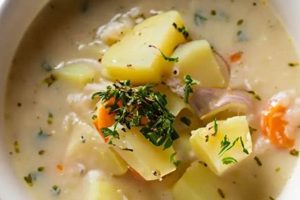
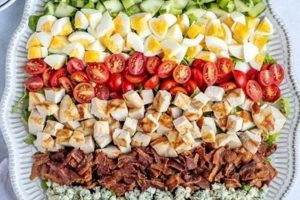
Dishes featuring small, potato-based dumplings combined with various ingredients like vegetables, cheeses, herbs, and proteins constitute a popular culinary category. These combinations, often served cold or at room temperature, offer a versatile and satisfying meal option. For example, a simple preparation might involve pesto, cherry tomatoes, and mozzarella, while more complex versions could incorporate roasted vegetables, grilled chicken, or a balsamic vinaigrette.
The adaptability of these dishes makes them suitable for various occasions, from light lunches and picnics to more formal gatherings. Their ability to incorporate seasonal ingredients contributes to both flavor and nutritional value. Historically, dumplings have played a significant role in Italian cuisine, evolving from simple peasant food to more elaborate preparations. Combining them with fresh produce and flavorful additions elevates this staple into a refreshing and contemporary dish.
This discussion will explore diverse approaches to creating these dishes, covering topics such as ingredient selection, preparation techniques, and variations suitable for different dietary preferences.
Tips for Creating Delicious Gnocchi Salads
Successful preparation requires attention to detail and an understanding of the interplay of flavors and textures. The following tips offer guidance for achieving optimal results.
Tip 1: Cook the Gnocchi Properly: Achieving the perfect texture is crucial. Gnocchi should be cooked until they float to the surface, indicating doneness. Overcooked gnocchi will become mushy, while undercooked gnocchi will be dense. Immediately transfer cooked gnocchi to an ice bath to stop the cooking process and maintain a firm texture.
Tip 2: Select High-Quality Ingredients: Fresh, seasonal produce elevates the flavor profile. Opt for ripe tomatoes, vibrant herbs, and flavorful cheeses to create a balanced and appealing dish.
Tip 3: Balance Flavors and Textures: Consider the interplay of ingredients. Combine creamy elements like mozzarella or ricotta with acidic components like tomatoes or a vinaigrette. Incorporate crunchy elements like toasted nuts or croutons for textural contrast.
Tip 4: Dress the Salad Lightly: Avoid overdressing, as this can make the gnocchi heavy and mask the flavors of the other ingredients. A light vinaigrette or a simple pesto is often sufficient.
Tip 5: Season Appropriately: Seasoning is essential. Salt and pepper enhance the flavors of the dish. Freshly grated Parmesan cheese can also add depth.
Tip 6: Serve at the Right Temperature: Gnocchi salads are best served chilled or at room temperature. Allowing the flavors to meld enhances the overall experience. Avoid serving the salad hot, as this can negatively impact the texture of the gnocchi.
By following these guidelines, one can create dishes that are both flavorful and visually appealing. Attention to these details ensures a satisfying culinary experience.
These insights provide a solid foundation for crafting exceptional dishes. The following section will delve into specific recipe variations, offering further inspiration and practical guidance.
1. Gnocchi Type (Potato, Ricotta)

Gnocchi type forms a foundational element in crafting successful salads. The choice between potato and ricotta gnocchi influences the overall flavor profile, texture, and ability to absorb dressings and complement other ingredients. Understanding the distinct characteristics of each type is essential for recipe development.
- Potato Gnocchi
The most common variety, potato gnocchi, offers a dense, slightly chewy texture. Its mild, earthy flavor provides a neutral canvas for a wide range of ingredients and dressings. Potato gnocchi holds its shape well, making it ideal for salads with robust components like roasted vegetables or heartier proteins. Its relatively neutral flavor profile allows it to absorb sauces and dressings effectively, enhancing the overall taste of the salad.
- Ricotta Gnocchi
Ricotta gnocchi, lighter and more delicate than its potato counterpart, possesses a softer, pillowy texture and a slightly tangy, richer flavor. Its delicate nature requires gentler handling and lighter dressings. Ricotta gnocchi pairs well with fresh, vibrant ingredients like spring vegetables and lighter cheeses. Overly heavy or acidic dressings can overwhelm its delicate flavor and compromise its texture.
- Flavor Pairing Considerations
The chosen gnocchi type influences the selection of complementary ingredients. Potato gnocchi’s robust nature allows it to stand up to bolder flavors, while ricotta gnocchi benefits from pairings that enhance its delicate taste. For instance, a robust pesto pairs well with potato gnocchi, while a lighter lemon vinaigrette complements ricotta gnocchi.
- Textural Impact
Texture plays a critical role in the overall enjoyment of a salad. The denser texture of potato gnocchi provides a satisfying chewiness, contrasting well with crisp vegetables and creamy cheeses. The lighter, fluffier texture of ricotta gnocchi adds a delicate element, harmonizing with softer ingredients and lighter dressings.
Careful consideration of gnocchi type ensures a harmonious balance of flavors and textures. Selecting the appropriate type lays the groundwork for a successful salad, enhancing the interplay of ingredients and contributing to a more satisfying culinary experience. Understanding these nuances allows for greater creativity and control in recipe development.
2. Fresh, Seasonal Produce

Utilizing fresh, seasonal produce elevates gnocchi salads from simple meals to vibrant culinary experiences. Seasonal ingredients offer peak flavor and nutritional value, enhancing both the taste and aesthetic appeal of the dish. Incorporating seasonal produce allows for creative variations and ensures a harmonious blend of flavors.
- Flavor Enhancement
Seasonal produce, harvested at its peak ripeness, offers unparalleled flavor intensity. Incorporating these ingredients into gnocchi salads significantly enhances the overall taste experience. For example, summer tomatoes burst with sweetness, while autumn squash provides earthy richness. These vibrant flavors complement the subtle taste of gnocchi, creating a balanced and complex flavor profile.
- Nutritional Benefits
Produce harvested in its natural season boasts higher nutrient content. Including seasonal fruits and vegetables in gnocchi salads maximizes the nutritional value of the meal. For instance, incorporating nutrient-rich spinach during its peak season boosts the vitamin and mineral content of the salad, contributing to a healthier and more balanced diet.
- Recipe Versatility
Seasonal produce offers a wealth of culinary possibilities, allowing for diverse and creative gnocchi salad variations throughout the year. Spring salads might incorporate asparagus and peas, while summer salads could feature corn and zucchini. This seasonality encourages culinary exploration and allows for continuous adaptation of recipes.
- Aesthetic Appeal
The vibrant colors and textures of fresh, seasonal produce contribute to the visual appeal of gnocchi salads. Incorporating a variety of colorful ingredients creates a visually stimulating and appetizing dish. For example, a salad featuring bright red tomatoes, deep green spinach, and creamy white mozzarella offers a feast for the eyes as well as the palate.
By prioritizing fresh, seasonal produce, gnocchi salads transcend basic preparations, becoming vibrant expressions of culinary artistry. This emphasis on seasonality results in dishes that are not only flavorful and nutritious but also visually appealing and adaptable to the changing seasons. The conscious selection of ingredients ensures a consistently satisfying and enriching dining experience.
3. Complementary Proteins (Chicken, Shrimp)

Protein additions transform gnocchi salads into complete, satisfying meals. Thoughtful protein selection enhances nutritional value while contributing textural and flavor complexity. The compatibility of various proteins with gnocchi and other salad components requires careful consideration.
- Poultry (Chicken, Turkey)
Chicken and turkey, versatile and readily available, provide lean protein options. Grilled, roasted, or shredded, they integrate seamlessly. Their mild flavors complement various dressings and vegetables without overpowering the delicate gnocchi. For example, grilled chicken pairs well with pesto and sun-dried tomatoes, while shredded turkey complements lighter vinaigrettes and fresh herbs.
- Seafood (Shrimp, Scallops)
Shrimp and scallops offer a lighter, more delicate protein choice. Their subtle sweetness and tender texture contrast pleasantly with the gnocchi. Seared or grilled, they contribute a refined element to the salad. Shrimp complements citrus-based dressings and avocado, while scallops pair well with brown butter and sage.
- Considerations for Vegetarian/Vegan Options
Plant-based proteins, such as chickpeas, cannellini beans, or marinated tofu, offer satisfying alternatives. These options maintain the nutritional value of the salad while contributing diverse textures and flavors. Roasted chickpeas provide a crunchy element, while cannellini beans offer creaminess. Tofu, when marinated and grilled, absorbs flavors readily, complementing a variety of dressings.
- Impact on Overall Balance
Protein selection significantly influences the overall composition of the salad. Heartier proteins like chicken contribute to a more substantial meal, while lighter options like shrimp maintain a refreshing quality. Balancing the protein with other ingredients, such as vegetables and cheeses, ensures a well-rounded and flavorful dish. A salad with grilled chicken might benefit from the addition of roasted vegetables, while a shrimp-based salad might pair well with lighter, fresh ingredients.
Strategic protein inclusion elevates gnocchi salads beyond simple side dishes. Understanding the interplay of protein types with other ingredients allows for the creation of balanced, flavorful, and nutritionally complete meals. Careful consideration of these elements ensures a satisfying and versatile culinary experience.
4. Flavorful Cheeses (Mozzarella, Feta)
Cheese selection significantly impacts the overall flavor profile and textural complexity of gnocchi salads. Specific cheeses, such as mozzarella and feta, offer distinct characteristics that complement the other ingredients and enhance the dish. The interplay of cheese flavor, texture, and salinity with the gnocchi, vegetables, and dressing contributes to a well-balanced and satisfying culinary experience.
Mozzarella, known for its mild, milky flavor and soft, creamy texture, provides a rich counterpoint to the gnocchi. Fresh mozzarella, particularly in combination with ripe tomatoes and basil, creates a classic Italian flavor profile. The creamy texture of mozzarella binds the other ingredients while adding a layer of richness. Alternatively, feta, with its tangy, salty flavor and crumbly texture, introduces a contrasting element. Feta pairs well with Mediterranean-inspired ingredients like olives, cucumbers, and oregano. Its briny flavor adds depth and complexity to the salad, while its crumbly texture offers a textural contrast to the soft gnocchi.
Selecting appropriate cheeses requires careful consideration of the other salad components. A salad featuring pesto and roasted vegetables benefits from the mildness of mozzarella, allowing the other flavors to shine. Conversely, a salad with lighter, brighter flavors, like a lemon vinaigrette and fresh herbs, might benefit from the assertive salinity of feta. Understanding these nuances allows for a more harmonious balance of flavors and textures within the salad. Overly strong or sharp cheeses can overwhelm the delicate flavor of the gnocchi and other ingredients. The goal is to select cheeses that enhance, rather than dominate, the overall composition of the salad, creating a balanced and enjoyable culinary experience.
5. Variety of Dressings (Pesto, Vinaigrette)

Dressings function as a unifying element in gnocchi salads, binding ingredients while contributing significantly to the overall flavor profile. The choice of dressing influences the final character of the dish, impacting its taste, texture, and overall balance. Understanding the interplay between various dressings and the other salad components is crucial for achieving a harmonious and flavorful result. Pesto, with its vibrant herbaceous flavor derived from basil, garlic, and pine nuts, offers a robust and aromatic dressing option. Its rich texture clings to the gnocchi, ensuring even distribution of flavor. Pesto complements ingredients like roasted vegetables, sun-dried tomatoes, and mozzarella, creating a layered and satisfying flavor profile. Conversely, vinaigrettes, typically composed of oil and vinegar, provide a lighter and brighter alternative. The acidity of the vinaigrette cuts through the richness of the gnocchi and other ingredients, offering a refreshing counterpoint. Vinaigrettes allow for extensive customization through the incorporation of various herbs, spices, and citrus elements. A lemon vinaigrette, for example, pairs well with seafood and fresh vegetables, while a balsamic vinaigrette complements roasted vegetables and stronger cheeses.
The interplay between the dressing and the other salad components requires careful consideration. A heavy dressing can overwhelm delicate ingredients, while a light dressing might not adequately coat the gnocchi and other components. Matching the intensity of the dressing to the other flavors in the salad is crucial. A robust pesto complements heartier ingredients, while a lighter vinaigrette enhances the flavors of fresh, delicate produce. The texture of the dressing also plays a role. A creamy dressing adds richness, while a thinner vinaigrette offers a refreshing lightness. Practical application of this understanding involves considering the overall flavor profile desired and selecting a dressing that complements, rather than overpowers, the other ingredients. For example, a salad featuring grilled chicken and roasted vegetables benefits from a pesto dressing, while a salad with shrimp and fresh herbs pairs well with a light lemon vinaigrette.
Effective dressing selection elevates gnocchi salads from simple combinations to well-balanced, flavorful meals. The considered choice of dressing, taking into account the other ingredients and desired flavor profile, contributes significantly to the overall culinary experience. Understanding the nuances of dressing selection allows for greater control over the final dish, ensuring a harmonious and satisfying result.
6. Proper Cooking Techniques
Proper cooking techniques are essential for achieving optimal texture and flavor in gnocchi salads. Incorrectly cooked gnocchi can result in a dish that is either mushy or too firm, detracting from the overall enjoyment of the salad. Understanding and applying appropriate cooking methods ensures that the gnocchi complements the other ingredients, contributing to a balanced and satisfying culinary experience.
- Boiling
Boiling is the standard method for cooking gnocchi. The gnocchi should be added to a large pot of salted boiling water and cooked until they float to the surface, indicating doneness. Overboiling results in mushy gnocchi, while underboiling leads to a dense, unappetizing texture. Properly boiled gnocchi offer a delicate, pillowy texture that complements the other salad ingredients.
- Ice Bath Cooling
Immediately transferring cooked gnocchi to an ice bath stops the cooking process and helps maintain a firm, pleasant texture. This rapid cooling prevents the gnocchi from becoming sticky or overcooked. The ice bath also helps to firm the gnocchi, making them less likely to break apart when combined with other salad ingredients.
- Pan-frying or Sauting (Optional)
Pan-frying or sauting cooked gnocchi adds a layer of textural complexity. This step creates a crispy exterior while maintaining a soft interior. The added texture provides a pleasing contrast to the other salad components. However, it’s crucial to avoid overcrowding the pan, which can lead to steaming rather than crisping.
- Timing and Attention
Careful attention to timing is crucial throughout the cooking process. Overcooking or undercooking the gnocchi significantly impacts its texture and overall appeal. Monitoring the gnocchi closely and adhering to recommended cooking times ensures optimal results. Visual cues, such as the gnocchi floating to the surface, indicate doneness.
Mastering these cooking techniques ensures that the gnocchi contributes positively to the overall texture and flavor of the salad. Properly cooked gnocchi provides a delicate, pleasing texture that complements the other ingredients, enhancing the overall culinary experience. Attention to detail during the cooking process elevates the gnocchi from a simple component to a key element in a successful and satisfying salad.
7. Balanced Flavor Profiles
Balanced flavor profiles are essential for successful gnocchi salad recipes. A harmonious blend of flavors elevates the dish beyond a simple combination of ingredients, creating a complex and satisfying culinary experience. Achieving this balance requires careful consideration of the interplay between sweet, sour, salty, bitter, and umami elements within the salad.
- Counteracting Richness
Gnocchi, particularly when made with potato or ricotta, possess a natural richness. Incorporating acidic elements, such as a vinaigrette or lemon juice, helps cut through this richness, preventing the salad from feeling heavy or overly indulgent. Tomatoes, with their inherent acidity, also contribute to balancing the richness of the gnocchi. This interplay of rich and acidic flavors creates a more dynamic and palatable experience.
- Highlighting Delicate Flavors
Gnocchi often serves as a neutral base, allowing the flavors of other ingredients to shine. Balancing bolder flavors, such as pungent cheeses or strongly flavored herbs, with milder elements ensures that no single ingredient overpowers the others. For example, pairing strong gorgonzola with sweet roasted butternut squash creates a balanced and nuanced flavor combination.
- Textural Considerations
Texture plays a crucial role in flavor perception. Balancing the soft texture of gnocchi with contrasting textures, like crunchy vegetables or toasted nuts, adds complexity and interest. The interplay of textures enhances the overall sensory experience, making the salad more engaging and enjoyable.
- Seasonality and Freshness
Utilizing fresh, seasonal ingredients contributes significantly to flavor balance. Seasonal produce offers peak flavor, requiring less manipulation to achieve optimal taste. Incorporating seasonal ingredients not only enhances the flavor profile but also ensures a more vibrant and nutritious salad.
Achieving a well-balanced flavor profile elevates gnocchi salads from simple meals to sophisticated culinary creations. Careful consideration of the interplay between different flavor elements and textures results in a dish that is both satisfying and complex. This attention to balance allows the individual ingredients to shine while contributing to a harmonious and memorable culinary experience. A well-balanced gnocchi salad offers a dynamic interplay of flavors and textures, showcasing the versatility of this classic dish.
Frequently Asked Questions
This section addresses common inquiries regarding the preparation and enjoyment of gnocchi salads, offering practical guidance and clarifying potential uncertainties.
Question 1: Can one prepare gnocchi salad in advance?
Advance preparation is possible, but specific considerations apply. The gnocchi and dressing should be kept separate until shortly before serving to prevent the gnocchi from becoming soggy. Heartier vegetables, such as roasted root vegetables, hold up well when added in advance. However, more delicate ingredients, like fresh herbs or leafy greens, are best incorporated just prior to serving to maintain their texture and appearance. Refrigeration helps preserve the salad’s freshness.
Question 2: What constitutes an appropriate serving size?
Serving sizes depend on the context of the meal. As a main course, a larger portion is appropriate, typically one to two cups per serving. As a side dish, a smaller portion, approximately one-half to one cup, is sufficient. The inclusion of protein and other substantial ingredients influences portion size considerations.
Question 3: Is reheating gnocchi salad advisable?
Reheating is generally not recommended, especially if the salad contains mayonnaise-based dressings or delicate ingredients. Reheating can negatively impact the texture of the gnocchi and other components. It is preferable to serve gnocchi salad cold or at room temperature. If reheating is necessary, gentle warming in a low oven or on a stovetop is preferred to microwaving, which can result in uneven heating and textural changes.
Question 4: Can gluten-free gnocchi be used in salads?
Gluten-free gnocchi offers a suitable alternative for those with dietary restrictions. Various commercially available gluten-free gnocchi options exist, or recipes for homemade gluten-free gnocchi can be employed. Cooking times and methods may vary slightly, so package instructions or recipe guidelines should be followed carefully.
Question 5: How can one prevent gnocchi salad from becoming watery?
Watery gnocchi salad often results from excess moisture introduced by vegetables or overdressing. Thoroughly drying ingredients like tomatoes or cucumbers before adding them to the salad helps prevent excess moisture. Additionally, dressing the salad just before serving and using the appropriate amount of dressing prevents the gnocchi from absorbing too much liquid and becoming soggy.
Question 6: What are some suitable variations for gnocchi salad?
The versatility of gnocchi salads allows for numerous variations. Substituting different cheeses, vegetables, proteins, or dressings creates unique flavor profiles. Seasonal variations, incorporating ingredients like asparagus in spring or butternut squash in autumn, offer further options. Exploring different culinary traditions, such as Mediterranean or Asian-inspired combinations, expands the possibilities further. One might incorporate pesto and sun-dried tomatoes for an Italian twist or use peanut sauce and edamame for an Asian-inspired variation.
Understanding these frequently asked questions equips individuals with the knowledge to prepare and enjoy gnocchi salads successfully. Attention to these details enhances the culinary experience, ensuring optimal flavor, texture, and overall satisfaction.
This concludes the frequently asked questions section. The following section will offer a collection of curated recipes for practical application of the concepts discussed.
Conclusion
Exploration of culinary approaches to compositions featuring gnocchi as a foundational element reveals a diverse range of possibilities. Careful consideration of gnocchi type, complementary ingredients such as fresh produce, proteins, and cheeses, along with appropriate dressing selection and adherence to proper cooking techniques, contributes significantly to the creation of well-balanced and flavorful dishes. Understanding the interplay of these elements allows for a nuanced approach to recipe development, maximizing both taste and textural complexity.
The adaptability of gnocchi to various flavor profiles and culinary traditions positions it as a versatile ingredient for creative exploration. Continued experimentation with seasonal ingredients, diverse proteins, and innovative dressing combinations promises further evolution within this culinary category. Emphasis on quality ingredients and precise execution ensures consistent delivery of satisfying and memorable dining experiences.