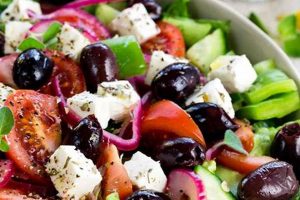
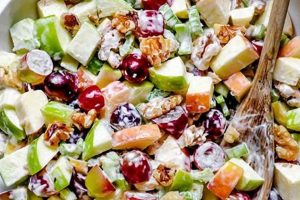
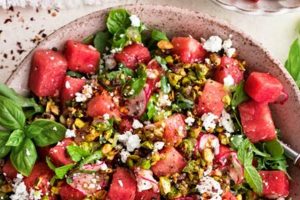
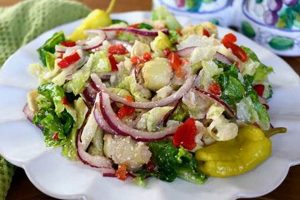
High-quality farro salads typically combine cooked farro grains with complementary ingredients like fresh vegetables, herbs, cheeses, and a flavorful dressing. A simple example might include cooked farro, chopped cucumber, tomatoes, red onion, feta cheese, and a lemon-herb vinaigrette. Variations can incorporate roasted vegetables, different cheeses, nuts, dried fruits, or protein sources like grilled chicken or chickpeas.
Farro’s nutty flavor and chewy texture make it an excellent base for versatile and satisfying salads. Its nutritional profile, rich in fiber, protein, and minerals, adds to its appeal as a healthy meal option. While ancient grains like farro have a long history of culinary use, their popularity in modern cuisine has grown due to increased interest in whole grains and their health benefits. This resurgence has led to innovative and flavorful salad creations showcasing farro’s versatility.
Exploring specific ingredient combinations, preparation techniques, and dressing options provides a deeper understanding of how to create outstanding farro salads. From simple, everyday recipes to more elaborate presentations, the possibilities are vast. Consideration of seasonal ingredients and dietary preferences allows for further customization.
Tips for Exceptional Farro Salads
Creating a delicious farro salad involves attention to detail and an understanding of how different components interact. These tips offer guidance for achieving optimal flavor and texture.
Tip 1: Cook Farro Properly: Farro should be cooked until tender but still retains a slight chewiness. Overcooked farro can become mushy. Rinsing farro before cooking helps remove excess starch.
Tip 2: Seasoning is Key: Season the cooking water generously with salt. This infuses the farro grains with flavor from the inside out.
Tip 3: Embrace Seasonal Ingredients: Utilize fresh, seasonal produce for optimal flavor and texture. Summer salads might feature ripe tomatoes and cucumbers, while fall versions could incorporate roasted squash or Brussels sprouts.
Tip 4: Balance Flavors and Textures: Consider contrasting flavors and textures when selecting ingredients. Combine creamy elements like cheese or avocado with crunchy vegetables and nuts.
Tip 5: Dress Smartly: The dressing should complement the other ingredients without overpowering them. A light vinaigrette or a lemon-herb dressing often works well. Dress the salad just before serving to prevent it from becoming soggy.
Tip 6: Toasting Farro: Toasting farro before cooking can enhance its nutty flavor. Spread cooked farro on a baking sheet and toast in a low oven until lightly golden.
Tip 7: Proper Storage: Store leftover farro salad in an airtight container in the refrigerator. It is best consumed within a few days.
By following these tips, one can consistently create farro salads that are both flavorful and visually appealing. Attention to these details elevates a simple grain salad to a truly satisfying culinary experience.
From ingredient selection to presentation, crafting a superior farro salad involves a thoughtful approach to each step of the process. These considerations ensure a delightful and nutritious meal.
1. High-quality farro
High-quality farro forms the foundation of exceptional farro salads. The inherent qualities of the grain directly influence the final dish’s texture, flavor, and overall appeal. Superior farro exhibits plump, unbroken grains with a consistent appearance. This translates to a pleasant chewiness and a robust, nutty flavor when cooked, characteristics essential for a satisfying salad experience. Conversely, lower-quality farro, potentially containing broken grains or inconsistencies in size, can result in a mushy texture and a less pronounced flavor profile, diminishing the salad’s overall quality. Selecting high-quality farro ensures that the base of the salad contributes positively to the final product, setting the stage for a truly exceptional culinary creation. For instance, using organic farro, known for its superior quality and flavor, noticeably elevates the taste and texture of the salad compared to using conventionally grown farro.
The impact of high-quality farro extends beyond flavor and texture. Such farro tends to hold its shape better after cooking, preventing the salad from becoming overly mushy or watery. This is particularly important in salads with vibrant dressings or juicy ingredients where structural integrity is key. Furthermore, the nutritional value of high-quality farro is often superior, potentially offering higher levels of protein, fiber, and other micronutrients. This adds to the overall health benefits of the salad. Choosing whole grain farro over pearled or semi-pearled versions, for example, provides significantly more fiber and nutrients, enhancing the salad’s nutritional value. This distinction underscores the significance of selecting high-quality farro, not only for culinary excellence but also for potential health benefits.
Therefore, the selection of high-quality farro is a non-negotiable aspect of crafting the best farro salads. Its influence on texture, flavor, structural integrity, and nutritional value directly impacts the final product. Investing in superior farro guarantees a foundation upon which a truly exceptional and satisfying salad can be built. Understanding this connection empowers informed ingredient choices and contributes to creating salads that are both delicious and nutritious.
2. Complementary Ingredients
Complementary ingredients are essential for elevating farro salads from simple to exceptional. Farro, while nutritious and flavorful, benefits significantly from the incorporation of ingredients that enhance its inherent qualities and create a balanced, multi-dimensional culinary experience. The strategic selection of these complementary components contributes to the overall texture, flavor profile, and nutritional value of the salad. A thoughtful combination of ingredients can transform farro from a humble grain into the star of a sophisticated and satisfying dish.
The interplay of textures is crucial. Farro’s chewy texture provides a foundation that can be complemented by a variety of contrasting elements. Crisp vegetables, such as chopped cucumbers, bell peppers, or radishes, offer a refreshing counterpoint. Roasted vegetables, like sweet potatoes or Brussels sprouts, introduce a caramelized sweetness and a slightly softened texture. The addition of toasted nuts or seeds provides a welcome crunch. For example, a farro salad with roasted butternut squash, toasted pecans, and crumbled goat cheese offers a delightful interplay of soft, crunchy, and creamy textures. Similarly, a combination of farro, chopped cucumber, cherry tomatoes, and feta cheese provides a refreshing contrast of textures, making the salad more dynamic and appealing.
Flavor profiles are equally important. Farro’s nutty flavor provides a neutral base that can be enhanced by a variety of ingredients. The brightness of citrus fruits, such as lemon or orange zest, cuts through richness and adds a refreshing element. The sharpness of cheeses, like feta or Parmesan, provides a salty, savory note. Fresh herbs, such as mint, parsley, or cilantro, introduce aromatic complexity. The strategic use of spices, like cumin or coriander, can add warmth and depth. A farro salad with grilled chicken, sun-dried tomatoes, and a balsamic glaze offers a robust and savory flavor profile. Alternatively, a combination of farro, fresh berries, toasted almonds, and a honey-lime dressing provides a lighter, sweeter flavor combination. Understanding these flavor dynamics allows for the creation of well-balanced and nuanced salads. Ultimately, the careful selection of complementary ingredients transforms farro into a versatile canvas for culinary creativity, resulting in salads that are both delicious and nutritionally balanced.
3. Balanced Flavor Profiles

Balanced flavor profiles are fundamental to crafting exceptional farro salads. The inherent nutty flavor and chewy texture of farro provide a versatile base, but achieving culinary excellence requires a thoughtful interplay of contrasting and complementary tastes. A well-balanced flavor profile elevates a farro salad from simple sustenance to a nuanced and satisfying culinary experience.
- Acidity
Acidity plays a crucial role in brightening and balancing the richness of farro. Ingredients like lemon juice, vinegar, or acidic fruits like pomegranate seeds introduce a tartness that cuts through heavier flavors, preventing the salad from feeling overly dense or monotonous. A squeeze of lemon juice in a farro salad with roasted vegetables, for example, adds a refreshing zing, while a pomegranate vinaigrette contributes both acidity and a touch of sweetness. The judicious use of acidic elements enhances the other flavors present, creating a more complex and enjoyable palate experience.
- Saltiness
Salt is essential for enhancing the inherent flavors of farro and other ingredients. It provides a foundational savory element that balances sweetness and acidity. Salty cheeses like feta, Parmesan, or goat cheese contribute both saltiness and textural complexity. Salted nuts, such as toasted almonds or pistachios, offer both flavor and crunch. Proper seasoning with sea salt or kosher salt is crucial for bringing out the natural flavors of the ingredients and creating a well-rounded flavor profile. For instance, in a farro salad with grilled halloumi and watermelon, the saltiness of the cheese complements the sweetness of the fruit.
- Sweetness
Sweetness adds depth and complexity to farro salads, counterbalancing savory and acidic elements. Dried fruits like cranberries or apricots offer concentrated sweetness and chewiness. Fresh fruits like berries or grapes introduce a juicy sweetness and a burst of freshness. Roasted vegetables like sweet potatoes or beets develop a caramelized sweetness during cooking. A touch of honey or maple syrup in the dressing can also contribute a subtle sweetness. For example, a farro salad with roasted butternut squash, dried cranberries, and toasted walnuts balances sweetness from the squash and cranberries with the savory nuts and farro.
- Spice/Heat (Optional)
While not always necessary, a touch of spice or heat can add an exciting dimension to farro salads. A pinch of red pepper flakes, a drizzle of chili oil, or the inclusion of chopped jalapeos introduces a warming element that complements the other flavors. This element adds complexity and intrigue to the overall flavor profile. For example, a farro salad with black beans, corn, avocado, and a chipotle-lime dressing combines smoky heat with the creamy avocado and other fresh ingredients.
The interplay of these flavor components is crucial for achieving a balanced and delicious farro salad. The careful consideration of acidity, saltiness, sweetness, and optional heat elements ensures that no single flavor dominates, creating a harmonious and satisfying culinary experience. The best farro salad recipes prioritize this balance, demonstrating a deep understanding of how these elements interact to create a truly exceptional dish. The integration of contrasting flavors and textures, complemented by a well-balanced dressing, elevates the humble farro grain to a star ingredient in a sophisticated and flavorful salad.
4. Proper Farro Preparation
Proper farro preparation is paramount in achieving optimal results within the context of superior farro salad recipes. The grain’s final texture and ability to absorb flavors are directly influenced by the cooking process. A correctly cooked batch of farro provides the foundation for a successful salad, ensuring a pleasant chewiness and optimal flavor absorption, while improperly cooked farro can result in a mushy, unappetizing texture that detracts from the overall dish.
- Rinsing
Rinsing farro before cooking is a crucial preliminary step. This process removes excess starch and any potential debris, contributing to a cleaner flavor and preventing the grains from sticking together during cooking. This step is particularly important for achieving distinct, separate grains, which are desirable in a salad setting. Neglecting to rinse the farro can result in a stickier, less appealing final product.
- Cooking Time and Method
Precise cooking time and method are essential for achieving the desired texture. Farro should be cooked until tender but still retains a slight chewiness, often referred to as “al dente.” Overcooking results in a mushy texture, while undercooking leads to an unpleasant firmness. The recommended cooking time varies depending on the type of farro (whole grain, semi-pearled, or pearled). The cooking method also influences the final texture. Simmering farro in ample water, similar to pasta, is a common approach. Alternatively, farro can be cooked in a pressure cooker or rice cooker, resulting in slightly different textures. Understanding the specific requirements for each type of farro and chosen cooking method is essential for achieving the ideal texture.
- Water Ratio
The correct water ratio ensures even cooking and optimal texture. Using too little water can result in unevenly cooked farro, with some grains remaining hard while others become overcooked. Conversely, using excessive water can dilute the flavor of the farro and lead to a watery salad. Following recommended water ratios, typically ranging from 2:1 to 3:1 water to farro, depending on the specific type of farro and cooking method, is essential for achieving the proper texture and flavor absorption.
- Seasoning
Proper seasoning is crucial for enhancing farro’s inherent nutty flavor. Salting the cooking water generously infuses the farro grains with flavor from the inside out, ensuring a more flavorful final product. This is far more effective than simply seasoning the salad after the farro has been cooked. The amount of salt used should be adjusted based on personal preference and the other ingredients in the salad. In addition to salt, other seasonings, such as bay leaves or herbs, can be added to the cooking water to impart additional flavor nuances to the farro.
Mastery of these preparatory steps ensures that the farro contributes positively to the overall quality of the salad. The properly cooked grain serves as a flavorful and texturally pleasing base, enhancing the interplay of other ingredients and contributing to a truly satisfying culinary experience. The connection between proper farro preparation and exceptional farro salad recipes is undeniable. By prioritizing these foundational steps, one creates a platform for culinary success, maximizing the potential of this versatile grain and ensuring a delicious and satisfying final product.
5. Creative Dressings

Creative dressings are integral to “best farro salad recipes,” transforming a simple grain salad into a culinary masterpiece. The dressing acts as a unifying element, binding the ingredients together while adding depth and complexity. A thoughtfully crafted dressing elevates farro’s inherent nutty flavor and complements the other components, creating a harmonious balance of textures and tastes. A generic vinaigrette might suffice for a basic farro salad, but exceptional recipes demand dressings that enhance, rather than mask, the other flavors present. This distinction is crucial; the dressing should not overpower the farro or other ingredients but rather enhance their individual characteristics and create a cohesive whole.
One example of a creative dressing is a lemon-herb vinaigrette with a touch of Dijon mustard. The bright citrus notes cut through the richness of the farro, while the herbs provide an aromatic complexity. The mustard adds a subtle tang and helps emulsify the dressing. This dressing would pair well with a farro salad containing roasted vegetables, such as sweet potatoes and Brussels sprouts, and crumbled goat cheese. Another example is a tahini-ginger dressing, where the nutty sesame flavor of the tahini complements the farro, and the ginger adds a warm, slightly spicy note. This dressing works well with a farro salad incorporating shredded carrots, edamame, and chopped scallions. These examples illustrate how specific flavor profiles in dressings can be tailored to complement and enhance the chosen salad ingredients.
Understanding the interplay between dressings and other salad components is paramount. A creamy avocado dressing might clash with delicate spring vegetables, while a light vinaigrette might not be robust enough for a salad with hearty roasted root vegetables. The best farro salad recipes demonstrate a keen awareness of these nuances. Chefs and culinary enthusiasts often experiment with diverse flavor combinations, incorporating ingredients like toasted nuts, infused oils, fruit purees, or unique spices into their dressings. This creativity unlocks a spectrum of flavor possibilities, transforming farro salads into dynamic, flavorful experiences. Selecting or creating a dressing tailored to the specific ingredients ensures a balanced and harmonious final product, differentiating a truly exceptional farro salad from a merely satisfactory one. This targeted approach reflects a deep understanding of flavor dynamics and a commitment to culinary excellence.
Frequently Asked Questions
This section addresses common inquiries regarding optimal farro salad preparation and provides concise, informative responses.
Question 1: What type of farro is best suited for salads?
Pearled or semi-pearled farro is generally preferred for salads due to shorter cooking times and a less chewy texture compared to whole grain farro. However, whole grain farro offers higher nutritional value.
Question 2: Can farro salad be prepared in advance?
Farro salad can be prepared a day or two in advance. It’s best to store the farro and other components separately and combine them just before serving to maintain optimal texture and prevent the salad from becoming soggy. The dressing should be added immediately before serving.
Question 3: How long does cooked farro last in the refrigerator?
Cooked farro can be stored in an airtight container in the refrigerator for up to five days.
Question 4: What are some suitable protein additions for farro salad?
Grilled chicken, fish, chickpeas, lentils, or toasted nuts and seeds can be added to farro salad to increase protein content.
Question 5: How can one prevent farro salad from becoming too dry?
Adequate dressing and the inclusion of ingredients with higher water content, such as cucumbers or tomatoes, can help prevent farro salad from becoming dry. Additionally, ensuring the farro is cooked properly, not overcooked, helps it retain moisture.
Question 6: Are there gluten-free alternatives to farro for salads?
While farro is not gluten-free, quinoa or brown rice can be used as alternatives in salads for those following a gluten-free diet. These grains offer similar textures and can be paired with the same complementary ingredients.
Understanding these key aspects of farro salad preparation contributes to creating a superior culinary experience. Careful consideration of farro type, storage practices, protein additions, moisture balance, and dietary restrictions ensures a flavorful and satisfying dish.
This information provides a foundation for further exploration of farro salad variations and encourages experimentation with diverse ingredients and flavor combinations.
Best Farro Salad Recipes
Optimal farro salad recipes prioritize high-quality ingredients, balanced flavor profiles, and proper farro preparation. Complementary ingredients, including fresh produce, flavorful cheeses, and crunchy nuts or seeds, enhance farro’s nutty flavor and chewy texture. Creative dressings, tailored to the specific salad components, unify the dish and elevate it beyond the ordinary. Careful consideration of acidity, saltiness, sweetness, and optional heat elements ensures a harmonious and satisfying culinary experience.
Culinary exploration of farro’s versatility yields endless possibilities for innovative and delicious salads. From simple, everyday meals to elegant presentations, farro provides a nutritious and flavorful foundation. A deeper understanding of farro’s unique characteristics empowers culinary creativity and transforms a humble grain into a star ingredient.