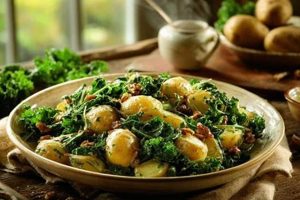
A dish of cooked leafy greens, often foraged, typically seasoned with bacon or other flavorful fats, defines this culinary tradition. Variations may include ingredients like onions, garlic, and eggs, reflecting regional and personal preferences. One example features blanched pokeweed leaves sauted with bacon, onions, and a touch of vinegar for a tangy finish.
Historically, this preparation provided sustenance during periods of scarcity and remains a connection to Appalachian and Southern culinary heritage. The dish offers nutritional value from the greens and, when prepared safely, contributes a unique flavor profile to the table. Safe preparation requires thorough boiling and discarding of the water to remove harmful toxins naturally present in raw pokeweed.
Further exploration will delve into safe handling practices for pokeweed, regional variations of the dish, nutritional information, and detailed cooking instructions.
Tips for Preparing Poke Salad
Careful preparation is crucial for safe and enjoyable consumption of poke salad. These tips emphasize best practices for handling and cooking.
Tip 1: Identify Pokeweed Correctly: Ensure accurate identification of pokeweed (Phytolacca americana) before harvesting. Consult experienced foragers or reliable field guides to avoid misidentification with toxic plants.
Tip 2: Harvest Young Leaves: Select only young, tender leaves, ideally less than six inches long. Mature leaves, stems, and berries contain higher concentrations of toxins.
Tip 3: Boil Thoroughly: Boil the leaves in two changes of water. Bring the leaves to a rolling boil in a pot of water, boil for at least one minute, drain completely, and repeat the process with fresh water. This process significantly reduces toxin levels.
Tip 4: Never Consume Raw: Raw pokeweed is toxic and should never be ingested. Thorough boiling is essential for safe consumption.
Tip 5: Observe Moderation: Even when properly prepared, consuming large quantities of poke salad is not recommended. Enjoy in moderation as part of a balanced diet.
Tip 6: Understand Potential Risks: While proper preparation mitigates risks, individuals with sensitivities or underlying health conditions should exercise caution or avoid consumption. Consult a healthcare professional if necessary.
Tip 7: Discard Boiling Water and Berries: The water used to boil pokeweed absorbs toxins and should never be reused. Pokeweed berries are also highly toxic and should never be consumed.
Adherence to these guidelines ensures safe and enjoyable consumption of this traditional dish. Proper preparation removes harmful toxins while preserving the unique flavor and nutritional value of poke salad.
Following these precautions allows one to appreciate this unique dish while minimizing potential health risks. This knowledge contributes to a safe and informed culinary experience.
1. Ingredient Identification

Accurate ingredient identification is paramount for safe and successful preparation of poke salad. Misidentification of key components can lead to serious health consequences due to the toxicity of certain plants that resemble pokeweed. A thorough understanding of pokeweed’s characteristics and potential look-alikes is therefore essential.
- Pokeweed (Phytolacca americana) Characteristics:
Pokeweed possesses distinct features, including smooth, reddish-purple stems, large, ovate leaves, and long racemes of green berries that ripen to dark purple. Recognizing these traits ensures proper identification.
- Distinguishing Pokeweed from Similar Plants:
Several plants share some characteristics with pokeweed, highlighting the need for careful differentiation. For example, common pokeweed (Phytolacca decandra) shares similar leaf structure but lacks the characteristic reddish-purple stems. Mistaking other species for pokeweed can result in accidental consumption of toxic substances.
- Reliable Identification Resources:
Utilizing reliable resources aids proper identification. Reputable field guides, botanical experts, and experienced foragers can provide valuable insights. Online resources, while helpful, should be cross-referenced with authoritative sources to confirm accuracy.
- Consequences of Misidentification:
Misidentification can lead to ingestion of toxic compounds, potentially causing gastrointestinal distress, neurological symptoms, or even more severe health complications. Accurate identification is not merely a recommendation but a critical safety measure.
Mastery of ingredient identification underpins safe poke salad preparation. Confidently distinguishing pokeweed from similar species ensures a culinary experience that is both enjoyable and free from health risks. This knowledge safeguards against potential harm and enables informed utilization of this unique ingredient.
2. Safe Handling Practices

Safe handling practices are integral to any poke salad recipe, ensuring the dish remains enjoyable and free from health risks. Due to the presence of toxic compounds in raw pokeweed, adherence to specific procedures is not merely a recommendation but a critical necessity. Proper handling, from harvest to consumption, mitigates these risks, allowing for safe enjoyment of this traditional food.
- Harvesting Techniques
Selective harvesting of young, tender leaves minimizes toxin concentration. Mature leaves, stems, roots, and berries contain significantly higher levels of harmful compounds and should be avoided entirely. Using gloves during harvest prevents skin irritation and further ensures safe handling from the outset.
- Cleaning and Preparation
Thorough cleaning and preparation are crucial steps in toxin removal. Washing the leaves multiple times under running water removes surface contaminants. Subsequent boiling, a key detoxification process, requires two changes of water. Bringing the leaves to a rolling boil for at least one minute in each change of water leaches out toxins, rendering the leaves safe for consumption.
- Cooking Methods
Proper cooking methods further contribute to safe consumption. While boiling is essential for toxin removal, subsequent cooking steps, such as sauting with bacon, onions, and seasonings, enhance flavor and texture. These methods, while contributing to the dish’s palatability, do not replace the critical boiling stage required for detoxification.
- Storage and Consumption
Proper storage and consumption practices complement safe handling. Refrigerating leftover poke salad promptly inhibits bacterial growth. Consuming the dish in moderation, even when prepared safely, minimizes potential long-term exposure to residual toxins. Avoiding consumption by vulnerable populations, such as pregnant women and individuals with compromised immune systems, further mitigates potential risks.
Integrating these safe handling practices into every stage of a poke salad recipe ensures a culinary experience that is both enjoyable and safe. Meticulous adherence to these guidelines allows for the appreciation of this traditional dish while minimizing potential health risks associated with pokeweed’s inherent toxicity. This knowledge empowers informed consumption and perpetuates the safe enjoyment of this unique culinary tradition.
3. Proper Cooking Techniques

Proper cooking techniques are essential for transforming pokeweed, a plant with inherent toxicity, into a safe and palatable dish. The relationship between cooking techniques and poke salad recipes is inextricably linked to detoxification and culinary transformation. Boiling, a fundamental step, neutralizes harmful compounds present in the raw leaves. The double-boiling method, involving two separate boiling and draining cycles, ensures thorough toxin removal, a critical safety measure. This initial process renders the pokeweed safe for subsequent culinary manipulation.
Following detoxification, further cooking techniques contribute to the final dish’s flavor, texture, and overall appeal. Sauting the boiled pokeweed with complementary ingredients, such as bacon, onions, and garlic, enhances its palatability. The choice of fat used in sauting contributes significantly to the dish’s richness and flavor profile. Some recipes incorporate spices and other flavorings to create regional variations, each reflecting specific culinary traditions. The duration and method of sauting influence the pokeweed’s final texture, ranging from tender to slightly crisp, catering to individual preferences.
Mastery of these cooking techniques ensures the creation of a poke salad that is both safe and enjoyable. The careful execution of each step, from initial boiling to final seasoning, directly impacts the dish’s quality and edibility. Neglecting proper cooking procedures can compromise safety and result in an unpalatable outcome. Therefore, understanding and applying proper cooking techniques is paramount for realizing the full potential of poke salad as a culinary tradition.
4. Regional Variations

Regional variations in poke salad recipes reflect diverse culinary traditions and ingredient availability across different geographical areas. These variations often stem from historical and cultural influences, shaping the dish’s flavor profile and preparation methods. A key factor contributing to regional distinctions is the choice of added ingredients. Appalachian communities, for instance, frequently incorporate fatback or streaked bacon, imparting a smoky, savory flavor. Southern variations might include eggs, hot peppers, or vinegar, adding richness, heat, and tanginess, respectively. These ingredient choices reflect local agricultural practices and culinary preferences.
Beyond ingredients, cooking methods also contribute to regional variations. Some communities prefer blanching the pokeweed before sauteing, resulting in a softer texture, while others opt for longer sauteing times, creating a crispier consistency. The use of specific spices and seasonings further distinguishes regional recipes. For example, some Appalachian variations utilize smoked paprika or cayenne pepper, while Southern versions might incorporate garlic powder or onion powder. These nuances demonstrate how regional adaptations reflect unique culinary heritages.
Understanding these regional variations provides valuable insights into the evolution and cultural significance of poke salad. Recognizing the interplay of local ingredients, cooking methods, and historical influences deepens appreciation for this traditional dish. Furthermore, exploring regional variations offers opportunities for culinary experimentation and personalized adaptations of poke salad recipes. This knowledge allows for a richer understanding of the dishs diverse expressions across different communities.
5. Nutritional Benefits

Analysis of the nutritional benefits associated with poke salad recipes requires careful consideration of preparation methods and potential risks. While pokeweed leaves offer certain vitamins and minerals, safe consumption practices are paramount due to the plant’s inherent toxicity. Proper preparation, including the crucial double-boiling process, significantly reduces toxin levels, making the dish safe to eat. Understanding this balance between potential benefits and necessary precautions is essential for informed consumption.
- Vitamins and Minerals
Poke salad offers vitamins A and C, along with minerals like iron and potassium. Vitamin A contributes to eye health and immune function, while vitamin C acts as an antioxidant. Iron plays a crucial role in oxygen transport, and potassium supports healthy blood pressure. However, these benefits must be weighed against potential risks associated with improper preparation.
- Fiber Content
Pokeweed leaves are a good source of dietary fiber, which aids digestion and promotes gut health. Fiber contributes to satiety, potentially assisting with weight management. Consuming adequate fiber is linked to various health benefits, including reduced risk of heart disease and certain types of cancer. However, the presence of toxins in raw pokeweed necessitates thorough cooking to ensure safe consumption.
- Antioxidant Properties
Some research suggests pokeweed possesses antioxidant properties, potentially protecting cells from damage caused by free radicals. Antioxidants play a role in reducing inflammation and may offer protection against chronic diseases. However, more research is needed to fully understand the extent and implications of these antioxidant effects in pokeweed.
- Safety Considerations
Despite potential nutritional benefits, consuming poke salad requires careful preparation to mitigate inherent risks associated with raw pokeweed’s toxicity. The double-boiling process is crucial for removing harmful compounds. Ignoring these safety precautions can lead to adverse health consequences. Therefore, understanding and adhering to safe handling and cooking practices are paramount for realizing any potential nutritional benefits without compromising health.
The nutritional value of poke salad must be considered in conjunction with necessary safety precautions. While the dish can contribute vitamins, minerals, fiber, and potential antioxidant benefits, proper preparation is essential for mitigating inherent risks. Balancing these factors enables informed consumption, allowing individuals to appreciate poke salad’s nutritional contributions while prioritizing safety.
6. Historical Context
Understanding the historical context of poke salad recipes provides valuable insights into its enduring presence in Southern and Appalachian culinary traditions. This context illuminates the dish’s evolution, cultural significance, and its connection to resourcefulness and survival during periods of scarcity. Examining historical practices reveals the deep-rooted relationship between poke salad and the communities that have sustained it for generations.
- Subsistence and Resourcefulness
Poke salad emerged as a vital food source during times of economic hardship and limited access to other resources. Its prevalence in Appalachian and Southern cuisine reflects a history of resourcefulness and adaptation. Foraging for pokeweed, a readily available plant, provided sustenance when other food sources were scarce. This historical reliance on pokeweed contributed to the dish’s enduring presence in these regions.
- Traditional Foodways
Poke salad preparation methods, often passed down through generations, represent a tangible link to ancestral culinary practices. Traditional techniques, such as double-boiling to remove toxins, demonstrate an intimate knowledge of the plant and its properties. These practices, preserved through oral tradition and family recipes, underscore the cultural significance of poke salad within specific communities.
- Cultural Identity and Community
The continued consumption of poke salad reinforces cultural identity and fosters a sense of community. Sharing recipes and preparation techniques strengthens social bonds and transmits cultural knowledge across generations. Community gatherings and festivals often feature poke salad, highlighting its role as a symbol of shared heritage and regional pride.
- Evolution and Adaptation
While rooted in tradition, poke salad recipes have also evolved over time, reflecting changing culinary landscapes and ingredient availability. Regional variations demonstrate adaptations based on local preferences and access to specific ingredients. Modern interpretations sometimes incorporate innovative techniques and flavor combinations while still respecting the dish’s historical foundation.
The historical context of poke salad enriches understanding of its significance beyond mere sustenance. It reveals a complex interplay of resourcefulness, cultural preservation, and culinary adaptation. Appreciating this historical context allows for a deeper connection to the dish, acknowledging its role as a symbol of resilience, community, and the enduring power of food traditions.
Frequently Asked Questions about Poke Salad Recipes
This section addresses common inquiries and concerns regarding poke salad preparation and consumption, providing clear and concise information to ensure safe and informed culinary practices.
Question 1: How can one ensure safe preparation of poke salad?
Safe preparation hinges on the double-boiling method. This involves boiling the leaves in two separate batches of water, discarding the water after each boil. This process effectively removes harmful toxins present in raw pokeweed.
Question 2: What parts of the pokeweed plant are safe to consume?
Only the young, tender leaves should be consumed. Mature leaves, stems, roots, and berries contain higher concentrations of toxins and should be avoided entirely.
Question 3: Are there any individuals who should avoid consuming poke salad?
Pregnant women, young children, and individuals with compromised immune systems should avoid consuming poke salad due to potential sensitivities and increased risk of adverse reactions.
Question 4: What are the potential health risks associated with improperly prepared poke salad?
Improper preparation can lead to various health issues, ranging from mild gastrointestinal discomfort to more serious complications affecting the nervous system. Thorough boiling is crucial for mitigating these risks.
Question 5: What are some common ingredients used in poke salad recipes?
Common ingredients include bacon or fatback, onions, garlic, and spices such as paprika and cayenne pepper. Regional variations may incorporate eggs, vinegar, or other local ingredients.
Question 6: What distinguishes poke salad from other cooked green dishes?
Poke salad’s unique flavor profile, derived from the distinct taste of pokeweed and the incorporation of savory ingredients, sets it apart. Its historical and cultural significance further distinguishes it as a traditional dish with deep roots in Southern and Appalachian communities.
Careful attention to safe handling and cooking practices is paramount for enjoying poke salad without health risks. Thorough understanding of these aspects ensures a safe and informed culinary experience.
This information equips individuals with the knowledge necessary to approach poke salad preparation with confidence and awareness, allowing for informed decisions about consumption.
Conclusion
Exploration of a poke salad recipe necessitates meticulous attention to detail, from ingredient identification and safe handling practices to proper cooking techniques and an appreciation for regional variations. Nutritional benefits exist alongside inherent risks, underscoring the importance of informed preparation methods. A historical understanding reveals the dish’s cultural significance and its enduring legacy within Southern and Appalachian foodways.
Culinary exploration of this traditional dish requires both respect for established practices and a commitment to informed decision-making. Safe preparation and mindful consumption allow appreciation of this unique culinary heritage while mitigating potential risks. Continued research and open dialogue surrounding poke salad recipes ensure the preservation and safe enjoyment of this culturally significant dish for generations to come.