Dishes featuring cooked or raw beet greens offer a nutritious and flavorful way to minimize food waste and maximize culinary creativity. These leafy tops, often discarded, possess a taste similar to spinach or chard, with earthy undertones. A simple preparation involves lightly sauting the greens with garlic and olive oil, while more complex variations incorporate them into salads, soups, or frittatas.
Utilizing the entire beet plant offers significant nutritional advantages. Beet greens are rich in vitamins A, C, and K, as well as minerals like potassium and iron. Historically, beet greens have been consumed for their perceived health benefits in various cultures, adding a layer of culinary heritage to their contemporary use. Their increasing popularity reflects a growing awareness of sustainable cooking practices and the desire for nutrient-dense meals.
This discussion will further explore the versatility of this leafy green, covering topics such as selecting and storing fresh beet greens, detailed preparation methods for various dishes, and nutritional information.
Tips for Preparing Beet Greens
Maximizing the flavor and nutritional value of beet greens requires careful selection and proper handling. These tips offer guidance for achieving optimal results.
Tip 1: Select Fresh Greens. Choose beet greens that appear vibrant and crisp, avoiding wilted or yellowed leaves. Smaller, younger leaves tend to be more tender.
Tip 2: Store Properly. Refrigerate unwashed beet greens in a sealed plastic bag for up to three days. Washing before storage can promote premature spoilage.
Tip 3: Thoroughly Wash. Due to their growing conditions, beet greens can retain soil and grit. Wash thoroughly in several changes of cold water before use.
Tip 4: Remove Tough Stems. While smaller stems can be chopped and cooked along with the leaves, larger, fibrous stems should be removed before cooking.
Tip 5: Don’t Overcook. Beet greens cook quickly. Sauting or steaming for just a few minutes preserves their nutrients and prevents a mushy texture.
Tip 6: Enhance Flavor. Garlic, lemon juice, red pepper flakes, and a drizzle of olive oil complement the earthy flavor of beet greens.
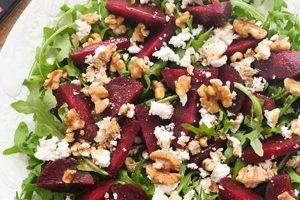
Tip 7: Balance Earthiness. Pairing beet greens with other ingredients, such as goat cheese, walnuts, or citrus fruits, can balance their earthy notes.
Following these guidelines ensures that the nutritional and culinary potential of beet greens is fully realized, contributing to delicious and healthful meals.
By incorporating these tips, culinary endeavors featuring beet greens can be elevated, creating dishes that are both flavorful and visually appealing. The following section will offer concluding thoughts on the benefits and versatility of this often-overlooked ingredient.
1. Fresh, Vibrant Greens

The foundation of any successful beet greens salad rests upon the quality of the greens themselves. Fresh, vibrant beet greens contribute not only to the visual appeal but also to the overall flavor and nutritional value of the dish. Selecting and handling these greens appropriately is paramount for achieving optimal results.
- Visual Indicators of Freshness
Fresh beet greens exhibit a deep green hue, free from yellowing or wilting. Leaves should appear crisp and unwilted, indicating recent harvest and proper storage. A vibrant color signifies higher nutrient content and a more robust flavor profile. Dull or discolored leaves may indicate age or improper handling, potentially affecting taste and texture.
- Texture and Crispness
The texture of fresh beet greens should be firm and slightly crisp. Avoid leaves that feel limp or slimy. Proper storage, such as refrigeration in a sealed bag, helps maintain crispness. Loss of turgor, indicated by limp leaves, suggests dehydration and a decline in quality.
- Aroma and Flavor Impact
Fresh beet greens possess a subtle, earthy aroma. An absence of aroma or the presence of off-putting odors may signify spoilage. The flavor of fresh greens is mild and slightly sweet, complementing other salad ingredients. Any bitterness or sourness suggests degradation and should be avoided.
- Nutritional Considerations
Freshly harvested beet greens offer optimal nutritional value, providing vitamins A, C, and K, along with minerals like potassium and iron. Nutrient content degrades over time, emphasizing the importance of using fresh greens. Incorporating fresh, nutrient-rich greens contributes to a healthier and more flavorful salad.
By prioritizing the selection of fresh, vibrant beet greens, the overall quality and enjoyment of the salad are significantly enhanced. The vibrant color, crisp texture, and robust flavor contribute to a more satisfying culinary experience, showcasing the potential of this often-underutilized ingredient.
2. Balanced Vinaigrette

A balanced vinaigrette plays a crucial role in a successful beet greens salad recipe. The vinaigrette’s purpose extends beyond simply dressing the greens; it complements the earthy flavors, provides a counterpoint to the slight bitterness sometimes present, and contributes to the overall sensory experience. A well-crafted vinaigrette elevates the salad from a simple combination of ingredients to a cohesive and flavorful dish.
- Acidity
The acidity in a vinaigrette, typically derived from vinegar or citrus juice, provides brightness and helps to cut through the earthiness of beet greens. Common choices include lemon juice, red wine vinegar, and balsamic vinegar. The level of acidity should be carefully calibrated to complement, not overpower, the greens. For example, a lemon vinaigrette offers a vibrant, citrusy counterpoint, while balsamic provides a deeper, sweeter acidity.
- Sweetness
A touch of sweetness in the vinaigrette can balance the bitterness sometimes present in beet greens, particularly mature ones. Honey, maple syrup, or a pinch of sugar can achieve this balance. The sweetness should be subtle, enhancing the overall flavor profile without making the salad overly sweet. A small amount of honey in a lemon vinaigrette, for instance, creates a complex and well-rounded flavor profile.
- Oil
The oil in a vinaigrette contributes richness and helps to coat the greens evenly, distributing flavor and creating a pleasant mouthfeel. Extra virgin olive oil is a popular choice, but other oils, such as avocado or walnut oil, can also be used. The type of oil influences the flavor of the vinaigrette. For example, walnut oil adds a nutty dimension, while avocado oil offers a creamy texture.
- Seasoning
Proper seasoning is essential for a well-balanced vinaigrette. Salt and pepper are fundamental, but other seasonings, such as Dijon mustard, garlic, or herbs, can add complexity and depth. The seasonings should complement the other vinaigrette ingredients and the flavor of the beet greens. A pinch of red pepper flakes can add a subtle heat, while fresh herbs like dill or parsley provide a fresh, herbaceous element.
The interplay of these elementsacidity, sweetness, oil, and seasoningcreates a balanced vinaigrette that enhances the natural flavors of the beet greens and other salad components. The vinaigrette acts as a unifying element, bringing together the diverse flavors and textures into a harmonious and satisfying whole. A well-balanced vinaigrette elevates the beet greens salad from a simple side dish to a culinary highlight.
3. Complementary Textures

Texture plays a significant role in the overall enjoyment of a beet greens salad. The inherent texture of beet greens, which can range from tender to slightly chewy depending on maturity and preparation, provides a foundation upon which to build textural complexity. Incorporating complementary textures creates a more engaging and satisfying sensory experience.
- Crunchy Elements
Crunchy elements provide a stark contrast to the softer texture of the beet greens. Toasted nuts, such as walnuts, pecans, or slivered almonds, offer a satisfying crunch. Seeds, like sunflower or pumpkin seeds, contribute both texture and nutritional value. Croutons, either homemade or store-bought, provide a crisp, bread-like counterpoint. These additions introduce textural variety and enhance the overall enjoyment of each bite.
- Soft and Creamy Components
Soft and creamy components balance the potentially assertive flavors and textures of beet greens and other crunchy additions. Crumbled goat cheese or feta provide a tangy creaminess. Avocado adds a buttery richness and smooth texture. A dollop of plain yogurt or a drizzle of tahini dressing can contribute a creamy element without overpowering the other flavors. These softer additions create a harmonious balance within the salad.
- Chewy Additions
Incorporating chewy elements adds another layer of textural complexity. Dried cranberries or other dried fruits offer a chewy sweetness. Cooked grains, such as quinoa or farro, provide a substantial chewiness and nutritional value. These additions create a more dynamic and satisfying mouthfeel.
- Raw Vegetables
Raw vegetables offer a crisp, refreshing contrast to the cooked or wilted beet greens. Thinly sliced red onion adds a pungent bite. Diced bell peppers contribute sweetness and crunch. Grated carrots provide a subtle sweetness and a firm texture. These additions introduce contrasting textures and enhance the nutritional profile of the salad.
The strategic combination of these varied texturescrunchy, creamy, chewy, and rawelevates the beet greens salad beyond a simple dish. The interplay of textures adds depth and interest, making each bite a multi-sensory experience. The considered inclusion of complementary textures transforms the salad into a more complex and satisfying culinary creation.
4. Flavorful additions

Flavorful additions are essential for elevating a beet greens salad recipe beyond its basic components. Beet greens possess an inherent earthy flavor that, while nutritious, can benefit from complementary or contrasting tastes. Strategic additions enhance complexity, balance potential bitterness, and create a more well-rounded and satisfying culinary experience.
- Cheese
Cheese provides a creamy texture and a salty, tangy, or sharp flavor that contrasts well with the earthiness of beet greens. Feta, goat cheese, and parmesan are excellent choices, offering distinct flavor profiles. Feta provides a salty, briny counterpoint, while goat cheese adds a tangy creaminess, and parmesan contributes a sharp, umami note. The choice of cheese depends on the overall flavor profile desired for the salad.
- Nuts and Seeds
Nuts and seeds offer both textural and flavor enhancements. Toasted walnuts, pecans, or almonds contribute a satisfying crunch and nutty flavor. Sunflower and pumpkin seeds provide a subtle nuttiness and a boost of healthy fats. These additions create a more dynamic textural experience and introduce complementary flavors that enhance the earthiness of the beet greens.
- Fruits
Fruits introduce sweetness and acidity, balancing the earthy notes of beet greens. Dried cranberries, chopped apples, or segments of orange offer contrasting flavors and textures. Dried cranberries provide a chewy sweetness, apples offer a crisp tartness, and oranges contribute a juicy sweetness and citrusy aroma. These additions create a more complex flavor profile and add visual appeal.
- Other Vegetables
Incorporating other vegetables extends the nutritional value and flavor profile of the salad. Roasted beets, thinly sliced red onion, or bell peppers contribute different textures and flavors. Roasted beets provide a deep, earthy sweetness, red onion adds a pungent bite, and bell peppers offer a crisp sweetness. These additions create a more substantial and satisfying salad.
The careful selection and combination of flavorful additions elevate the beet greens salad from a simple side dish to a more complex and satisfying culinary creation. The interplay of flavors and textures creates a well-balanced and enjoyable eating experience that showcases the versatility of beet greens.
5. Proper Washing Technique
Proper washing technique is crucial in preparing beet greens for consumption, particularly in a beet greens salad recipe. Beet greens, due to their proximity to the soil during growth, often harbor dirt, grit, and other debris. Thorough cleaning ensures a palatable and enjoyable salad, free from unpleasant textural surprises. Effective washing also minimizes potential food safety risks associated with soilborne contaminants.
- Initial Rinse
An initial rinse under cold running water removes loose soil and debris. This preliminary step prepares the greens for more thorough cleaning and reduces the likelihood of transferring dirt to subsequent washing stages. Holding the greens loosely under the stream of water allows for effective removal of surface contaminants.
- Soaking
Submerging the beet greens in a bowl of cold water for several minutes allows any remaining dirt and grit to settle to the bottom. This soaking process loosens stubborn particles clinging to the leaves, making them easier to remove during the final rinse. Gently agitating the greens during soaking further aids in dislodging trapped debris.
- Final Rinse
After soaking, a final rinse under cold running water ensures the complete removal of any lingering dirt or grit. Inspecting the greens carefully during this final rinse allows for the removal of any remaining particles. This step is essential for ensuring a clean and pleasant eating experience.
- Drying
Thoroughly drying the beet greens after washing prevents a soggy salad. A salad spinner effectively removes excess water, preserving the texture and preventing the vinaigrette from becoming diluted. Alternatively, gently patting the greens dry with a clean kitchen towel or paper towels achieves a similar result. Proper drying is crucial for maintaining the salad’s structural integrity and flavor balance.
Implementing a proper washing technique ensures that the beet greens are free from unwanted debris, enhancing both the flavor and enjoyment of the salad. Clean greens contribute to a more pleasant textural experience and minimize potential food safety concerns. This attention to detail elevates the final dish, showcasing the beet greens’ true potential and contributing to a more satisfying culinary experience.
6. Strategic Stem Removal
Strategic stem removal is essential for optimizing the texture and flavor of a beet greens salad. Beet green stems, particularly those of mature leaves, possess a fibrous texture that can detract from the overall enjoyment of the salad. While the leaves offer a tender, slightly earthy flavor, the stems can be tough and woody. Judicious removal of these stems ensures a more palatable and enjoyable salad experience.
- Stem Identification and Assessment
The first step involves identifying the stems and assessing their texture. Younger beet greens often have tender stems that can be included in the salad, finely chopped. However, older leaves develop thicker, more fibrous stems that require removal. Flexibility serves as a useful indicator; if the stem bends easily, it can likely be included. If it feels rigid and resistant to bending, removal is recommended.
- Removal Techniques
Several techniques facilitate effective stem removal. One method involves folding the leaf lengthwise and slicing out the thick stem with a sharp knife. Alternatively, the stem can be pinched off at the base of the leaf where it attaches. For larger leaves, running a knife along each side of the stem while holding the leaf flat is an efficient method. The chosen technique depends on personal preference and the size and maturity of the beet greens.
- Stem Usage Considerations
While often discarded, the removed stems possess culinary value. Instead of discarding them, consider adding them to vegetable stock for added flavor and nutrients. They can also be sauted or roasted along with other vegetables, such as onions and carrots. This minimizes food waste and maximizes the utilization of the entire beet plant.
- Impact on Salad Quality
Strategic stem removal directly impacts the final salad’s quality. It ensures a more tender and palatable texture, free from fibrous or woody stems. This enhances the overall eating experience, allowing the subtle, earthy flavors of the beet greens to shine through. Furthermore, it improves the visual appeal of the salad, creating a more uniform and appetizing presentation.
By strategically removing the stems, the beet greens salad transforms into a more refined and enjoyable culinary creation. The absence of tough stems elevates the textural experience, allowing the delicate flavors of the greens to take center stage. This attention to detail enhances the overall appeal of the salad, showcasing the versatility and culinary potential of beet greens.
Frequently Asked Questions
This section addresses common inquiries regarding the utilization of beet greens in salad preparations.
Question 1: Can beet greens be eaten raw?
While beet greens can be consumed raw, particularly young, tender leaves, they are often more palatable when cooked. Cooking reduces bitterness and softens the texture.
Question 2: How should beet greens be stored?
Store unwashed beet greens in a sealed container or plastic bag in the refrigerator for up to three days. Washing prior to storage can accelerate spoilage.
Question 3: Are beet greens nutritious?
Beet greens are a good source of vitamins A, C, and K, as well as minerals such as potassium and iron. They offer notable nutritional value.
Question 4: How does one remove the stems from beet greens?
Fold the leaf lengthwise and slice out the thick stem with a sharp knife, or pinch it off at the base of the leaf. Larger stems may require trimming along each side.
Question 5: What flavors pair well with beet greens?
Garlic, lemon juice, balsamic vinegar, goat cheese, walnuts, and toasted sesame seeds complement the earthy flavor of beet greens.
Question 6: Can beet greens be used in dishes other than salads?
Beet greens offer versatility beyond salads. They can be sauted, added to soups, stir-fries, frittatas, or used as a substitute for spinach in various recipes.
Understanding these key aspects of beet green usage ensures successful culinary applications and maximizes their nutritional benefits.
The following section will offer a collection of beet green salad recipes, providing practical examples for incorporating this nutritious and flavorful ingredient into one’s diet.
Conclusion
Exploration of beet greens salad recipes reveals the significant culinary potential of an often-overlooked ingredient. From proper selection and handling to the incorporation of complementary flavors and textures, each step contributes to a successful and satisfying dish. Careful washing and strategic stem removal optimize both flavor and texture. The interplay of acidic vinaigrettes, crunchy nuts, creamy cheeses, and sweet fruits elevates the simple beet green into a complex and enjoyable culinary experience. Furthermore, utilizing beet greens minimizes food waste and maximizes nutritional intake, reflecting a growing awareness of sustainable and healthful cooking practices.
The versatility of beet greens extends beyond salads, offering opportunities for creative incorporation into various dishes. Further exploration of these culinary applications promises to unlock even greater potential for this nutritious and flavorful green. This rediscovery of beet greens represents a valuable addition to contemporary cuisine, enriching both the table and the pursuit of sustainable food practices.