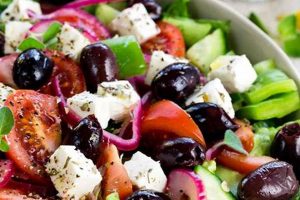
Salads featuring fresh, local produce are a cornerstone of many regional Indian cuisines. These dishes often incorporate a vibrant blend of vegetables, herbs, spices, and chutneys, resulting in a complex interplay of flavors and textures. A simple example might include chopped cucumbers, tomatoes, onions, and cilantro, seasoned with chaat masala and a squeeze of lime. More elaborate versions can include roasted or grilled vegetables, legumes, and unique regional ingredients.
These culinary creations offer a refreshing and nutritious counterpoint to richer dishes in an Indian meal. The emphasis on fresh ingredients provides vitamins, minerals, and dietary fiber. Furthermore, the use of diverse spices offers potential health benefits, as many spices are known for their antioxidant and anti-inflammatory properties. Historically, these salads have played a vital role in utilizing seasonal produce and creating balanced meals, reflecting the resourcefulness and culinary wisdom of Indian culinary traditions.
The following sections will explore various regional variations, specific ingredient combinations, and preparation techniques commonly employed in crafting these flavorful and healthful dishes. From the tangy koshimbir of Maharashtra to the crunchy kachumber of North India, the world of Indian vegetable salads offers a diverse and exciting culinary journey.
Tips for Creating Delicious Indian Vegetable Salads
Crafting exceptional Indian vegetable salads involves attention to detail and a willingness to experiment with flavors and textures. The following tips offer guidance for achieving optimal results.
Tip 1: Embrace Seasonal Produce: Selecting vegetables at their peak ripeness ensures optimal flavor and nutritional value. Local markets often offer a wide variety of seasonal produce, allowing for diverse and exciting salad combinations.
Tip 2: Balance Flavors: Indian cuisine is renowned for its balanced use of sweet, sour, salty, spicy, and bitter flavors. Consider incorporating ingredients that represent a range of these taste profiles to create a well-rounded salad.
Tip 3: Explore Regional Variations: Different regions of India boast unique salad traditions. Researching these variations can provide inspiration for new ingredient combinations and dressing styles.
Tip 4: Utilize Fresh Herbs and Spices: Freshly chopped herbs like cilantro, mint, and curry leaves add vibrant aromas and flavors. Ground and whole spices can be used to create depth and complexity.
Tip 5: Experiment with Textures: Combining a variety of textures, such as crunchy, soft, and chewy elements, enhances the overall sensory experience. Roasted or grilled vegetables can add a pleasant char and textural contrast.
Tip 6: Don’t Overcrowd the Salad: Allow each ingredient to shine by avoiding overcrowding. A balanced mix of vegetables, herbs, and spices creates a more harmonious flavor profile.
Tip 7: Dressings Matter: Simple dressings made with yogurt, lemon juice, tamarind paste, or chutneys can elevate the flavors of the salad. Experiment with different combinations to find your preferred balance.
By following these tips, one can create flavorful and nutritious salads that showcase the diversity and richness of Indian cuisine. These dishes offer a refreshing and healthy addition to any meal.
The concluding section offers further resources and inspiration for exploring the world of Indian vegetable salads.
1. Regional Variations

Regional variations play a crucial role in the diversity of Indian vegetable salads. Geographic location influences ingredient availability and culinary traditions, leading to distinct flavor profiles and preparation techniques. Coastal regions, for example, might feature salads with coconut and seafood, while mountainous areas might incorporate local greens and root vegetables. The availability of specific spices and herbs also varies regionally, contributing to unique flavor combinations. For instance, Kashmiri cuisine often incorporates dried ginger and fennel, while South Indian salads might feature curry leaves and mustard seeds. This regional diversity enriches the culinary landscape of Indian vegetable salads, offering a wide spectrum of flavors and textures.
Specific examples illustrate the impact of regional variations. Koshimbir, a Maharashtrian salad, typically features grated cucumber, yogurt, and peanuts, seasoned with green chilies and cilantro. This contrasts with the Kachumber salad commonly found in North India, which typically comprises finely chopped tomatoes, cucumbers, onions, and cilantro, often seasoned with chaat masala and lemon juice. These variations demonstrate how local ingredients and culinary preferences shape the characteristics of regional salads. Understanding these differences provides valuable insights into the complex tapestry of Indian cuisine.
Recognizing the influence of regional variations offers a deeper appreciation for the nuances of Indian vegetable salads. Exploring different regional recipes allows for a broader culinary experience and provides opportunities for creative experimentation. Further research into specific regional ingredients and techniques can enhance culinary knowledge and facilitate a more nuanced understanding of the rich and diverse traditions within Indian cuisine.
2. Fresh, Seasonal Produce

The emphasis on fresh, seasonal produce is integral to the vibrancy and nutritional value of Indian vegetable salads. Utilizing ingredients at their peak ripeness ensures optimal flavor and texture, contributing significantly to the overall culinary experience. This connection to seasonal availability reflects a deep-rooted respect for nature’s rhythms and a commitment to maximizing the nutritional benefits derived from locally sourced ingredients.
- Availability and Flavor:
Seasonal availability dictates the selection of vegetables for Indian salads. Produce harvested at its peak offers superior flavor and nutritional content compared to out-of-season alternatives. For instance, tomatoes during summer months possess a sweetness and juiciness rarely found in other seasons, enhancing the overall taste of the salad. This focus on seasonality encourages culinary creativity and adaptability, leading to diverse flavor profiles throughout the year.
- Nutritional Value:
Fresh, seasonal produce is often richer in vitamins and minerals. Consuming locally grown vegetables minimizes time between harvest and consumption, preserving nutrient integrity. This commitment to fresh ingredients contributes to the healthfulness of Indian vegetable salads, aligning with traditional dietary principles that emphasize the importance of nutrient-rich foods.
- Regional and Cultural Significance:
The use of seasonal ingredients is deeply intertwined with regional and cultural culinary traditions. Specific vegetables associated with particular seasons often feature prominently in regional salad variations. This connection to local agriculture fosters a sense of place and reinforces the cultural significance of food within Indian society.
- Sustainability and Environmental Impact:
Prioritizing seasonal produce supports local farmers and reduces the environmental impact associated with long-distance transportation. This emphasis on local sourcing aligns with sustainable agricultural practices and promotes a more environmentally conscious approach to food consumption.
By embracing the principles of seasonality, Indian vegetable salads not only offer a delicious and nutritious culinary experience but also reflect a deeper connection to the land and a commitment to sustainable practices. This emphasis on fresh, locally sourced ingredients elevates these dishes beyond mere sustenance, transforming them into a celebration of nature’s bounty and a testament to the rich culinary heritage of India.
3. Balancing Flavors (Sweet, Sour, Spicy)
The art of balancing flavors forms a cornerstone of Indian culinary philosophy, particularly within the realm of vegetable salads. A harmonious interplay of sweet, sour, and spicy elements elevates these dishes beyond simple combinations of ingredients, creating a complex and satisfying sensory experience. This delicate balance distinguishes Indian vegetable salads, contributing to their unique character and appeal.
- Sweetness as a Foundation:
Sweetness often provides a foundational element, grounding the other flavors. Ingredients like chopped dates, grated carrots, or roasted beets contribute a subtle sweetness that balances the tanginess and heat. This foundational sweetness creates a more rounded flavor profile, preventing the salad from becoming overly sharp or pungent. Examples include adding a pinch of jaggery to a tamarind-based dressing or incorporating sweet fruits like mangoes or grapes into the salad.
- Sourness for Brightness:
Sourness introduces brightness and complexity. Ingredients like lime juice, tamarind pulp, or yogurt provide a refreshing tang that cuts through richness and enhances the other flavors. This acidity also acts as a preservative, extending the shelf life of the salad. A squeeze of lemon over a cucumber and tomato salad or the addition of a yogurt-based dressing exemplifies this principle.
- Spice for Depth and Warmth:
Spice adds depth and warmth, stimulating the palate and adding complexity. Green chilies, ginger, or a blend of spices like chaat masala introduce a piquant element that balances the sweetness and sourness. The level of spice can be adjusted to suit individual preferences, ranging from a mild warmth to a fiery intensity. A sprinkle of chili powder or the addition of chopped green chilies illustrates the role of spice in achieving balance.
- Harmonious Integration:
The true artistry lies in the harmonious integration of these elements. No single flavor should dominate; rather, they should complement and enhance each other, creating a balanced and unified whole. Achieving this balance requires careful consideration of ingredient proportions and the interplay of different flavor profiles. A well-balanced Indian vegetable salad exemplifies this principle, offering a complex and nuanced flavor experience that reflects the sophistication of Indian culinary traditions.
The interplay of sweet, sour, and spicy elements in Indian vegetable salads creates a dynamic and engaging culinary experience. This careful balancing of flavors distinguishes these dishes, showcasing the depth and complexity of Indian cuisine. By understanding the principles of flavor balance, one can appreciate the artistry and cultural significance embedded within these seemingly simple yet profoundly flavorful culinary creations.
4. Versatile Spice Blends
Spice blends play a crucial role in defining the complex flavor profiles of Indian vegetable salads. These blends, often composed of a carefully curated selection of ground and whole spices, contribute depth, aroma, and a unique character to the dishes. Their versatility stems from their adaptability to various vegetable combinations and regional culinary preferences. The strategic use of spice blends elevates the salads beyond simple mixtures of ingredients, transforming them into layered and nuanced culinary experiences. Spice blends function not merely as seasonings but as integral components that shape the overall character of the salad.
Specific examples illustrate the practical significance of spice blends. Chaat masala, a ubiquitous blend in Indian cuisine, typically includes dried mango powder, cumin, coriander, ginger, black salt, and chili powder. Its tangy, savory, and slightly spicy profile complements a wide range of vegetables, adding a distinctive flavor dimension to salads. Similarly, a blend of roasted cumin and coriander seeds, ground together, can impart an earthy and warm aroma to roasted vegetable salads. Regional variations exist, with some blends incorporating ingredients like dried fenugreek leaves, mustard seeds, or asafoetida, reflecting the diverse culinary landscape of India. The choice of spice blend depends on the specific vegetables used in the salad and the desired flavor profile. Understanding these nuances allows for greater culinary precision and creativity.
The effective utilization of spice blends in Indian vegetable salads requires an understanding of their individual components and how they interact with different ingredients. Overuse can overwhelm the delicate flavors of fresh produce, while insufficient use can result in a bland and uninspired dish. A balanced approach, informed by culinary experience and an appreciation for the nuances of spice, allows one to harness the full potential of these versatile blends. The careful application of spice blends unlocks a world of flavor possibilities, elevating Indian vegetable salads to a higher culinary plane and reflecting the rich tapestry of Indian culinary traditions.
5. Healthful and Refreshing
The inherent healthfulness and refreshing qualities of Indian vegetable salads contribute significantly to their appeal. These dishes offer a nutritious and revitalizing culinary experience, aligning with contemporary dietary preferences that emphasize whole foods and balanced nutrition. The emphasis on fresh, minimally processed ingredients, combined with the vibrant flavors and textures, positions these salads as a healthful and enjoyable component of a balanced diet.
- Nutrient Density:
Indian vegetable salads offer a concentrated source of essential vitamins, minerals, and dietary fiber. The diverse array of vegetables incorporated into these salads ensures a broad spectrum of micronutrients, contributing to overall health and well-being. Leafy greens provide vitamins A and K, while vegetables like tomatoes and carrots offer antioxidants like lycopene and beta-carotene. The high fiber content aids digestion and promotes satiety, contributing to weight management.
- Light and Digestible:
The emphasis on fresh, uncooked or lightly cooked vegetables makes these salads easily digestible. This characteristic makes them an ideal choice for warm weather or as a light meal or side dish. The absence of heavy sauces or fried components further contributes to their digestibility, reducing the likelihood of digestive discomfort.
- Hydration and Electrolyte Balance:
Many vegetables used in Indian salads have high water content, contributing to hydration. Ingredients like cucumbers and tomatoes are particularly hydrating, helping to replenish fluids and maintain electrolyte balance, especially beneficial in warm climates. This hydrating quality adds to the refreshing nature of these salads.
- Spice and Metabolism:
The spices commonly used in Indian vegetable salads, such as ginger, chili, and cumin, are known for their potential metabolic benefits. Some studies suggest that these spices may help boost metabolism and aid in digestion. The incorporation of these spices adds not only flavor but also potential health benefits.
The convergence of nutrient density, digestibility, hydration, and the potential metabolic benefits of spices underscores the healthful and refreshing nature of Indian vegetable salads. These qualities, combined with the vibrant flavors and textures, make these dishes a valuable and enjoyable component of a balanced and health-conscious diet. The adaptability of these salads to diverse dietary needs and preferences further enhances their appeal, solidifying their position as a versatile and nutritious culinary choice.
Frequently Asked Questions
This section addresses common inquiries regarding Indian vegetable salads, providing concise and informative responses to facilitate a deeper understanding of these culinary creations.
Question 1: How can one adapt Indian vegetable salad recipes to accommodate dietary restrictions?
Adaptations for dietary restrictions are readily achievable. Substituting ingredients offers flexibility for various needs. For vegan diets, yogurt can be replaced with plant-based alternatives. Gluten-free variations can be achieved by ensuring all ingredients, particularly spice blends, are gluten-free. Adjustments to spice levels accommodate sensitivities.
Question 2: What are the best methods for storing leftover Indian vegetable salads?
Proper storage maintains freshness and flavor. Refrigeration in airtight containers is recommended. Salads with yogurt-based dressings should be consumed within 24 hours. Storing dressings separately can extend shelf life. Avoid freezing, as it can compromise texture.
Question 3: Are there specific regional variations in dressing styles for Indian vegetable salads?
Regional variations in dressings reflect diverse culinary traditions. North Indian salads often feature yogurt or chaat masala-based dressings. South Indian variations may incorporate coconut milk, tamarind, or mustard oil. Coastal regions might utilize lime juice and coconut vinegar. Regional preferences dictate dressing choices.
Question 4: Can canned or frozen vegetables be used in Indian vegetable salads?
While fresh produce is preferred, canned or frozen vegetables can be substituted in certain situations. Opt for low-sodium or no-salt-added canned varieties. Frozen vegetables should be thoroughly thawed and drained before use. However, using fresh, seasonal produce whenever possible yields optimal flavor and texture.
Question 5: What are some key spices frequently used in these salads beyond basic seasonings?
Beyond basic salt and pepper, common spices include cumin, coriander, turmeric, chili powder, and garam masala. Regional variations introduce spices like mustard seeds, fenugreek, and asafoetida. Spice blends like chaat masala provide distinctive flavor profiles.
Question 6: How can one balance the flavors in an Indian vegetable salad to achieve an authentic taste?
Balancing flavors involves a harmonious interplay of sweet, sour, salty, and spicy elements. Incorporating ingredients like chopped dates or tamarind paste adds sweetness and sourness. Salt enhances flavors, while spices like green chilies or ginger provide heat. Regional variations influence specific flavor combinations.
Understanding these key aspects of Indian vegetable salads empowers culinary exploration and appreciation. Experimentation with ingredients and flavors allows for personalized variations while maintaining the essence of these vibrant dishes.
The following section offers a collection of curated recipes to inspire culinary creativity and provide practical guidance for preparing authentic and flavorful Indian vegetable salads.
Indian Vegetable Salad Recipes
Exploration of Indian vegetable salad recipes reveals a diverse culinary landscape shaped by regional variations, seasonal ingredients, and a nuanced understanding of flavor balance. Emphasis on fresh produce underscores a commitment to nutritional value and culinary artistry. Strategic use of spice blends, ranging from ubiquitous chaat masala to regional variations, contributes depth and complexity. These salads offer not merely sustenance but a vibrant and healthful culinary experience, reflecting a rich cultural heritage.
The adaptability of these recipes to diverse dietary needs and palates positions them as a valuable asset in contemporary culinary practice. Continued exploration of regional variations and innovative ingredient combinations promises to further enrich the world of Indian vegetable salads, preserving tradition while embracing culinary evolution. This exploration encourages a deeper appreciation for the artistry and cultural significance embedded within these vibrant and flavorful dishes.