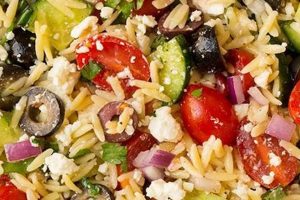
A simple dish featuring fresh mozzarella, ripe tomatoes, and basil leaves, typically seasoned with salt, pepper, and olive oil, exemplifies a straightforward approach to this classic Italian salad. Variations may include balsamic glaze, pesto, or other herbs.
The appeal of this type of salad lies in its minimal preparation time and reliance on high-quality, fresh ingredients. The combination of flavors and textures creamy mozzarella, juicy tomato, and fragrant basil creates a refreshing and satisfying dish, perfect as a light lunch, appetizer, or side. Originating on the island of Capri, this salad is a celebration of simple, fresh Italian cuisine.
This article will explore different approaches to preparing variations, offer tips on selecting the best ingredients, and discuss complementary pairings.
Tips for a Perfect Caprese Salad
Achieving optimal flavor and presentation requires attention to detail. The following tips offer guidance for creating a truly exceptional salad.
Tip 1: Ingredient Quality is Paramount: The success hinges on the freshness and quality of the core components. Opt for ripe, in-season tomatoes, fresh mozzarella packed in water, and fragrant, vibrant basil.
Tip 2: Slice Evenly: Uniformly sliced tomatoes and mozzarella ensure even distribution of flavors and contribute to an aesthetically pleasing presentation.
Tip 3: Seasoning Matters: Use high-quality sea salt and freshly cracked black pepper. Over-salting can mask the delicate flavors of the ingredients.
Tip 4: Olive Oil Selection: Extra virgin olive oil provides the best flavor. A robust oil can complement the other ingredients without overpowering them.
Tip 5: Arrange with Care: Thoughtful arrangement enhances visual appeal. Consider alternating slices of tomato and mozzarella, overlapping slightly.
Tip 6: Balsamic Glaze (Optional): A drizzle of balsamic glaze adds a touch of sweetness and acidity, but use sparingly to avoid overpowering the other flavors.
Tip 7: Serve Immediately: This salad is best enjoyed fresh. Allowing the salad to sit can cause the tomatoes to release excess water and dilute the flavors.
By adhering to these guidelines, one can elevate this simple salad to a culinary masterpiece. Careful attention to ingredient selection, preparation, and presentation ensures a delightful sensory experience.
These tips provide a foundation for creating a classic Caprese salad. Experimentation with variations and additions can further enhance this timeless dish.
1. Fresh Ingredients

The quality of a Caprese salad is directly linked to the freshness of its components. This reliance on high-quality ingredients is integral to the simplicity and success of the dish. Utilizing fresh produce elevates the flavors and contributes to a superior culinary experience.
- Ripe Tomatoes:
In-season, locally sourced tomatoes, if available, offer the best flavor and texture. Look for tomatoes that are firm yet yield slightly to the touch, with vibrant color and a fragrant aroma. Avoid tomatoes with blemishes or bruises. The sweetness and acidity of a perfectly ripe tomato provide a crucial foundation for the salad.
- Fresh Mozzarella:
High-quality mozzarella, preferably fior di latte (made with cow’s milk) or buffalo mozzarella (mozzarella di bufala campana), is essential. Look for mozzarella packed in water, as it retains optimal freshness. Avoid pre-shredded mozzarella, which often contains added starch and lacks the desired creamy texture. Fresh mozzarella provides the creamy, milky counterpoint to the tomatoes.
- Fragrant Basil:
Fresh basil leaves provide a distinct peppery, slightly minty aroma and flavor that complements the tomatoes and mozzarella. Choose vibrant green leaves that are free from blemishes. Avoid wilted or dried basil, as it lacks the necessary aromatic intensity. The basil provides an aromatic lift and a touch of peppery complexity.
- Extra Virgin Olive Oil:
High-quality extra virgin olive oil provides a rich, fruity flavor that enhances the other ingredients. Opt for an olive oil with a pleasant aroma and a balanced flavor profile. Avoid oils with a rancid or bitter taste. A good olive oil adds richness and complexity to the salad.
The emphasis on fresh ingredients reinforces the inherent simplicity of the Caprese salad. By selecting peak-season produce and high-quality components, the natural flavors are allowed to shine, resulting in a dish that is both easy to prepare and exceptionally delicious. This interconnectedness of ease and freshness is central to the enduring appeal of this classic Italian salad.
2. Simple Preparation

Minimal preparation is a defining characteristic of the Caprese salad, directly contributing to its classification as an “easy” recipe. The straightforward nature of the preparationslicing tomatoes and mozzarella, arranging them with basil, and drizzling with olive oil and seasoningsmakes it accessible to cooks of all skill levels. This ease of assembly allows for a quick and effortless meal solution, particularly appealing for busy individuals or those seeking a light and refreshing dish without extensive culinary effort. For example, a simple lunch can be prepared in minutes by slicing a single tomato and a ball of mozzarella, arranging them on a plate with a few basil leaves, and seasoning with salt, pepper, and olive oil.
The limited steps involved minimize the potential for error and reduce cleanup time. The lack of cooking preserves the natural flavors of the ingredients, allowing their freshness to shine. This simplicity also offers flexibility. While a traditional Caprese salad includes only tomatoes, mozzarella, basil, olive oil, and seasonings, variations can be easily incorporated without adding significant complexity. A drizzle of balsamic glaze or a sprinkle of dried oregano can enhance the flavor profile without demanding additional preparation time. This adaptability allows for customization based on individual preferences or available ingredients.
Ultimately, the simple preparation of a Caprese salad underscores its accessibility and convenience. This ease of assembly makes it an ideal choice for various occasions, from a quick weeknight meal to a casual gathering. Understanding the connection between simple preparation and the ease of this recipe highlights its practicality and enduring appeal within the broader culinary landscape.
3. Minimal Cooking

The absence of cooking is a defining feature of the Caprese salad, directly contributing to its ease of preparation. This characteristic distinguishes it from other salads that require cooking certain components, such as roasted vegetables or grilled proteins. Eliminating the cooking stage streamlines the process, making it an ideal choice for quick meals or situations where cooking facilities are limited. This aspect aligns perfectly with the “easy” element of the recipe, emphasizing its accessibility and convenience.
- Preservation of Freshness
The lack of heat preserves the natural flavors, textures, and nutrients of the ingredients. Tomatoes retain their juicy sweetness, mozzarella maintains its creamy texture, and basil preserves its vibrant aroma. This emphasis on freshness underscores the salad’s focus on high-quality ingredients and their inherent flavors. Cooking, even briefly, can alter these delicate characteristics. For example, heating tomatoes can cause them to become mushy, while cooking mozzarella can make it rubbery. By avoiding cooking altogether, the Caprese salad celebrates the natural goodness of its components.
- Speed and Simplicity
No cooking translates to faster preparation time. Simply slicing the ingredients and assembling the salad eliminates the need for preheating ovens, monitoring cooking times, or cooling cooked components. This speed and simplicity make the Caprese salad an attractive option for busy individuals or those seeking a quick and effortless meal. The minimal preparation contributes to the overall ease and convenience of the recipe. For instance, a Caprese salad can be assembled in a matter of minutes, making it a significantly faster option compared to salads requiring cooked elements.
- Emphasis on Quality Ingredients
The absence of cooking places greater emphasis on the quality of the ingredients. Because the flavors are not altered or masked by cooking processes, the inherent taste of each component becomes paramount. This underscores the importance of selecting ripe, flavorful tomatoes, fresh mozzarella, and fragrant basil. The success of the dish relies heavily on the natural quality of the ingredients chosen. High-quality extra virgin olive oil and appropriate seasoning further enhance the fresh flavors, contributing to a simple yet sophisticated culinary experience.
- Versatility and Adaptability
While minimal cooking defines the traditional Caprese salad, this aspect also allows for flexibility and adaptability. The raw nature of the salad allows for easy customization. Adding ingredients like olives, artichoke hearts, or prosciutto introduces additional flavors and textures without requiring cooking. This versatility allows individuals to personalize the salad based on preference or dietary needs. The basic foundation of fresh ingredients and minimal preparation remains consistent, emphasizing the ease and adaptability inherent in the recipe.
The absence of cooking in the Caprese salad is integral to its appeal as an easy and refreshing dish. By preserving freshness, simplifying preparation, emphasizing quality ingredients, and offering versatility, the minimal cooking aspect defines the very essence of this classic Italian salad. This inherent simplicity allows the natural flavors of the high-quality ingredients to shine, creating a culinary experience that is both effortless and satisfying.
4. High-Quality Olive Oil
High-quality olive oil plays a crucial role in an easy Caprese salad recipe, elevating the dish beyond a simple combination of ingredients. The oil acts as a unifying element, binding the flavors of the tomatoes, mozzarella, and basil. Its contribution extends beyond flavor, influencing the overall sensory experience. A superior extra virgin olive oil, characterized by a fruity aroma, peppery finish, and vibrant green hue, enhances the salad’s taste and visual appeal. The oil’s texture also contributes to the salad’s palatability, coating the ingredients and providing a smooth, luxurious mouthfeel. Using a subpar oil, on the other hand, can negatively impact the salad’s flavor profile, introducing unwanted bitterness or rancidity. For instance, an oil with a muted flavor profile may fail to complement the other ingredients, resulting in a less satisfying dish. Conversely, an overly strong or pungent oil can overwhelm the delicate flavors of the tomatoes and mozzarella.
The choice of olive oil directly influences the perceived quality and enjoyment of the Caprese salad. A high-quality oil contributes a depth of flavor that complements the fresh ingredients. Its richness and complexity enhance the simple yet elegant nature of the dish. One might consider, for example, a Tuscan extra virgin olive oil with its robust, peppery notes to accentuate the sweetness of ripe tomatoes. Alternatively, a milder Ligurian olive oil, with its delicate, fruity aroma, could provide a harmonious balance without overpowering the subtle flavors of fresh mozzarella. The selection should be informed by the desired balance of flavors and the specific characteristics of the other ingredients. The oil’s quality is a key factor in achieving the desired culinary outcome.
Selecting high-quality olive oil is essential for maximizing the potential of an easy Caprese salad recipe. The oils impact on flavor, texture, and overall enjoyment underscores its importance as a key ingredient. Careful consideration of the oil’s characteristics ensures a harmonious balance of flavors, ultimately elevating a simple dish into a culinary delight. Challenges in sourcing high-quality olive oil can be mitigated by researching reputable producers and seeking oils with certifications indicating adherence to quality standards. Understanding the impact of olive oil contributes significantly to achieving a truly exceptional Caprese salad.
5. Proper Seasoning

Proper seasoning is essential for a successful easy Caprese salad recipe. While the focus remains on fresh, high-quality ingredients, their natural flavors benefit significantly from careful seasoning. Achieving the correct balance enhances the inherent sweetness of ripe tomatoes, the creamy richness of mozzarella, and the peppery notes of fresh basil. Over-seasoning can mask these delicate flavors, while under-seasoning can result in a bland and uninspiring dish. The simplicity of the recipe necessitates precise seasoning to maximize its potential.
- Salt
Salt enhances the flavors of the other ingredients and balances the inherent acidity of the tomatoes. Sea salt or kosher salt is generally preferred over table salt due to its coarser texture and cleaner flavor. The quantity of salt used should be carefully considered; too much can overpower the delicate flavors, while too little can leave the salad tasting flat. A pinch of salt sprinkled evenly over the tomatoes and mozzarella allows their natural sweetness and creaminess to shine. For example, using flaky sea salt provides a pleasant textural element in addition to its flavor contribution.
- Black Pepper
Freshly cracked black pepper adds a subtle layer of complexity and spice to the salad. Pre-ground pepper often lacks the aromatic intensity of freshly cracked peppercorns. The coarseness of the grind can influence the intensity of the pepper’s flavor; a coarser grind provides a more pronounced peppery bite, while a finer grind offers a gentler spice. Freshly cracked black pepper complements the peppery notes of the fresh basil, creating a harmonious balance of flavors. A light sprinkle of freshly cracked black pepper over the entire salad adds a subtle warmth without overpowering the other ingredients.
- Timing of Seasoning
The timing of seasoning can also influence the final outcome. Salting the tomatoes slightly in advance allows them to release some of their juices, which can then be incorporated into the dressing. However, over-salting or salting too far in advance can result in excessive moisture and a diluted flavor profile. Seasoning immediately before serving helps maintain the optimal texture and flavor of the ingredients. For instance, adding the salt and pepper just before drizzling with olive oil prevents the tomatoes from becoming overly soggy. This approach ensures that the salad is seasoned evenly and retains its fresh, vibrant character.
- Balancing Flavors
Proper seasoning involves more than just adding salt and pepper. It requires careful consideration of the balance of flavors. The sweetness of the tomatoes, the creaminess of the mozzarella, the peppery notes of the basil, and the richness of the olive oil should harmonize. The goal is to enhance, not mask, these individual flavors. A sprinkle of red pepper flakes, for example, can introduce a touch of heat, while a drizzle of balsamic glaze can add a contrasting sweetness and acidity. Achieving the optimal balance of flavors elevates the simple Caprese salad into a more complex and nuanced culinary experience.
Proper seasoning elevates the simple Caprese salad from a basic combination of ingredients to a harmonious blend of flavors and textures. Careful consideration of the type, quantity, and timing of seasoning allows the fresh, high-quality ingredients to shine. Achieving this balance is crucial to maximizing the potential of the easy Caprese salad recipe, demonstrating that even simple dishes benefit significantly from attention to detail in seasoning. This principle extends beyond the Caprese salad and applies to a wide range of culinary endeavors, emphasizing the fundamental role of proper seasoning in achieving a successful and flavorful outcome.
6. Attractive Presentation
Attractive presentation elevates an easy Caprese salad recipe from a simple meal to a visually appealing culinary experience. While the ease of preparation remains a key characteristic, visual appeal enhances enjoyment and perceived value. Consider the impact of arranging vibrant red tomato slices, pristine white mozzarella, and verdant green basil leaves in a deliberate pattern rather than haphazardly piling them on a plate. The intentional arrangement immediately elevates the dish, transforming it into something more enticing. This visual enhancement requires minimal extra effort yet significantly impacts the overall dining experience. A simple fanning of overlapping tomato and mozzarella slices, interspersed with fresh basil leaves, creates a visually striking presentation that complements the fresh flavors. Drizzling high-quality olive oil and sprinkling coarse sea salt and freshly cracked black pepper further enhances the visual appeal while contributing to the flavor profile.
Several factors contribute to an attractive presentation. Color contrast plays a significant role; the vibrant red of ripe tomatoes, the stark white of fresh mozzarella, and the deep green of basil create a naturally appealing color palette. Texture also contributes to visual interest; the smooth, creamy texture of mozzarella contrasts with the slightly yielding texture of tomatoes and the delicate texture of basil leaves. The arrangement of ingredients further enhances visual appeal. Slicing the tomatoes and mozzarella into uniform thicknesses ensures a consistent and aesthetically pleasing appearance. Arranging the slices in an overlapping pattern or creating a visually interesting design adds an element of artistry to the dish. For instance, a Caprese salad arranged on a platter with alternating rows of tomato and mozzarella slices, garnished with a sprig of fresh basil in the center, creates a visually compelling centerpiece for a table setting. Alternatively, individual servings can be plated with artistic flair by arranging the tomato and mozzarella slices in a circular pattern, resembling a flower, with a small mound of basil leaves in the center.
Understanding the impact of attractive presentation on the overall enjoyment of an easy Caprese salad underscores the importance of visual appeal in culinary experiences. While ease of preparation remains a defining characteristic, taking a few extra moments to consider presentation elevates the dish, transforming it from a simple meal into a more engaging and satisfying sensory experience. This principle extends beyond the Caprese salad and applies to a wide range of culinary creations, emphasizing the significant impact of visual presentation on perceived value and overall enjoyment. Challenges such as limited time or resources can be overcome by focusing on simple yet effective presentation techniques, such as using readily available garnishes like fresh herbs or a drizzle of balsamic glaze to enhance the visual appeal without requiring extensive effort. Recognizing the importance of attractive presentation contributes to a more holistic and rewarding culinary experience, even for easy recipes like the Caprese salad.
Frequently Asked Questions
This section addresses common inquiries regarding the preparation and enjoyment of Caprese salad, offering concise and informative responses.
Question 1: Can other cheeses be substituted for mozzarella in a Caprese salad?
While mozzarella is traditional, variations can incorporate cheeses like burrata, fresh ricotta, or provolone. However, these substitutions alter the classic flavor profile.
Question 2: How should tomatoes be selected for optimal flavor?
Ripe, in-season tomatoes offer the best flavor. Look for vibrant color, a slight give to the touch, and a fragrant aroma. Heirloom varieties can provide interesting flavor variations.
Question 3: What type of basil is most suitable for a Caprese salad?
Sweet basil is the most common choice. Other varieties, such as Genovese basil or Thai basil, can be used, but their distinct flavors will influence the overall taste.
Question 4: Can balsamic vinegar be used instead of balsamic glaze?
Balsamic vinegar can be used, but its thinner consistency and sharper acidity may require adjustment in quantity to avoid overpowering the other flavors. A reduction of balsamic vinegar can provide a closer approximation to balsamic glaze.
Question 5: How should a Caprese salad be stored if not consumed immediately?
Ideally, Caprese salad is best consumed immediately after preparation. If storage is necessary, keep the components separate and combine just before serving to prevent the tomatoes from becoming watery and the mozzarella from drying out. Store the separated components in airtight containers in the refrigerator.
Question 6: How can a Caprese salad be adapted for dietary restrictions, such as veganism?
Vegan mozzarella alternatives, derived from plant-based sources like cashews or almonds, can be substituted. Ensure the chosen alternative offers a comparable texture and flavor profile to traditional mozzarella.
Understanding these common inquiries ensures optimal preparation and enjoyment. Careful attention to ingredient selection and preparation techniques yields the best results.
The following section will explore variations on the classic Caprese salad, offering inspiration for culinary experimentation.
Easy Caprese Salad Recipe
Exploration of the easy caprese salad recipe reveals a dish defined by simplicity and freshness. Emphasis on high-quality ingredientsripe tomatoes, fresh mozzarella, and fragrant basilunderscores the importance of sourcing optimal produce. Minimal preparation, coupled with the absence of cooking, allows the natural flavors to shine. Proper seasoning with high-quality olive oil, salt, and pepper enhances these inherent flavors. Finally, attention to visual presentation elevates the dish, demonstrating that simplicity does not preclude elegance.
The enduring appeal of the easy caprese salad recipe lies in its ability to deliver a sophisticated culinary experience with minimal effort. This balance of ease and elegance positions the dish as a timeless classic, adaptable to various occasions and culinary preferences. Continued appreciation for fresh, high-quality ingredients ensures the sustained relevance of this simple yet satisfying culinary creation.