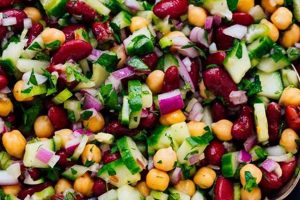
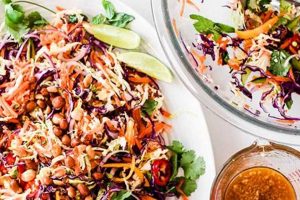
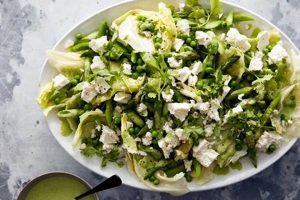
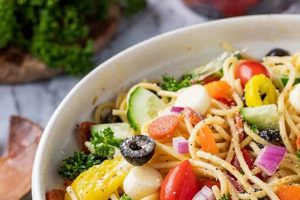
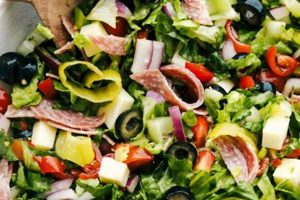
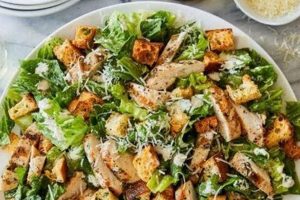
Dishes suitable for communal gatherings often involve fresh, leafy vegetables combined with various other ingredients. These can range from simple combinations of lettuce, tomatoes, and cucumbers with a vinaigrette, to more complex creations incorporating fruits, nuts, cheeses, and proteins. An example might include a spinach salad with strawberries, candied pecans, crumbled goat cheese, and a poppy seed dressing.
Such dishes offer numerous advantages for shared meals. They are often easy to transport, can be prepared in advance, and cater to a variety of dietary needs and preferences. Leafy greens provide essential vitamins and minerals, contributing to a healthy and balanced meal. Historically, communal meals have relied on dishes that could be easily shared and contributed by different individuals, and salads fit naturally within this tradition. Their adaptability and versatility make them a continually popular choice.
This discussion will further explore different categories of these dishes, offering specific examples, preparation tips, and suggestions for customizing them to individual tastes and dietary restrictions. Considerations for transport and serving will also be addressed to ensure a successful potluck contribution.
Tips for Successful Potluck Salad Contributions
Careful planning ensures a dish that travels well, complements other offerings, and satisfies a variety of palates.
Tip 1: Transport Dressing Separately: To prevent a soggy salad, pack dressings in separate containers and toss just before serving. Consider offering a variety of dressings to accommodate different preferences.
Tip 2: Choose Sturdy Greens: Heartier greens like romaine, kale, or spinach hold up better than delicate lettuces like butter lettuce or iceberg.
Tip 3: Layer Ingredients Strategically: Place heavier ingredients like vegetables and proteins at the bottom of the container, with more delicate items like herbs and nuts on top to prevent crushing.
Tip 4: Consider Pre-Chopping Ingredients: While some ingredients, like avocados, are best cut just before serving, pre-chopping others can save time and effort. Store pre-chopped ingredients in airtight containers.
Tip 5: Keep Ingredients Cold: Transport the salad in a cooler with ice packs to maintain freshness and food safety.
Tip 6: Offer Variety: Incorporate a range of textures and flavors. Consider adding crunchy elements like nuts or seeds, sweet components like dried fruit, or savory additions like cheese or olives.
Tip 7: Label Clearly: Provide a clear label listing all ingredients to accommodate guests with allergies or dietary restrictions.
By following these guidelines, contributions to shared meals will be both delicious and convenient.
The next section will offer specific recipe ideas, incorporating these tips for optimal results.
1. Fresh, Seasonal Ingredients

Emphasis on fresh, seasonal ingredients significantly elevates the quality and appeal of contributions to shared meals. Seasonality influences flavor profiles, nutritional value, and overall culinary experience. Utilizing produce at its peak ripeness ensures optimal taste and texture.
- Enhanced Flavor Profiles
Ingredients harvested in their respective seasons possess more intense and nuanced flavors compared to out-of-season alternatives. A summer tomato, vine-ripened and bursting with sweetness, exemplifies this principle. Incorporating such vibrant flavors into a salad elevates the dish beyond basic sustenance, offering a delightful sensory experience.
- Increased Nutritional Value
Produce picked at peak ripeness generally retains higher nutrient content. Freshly harvested spinach, for example, offers greater concentrations of vitamins and minerals compared to spinach stored for extended periods. Prioritizing seasonal ingredients contributes to a healthier and more nutritious meal for all participants.
- Support for Local Agriculture
Choosing seasonal produce often translates to supporting local farmers and growers. This reduces transportation distances, minimizing environmental impact and promoting community-based food systems. A salad featuring locally sourced, seasonal ingredients can be a testament to sustainable food practices.
- Cost-Effectiveness
Seasonal produce typically costs less due to greater availability and reduced transportation expenses. Utilizing readily available, in-season fruits and vegetables allows for creative and budget-conscious salad construction. This allows for greater variety and abundance without compromising quality or incurring excessive costs.
By incorporating fresh, seasonal ingredients, contributions to potluck gatherings become more vibrant, nutritious, and sustainable. The emphasis on seasonality underscores a commitment to quality and a celebration of the natural bounty available at different times of the year. This approach transforms a simple salad into a vibrant expression of culinary appreciation.
2. Variety in Textures and Flavors

Textural and flavor diversity significantly enhances the appeal and satisfaction derived from salads intended for shared meals. A monotonous salad, regardless of ingredient quality, risks underwhelming attendees. Strategic incorporation of contrasting elements elevates a simple salad to a more engaging culinary experience. Crisp romaine lettuce paired with creamy avocado, crunchy toasted almonds, and juicy cherry tomatoes exemplifies this principle. The interplay of textures creates a more stimulating and enjoyable experience.
Furthermore, a variety of flavors adds depth and complexity. Consider a spinach salad with sweet dried cranberries, tangy crumbled goat cheese, and savory roasted pecans. This combination offers a more nuanced flavor profile than a salad relying solely on one or two dominant tastes. Such diversity caters to a wider range of palates, increasing the likelihood of attendee satisfaction. This is particularly relevant in potluck settings where individual preferences can vary significantly. Offering diverse flavors maximizes the chances of a universally appreciated dish.
Balancing these elements contributes significantly to the overall success of a shared meal. A salad featuring both textural and flavor variety offers not only nutritional value but also a more engaging and enjoyable dining experience. It demonstrates a thoughtful approach to meal preparation, acknowledging the importance of sensory appeal in communal dining contexts. Achieving this balance requires careful ingredient selection, considering not only individual flavors and textures but also how they interact within the overall composition of the dish.
3. Durable Greens for Transport

The selection of robust greens plays a crucial role in the success of salads designed for transport to shared meals. Delicate greens, while offering appealing textures and flavors in freshly prepared salads, often wilt or become soggy during transit, detracting from the overall presentation and palatability. Choosing durable varieties ensures the salad maintains its appeal even after transport.
- Robust Leaf Structure
Greens with thicker, sturdier leaves, such as kale, romaine, or spinach, withstand transport better than more delicate varieties like butter lettuce or iceberg. Their robust structure resists bruising and maintains a fresh appearance even after being packed and transported. This durability is essential for potluck contributions, where salads may be subjected to movement and varying temperatures.
- Resistance to Wilting
Certain greens possess a natural resistance to wilting, a critical factor in maintaining salad quality during transport. Kale, for instance, retains its texture and appearance even after being dressed, making it an ideal choice for potluck salads. This resilience ensures the salad remains appealing upon arrival, avoiding the unappetizing appearance of wilted greens.
- Moisture Retention
While avoiding excessive moisture is crucial for transport, some greens retain moisture more effectively than others, contributing to their overall freshness. Spinach, for example, retains its moisture content well, preventing it from becoming dry and brittle during transit. This characteristic ensures the salad remains palatable and enjoyable even after being transported.
- Compatibility with Hearty Ingredients
Durable greens provide a sturdy base for heavier ingredients, such as roasted vegetables, beans, or grains, often included in potluck salads. Their robust structure prevents the salad from becoming compressed or overwhelmed by heavier components during transport. This ensures a balanced and visually appealing presentation upon arrival.
By selecting durable greens, the overall quality and appeal of a potluck salad are significantly enhanced. This careful selection ensures the salad arrives fresh, appealing, and enjoyable, contributing positively to the shared dining experience. Considering the specific demands of transport elevates the dish from a simple side to a thoughtfully prepared contribution.
4. Separate Dressing

Transporting salad dressing separately represents a crucial consideration in the preparation of green salads for potluck gatherings. This practice prevents premature wilting and sogginess, preserving the salad’s freshness and textural integrity until the time of serving. Understanding the rationale behind this practice involves examining its various facets.
- Preservation of Crispness
Contact between dressing and delicate greens initiates a wilting process. Leafy vegetables, particularly those with thinner leaves, lose their crispness when exposed to acidic or oily dressings for extended periods. Keeping the dressing separate until serving time ensures the salad remains crisp and appealing. This is particularly important for potluck contributions, where salads may be prepared hours in advance.
- Prevention of Sogginess
Dressings, particularly those with vinaigrette bases, can saturate salad ingredients over time, resulting in a soggy and unappetizing texture. Transporting dressing separately mitigates this issue, allowing participants to enjoy a fresh and vibrant salad with the desired level of dressing. This contributes to a more enjoyable and palatable potluck experience.
- Flavor Control and Customization
Individual preferences for dressing quantity and type vary significantly. Providing dressing separately allows each participant to customize their salad according to their individual taste. This approach accommodates diverse palates and dietary restrictions, enhancing the overall inclusivity of the potluck experience.
- Enhanced Food Safety
Certain dressings, particularly those containing dairy or eggs, can spoil more rapidly when mixed with other ingredients and left at room temperature for extended periods. Storing these dressings separately mitigates food safety risks, ensuring the salad remains safe for consumption throughout the duration of the potluck gathering.
The practice of transporting dressing separately demonstrates a thoughtful approach to potluck salad preparation. It ensures not only a more palatable and visually appealing salad but also contributes to food safety and accommodates individual preferences. This seemingly small detail significantly impacts the overall success and enjoyment of the shared meal.
5. Consider Dietary Restrictions

Dietary restrictions represent a crucial consideration when preparing dishes for potluck gatherings. A diverse range of dietary needs and preferences exists among potential attendees, including allergies, intolerances, and lifestyle choices such as vegetarianism or veganism. Addressing these considerations ensures inclusivity and allows all participants to enjoy the shared meal safely and comfortably. Overlooking dietary restrictions can lead to exclusion and potential health risks for some attendees, undermining the communal spirit of the potluck.
- Allergen Awareness
Common allergens such as nuts, dairy, gluten, and soy frequently appear in salads. A seemingly innocuous ingredient like croutons can pose a serious threat to individuals with celiac disease or gluten intolerance. Similarly, a salad containing pecans could trigger a life-threatening reaction in someone with a nut allergy. Careful ingredient selection and clear labeling are essential to prevent accidental exposure and ensure the safety of all participants.
- Vegetarian and Vegan Considerations
Vegetarian and vegan diets exclude animal products to varying degrees. A salad containing bacon bits or cheese would not be suitable for a vegetarian or vegan attendee. Offering plant-based protein sources like beans, lentils, or tofu, and avoiding dressings containing honey or other animal-derived ingredients, ensures inclusivity for individuals following these dietary practices. This thoughtful approach fosters a welcoming environment for all attendees.
- Religious Dietary Laws
Certain religious practices involve specific dietary restrictions. For example, some religions prohibit the consumption of pork or shellfish. When preparing a salad for a diverse group, awareness of these restrictions and the potential presence of prohibited ingredients in seemingly innocuous components like dressings or toppings becomes essential. This awareness demonstrates respect for individual beliefs and promotes inclusivity.
- Other Intolerances and Preferences
Beyond allergies and specific dietary patterns, individuals may have other sensitivities or preferences, such as lactose intolerance or a dislike of certain ingredients. Offering a variety of options, including a simple green salad with a basic vinaigrette alongside more complex salads, can accommodate a broader range of preferences. Providing clear ingredient lists allows individuals to make informed choices about their consumption.
By carefully considering dietary restrictions and providing clear information about ingredients, potluck organizers and contributors create a more inclusive and welcoming environment. This attentiveness demonstrates respect for individual needs and fosters a shared dining experience where all participants can relax and enjoy the meal without concern for their dietary safety or preferences. Thoughtful consideration of these factors enhances the overall sense of community and shared enjoyment.
6. Easy Serving and Portioning

Ease of serving and portioning represents a critical factor in the success of green salads at potluck gatherings. Communal dining settings necessitate dishes that facilitate self-service and individual portion control. Salads designed with these considerations in mind contribute to a smoother, more enjoyable experience for all attendees. A large, well-tossed salad served in a wide, shallow bowl with appropriate serving utensils exemplifies this principle. Conversely, a layered salad requiring individual assembly or intricate plating complicates serving and disrupts the flow of the potluck.
Practical implications extend beyond mere convenience. Easy serving minimizes wait times and congestion in buffet lines, allowing guests to access food quickly and efficiently. Individual portioning reduces food waste, as attendees take only what they intend to consume. Consider a salad with pre-portioned ingredients in individual cups versus a large communal bowl. The pre-portioned option minimizes cross-contamination and simplifies serving, while the communal bowl, though potentially offering greater variety, can become messy and difficult to navigate as the gathering progresses. This distinction underscores the practical significance of serving and portioning considerations in potluck contexts.
Efficient serving and portioning contribute significantly to the overall success of a potluck gathering. These factors, while seemingly minor, enhance the flow of the event, minimize waste, and maximize attendee satisfaction. Thoughtful consideration of these practical elements elevates the potluck experience from a potentially chaotic assembly to a smoothly orchestrated and enjoyable shared meal.
7. Attractive Presentation
Attractive presentation significantly influences the perceived value and enjoyment of green salads contributed to potluck meals. Visual appeal stimulates appetite and enhances the overall dining experience. A thoughtfully arranged salad communicates care and attention to detail, elevating it beyond a simple side dish to a more considered culinary contribution. Consider the difference between a haphazardly tossed salad and one artfully arranged with vibrant colors, varied textures, and a balanced composition. The latter immediately suggests greater effort and consideration, enhancing its perceived value and desirability.
Several factors contribute to attractive salad presentation. Color plays a key role; a vibrant mix of greens, vegetables, and other ingredients creates visual interest. Strategic placement of elements, such as arranging cherry tomatoes around the perimeter or cascading toasted nuts across the top, adds to the aesthetic appeal. Appropriate serving vessels also contribute; a clear glass bowl showcases the salad’s components, while a rustic wooden bowl adds a touch of natural elegance. Texture contributes another dimension; combining crisp lettuce with creamy avocado, crunchy croutons, and chewy dried fruit creates a visually and texturally appealing composition. A salad composed solely of iceberg lettuce lacks the visual dynamism of one incorporating diverse ingredients and textures.
While flavor and freshness remain paramount, attractive presentation enhances the overall enjoyment and perceived value of a potluck salad contribution. It reflects the contributor’s effort and culinary sensibility, transforming a simple dish into a more engaging and appealing culinary experience. Careful attention to visual details elevates the potluck from a casual gathering to a more celebratory and aesthetically pleasing shared meal. This understanding allows individuals to contribute not only nourishment but also a visually appealing component that enhances the overall dining experience for all attendees.
Frequently Asked Questions
This section addresses common inquiries regarding the preparation and contribution of salads to shared meals, offering practical guidance for ensuring both quality and convenience.
Question 1: What are the best greens to use for a potluck salad that needs to travel?
Heartier greens like romaine, kale, or spinach are recommended for their durability and resistance to wilting. Delicate greens such as butter lettuce or iceberg are less suitable as they tend to become soggy during transport.
Question 2: How can sogginess be prevented in a transported salad?
Sogginess is best prevented by packing the dressing separately and adding it just before serving. This preserves the crispness of the greens and other ingredients.
Question 3: What are some suitable protein additions for a vegetarian potluck salad?
Beans, lentils, chickpeas, tofu, tempeh, and nuts are excellent protein sources for vegetarian salads. These options offer both nutritional value and textural variety.
Question 4: How can a potluck salad be made allergy-friendly?
Careful ingredient selection is key. Common allergens like nuts, dairy, and gluten should be avoided or clearly labeled. Providing a separate ingredient list allows attendees with allergies to make informed choices.
Question 5: What are some strategies for keeping a salad cold during transport?
Transporting the salad in a cooler with ice packs helps maintain its temperature and freshness. Placing the salad container in a larger bowl filled with ice further enhances cooling.
Question 6: How can a visually appealing potluck salad be created?
Incorporating a variety of colors, textures, and shapes enhances visual appeal. Consider using colorful vegetables, crunchy nuts or seeds, and different types of greens. Arranging ingredients thoughtfully also contributes to an aesthetically pleasing presentation.
Careful consideration of these points ensures a successful and enjoyable potluck salad contribution. Addressing practical aspects like transport, food safety, and dietary restrictions enhances the overall shared dining experience.
Following these frequently asked questions, the subsequent section will provide a curated selection of specific recipe ideas suitable for various potluck occasions.
Conclusion
Suitable preparations for shared meals involve careful consideration of various factors. Ingredient selection, encompassing fresh, seasonal produce and durable greens, contributes significantly to flavor, texture, and transportability. Attention to dietary restrictions, including allergies and lifestyle choices, ensures inclusivity and promotes a welcoming environment for all participants. Practical aspects such as separate dressing transport, easy serving mechanisms, and attractive presentation enhance the overall dining experience. These combined elements elevate a simple salad from a basic side dish to a thoughtfully prepared and appreciated contribution.
Culinary contributions to communal gatherings reflect not only individual creativity but also a commitment to shared enjoyment and collective well-being. Emphasis on freshness, variety, and inclusivity fosters a stronger sense of community and enhances the overall potluck experience. Thoughtful preparation enriches not only the meal itself but also the social bonds forged through shared culinary appreciation.