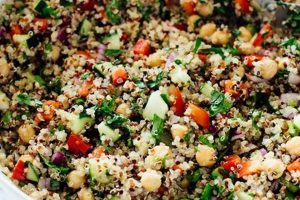
Dinner salads featuring grilled or pan-seared beef offer a balanced and satisfying meal option. These dishes typically combine flavorful cuts of steak with fresh greens, vegetables, and a complementary dressing. Examples include a salad with sliced flank steak, mixed greens, cherry tomatoes, crumbled blue cheese, and a red wine vinaigrette, or a seared sirloin steak salad with roasted vegetables, feta cheese, and a lemon-herb dressing.
Such meals offer a nutritious and convenient way to enjoy a complete protein source alongside a variety of vitamins and minerals from fresh produce. The customizable nature of these salads allows for diverse flavor profiles and caters to various dietary preferences. Historically, the concept of incorporating meat into salads reflects a shift towards more substantial salads as main courses, rather than simply as side dishes.
The following sections will explore various aspects of creating flavorful and satisfying steak salads, including choosing the right cut of beef, achieving optimal cooking temperatures, selecting complementary ingredients, and crafting delicious dressings.
Tips for Creating Delicious Steak Salads
Achieving a restaurant-quality steak salad at home requires attention to several key elements, from selecting the right cut of meat to balancing flavors and textures.
Tip 1: Select a flavorful cut of beef. Cuts like flank steak, skirt steak, sirloin, and hanger steak are ideal choices due to their robust flavor and relatively quick cooking times.
Tip 2: Marinate the steak for optimal flavor. Marinades tenderize the meat and enhance its flavor profile. Consider using acidic ingredients like vinegar or citrus juice, along with herbs, spices, and aromatics.
Tip 3: Achieve the desired level of doneness. Use a meat thermometer to ensure accurate cooking. Rare steak should reach an internal temperature of 125F (52C), medium-rare 130-135F (54-57C), and medium 140-145F (60-63C).
Tip 4: Let the steak rest before slicing. Resting allows the juices to redistribute, resulting in a more tender and flavorful final product.
Tip 5: Choose complementary salad ingredients. Consider a variety of textures and flavors. Robust greens, such as arugula or romaine, pair well with steak. Roasted vegetables, nuts, seeds, cheeses, and fruits can add complexity and nutritional value.
Tip 6: Craft a balanced dressing. The dressing should complement the steak and other salad ingredients. Vinaigrettes, creamy dressings, and even chimichurri sauce can be excellent choices.
Tip 7: Slice the steak thinly against the grain. This ensures tenderness and makes it easier to eat in a salad.
By following these tips, one can create a flavorful, satisfying, and visually appealing steak salad.
The concluding section offers additional resources and variations for creating customized steak salads.
1. Steak Selection

Steak selection significantly impacts the overall success of steak salad recipes. The chosen cut influences not only the flavor profile but also the texture and heartiness of the salad. Leaner cuts, such as sirloin or flank steak, offer a lighter, protein-rich base, while richer cuts like ribeye or New York strip bring a more intense, marbled flavor. For example, a sirloin steak, grilled and sliced thinly, provides a substantial yet lean protein component for a salad featuring mixed greens, tomatoes, and a light vinaigrette. Conversely, a diced ribeye, pan-seared to medium-rare, contributes a richer flavor and more tender texture to a salad with roasted vegetables and a bolder dressing. The cut’s inherent characteristics directly affect the salad’s overall composition and intended dining experience.
Choosing the appropriate steak cut also depends on the desired cooking method and the other salad components. A skirt steak, known for its quick cooking time and robust flavor, pairs well with grilled vegetables and a chimichurri sauce. Its thin profile ensures even cooking and facilitates slicing for easy incorporation into the salad. Alternatively, a hanger steak, marinated and seared, offers a more intense, beefy flavor that complements hearty salads featuring roasted potatoes, caramelized onions, and blue cheese. Careful consideration of the steak’s characteristics in relation to the other ingredients ensures a harmonious balance of flavors and textures.
Successful steak salad recipes hinge on a well-informed steak selection. This choice dictates not only the dominant flavor profile but also the overall balance of the dish. Understanding the nuances of various cuts, their ideal cooking methods, and their compatibility with different salad components allows for a more deliberate and satisfying culinary outcome. Choosing the correct steak ensures the salad is more than the sum of its parts; it becomes a cohesive and enjoyable culinary creation.
2. Salad Composition

Salad composition plays a crucial role in the overall success of steak salad recipes. The interplay of ingredients, textures, and flavors significantly impacts the final dish. A well-composed salad complements the steak, rather than overpowering it, creating a harmonious balance. For example, a salad featuring peppery arugula, sweet cherry tomatoes, crunchy red onion, and creamy goat cheese provides a complex flavor profile that enhances a grilled sirloin steak. Conversely, a salad with overly assertive ingredients, such as raw kale or strong cheeses, might clash with the steak’s flavor, diminishing the overall dining experience. The considered selection of each component ensures a cohesive and flavorful result.
Understanding the principles of salad composition enables the creation of dishes tailored to specific preferences and dietary needs. One might opt for a lighter, low-carbohydrate salad featuring mixed greens, cucumber, bell peppers, and a lemon vinaigrette alongside grilled flank steak. Alternatively, a more substantial salad might include roasted root vegetables, quinoa, and a tahini dressing to complement a seared hanger steak. Careful consideration of the salad’s components allows for customization based on desired flavor profiles, nutritional goals, and seasonal ingredient availability. Strategic pairings, such as combining bitter greens with fatty steak and acidic dressings, demonstrate the practical application of these principles.
Ultimately, successful steak salad recipes depend on a thoughtfully constructed salad composition. The interplay of flavors, textures, and nutritional elements elevates the dish beyond simply a combination of steak and vegetables. It becomes a cohesive culinary creation where each ingredient contributes to a balanced and satisfying meal. Recognizing the importance of salad composition empowers individuals to create diverse and flavorful steak salads tailored to their specific preferences and culinary goals. This understanding is crucial for transforming a basic steak salad into a truly memorable dining experience.
3. Dressing Choice

Dressing choice constitutes a pivotal element in steak salad recipes, significantly influencing the overall flavor profile and balance of the dish. The dressing acts as a unifying agent, binding the disparate componentssteak, vegetables, and other additionsinto a cohesive culinary experience. A judicious dressing selection complements the inherent flavors of the steak and other ingredients, rather than masking them. For instance, a vibrant chimichurri sauce, with its herbaceous and slightly acidic notes, provides a refreshing counterpoint to the richness of a grilled flank steak, while a creamy blue cheese dressing enhances the robust flavors of a seared ribeye and complements the bitterness of included greens like radicchio. Conversely, an overly sweet or heavy dressing can detract from the steak’s savory qualities and overwhelm the delicate flavors of accompanying vegetables.
The interplay between dressing and steak necessitates careful consideration of flavor profiles and textures. A light vinaigrette, with its bright acidity, cuts through the richness of a fatty steak and complements the crispness of fresh greens. This approach creates a balanced and refreshing salad, ideal for warmer months. In contrast, a creamy dressing, such as a buttermilk ranch or a Caesar dressing, adds a layer of richness and complements leaner cuts of steak and heartier vegetables like roasted potatoes or grilled corn. The choice also depends on the desired outcome: a light and refreshing salad versus a more substantial and decadent one. For example, a steak salad featuring Asian-inspired flavors might benefit from a sesame-ginger dressing, while a Mediterranean-style salad pairs well with a lemon-herb vinaigrette. Understanding these nuances enables the creation of steak salads tailored to specific palates and culinary objectives.
Ultimately, the selection of an appropriate dressing elevates steak salad recipes from simple combinations of ingredients to well-balanced and flavorful dishes. The dressing’s role extends beyond merely adding flavor; it contributes to the overall texture and cohesion of the salad, enhancing the dining experience. Recognizing the profound impact of dressing choice empowers individuals to create steak salads that are not only delicious but also thoughtfully composed and tailored to their individual preferences. Careful consideration of the interplay between dressing and other components ensures a harmonious and satisfying culinary outcome.
4. Preparation Method

Preparation methods significantly influence the final outcome of steak salad recipes. The chosen techniques impact not only the steak’s tenderness and flavor but also the overall texture and balance of the salad. Understanding the nuances of various cooking methods allows for a more deliberate and satisfying culinary experience.
- Grilling
Grilling imparts a smoky char and enhances the steak’s natural flavors. High heat sears the exterior, creating a flavorful crust while maintaining a tender interior. This method works particularly well with leaner cuts like flank steak and skirt steak. The grill marks also add visual appeal to the salad. For steak salads, grilling offers a distinct flavor profile that complements fresh, vibrant ingredients.
- Pan-Searing
Pan-searing achieves a similar crust to grilling but offers greater control over the cooking process. This method is ideal for thicker cuts like ribeye or New York strip, allowing for even cooking and precise temperature control. The fond, or browned bits left in the pan, can be used to create a flavorful pan sauce to enhance the salad. Pan-searing provides versatility, allowing for quick cooking and easy cleanup.
- Sous Vide
Sous vide involves cooking the steak in a temperature-controlled water bath, resulting in perfectly even doneness and exceptional tenderness. This method is ideal for achieving precise temperature targets, ensuring a consistently cooked steak throughout. After the sous vide process, a quick sear in a hot pan adds a flavorful crust. Sous vide offers a level of precision that benefits steak salads by ensuring a tender and evenly cooked protein component.
- Broiling
Broiling provides a quick and convenient method for cooking steak, utilizing high heat from above. This method works well for thinner cuts and achieves a similar char to grilling. It is crucial to monitor the steak closely to prevent overcooking. Broiling offers a practical alternative to grilling, particularly when outdoor cooking is not feasible. This method provides a balance of speed and flavor enhancement suitable for steak salads.
Each preparation method offers distinct advantages and contributes unique characteristics to steak salad recipes. Choosing the appropriate method depends on the desired outcome, the cut of steak, and personal preferences. Careful consideration of these factors ensures a well-executed and flavorful steak salad that maximizes the culinary potential of both the steak and accompanying ingredients. Mastery of these techniques allows for greater control over the final product, enabling the creation of truly exceptional steak salads tailored to individual tastes and preferences.
5. Flavor Combinations

Flavor combinations play a crucial role in elevating steak salad recipes from simple meals to sophisticated culinary experiences. Strategic pairings of ingredients create a symphony of flavors that complement and enhance the steak, resulting in a balanced and satisfying dish. The interplay of sweet, salty, sour, bitter, and umami elements offers a complex sensory experience. For example, the richness of a grilled ribeye steak pairs well with the peppery bite of arugula, the sweetness of roasted corn, and the tanginess of a blue cheese dressing. This combination demonstrates how contrasting flavors can create a harmonious and multi-dimensional taste profile. Conversely, poorly conceived flavor combinations can result in a dish where individual ingredients clash, diminishing the overall enjoyment. The deliberate selection of complementary flavors ensures a cohesive and delightful culinary outcome.
Understanding the principles of flavor pairing allows for the creation of customized steak salads tailored to individual preferences and dietary needs. One might opt for a Mediterranean-inspired salad featuring grilled sirloin, feta cheese, Kalamata olives, cucumbers, tomatoes, and a lemon-herb vinaigrette. The salty feta, briny olives, and acidic dressing complement the savory steak and fresh vegetables, creating a refreshing and flavorful combination. Alternatively, an Asian-inspired steak salad could incorporate marinated flank steak, shredded carrots, edamame, mandarin oranges, and a sesame-ginger dressing. The sweet and tangy notes of the dressing and fruit complement the savory steak and crunchy vegetables, offering a different yet equally satisfying flavor profile. Exploring diverse culinary traditions provides a wealth of inspiration for creating unique and exciting steak salad combinations.
Successful steak salad recipes rely on a thoughtful approach to flavor combinations. The interplay of ingredients creates a complex tapestry of tastes and textures that elevate the dish beyond a simple combination of steak and vegetables. Mastery of flavor pairing principles enables the creation of balanced and harmonious salads that cater to individual preferences and dietary restrictions. By understanding these principles, individuals can transform basic steak salads into culinary masterpieces, maximizing both flavor and enjoyment. This knowledge empowers informed choices, leading to a more satisfying and enriching dining experience.
6. Nutritional Value
Nutritional value represents a significant consideration within steak salad recipes, impacting overall health benefits and dietary suitability. Steak, a prominent source of complete protein, provides essential amino acids necessary for muscle growth and repair. Furthermore, it contributes iron, crucial for oxygen transport and red blood cell production, and zinc, supporting immune function and cell growth. However, steak’s nutritional profile varies depending on the cut and preparation method. Leaner cuts, like sirloin, offer a lower fat content compared to ribeye or New York strip. Grilling or broiling, as opposed to frying, minimizes added fats. Careful selection and preparation methods optimize the steak’s nutritional contribution to the salad.
The salad components further enhance the nutritional value. Leafy greens, such as spinach and kale, provide vitamins A and K, along with folate and antioxidants. Colorful vegetables, like bell peppers and tomatoes, contribute vitamin C and other phytonutrients. Incorporating a variety of vegetables ensures a broader spectrum of micronutrients and dietary fiber, promoting digestive health and satiety. For example, a steak salad with mixed greens, roasted sweet potatoes, and avocado offers a balanced combination of protein, complex carbohydrates, healthy fats, and essential vitamins. Such combinations create a nutritionally dense meal that supports overall well-being.
Understanding the nutritional composition of steak salad recipes allows for informed choices that align with individual dietary goals and health needs. Adjusting portion sizes, selecting leaner cuts of beef, incorporating a variety of nutrient-rich vegetables, and opting for healthier dressings contribute to a balanced and healthful meal. Recognizing the nutritional interplay of ingredients optimizes the health benefits derived from these recipes. This knowledge empowers individuals to create steak salads that are not only delicious but also contribute to a balanced and nutritious diet. Careful consideration of nutritional value ensures that steak salad recipes contribute positively to long-term health and well-being.
Frequently Asked Questions
This section addresses common inquiries regarding the preparation and enjoyment of steak salads as a satisfying dinner option.
Question 1: What is the best cut of beef for steak salad?
While various cuts work well, flank steak, skirt steak, sirloin, and hanger steak are popular choices due to their flavor and relatively quick cooking times. These cuts also tend to slice easily, facilitating consumption within a salad.
Question 2: How can one ensure the steak remains tender in a salad?
Marinating the steak helps tenderize the meat. Additionally, cooking the steak to the correct internal temperature and allowing it to rest before slicing are crucial for optimal tenderness. Slicing against the grain also contributes to a more tender bite.
Question 3: What types of dressings complement steak salads?
Vinaigrettes, creamy dressings, and even chimichurri sauce can complement steak salads. The choice depends on the desired flavor profile and the other salad components. A balanced dressing should complement, not overpower, the steak and other ingredients.
Question 4: What vegetables pair well with steak in a salad?
A wide variety of vegetables complements steak, including roasted or grilled options like bell peppers, onions, and zucchini. Fresh vegetables such as tomatoes, cucumbers, and leafy greens also provide contrasting textures and flavors.
Question 5: Can steak salads be made ahead of time?
While some components can be prepared in advance, it is generally recommended to assemble the salad close to serving time. This helps maintain the freshness of the vegetables and prevents the steak from becoming soggy.
Question 6: How can one make a steak salad more substantial?
Adding grains like quinoa or farro, legumes such as chickpeas or black beans, or roasted root vegetables like sweet potatoes can increase the heartiness and nutritional value of a steak salad.
Careful consideration of these frequently asked questions ensures successful preparation and enjoyment of steak salads as a complete and satisfying meal.
The following section provides a collection of diverse and flavorful steak salad recipes suitable for various palates and dietary preferences.
Steak Salad Recipes for Dinner
Exploration of steak salad recipes reveals a versatile and adaptable culinary canvas. Careful consideration of steak selection, complementary ingredients, dressings, and preparation methods allows for diverse flavor profiles and nutritional outcomes. Achieving optimal tenderness and flavor requires attention to cooking techniques and resting times. Balancing robust steak flavors with fresh produce, cheeses, nuts, and grains creates a complete and satisfying meal. Understanding these elements transforms simple combinations into well-balanced culinary creations.
Steak salad recipes offer a platform for culinary creativity and personalized expression. Further exploration of flavor combinations and ingredient pairings allows for continuous refinement and discovery. This adaptability ensures ongoing relevance and enjoyment within the culinary landscape. The potential for customization positions steak salads as a consistently appealing and adaptable meal option.