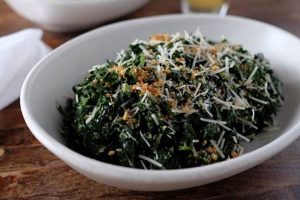
A bistro classic, this French salad features frise (curly endive) as its base, often complemented by lardons, a poached egg, and croutons. A warm vinaigrette, typically made with Dijon mustard and bacon fat, binds the ingredients together. Variations may include other greens, such as romaine lettuce, or the addition of tomatoes or onions.
The combination of bitter greens, rich lardons and egg, and tangy vinaigrette creates a balanced and satisfying dish. Its simplicity belies its sophisticated flavor profile. Originating in the culinary capital of Lyon, France, this salad reflects the region’s focus on fresh, seasonal ingredients and uncomplicated preparations. Its enduring popularity speaks to its deliciousness and versatility as both a light meal and a starter.
This exploration will delve into variations on the classic preparation, offer tips for ingredient selection and technique, and provide guidance on creating a perfect vinaigrette. Further discussion will cover the historical context of the dish and its place within Lyonnaise cuisine.
Tips for a Perfect Lyonnaise Salad
Achieving an exemplary version of this classic salad requires attention to detail and an understanding of the interplay of flavors and textures.
Tip 1: Frisee Selection and Preparation: Choose frise with vibrant green leaves and a firm texture. Thoroughly wash and dry the leaves to remove any grit or soil, as residual moisture can dilute the vinaigrette.
Tip 2: Lardon Rendering: Start with high-quality, thick-cut bacon. Render the lardons slowly over medium heat to achieve optimal crispness while retaining some chewiness. Reserve the rendered bacon fat for the vinaigrette.
Tip 3: Poached Egg Perfection: Use fresh eggs for poaching. A gentle simmer in slightly acidulated water creates a tender, set white and a runny yolk. Trim any ragged edges for a neat presentation.
Tip 4: Crouton Texture: Stale bread is ideal for croutons. Cut into uniform cubes and saut in reserved bacon fat until golden brown and crisp. Season with salt and pepper.
Tip 5: Vinaigrette Balance: The vinaigrette is crucial. The balance of acidity, salt, and the richness of the bacon fat is key. Dijon mustard adds depth and emulsifies the dressing.
Tip 6: Assembly and Timing: Assemble the salad just before serving to prevent the greens from wilting and the croutons from becoming soggy. The warm lardons and vinaigrette gently wilt the frise, enhancing its texture and flavor.
Tip 7: Ingredient Quality: The success of this salad depends on the quality of the ingredients. Investing in fresh, high-quality components elevates the final dish.
By following these tips, one can create a Lyonnaise salad that showcases the harmonious balance of flavors and textures that define this timeless dish.
These considerations contribute to a truly authentic and enjoyable dining experience, demonstrating the enduring appeal of classic French cuisine.
1. Fresh, Crisp Frisee
Fresh, crisp frisee forms the foundation of a Lyonnaise salad. Its slightly bitter, nuanced flavor profile provides a crucial counterpoint to the richness of the lardons and poached egg. The structural integrity of crisp frisee also stands up well to the warm vinaigrette, preventing the salad from becoming soggy. A wilted or less-than-fresh frisee compromises the textural and flavor balance inherent in an authentic Lyonnaise salad. For instance, using iceberg lettuce, while offering a crisp texture, lacks the necessary bitterness and delicate texture that frisee contributes.
The selection and preparation of frisee directly impact the overall quality of the salad. Choosing frisee with vibrant, unblemished leaves is essential. Thorough washing and meticulous drying prevent residual moisture from diluting the vinaigrette and compromising the crispness of the croutons. Proper storage, in a cool, dry environment, maintains freshness until preparation. Neglecting these steps can lead to a subpar salad experience, highlighting the importance of fresh, crisp frisee as a key component.
An understanding of frisee’s role in a Lyonnaise salad underscores its importance beyond mere greenery. Its bitterness, texture, and ability to hold up to the other components elevates the dish from a simple combination of ingredients to a carefully balanced culinary creation. Failing to appreciate the nuances of this key ingredient risks compromising the authenticity and overall enjoyment of the final product.
2. Crispy Lardons
Crispy lardons are essential to a Lyonnaise salad, providing a textural and flavorful counterpoint to the other components. Their rendering process and quality significantly impact the overall dish. The rendered fat contributes to the vinaigrette, while the crisp lardons offer a savory, salty element that complements the bitterness of the frisee and the richness of the poached egg. Understanding the nuances of lardon preparation is key to achieving an authentic and satisfying Lyonnaise salad experience.
- Lardon Selection and Preparation
Thick-cut bacon is preferred for lardons. Dicing the bacon into uniform pieces ensures even cooking and optimal crispness. Proper rendering, starting with cold bacon in a pan over medium heat, allows the fat to melt slowly and the lardons to become crisp without burning. Rushing the rendering process results in unevenly cooked lardons, compromising both texture and flavor. For example, using pre-cooked bacon bits fails to deliver the nuanced flavor and textural complexity of properly rendered lardons.
- Rendering Technique and Flavor
The slow rendering process allows the bacon fat to melt evenly, maximizing flavor development. The rendered fat infuses the lardons with a smoky, savory flavor, enhancing the overall salad experience. This fat also serves as a key component of the vinaigrette, contributing a rich depth that complements the acidity of the vinegar and mustard. Discarding the rendered fat or substituting it with another oil alters the authentic taste profile of the salad. Using olive oil, for instance, introduces a different flavor that doesn’t complement the other ingredients in the same way.
- Textural Contribution and Contrast
Crispy lardons provide a crucial textural contrast to the other ingredients. Their crispness complements the soft poached egg, the tender frisee, and the crunchy croutons. Undercooked lardons introduce an unpleasant chewiness, while overly crisp lardons can become brittle and lose their flavor. Achieving the ideal texture enhances the overall sensory experience of the salad. Imagine the disappointment of encountering rubbery lardons within an otherwise perfectly executed salad.
- Flavor Profile and Balance
The salty, smoky flavor of properly rendered lardons balances the other components of the salad. This savory element complements the bitterness of the frisee, the richness of the poached egg, and the tanginess of the vinaigrette. The flavor of the lardons permeates the entire salad, enriching each bite. Overly salty or bland lardons disrupt the delicate balance of flavors. Substituting pancetta, while offering a similar texture, introduces a different flavor profile that may not harmonize with the traditional Lyonnaise salad elements.
The interplay of these factors demonstrates the significant role crispy lardons play in a Lyonnaise salad. Their preparation, texture, and flavor contribute directly to the dish’s overall success. From the rendering process to the final presentation, attention to detail ensures that the lardons enhance the salad’s complexity and deliver an authentic culinary experience. Neglecting these considerations compromises not only the individual element but also the harmony of the entire composition.
3. Perfectly poached egg

A perfectly poached egg is integral to the Lyonnaise salad, contributing richness, textural contrast, and visual appeal. Its creamy yolk, when pierced, creates a sauce that binds the other components, enriching the overall flavor profile. The interplay between the runny yolk and the crisp frisee, salty lardons, and tangy vinaigrette elevates the salad beyond a simple sum of its parts. A firm, overcooked yolk fails to achieve this effect, diminishing the sensory experience. Consider the difference between a perfectly poached egg with a vibrant, flowing yolk coating the salad, compared to a dense, solidified yolk that sits isolated atop the greens. The former enhances the interplay of flavors and textures, while the latter disrupts this delicate balance.
The technique of poaching an egg for this salad requires precision. Fresh eggs are crucial, as older eggs tend to disperse more readily in the poaching liquid. A gentle simmer in lightly acidulated water, with a touch of vinegar or lemon juice, promotes coagulation. Creating a swirling motion in the water before adding the egg helps to center the white around the yolk. These seemingly minor details contribute significantly to the final product. A ragged, unevenly cooked white detracts from the presentation, while an undercooked white fails to provide the desired textural contrast. Professional chefs understand that even slight deviations from the ideal poaching technique can significantly impact the overall dish. The visual and textural contrast of a pristine, properly poached egg exemplifies culinary expertise and enhances the dining experience.
The perfectly poached egg exemplifies the attention to detail crucial in classic French cuisine. Its successful execution demonstrates culinary skill and enhances the overall enjoyment of the Lyonnaise salad. The interplay of flavors and textures, combined with the visual appeal, underscores the importance of this component. Challenges such as overcooked yolks or unevenly cooked whites can be overcome with practice and a focus on precision. This understanding highlights the practical significance of mastering the art of poaching an egg, contributing not only to a successful Lyonnaise salad but also to a broader appreciation of culinary technique.
4. Tangy Vinaigrette

The tangy vinaigrette is an indispensable component of the Lyonnaise salad, acting as a unifying element that binds the other ingredients and balances their diverse flavors and textures. Its character derives from the interplay of acidity, richness, and emulsification, creating a harmonious counterpoint to the bitterness of the frisee, the saltiness of the lardons, and the richness of the poached egg. A bland or overly acidic vinaigrette disrupts this balance, diminishing the overall culinary experience. Consider the difference between a vinaigrette made with freshly squeezed lemon juice and high-quality Dijon mustard versus one made with bottled lemon juice and generic mustard. The former offers a bright, nuanced acidity and a complex depth of flavor, while the latter falls flat, lacking the vibrancy necessary to elevate the salad.
The traditional Lyonnaise salad vinaigrette features rendered bacon fat, providing a unique richness and depth of flavor. This fat, a byproduct of cooking the lardons, carries the smoky, savory notes of the bacon, further enhancing the salad’s flavor profile. The emulsification of the bacon fat with vinegar or lemon juice, aided by Dijon mustard, creates a smooth, creamy texture that coats the frisee and other ingredients evenly. This emulsion prevents the vinaigrette from separating, ensuring a consistent flavor experience in each bite. A broken vinaigrette, with the oil and vinegar separated, not only looks unappetizing but also delivers an uneven distribution of flavors, compromising the overall enjoyment of the salad.
Understanding the crucial role of the tangy vinaigrette in a Lyonnaise salad underscores the importance of precise ingredient selection and preparation. Freshly squeezed lemon juice or high-quality vinegar, combined with good Dijon mustard and properly rendered bacon fat, contribute significantly to the final product. A well-executed vinaigrette elevates the Lyonnaise salad from a simple combination of ingredients to a balanced and harmonious dish. Challenges, such as a broken emulsion or an overly acidic dressing, can be addressed through careful technique and attention to detail. This understanding not only contributes to a successful Lyonnaise salad but also provides a broader insight into the principles of flavor balance and emulsion in culinary arts. The seemingly simple vinaigrette demonstrates the complexity and nuance achievable through a mastery of fundamental culinary techniques.
5. Crunchy Croutons

Crunchy croutons contribute a vital textural element to the Lyonnaise salad, providing a contrasting counterpoint to the soft poached egg, tender frisee, and rich lardons. Their presence introduces a satisfying crispness that elevates the sensory experience. Croutons made from stale bread, cut into uniform cubes and sauted in reserved bacon fat until golden brown, offer the ideal texture and absorb the bacon’s savory flavor. Substituting store-bought croutons, often overly dry and lacking flavor complexity, compromises the intended textural contrast and overall taste profile. Imagine encountering a soft, stale crouton within the salad; the textural dissonance detracts from the overall enjoyment.
The preparation of croutons for a Lyonnaise salad requires attention to detail. Stale bread, rather than fresh, absorbs less fat during cooking, resulting in a lighter, crispier texture. Uniformly sized croutons ensure even cooking and prevent some pieces from becoming overly browned while others remain soft. Sauting the croutons in reserved bacon fat infuses them with the smoky, savory notes of the bacon, further enhancing the salad’s flavor profile. Draining the croutons on absorbent paper after cooking removes excess grease, maintaining their crispness. Neglecting these steps can result in greasy, unevenly cooked croutons that detract from the salad’s overall quality. A professional chef understands that even seemingly minor details, like the size and cooking time of the croutons, contribute significantly to the final dish.
The inclusion of crunchy croutons demonstrates an understanding of textural balance in culinary composition. Their preparation and integration into the Lyonnaise salad exemplify a commitment to quality and attention to detail. Successfully executed croutons enhance the interplay of flavors and textures, elevating the salad from a simple combination of ingredients to a well-balanced and satisfying culinary creation. Overlooking the importance of this element diminishes the overall sensory experience, highlighting the practical significance of understanding the role of crunchy croutons within the Lyonnaise salad. The seemingly simple crouton, when properly executed, contributes significantly to the dish’s overall success, demonstrating the importance of considering texture in culinary arts.
Frequently Asked Questions
This section addresses common inquiries regarding the preparation and understanding of Lyonnaise salad.
Question 1: Can other greens be substituted for frisee?
While other greens can be used, frisee offers a unique slightly bitter flavor and delicate texture crucial to the authentic Lyonnaise salad experience. Substitutions may alter the intended flavor profile.
Question 2: Is it essential to use bacon fat in the vinaigrette?
Bacon fat contributes significantly to the authentic flavor profile. While other oils can be substituted, they will not replicate the distinctive taste imparted by rendered bacon fat.
Question 3: What can be done if the poached egg yolk overcooks?
Starting with a very fresh egg is key to achieving a runny yolk. Ensuring the water is at a gentle simmer and not a rolling boil also helps. If the yolk overcooks, preparing a fresh egg is recommended for the optimal experience.
Question 4: How can one prevent the croutons from becoming soggy?
Using stale bread and ensuring the croutons are properly drained of excess oil after cooking helps maintain their crispness. Adding them to the salad just before serving is crucial.
Question 5: Can the lardons be prepared in advance?
While lardons can be cooked ahead of time, they are best served freshly rendered for optimal texture. Reheating can compromise their crispness.
Question 6: What are some common variations on the classic Lyonnaise salad recipe?
Common variations include the addition of roasted chicken, tomatoes, or onions. However, these additions deviate from the traditional Lyonnaise salad composition.
Careful consideration of these frequently asked questions provides a more comprehensive understanding of the nuances involved in preparing an authentic and satisfying Lyonnaise salad. A thorough understanding of these elements contributes to a successful culinary endeavor.
The following section will explore the historical and cultural context of the Lyonnaise salad, providing a deeper appreciation for this classic dish.
Lyonnaise Salad Recipe
Exploration of the Lyonnaise salad recipe reveals a deceptively simple dish demanding precision and an understanding of balanced flavors and textures. From the crisp bitterness of frisee to the rich, savory lardons and the perfectly poached egg, each component contributes to a harmonious whole. The tangy vinaigrette, emulsified with rendered bacon fat and Dijon mustard, binds these elements, while crunchy croutons provide textural contrast. Proper technique, from lardon rendering to crouton preparation, proves essential for achieving an authentic representation of this classic Lyonnaise dish. Ingredient quality remains paramount; fresh, high-quality components elevate the final product.
The Lyonnaise salad recipe stands as a testament to the enduring appeal of classic French cuisine. Its continued popularity reflects not only its deliciousness but also the careful consideration given to the interplay of flavors and textures. Further exploration of regional French cuisine promises similar insights into the rich culinary heritage of France. An appreciation for the Lyonnaise salad provides a foundation for understanding the principles of balance and simplicity often found in classic French gastronomy.