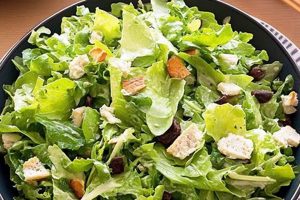
A chilled dish featuring a medley of cooked seafood, often shrimp, crawfish, and crab, combined with vegetables like celery, bell pepper, and onion, all tossed in a vibrant, spicy dressing rooted in Louisiana culinary traditions. Variations can include pasta, potatoes, or leafy greens, and the dressing typically incorporates mayonnaise, Dijon mustard, Cajun spices, and often lemon juice or vinegar for a tangy kick. This blend of fresh, flavorful ingredients creates a light yet satisfying meal, ideal for warm weather.
This style of salad offers a healthful and flavorful way to enjoy the bounty of the sea. Its customizable nature makes it adaptable to diverse palates and dietary needs. Rooted in the resourcefulness and vibrant culinary heritage of Louisiana, it represents a fusion of French, Spanish, and African influences, reflecting the region’s history and cultural melting pot. The refreshing and flavorful profile of the dish makes it a popular choice for picnics, potlucks, and light lunches or dinners.
Further exploration will delve into specific ingredient selections, detailed preparation methods, variations on the classic recipe, and tips for achieving optimal flavor and texture. Nutritional information and suggested pairings will also be provided for a comprehensive understanding of this culinary delight.
Tips for a Superior Cajun Seafood Salad
Achieving optimal flavor and texture in a Cajun seafood salad requires attention to detail throughout the preparation process. The following tips offer guidance for creating a truly exceptional dish.
Tip 1: Seafood Selection and Preparation: Opt for fresh, high-quality seafood. Properly cooked seafood, whether boiled, grilled, or baked, ensures optimal flavor and texture. Avoid overcooking, which can result in rubbery seafood.
Tip 2: Balancing the Dressing: The hallmark of a successful Cajun seafood salad lies in the balance of flavors within the dressing. A harmonious blend of mayonnaise, Dijon mustard, Cajun spices, lemon juice, and other seasonings creates a complex and satisfying flavor profile. Adjusting ingredient ratios allows customization based on individual preferences.
Tip 3: Vegetable Choices and Preparation: Fresh, crisp vegetables provide textural contrast and enhance the overall flavor. Finely diced celery, bell peppers, and red onion are traditional choices. Consider incorporating other vegetables like chopped green onions or diced cucumbers for added complexity.
Tip 4: Chilling Time: Allowing the salad to chill for at least an hour before serving allows the flavors to meld and intensify. This crucial step enhances the overall dining experience.
Tip 5: Garnishing for Visual Appeal: A visually appealing presentation enhances the enjoyment of the dish. Fresh herbs like parsley or dill, a sprinkle of paprika, or a wedge of lemon provide attractive garnishes.
Tip 6: Storage for Freshness: Store leftover salad in an airtight container in the refrigerator for up to two days. Consume promptly to maintain optimal freshness and quality.
Tip 7: Ingredient Adaptations: Adapt ingredients based on availability and dietary preferences. Substitute shrimp with crawfish, lobster, or other shellfish. Explore variations by adding pasta, potatoes, or leafy greens.
By following these tips, one can elevate a simple seafood salad into a culinary masterpiece that showcases the vibrant flavors of Cajun cuisine.
These insights pave the way for a deeper exploration of specific recipes and variations, allowing for customization and personalization of this versatile dish.
1. Fresh, High-Quality Seafood

The foundation of an exceptional Cajun seafood salad rests upon the selection and preparation of fresh, high-quality seafood. This crucial element dictates not only the flavor profile but also the overall texture and culinary experience. Understanding the nuances of seafood selection is paramount to achieving optimal results.
- Species Selection:
Traditional Cajun seafood salads often feature shrimp, crawfish, and crab. However, other shellfish like lobster or mussels can also be incorporated. Choosing appropriate species depends on regional availability, personal preference, and desired flavor profiles. Each species contributes unique textural and taste nuances to the final dish.
- Indicators of Freshness:
Discerning fresh seafood requires careful observation. Indicators of freshness include a mild, oceanic aroma, firm texture, and vibrant coloration. Avoid seafood with a strong fishy odor, mushy texture, or dull appearance. Sourcing seafood from reputable vendors ensures optimal quality and minimizes the risk of spoilage.
- Proper Handling and Storage:
Maintaining seafood freshness necessitates proper handling and storage. Refrigerate seafood immediately upon purchase at a temperature below 40F (4C). Store seafood in airtight containers or wrapped tightly in plastic wrap to prevent moisture loss and contamination. Consume fresh seafood within one to two days of purchase for optimal quality.
- Cooking Techniques:
Proper cooking techniques are essential for maximizing flavor and preserving the delicate texture of seafood. Overcooking results in tough, rubbery seafood, diminishing the overall quality of the salad. Boiling, grilling, or baking are common methods for preparing seafood for Cajun salad. Careful attention to cooking time ensures optimal results.
The emphasis on fresh, high-quality seafood underscores its pivotal role in the overall success of a Cajun seafood salad. Careful selection, proper handling, and appropriate cooking techniques contribute significantly to the flavor, texture, and overall culinary experience. These foundational elements pave the way for a vibrant and satisfying dish that embodies the essence of Cajun cuisine.
2. Authentic Cajun Spices

Authentic Cajun spices form the cornerstone of a true Cajun seafood salad recipe, contributing the distinctive flavor profile that sets it apart. This spice blend, typically composed of cayenne pepper, paprika, black pepper, garlic powder, onion powder, oregano, thyme, and sometimes white pepper, delivers a complex interplay of heat, earthiness, and subtle herbal notes. The balance of these spices is crucial; the cayenne provides the characteristic heat, while paprika contributes a smoky sweetness, and the herbs offer a nuanced aromatic backdrop. The absence of these authentic spices, or their substitution with generic spice blends, results in a dish lacking the genuine depth and complexity of Cajun cuisine. For instance, using chili powder instead of a blend containing cayenne, paprika, and other elements simplifies the flavor profile and diminishes the authenticity of the dish. Understanding the role of each spice within the blend allows for nuanced adjustments to cater to individual preferences while preserving the essence of Cajun flavor.
The importance of authentic Cajun spices extends beyond mere flavor; it reflects a deep connection to the culinary heritage of Louisiana. These spice blends, often passed down through generations, embody the resourcefulness and culinary traditions of the region. The careful selection and blending of these spices represent a cultural expression, imbuing the dish with a sense of place and history. Furthermore, the use of authentic spices contributes to the overall sensory experience, enhancing not only the taste but also the aroma and visual appeal of the dish. The vibrant colors and earthy aromas of the spices stimulate the appetite and create a more immersive dining experience. The practical significance of this understanding lies in the ability to recreate the genuine flavors of Cajun cuisine, fostering an appreciation for its cultural significance and culinary artistry.
In summary, authentic Cajun spices are indispensable to a genuine Cajun seafood salad recipe. They provide the distinctive heat, depth, and complexity that define this culinary tradition. Understanding the composition and role of each spice within the blend allows for informed adjustments and personalized variations while preserving the authenticity and cultural significance of the dish. This knowledge empowers individuals to create culinary experiences that not only tantalize the taste buds but also celebrate the rich heritage of Cajun cuisine. Further exploration of Cajun cuisine can delve into regional variations in spice blends, the historical evolution of these traditions, and the specific health benefits associated with certain spices.
3. Balanced, Flavorful Dressing

A balanced, flavorful dressing is integral to a successful Cajun seafood salad recipe. The dressing serves not only to bind the ingredients but also to impart the characteristic flavor profile that defines the dish. It acts as the unifying element, harmonizing the diverse flavors of the seafood, vegetables, and spices. An imbalanced dressing, whether overly acidic, excessively sweet, or lacking in spice, can detract from the overall culinary experience. For instance, a dressing with too much vinegar can overpower the delicate flavor of the seafood, while insufficient spice fails to deliver the signature Cajun kick. Conversely, a well-balanced dressing enhances the inherent flavors of the ingredients, creating a cohesive and satisfying culinary composition.
The balance within the dressing itself is crucial. The classic Cajun seafood salad dressing typically incorporates mayonnaise, Dijon mustard, Cajun spices, lemon juice, and often a touch of sugar or other sweetener. The mayonnaise provides a creamy base, while the Dijon mustard adds a tangy complexity. Cajun spices contribute heat and depth, lemon juice offers brightness, and the sweetener balances the acidity and spice. The precise ratio of these ingredients determines the final flavor profile, allowing for customization based on individual preferences. Achieving the desired balance requires careful consideration of each ingredient’s contribution and their interaction with one another. Practical applications of this understanding include adjusting the dressing’s components to accommodate dietary restrictions or personal preferences, such as reducing the mayonnaise content for a lighter dressing or increasing the cayenne pepper for a spicier kick. Careful experimentation and tasting throughout the preparation process are essential to achieving the desired flavor balance.
In summary, a balanced, flavorful dressing is not merely a component but rather the defining element of a Cajun seafood salad recipe. It unifies the diverse ingredients, imparts the characteristic Cajun flavor profile, and elevates the dish from a simple combination of components to a cohesive culinary creation. Understanding the role and importance of each ingredient within the dressing allows for informed adjustments and personalized variations, ultimately leading to a more satisfying and authentic culinary experience. Further exploration could delve into specific variations of Cajun seafood salad dressings, regional differences in flavor profiles, and the impact of different ingredients on the overall sensory experience.
4. Crisp, Complementary Vegetables

Crisp, complementary vegetables are essential to a well-executed Cajun seafood salad recipe. Their inclusion provides textural contrast to the tender seafood and creamy dressing, contributing a refreshing element that balances the richness of the dish. Beyond texture, these vegetables introduce additional layers of flavor, often subtly sweet or vegetal notes that enhance the complexity of the overall profile. The absence of these crisp components can result in a salad that feels heavy and one-dimensional, lacking the dynamic interplay of textures and flavors that characterize a successful rendition. Consider, for example, a Cajun seafood salad made solely with seafood and dressing. While flavorful, it might lack the invigorating crunch provided by diced celery or bell peppers, resulting in a less satisfying sensory experience.
Specific vegetables frequently incorporated into Cajun seafood salad include celery, bell peppers (green, red, or yellow), red onion, and sometimes green onions or cucumbers. Celery offers a slightly bitter, herbaceous note and a satisfying snap. Bell peppers introduce sweetness and a varied color palette, depending on the chosen variety. Red onion provides a pungent bite that cuts through the richness of the mayonnaise-based dressing. The selection and preparation of these vegetables significantly influence the final product. Vegetables should be fresh and crisp; limp or wilted produce will detract from the overall quality. Dicing the vegetables into uniform, bite-sized pieces ensures even distribution throughout the salad and a pleasant textural experience. Furthermore, the quantity of vegetables used requires careful consideration. An overabundance can overshadow the seafood, while too little fails to provide the necessary textural and flavor contrasts. Practical applications of this understanding include exploring different vegetable combinations, such as incorporating diced fennel or jicama for a unique twist, or adjusting the proportions of traditional vegetables to achieve a desired flavor balance. For instance, increasing the red onion quantity might enhance the piquancy of the salad, while adding more bell peppers could amplify its sweetness.
In summary, crisp, complementary vegetables are not merely an optional addition but rather an integral component of a well-balanced and flavorful Cajun seafood salad. They provide crucial textural contrast, introduce complementary flavors, and enhance the overall sensory experience. Careful selection, proper preparation, and thoughtful proportioning of these vegetables contribute significantly to the success of the dish. Ignoring this element can compromise the balance and complexity that define an authentic and satisfying Cajun seafood salad. Further exploration could delve into the nutritional benefits of incorporating various vegetables into the salad, regional variations in vegetable choices, or strategies for preserving the crispness of vegetables in a chilled salad.
5. Proper Chilling and Serving

Proper chilling and serving are crucial steps in a Cajun seafood salad recipe, directly impacting the final flavor profile and overall dining experience. Chilling allows the flavors of the various componentsseafood, vegetables, and dressingto meld and mature, creating a more cohesive and complex taste. The cool temperature also enhances the refreshing qualities of the salad, making it particularly appealing in warmer climates or seasons. Insufficient chilling, conversely, results in a salad where the individual flavors remain distinct and less integrated, diminishing the overall culinary impact. For instance, a freshly made Cajun seafood salad might taste predominantly of mayonnaise, with the spice and seafood notes less pronounced. After adequate chilling, however, these flavors harmonize, resulting in a more balanced and nuanced taste experience. The practical significance of this understanding lies in the ability to optimize the flavor development of the salad by allowing sufficient chilling time, typically at least one hour, before serving. This chilling period also benefits food safety, particularly when dealing with perishable ingredients like seafood.
Beyond flavor development, chilling influences the texture of the salad. Cold temperatures firm the seafood and maintain the crispness of the vegetables, providing a pleasant contrast to the creamy dressing. Serving the salad immediately after preparation, without proper chilling, can lead to wilted vegetables and a less appealing textural profile. This is particularly noticeable with delicate greens or vegetables with high water content, like cucumbers. Furthermore, chilling allows the dressing to thicken slightly, improving its ability to cling to the other ingredients and enhancing the overall cohesiveness of the salad. This has practical implications for presentation and serving, preventing a watery or separated appearance. Consider the difference between a freshly made salad with a thin, runny dressing and a chilled salad with a thicker, more substantial dressing; the latter not only tastes better but also presents more attractively.
In summary, proper chilling and serving are essential steps in a Cajun seafood salad recipe, significantly influencing both flavor and texture. Adequate chilling allows the flavors to meld, enhancing complexity and balance, while maintaining the crispness of the vegetables and the ideal consistency of the dressing. Ignoring this crucial step compromises the overall quality and enjoyment of the dish. Practical applications of this understanding include planning ahead to allow sufficient chilling time, ensuring consistent refrigeration temperatures, and considering the impact of ambient temperature on serving. These insights contribute to a more comprehensive understanding of the nuances of Cajun cuisine and the importance of proper technique in achieving culinary excellence.
Frequently Asked Questions
This section addresses common inquiries regarding Cajun seafood salad recipes, providing concise and informative responses to facilitate a deeper understanding of this culinary topic.
Question 1: What types of seafood are traditionally used in Cajun seafood salad?
Shrimp, crawfish, and crab are most common, though other shellfish like lobster or mussels can be incorporated. The choice depends on regional availability and personal preference.
Question 2: How long should Cajun seafood salad be chilled before serving?
Chilling for at least one hour allows flavors to meld and intensify. Longer chilling, up to four hours, is acceptable, but avoid exceeding 24 hours to maintain optimal freshness and texture.
Question 3: Can Cajun seafood salad be made ahead of time for a large gathering?
Yes, the salad can be prepared a day in advance. Store the seafood and dressing separately and combine just before serving to prevent the vegetables from becoming soggy.
Question 4: What are the key spices used in a Cajun seafood salad dressing?
Cayenne pepper, paprika, black pepper, garlic powder, onion powder, oregano, and thyme are typical components of Cajun spice blends. The precise blend and proportions can vary based on personal preference.
Question 5: How can the spiciness level of Cajun seafood salad be adjusted?
The amount of cayenne pepper in the spice blend or dressing directly affects the heat level. Reduce or omit cayenne for a milder salad, or increase the amount for a spicier dish. Taste and adjust seasonings incrementally until the desired level of spiciness is achieved.
Question 6: What are suitable substitutes for mayonnaise in Cajun seafood salad dressing?
Plain Greek yogurt or a mixture of Greek yogurt and avocado can provide a lighter, healthier alternative to mayonnaise while maintaining a creamy texture. These substitutions may subtly alter the flavor profile.
These responses offer a foundational understanding of common questions regarding Cajun seafood salad. Mastery of these elements contributes to a more informed approach to recipe selection and preparation.
Exploration of specific recipes and variations will further enhance understanding and facilitate personalized culinary creations.
Cajun Seafood Salad Recipe
Exploration of the Cajun seafood salad recipe has revealed its complexity and highlighted the interplay of fresh, high-quality ingredients. From the careful selection of seafood to the nuanced balance of spices and the textural interplay of crisp vegetables, each element contributes to the overall culinary experience. Proper chilling and serving techniques further enhance the final product, demonstrating the importance of attention to detail in achieving authentic Cajun flavors. Understanding the core componentsfresh seafood, authentic Cajun spices, balanced dressing, crisp vegetables, and proper chillingallows for informed recipe adaptation and personalized variations while preserving the essence of this culinary tradition.
The Cajun seafood salad recipe represents more than a simple dish; it embodies the rich culinary heritage of Louisiana. Its vibrant flavors and adaptable nature offer a canvas for culinary creativity, inviting exploration and personalization. Continued appreciation and understanding of this culinary tradition ensure its preservation and evolution for future generations. This exploration serves as a foundation for further culinary endeavors, encouraging experimentation and a deeper appreciation for the nuances of flavor and technique that define exceptional cuisine.