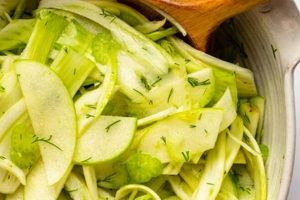
Seasonal salads featuring the bounty of fall harvests typically incorporate ingredients such as roasted root vegetables like butternut squash, sweet potatoes, and beets, along with hearty greens like kale or spinach. Apples, pears, cranberries, and pecans often complement these vegetables, adding sweetness and texture. Maple vinaigrette or cider dressings enhance the autumnal flavors.
Such salads offer a nutritious and flavorful way to enjoy seasonal produce. The combination of roasted vegetables, fruits, nuts, and leafy greens provides a rich source of vitamins, minerals, and fiber. Historically, these salads represent a celebration of the harvest season and resourcefulness in using readily available ingredients. They continue to be a popular choice for festive gatherings and everyday meals.
This discussion will further explore specific ingredient combinations, preparation techniques, and variations suitable for different dietary needs and preferences. Nutritional information and tips for maximizing flavor will also be addressed.
Tips for Creating Delicious Autumn Harvest Salads
Maximizing flavor and visual appeal requires careful consideration of ingredient selection, preparation methods, and balancing flavor profiles.
Tip 1: Roast Vegetables for Enhanced Sweetness and Depth: Roasting root vegetables like butternut squash, sweet potatoes, and carrots caramelizes their natural sugars, intensifying their sweetness and adding a depth of flavor not achievable through other cooking methods.
Tip 2: Balance Sweet and Savory Elements: Incorporating tart or tangy ingredients like cranberries, pomegranate seeds, or goat cheese helps balance the sweetness of roasted vegetables and fruits, creating a more complex and satisfying flavor profile.
Tip 3: Add Textural Variety: Toasted nuts or seeds, such as pecans, walnuts, or pumpkin seeds, provide a satisfying crunch, while crumbled cheeses or crispy roasted chickpeas offer contrasting textures.
Tip 4: Choose Seasonal Greens Wisely: Hearty greens like kale, spinach, or arugula hold up well to heavier dressings and roasted vegetables. Consider massaging kale with olive oil to tenderize it.
Tip 5: Craft a Complementary Dressing: Maple vinaigrette, apple cider vinaigrette, or balsamic vinaigrette complement the autumnal flavors of the salad. A touch of Dijon mustard adds complexity.
Tip 6: Don’t Overcrowd the Salad: Allowing some space between ingredients on the serving platter showcases the variety and beauty of the components.
Tip 7: Consider Temperature: Serving the salad slightly warm, particularly the roasted vegetables, can enhance the flavors and create a comforting dish.
By following these guidelines, one can create flavorful and visually appealing salads that showcase the bounty of the autumn harvest.
These tips offer a foundation for creating delicious and nutritious salads. The following section will explore specific recipe variations.
1. Seasonal Ingredients

The essence of an autumn harvest salad lies in the utilization of seasonal ingredients. Peak season produce offers optimal flavor and nutritional value, reflecting the natural rhythm of the harvest. This section explores key facets of seasonal ingredients within the context of autumn harvest salads.
- Root Vegetables
Root vegetables, reaching maturity in the fall, provide an earthy sweetness and heartiness. Examples include butternut squash, sweet potatoes, carrots, parsnips, and beets. Roasting intensifies their natural sugars, creating a depth of flavor essential to the autumnal profile. These vegetables also offer significant dietary fiber and vitamins.
- Winter Greens
Hearty greens such as kale, spinach, and chard thrive in cooler temperatures and offer a robust counterpoint to the sweetness of root vegetables and fruits. These greens provide vitamins A and C, as well as antioxidants.
- Fruits of the Fall
Apples, pears, cranberries, and pomegranates contribute sweetness, tartness, and textural complexity. Apples and pears offer crispness, while cranberries and pomegranates provide bursts of tart flavor and vibrant color. These fruits contribute vitamins and antioxidants.
- Nuts and Seeds
Nuts and seeds like pecans, walnuts, pumpkin seeds, and sunflower seeds impart richness, crunch, and healthy fats. Toasting enhances their flavor and adds a desirable textural element. These ingredients offer protein, fiber, and healthy fats.
The careful selection and combination of these seasonal ingredients create a salad that embodies the flavors and textures of autumn. The resulting dish offers not only a delicious culinary experience but also a nutritional powerhouse reflective of the season’s bounty. This emphasis on seasonality supports local agriculture and reduces environmental impact.
2. Flavor Balance
Flavor balance in an autumn harvest salad involves the skillful interplay of sweet, savory, tart, and earthy notes. This balance prevents any single flavor from dominating, creating a harmonious and complex taste experience. The inherent sweetness of roasted root vegetables like butternut squash and sweet potatoes necessitates the inclusion of contrasting elements. Tart ingredients such as cranberries, pomegranate seeds, or a vinaigrette with apple cider vinegar provide the necessary acidity to cut through the richness. Earthy flavors, derived from ingredients like pecans, walnuts, or crumbled goat cheese, add depth and complexity. A well-balanced salad avoids extremes, ensuring that each bite offers a nuanced and satisfying combination of flavors.
Consider a salad featuring roasted butternut squash, kale, dried cranberries, and candied pecans. The sweetness of the squash and pecans is balanced by the tartness of the cranberries and the slight bitterness of the kale. Adding a maple-Dijon vinaigrette introduces another layer of flavor, balancing the sweetness with a hint of mustard’s sharpness. Conversely, an overabundance of sweet elements, such as excessive candied pecans or a dressing that is too sweet, would create a cloying effect, detracting from the overall enjoyment. Achieving flavor balance requires careful consideration of ingredient proportions and complementary flavor profiles.
Mastery of flavor balance distinguishes a truly exceptional autumn harvest salad. It transforms a simple combination of ingredients into a sophisticated culinary experience. This balance not only enhances palatability but also underscores the natural flavors of each ingredient. Careful attention to this aspect elevates the dish beyond mere sustenance, making it a celebration of the season’s bounty.
3. Textural Variety

Textural variety elevates an autumn harvest salad from simply nutritious to genuinely enjoyable. A combination of textures creates a more engaging and satisfying sensory experience. Consider the interplay of creamy roasted butternut squash, crisp apple slices, crunchy toasted pecans, and tender kale. This contrast prevents monotony and encourages continued enjoyment. The absence of textural variety would result in a less stimulating and potentially less palatable dish, even if the flavors were well-balanced. Imagine a salad composed solely of soft, roasted vegetables while flavorful, it would lack the dynamism provided by contrasting textures.
Specific examples further illustrate this principle. Toasted pumpkin seeds or sunflower seeds offer a satisfying crunch against the backdrop of softer elements. Crumbled feta or goat cheese introduces a creamy counterpoint to roasted vegetables. Even the choice of greens contributes to textural variation. Baby spinach provides a delicate texture, while kale offers a more robust, slightly chewy texture. Crispy roasted chickpeas can stand in for croutons, adding a savory crunch. The strategic use of these elements transforms a simple salad into a multi-dimensional culinary experience.
Understanding the importance of textural variety enables the creation of more compelling autumn harvest salads. It allows for a conscious and deliberate approach to ingredient selection and preparation. This awareness encourages culinary creativity, promoting exploration beyond basic recipes. Ultimately, attention to textural detail contributes significantly to the overall success and enjoyment of the dish, enriching the dining experience and enhancing the appreciation of autumn’s bounty.
4. Presentation

Presentation plays a crucial role in the overall enjoyment of an autumn harvest salad. Visual appeal enhances the dining experience, stimulating appetite and creating a sense of anticipation. A thoughtfully presented salad elevates the perception of the dish, transforming it from a simple meal into a culinary creation. The following facets demonstrate the impact of presentation on the enjoyment and appreciation of autumn harvest salads.
- Color Palette
The natural colors of autumn provide a vibrant foundation for an appealing presentation. Deep oranges, reds, yellows, and greens create a visually engaging display. Consider the contrast between roasted butternut squash, vibrant cranberries, and dark leafy greens. Intentional use of color enhances the perceived freshness and quality of the ingredients.
- Arrangement and Composition
Thoughtful arrangement elevates the salad beyond a mere mixture of ingredients. Consider creating distinct sections of different components, allowing each element to stand out. A circular arrangement of roasted vegetables surrounding a bed of greens creates visual interest. Layering ingredients adds height and dimension, further enhancing the presentation.
- Serving Vessels
The choice of serving vessel contributes significantly to the overall presentation. A rustic wooden bowl complements the autumnal theme, while a sleek white platter provides a modern contrast. Individual portions in small glass bowls offer an elegant touch. The serving vessel should complement the salad’s colors and textures.
- Garnishes and Finishing Touches
A sprinkle of toasted nuts, a drizzle of balsamic glaze, or a scattering of fresh herbs adds the final flourish to the presentation. These small details elevate the perceived value and sophistication of the dish. A garnish should complement the existing flavors and textures without overpowering the salad.
These elements of presentation work synergistically to enhance the enjoyment of an autumn harvest salad. A visually appealing salad not only stimulates the appetite but also conveys a sense of care and attention to detail. By considering these aspects, one transforms a simple salad into a visually stunning and memorable culinary experience, showcasing the beauty of autumn’s bounty.
5. Nutritional Value

Nutritional value represents a significant benefit of autumn harvest salads. These salads offer a dense source of vitamins, minerals, antioxidants, and fiber, derived from the combination of seasonal fruits, vegetables, nuts, and seeds. Understanding the nutritional composition of these salads underscores their importance as part of a healthy diet.
- Vitamins and Minerals
Autumn harvest salads provide a rich array of vitamins and minerals. Root vegetables like sweet potatoes and carrots offer beta-carotene, a precursor to vitamin A, crucial for eye health. Dark leafy greens like kale and spinach contribute vitamins K and C, essential for blood clotting and immune function, respectively. The inclusion of nuts and seeds provides minerals such as magnesium and zinc, important for bone health and enzyme function.
- Antioxidants
The vibrant colors of autumn produce often signify the presence of antioxidants. Cranberries, pomegranates, and dark leafy greens contain antioxidants that combat oxidative stress and protect cells from damage. These antioxidants contribute to overall health and well-being.
- Dietary Fiber
The combination of fruits, vegetables, nuts, and seeds in these salads provides a significant source of dietary fiber. Fiber promotes digestive health, regulates blood sugar levels, and contributes to satiety, aiding in weight management. The variety of fiber sources in these salads ensures a comprehensive intake of both soluble and insoluble fiber.
- Healthy Fats
Nuts and seeds, common ingredients in autumn harvest salads, offer healthy fats, including monounsaturated and polyunsaturated fatty acids. These fats support cardiovascular health, reduce inflammation, and contribute to brain function. The inclusion of healthy fats enhances the nutritional profile of these salads.
The nutritional density of autumn harvest salads makes them a valuable addition to a balanced diet. The synergistic combination of vitamins, minerals, antioxidants, fiber, and healthy fats contributes to overall health and well-being. These salads provide a delicious and convenient way to consume a variety of nutrient-rich foods, supporting optimal health throughout the autumn season and beyond.
6. Recipe Adaptability

Recipe adaptability is a key strength of autumn harvest salads, allowing for customization based on dietary preferences, ingredient availability, and desired flavor profiles. This flexibility ensures these salads remain a versatile and enjoyable option for a wide range of individuals and occasions. Adaptability extends to ingredient substitutions, dressing variations, and additions of protein or other components, maximizing the potential of this seasonal dish.
- Dietary Modifications
Adapting autumn harvest salad recipes to specific dietary needs is straightforward. Vegan variations can replace cheese with nutritional yeast or avocado for creaminess. Gluten-free versions require attention to croutons and dressings, opting for gluten-free alternatives. Managing sugar intake can involve reducing or eliminating dried fruits and using a less sweet dressing. These modifications ensure inclusivity and allow individuals with dietary restrictions to enjoy the flavors of autumn.
- Ingredient Substitutions
Ingredient availability and personal preferences often necessitate substitutions. Butternut squash can be replaced with pumpkin or sweet potato. Kale can be substituted with spinach, arugula, or other greens. Pecans can be swapped for walnuts, almonds, or pumpkin seeds. These substitutions offer flexibility without compromising the essence of an autumn harvest salad, allowing for creativity and personalization based on available resources and individual tastes.
- Dressing Variations
The dressing significantly influences the overall flavor profile. While maple vinaigrette is a classic choice, other options like apple cider vinaigrette, balsamic vinaigrette, or even a simple lemon-herb dressing provide variety. Adjusting the sweetness, acidity, and the addition of herbs and spices allows for customization based on individual preferences. Experimentation with dressings allows for exploration of diverse flavor combinations, enhancing the culinary experience.
- Protein and Add-in Options
Adding protein transforms the salad into a more substantial meal. Grilled chicken, roasted tofu, or chickpeas provide plant-based or animal-based protein options. Other additions, such as roasted Brussels sprouts, dried cranberries, or crumbled goat cheese, further enhance the flavor and nutritional profile. These additions cater to individual needs and preferences, expanding the salad’s versatility beyond a side dish to a complete and satisfying meal.
The adaptability of autumn harvest salad recipes contributes significantly to their enduring appeal. This inherent flexibility ensures these salads remain a relevant and enjoyable culinary choice throughout the season, accommodating a wide range of preferences and dietary needs. This adaptability also encourages culinary creativity, allowing individuals to personalize their salads and explore new flavor combinations, making each autumn harvest salad a unique and satisfying experience.
Frequently Asked Questions
This section addresses common inquiries regarding autumn harvest salads, providing concise and informative responses to facilitate a deeper understanding of their preparation and versatility.
Question 1: What are the core ingredients of an autumn harvest salad?
Core ingredients typically include roasted root vegetables (such as butternut squash, sweet potatoes, and beets), leafy greens (like kale or spinach), seasonal fruits (apples, pears, cranberries), nuts (pecans, walnuts), and a complementary vinaigrette.
Question 2: How can one ensure flavor balance in these salads?
Balancing sweetness from roasted vegetables and fruits with contrasting tartness (cranberries, vinaigrette) and earthy notes (nuts, cheese) creates a harmonious flavor profile. Careful proportioning prevents any single flavor from dominating.
Question 3: What are some effective methods for enhancing textural variety?
Incorporating toasted nuts, seeds, crumbled cheese, or crispy roasted chickpeas provides textural contrast to softer elements like roasted vegetables and leafy greens, creating a more engaging culinary experience.
Question 4: How can these salads be adapted for specific dietary needs?
Substitutions readily accommodate dietary restrictions. Nutritional yeast or avocado can replace cheese for vegan diets. Gluten-free croutons and dressings ensure gluten-free compliance. Sugar content can be managed by adjusting the quantity of dried fruits and the sweetness of the vinaigrette.
Question 5: What are some suitable dressing options beyond the traditional maple vinaigrette?
Apple cider vinaigrette, balsamic vinaigrette, or a lemon-herb dressing offer alternatives, each contributing a distinct flavor profile. Adjusting sweetness, acidity, and incorporating herbs and spices allows for further customization.
Question 6: How can an autumn harvest salad be transformed into a more substantial meal?
Adding protein sources like grilled chicken, roasted tofu, or chickpeas elevates the salad from a side dish to a complete meal. Incorporating other elements like roasted Brussels sprouts or crumbled goat cheese further enhances the nutritional content and flavor complexity.
Understanding these key aspects of autumn harvest salads allows for informed choices regarding ingredient selection, preparation methods, and recipe customization. This knowledge empowers individuals to create delicious and nutritious salads tailored to individual preferences and dietary needs.
The subsequent sections will delve into specific recipe variations and offer detailed instructions for creating these seasonal culinary delights.
Conclusion
Exploration of autumn harvest salad recipes reveals a dish defined by seasonal ingredients, balanced flavors, varied textures, thoughtful presentation, and adaptable composition. Emphasis on fresh, locally sourced produce not only maximizes flavor but also supports sustainable agricultural practices. Nutritional density, derived from the combination of fruits, vegetables, nuts, and seeds, positions these salads as valuable components of a health-conscious diet. Adaptability to diverse dietary needs and preferences further broadens their appeal.
Culinary exploration of autumn harvest salad recipes offers a pathway to appreciating seasonal ingredients and fostering creativity in the kitchen. The potential for customization ensures a consistently engaging and satisfying culinary experience, reflecting the abundance and diversity of the autumn harvest. Continued experimentation with flavor combinations and ingredient pairings promises further evolution and refinement of these seasonal culinary creations.