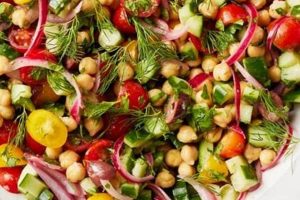
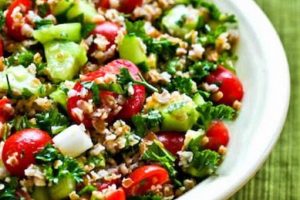
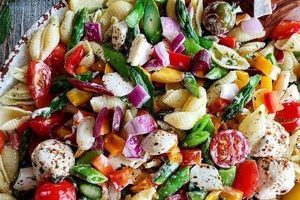
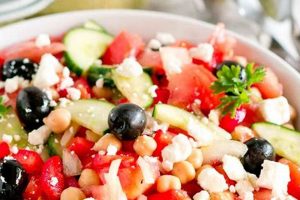
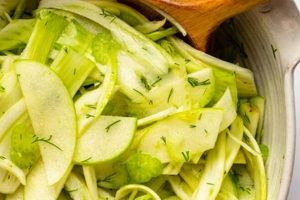
A satisfying, vibrant salad featuring fresh, high-quality ingredients and a balanced, flavorful dressing typifies the essence of a delightful Italian-inspired salad. Such a salad might include crisp romaine lettuce, juicy tomatoes, crunchy cucumbers, pungent red onion, briny olives, creamy mozzarella, and perhaps some salami or prosciutto. A simple vinaigrette with olive oil, red wine vinegar, garlic, and oregano often serves as the perfect complement.
Fresh, flavorful salads contribute significantly to a healthy diet, providing essential vitamins, minerals, and fiber. The Mediterranean diet, known for its health benefits, often features salads as a staple. Historically, Italian cuisine has emphasized fresh, seasonal produce, and the tradition of creating simple yet flavorful salads reflects this heritage. These salads offer a refreshing counterpoint to richer dishes and can be a light yet satisfying meal on their own.
The following sections will explore various aspects of crafting such a culinary creation, from selecting optimal ingredients to preparing homemade dressings and exploring regional variations.
Tips for an Excellent Italian Salad
Crafting a truly exceptional Italian salad involves attention to detail and a focus on quality ingredients. The following tips offer guidance for achieving optimal results.
Tip 1: Prioritize Fresh, High-Quality Ingredients: The foundation of any successful salad lies in the freshness of its components. Seek out vibrant, seasonal produce for the best flavor and texture. Locally sourced ingredients are often ideal.
Tip 2: Use Quality Olive Oil and Vinegar: The dressing is crucial. Opt for extra virgin olive oil with a robust flavor and a good quality red wine vinegar or balsamic vinegar.
Tip 3: Balance Flavors and Textures: Consider a variety of textures and flavors to create a more interesting and enjoyable salad. Combine crisp lettuce with softer tomatoes, crunchy cucumbers, and salty olives.
Tip 4: Don’t Overdress the Salad: Too much dressing can mask the flavor of the ingredients. Lightly coat the salad with the dressing just before serving.
Tip 5: Season Appropriately: Seasoning is essential. Use sea salt and freshly ground black pepper to enhance the flavors of the salad. A pinch of dried oregano or basil can also add depth.
Tip 6: Add Cheese Strategically: If using cheese, opt for fresh mozzarella, provolone, or Parmesan. Add it just before serving to prevent the salad from becoming soggy.
Tip 7: Consider Adding Protein: To make the salad a more substantial meal, consider adding grilled chicken, shrimp, or chickpeas.
By following these tips, one can elevate a simple salad into a memorable culinary experience. Attention to detail, quality ingredients, and a balanced approach to flavor and texture are key to achieving the perfect Italian salad.
The following section will conclude with some final thoughts on creating and enjoying this versatile dish.
1. Fresh, Seasonal Produce

Fresh, seasonal produce forms the cornerstone of a good Italian salad. The emphasis on seasonality stems from the inherent superior flavor and nutritional value of ingredients harvested at their peak ripeness. A winter salad might feature hearty greens like kale or radicchio, paired with citrus fruits and roasted vegetables. In contrast, a summer salad showcases the vibrancy of ripe tomatoes, cucumbers, and bell peppers. This connection between seasonality and quality directly impacts the overall taste and enjoyment of the salad.
Utilizing seasonal produce allows for a wider range of flavors and textures, elevating the salad beyond a basic mix of greens. For example, incorporating fresh basil in the summer adds a distinct sweetness and aroma, while including roasted butternut squash in the fall provides a depth of earthy sweetness. These seasonal nuances not only enhance the flavor profile but also offer diverse nutritional benefits, aligning with the Mediterranean diet’s emphasis on incorporating a variety of fruits and vegetables. Furthermore, opting for local, seasonal produce supports sustainable agricultural practices and reduces environmental impact.
Prioritizing fresh, seasonal ingredients requires an awareness of local growing seasons and the ability to adapt recipes accordingly. While this might present a slight challenge in some regions or during certain times of the year, the resulting increase in flavor and nutritional value justifies the effort. Ultimately, understanding the intrinsic link between fresh, seasonal produce and a good Italian salad contributes significantly to a more satisfying and healthful culinary experience.
2. High-Quality Olive Oil

High-quality olive oil is integral to a good Italian salad recipe, contributing significantly to its flavor profile and overall quality. It serves not merely as a dressing ingredient but as a crucial element that elevates the salad’s sensory experience. Understanding the characteristics and impact of high-quality olive oil is essential for achieving optimal results.
- Flavor Profile
High-quality extra virgin olive oil possesses a distinct flavor profile, often described as peppery, fruity, or grassy, depending on the olive varietal and production methods. This complexity enhances the salad’s taste, adding depth and nuance beyond a simple neutral oil. A robust olive oil can complement the flavors of fresh vegetables and herbs, creating a harmonious blend.
- Acidity and Freshness
Low acidity is a hallmark of high-quality olive oil. Freshly pressed extra virgin olive oil typically has an acidity level below 0.8%, contributing to a smoother, less bitter taste. This freshness is crucial in a salad dressing, where a harsh or overly acidic oil can negatively impact the balance of flavors.
- Health Benefits
Extra virgin olive oil, a cornerstone of the Mediterranean diet, is rich in monounsaturated fats and antioxidants, offering potential health benefits. Incorporating it into a salad contributes not only to flavor but also to nutritional value, aligning with the emphasis on healthy eating often associated with Italian cuisine.
- Emulsification and Texture
High-quality olive oil emulsifies well with vinegar, creating a smooth and creamy dressing that coats the salad ingredients evenly. This emulsification contributes to a more pleasant texture and ensures that the flavors are distributed throughout the salad, enhancing each bite.
The choice of olive oil significantly impacts the final product. While lower-quality oils might suffice for other culinary applications, a good Italian salad recipe benefits greatly from the nuanced flavor, smooth texture, and health benefits provided by a high-quality extra virgin olive oil. This investment in quality elevates the simple salad to a more refined and flavorful culinary experience.
3. Balanced Vinaigrette

A balanced vinaigrette is paramount to a good Italian salad recipe. The vinaigrette acts as a unifying element, harmonizing the diverse flavors of the salad components. A properly balanced vinaigrette enhances, rather than masks, the fresh, vibrant tastes of the vegetables, herbs, and cheese. An imbalance, whether overly acidic or excessively oily, can detract from the overall enjoyment of the salad.
The concept of balance within a vinaigrette hinges on the interplay of three primary components: oil, acid, and seasoning. Typically, a 3:1 ratio of oil to vinegar achieves a desirable balance. High-quality extra virgin olive oil provides a smooth, fruity base, while the vinegar contributes brightness and acidity. Red wine vinegar, balsamic vinegar, or even lemon juice offer distinct acidic notes, each influencing the final flavor profile. Seasoning, typically salt and freshly ground black pepper, further refines the vinaigrette, enhancing the other flavors and adding depth. Additional seasonings, such as garlic, Dijon mustard, or herbs like oregano and basil, contribute complexity and further personalize the vinaigrette’s character. For example, a vinaigrette with a robust red wine vinegar pairs well with peppery arugula and sharp provolone, while a lighter lemon vinaigrette complements delicate butter lettuce and fresh mozzarella.
Achieving a balanced vinaigrette requires not only precise measurements but also a nuanced understanding of flavor interactions. The quality of ingredients plays a significant role. A high-quality extra virgin olive oil with a distinct flavor profile will contribute more complexity than a generic, neutral oil. Similarly, a well-aged balsamic vinegar offers a depth of sweetness that a standard vinegar lacks. Understanding these nuances allows for a more deliberate approach to creating a vinaigrette that perfectly complements the chosen salad ingredients. The result is a harmonious blend of flavors, elevating the simple Italian salad from a basic dish to a satisfying culinary experience.
4. Appropriate Seasonings

Appropriate seasonings are essential for a good Italian salad recipe. They enhance the inherent flavors of fresh, high-quality ingredients without overpowering the delicate balance of the dish. Seasoning is not merely an afterthought but an integral step that elevates a simple salad to a more complex and satisfying culinary experience. The careful selection and application of seasonings directly influence the final taste and overall enjoyment.
Salt and freshly ground black pepper serve as the foundation of most salad seasonings. Salt enhances the sweetness of ripe tomatoes and the peppery notes of arugula, while black pepper adds a subtle bite. However, the appropriate seasonings extend beyond these basics. Dried oregano, basil, or a pinch of red pepper flakes can contribute layers of flavor, reflecting the traditional herbs and spices found in Italian cuisine. Fresh herbs, such as chopped parsley or chives, add brightness and aroma. Garlic, either minced or incorporated into the vinaigrette, provides a pungent savory note. The key lies in understanding the interplay of these flavors and how they interact with the other salad components. For instance, a salad featuring robust ingredients like olives and salami might benefit from the bold addition of oregano and red pepper flakes, whereas a lighter salad with fresh mozzarella and tomatoes might call for a more delicate touch of basil and chives.
Over-seasoning can mask the delicate flavors of fresh produce, while under-seasoning can result in a bland, uninspired salad. Achieving the correct balance requires an understanding of the chosen ingredients and the desired flavor profile. Freshly grated Parmesan cheese offers a salty, umami element, potentially reducing the need for additional salt. A flavorful vinaigrette already containing garlic or herbs might require less additional seasoning. Ultimately, appropriate seasoning requires a thoughtful approach, considering the interplay of all ingredients to create a harmonious and delicious final product. This attention to detail distinguishes a truly good Italian salad from a mediocre one.
5. Complementary Cheeses

Complementary cheeses play a crucial role in elevating a good Italian salad recipe. Cheese selection should consider the other salad components, aiming for a harmonious balance of flavors and textures. The cheese contributes not only a distinct flavor profile but also textural contrast and richness, enhancing the overall sensory experience. Improper cheese selection can disrupt this balance, overpowering delicate flavors or clashing with existing textures.
Fresh mozzarella, with its mild, milky flavor and soft texture, provides a classic pairing for salads featuring ripe tomatoes, basil, and a light vinaigrette. The creamy mozzarella complements the sweetness of the tomatoes and the herbaceousness of the basil. In contrast, a more robust cheese like provolone, with its slightly sharp and salty notes, pairs well with stronger flavored ingredients such as olives, salami, and a more assertive vinaigrette. Grated Parmesan, with its hard texture and umami richness, adds depth and complexity, particularly to salads with bitter greens like arugula or radicchio. Other options, such as crumbled gorgonzola or shaved Pecorino Romano, offer further opportunities for flavor exploration, but careful consideration of their intensity and how they interact with other ingredients is crucial. For example, the strong, pungent flavor of gorgonzola might overwhelm a salad with delicate ingredients, while the salty, sharp Pecorino Romano complements a salad with roasted vegetables and a balsamic vinaigrette.
Successful cheese integration requires understanding the interplay of flavors and textures within the entire salad composition. A balanced approach ensures that the cheese complements rather than dominates, contributing to a harmonious and satisfying culinary experience. Overly strong cheeses can mask the subtle flavors of fresh produce, while bland cheeses might fail to provide sufficient textural or flavor contrast. The judicious selection of complementary cheeses elevates the Italian salad from a simple combination of ingredients to a well-composed and flavorful dish. This understanding allows for informed choices, maximizing the potential of cheese to enhance the overall quality and enjoyment of the Italian salad.
6. Optional Protein Additions
Optional protein additions contribute significantly to the versatility of a good Italian salad recipe. While a traditional Italian salad often focuses on fresh vegetables, herbs, and cheese, incorporating protein transforms the salad from a side dish or light starter into a more substantial and satisfying meal. The choice of protein and its preparation method influence not only the salad’s nutritional value but also its overall flavor profile and textural complexity.
- Grilled Chicken or Fish
Grilled chicken or fish offer lean protein options that complement the fresh flavors of a good Italian salad. Grilled chicken breast, marinated in herbs and lemon, adds a savory element without overpowering the delicate vegetables. Similarly, grilled fish, such as salmon or tuna, provides healthy fats and a distinct flavor profile that pairs well with a light vinaigrette and peppery greens like arugula. The grilling process imparts a smoky char that adds depth to the salad.
- Cured Meats
Cured meats, such as prosciutto, salami, or pancetta, introduce a salty, savory dimension to the Italian salad. These additions provide a textural contrast and a richer flavor profile, complementing creamy cheeses like mozzarella or provolone. The saltiness of cured meats enhances the sweetness of ripe tomatoes and balances the acidity of the vinaigrette. However, moderation is key, as excessive cured meats can overpower the fresh flavors of the salad.
- Legumes and Beans
Legumes and beans, such as chickpeas, cannellini beans, or lentils, offer a plant-based protein source that aligns with the Mediterranean diet’s emphasis on healthy eating. These additions provide a hearty texture and a subtle earthy flavor that complements a variety of vegetables and dressings. Chickpeas, roasted with herbs and spices, add a satisfying crunch, while cannellini beans provide a creamy texture that complements a balsamic vinaigrette.
- Hard-boiled Eggs
Hard-boiled eggs provide a readily available and affordable protein source. Sliced or quartered hard-boiled eggs add a creamy texture and a subtle richness to the salad. The yolks contribute a healthy dose of fats and vitamins, further enhancing the nutritional value. This addition complements salads with bolder flavors, such as those featuring olives, artichoke hearts, and a red wine vinaigrette.
The strategic inclusion of optional protein additions expands the possibilities of the Italian salad, transforming it from a simple side dish to a complete and satisfying meal. The chosen protein should complement the other ingredients, contributing to a balanced and harmonious flavor profile. Whether opting for lean grilled meats, flavorful cured meats, hearty legumes, or simple hard-boiled eggs, the addition of protein enhances both the nutritional value and the culinary appeal of a good Italian salad recipe.
7. Proper Ingredient Combinations
Proper ingredient combinations are fundamental to a good Italian salad recipe. The interplay of flavors, textures, and colors contributes significantly to the overall enjoyment of the dish. A well-composed Italian salad features a harmonious blend of ingredients, each element complementing and enhancing the others. Conversely, poorly chosen combinations can result in a disjointed and unappetizing experience, where individual flavors clash rather than harmonize.
- Balancing Flavors
Balancing flavors is crucial. The goal is to create a harmonious blend of sweet, sour, salty, bitter, and savory notes. For example, the sweetness of ripe tomatoes pairs well with the peppery bite of arugula and the saltiness of olives. A balsamic vinaigrette adds a touch of sweetness and acidity that complements the other flavors without overpowering them. The interplay of these contrasting flavors creates a dynamic and engaging sensory experience. An overabundance of any single flavor profile can disrupt this balance, resulting in a one-dimensional and less satisfying salad.
- Textural Variety
Textural variety adds interest and complexity to the salad. A combination of crisp lettuce, crunchy vegetables like cucumbers and bell peppers, creamy mozzarella, and chewy cured meats creates a multi-faceted textural experience. Each bite offers a different sensation, enhancing the overall enjoyment. A salad lacking textural variety can feel monotonous and less satisfying. For example, a salad consisting solely of soft lettuce and tomatoes lacks the stimulating contrast provided by crunchy elements.
- Visual Appeal
Visual appeal plays a significant role in the enjoyment of food. A good Italian salad incorporates a variety of colors, creating a visually stimulating and appetizing presentation. Deep green spinach, vibrant red tomatoes, bright yellow bell peppers, and creamy white mozzarella not only offer a range of flavors and textures but also contribute to an aesthetically pleasing dish. The visual appeal enhances the dining experience, making the salad more inviting and enjoyable.
- Seasonality and Freshness
Seasonality and freshness are paramount. Utilizing fresh, seasonal ingredients ensures optimal flavor and nutritional value. A summer salad might feature ripe tomatoes, cucumbers, and basil, while a winter salad incorporates heartier greens like kale, roasted root vegetables, and citrus fruits. Respecting seasonality not only maximizes flavor but also aligns with the principles of sustainable eating. Out-of-season ingredients often lack the vibrancy and flavor of their in-season counterparts.
Careful consideration of these facetsbalancing flavors, incorporating textural variety, prioritizing visual appeal, and respecting seasonalitycontributes significantly to the creation of a good Italian salad. The thoughtful combination of ingredients elevates the salad from a simple assortment of vegetables to a complex and satisfying culinary experience. A well-composed Italian salad exemplifies the synergy achievable through proper ingredient combinations, where the whole becomes greater than the sum of its parts.
Frequently Asked Questions
This section addresses common inquiries regarding the creation of a good Italian salad recipe. Clarity on these points ensures optimal results and a more enjoyable culinary experience.
Question 1: What type of lettuce is best suited for an Italian salad?
While romaine lettuce is a popular choice, various lettuces, such as butter lettuce, arugula, or a mix of greens, can be used. The choice depends on personal preference and the desired flavor profile. Arugula provides a peppery bite, butter lettuce offers a delicate sweetness, and a mix of greens adds complexity.
Question 2: Can balsamic vinegar be substituted for red wine vinegar in the vinaigrette?
Balsamic vinegar can substitute red wine vinegar, but its sweetness may alter the vinaigrette’s overall balance. Adjust other ingredients, such as reducing the amount of added sugar or increasing the acidity with a squeeze of lemon, to compensate for the balsamic vinegar’s sweetness.
Question 3: What are suitable alternatives to fresh mozzarella?
Provolone, ricotta salata, or crumbled feta offer alternatives to fresh mozzarella, each contributing unique flavor profiles and textures to the salad.
Question 4: How can one prevent a salad from becoming soggy when adding dressing?
Adding the dressing just before serving prevents the salad from becoming soggy. Alternatively, serve the dressing on the side, allowing individuals to dress their portions as desired.
Question 5: Can other vegetables be added to an Italian salad?
Bell peppers, artichoke hearts, roasted red peppers, or pepperoncini can enhance an Italian salad, adding flavor, texture, and visual interest. Selection should consider the desired flavor profile and complement existing ingredients.
Question 6: How long can an Italian salad be stored in the refrigerator?
An Italian salad, without dressing, can be stored in an airtight container in the refrigerator for one to two days. The dressing should be added just before serving to maintain optimal freshness and prevent sogginess. Adding ingredients like avocado, which oxidize quickly, should be done immediately before consumption.
Understanding these common points contributes to a successful and enjoyable experience creating a good Italian salad. Adaptability and attention to detail allow for personalized variations while maintaining the core principles of balance and freshness.
The following section provides a sample recipe for a classic Italian salad.
Good Italian Salad Recipe
Achieving a truly good Italian salad recipe transcends simply combining ingredients. It represents a thoughtful approach to flavor balance, texture, and ingredient quality. Fresh, seasonal produce forms the foundation, enhanced by a balanced vinaigrette crafted with high-quality olive oil and complementary seasonings. Appropriate cheeses add depth and richness, while optional protein additions elevate the salad to a satisfying meal. Proper ingredient combinations, considering flavor profiles and textural contrasts, ensure a harmonious and enjoyable culinary experience.
Culinary exploration extends beyond following prescribed recipes. Adaptability and a willingness to experiment with seasonal ingredients and flavor combinations allows for personalized variations, ensuring the continued evolution and enjoyment of this classic dish. The pursuit of a truly exceptional Italian salad encourages a deeper appreciation for fresh, high-quality ingredients and the transformative potential of simple yet well-executed culinary techniques.