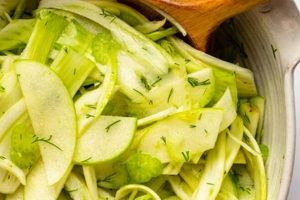
A dish featuring this leafy green typically includes chopped kale, often massaged with olive oil and lemon juice to tenderize it, combined with other ingredients evocative of the Tuscan region of Italy. Common additions include cannellini beans, sun-dried tomatoes, toasted bread crumbs, and Parmesan cheese. Variations might incorporate other vegetables, fruits, nuts, or proteins.
This culinary creation offers a flavorful and nutritious meal option. Kale, a nutritional powerhouse rich in vitamins, minerals, and antioxidants, provides a healthy base. The Mediterranean-inspired ingredients contribute further health benefits and vibrant flavors. Historically, kale has been a staple in Tuscan cuisine, reflecting the region’s emphasis on fresh, seasonal produce and simple preparations. The contemporary appeal of this salad arises from its combination of healthy ingredients and satisfying flavors, aligning with current dietary trends.
Further exploration of this topic will delve into specific variations, preparation techniques, nutritional information, and tips for achieving optimal flavor and texture.
Tips for Preparing a Delicious Tuscan Kale Salad
Achieving optimal flavor and texture requires attention to key preparation techniques. The following tips offer guidance for creating a satisfying and authentic Tuscan kale salad experience.
Tip 1: Massage the Kale: Massaging the kale leaves with olive oil and lemon juice (or vinegar) helps to break down the tough fibers, resulting in a more tender and palatable salad. This process also helps the leaves absorb the dressing more effectively.
Tip 2: Choose Quality Ingredients: The success of this salad depends heavily on the quality of the ingredients. Opt for fresh, vibrant kale, preferably Tuscan or Lacinato kale. High-quality olive oil, sun-dried tomatoes, and Parmesan cheese will also elevate the flavor profile.
Tip 3: Toast the Breadcrumbs: Toasting the breadcrumbs adds a delightful crunch and nutty flavor to the salad. Toss breadcrumbs in olive oil and seasonings before toasting them in a pan or oven until golden brown.
Tip 4: Properly Drain and Rinse Canned Beans: Rinsing and draining canned cannellini beans removes excess starch and sodium, resulting in a cleaner flavor and improved texture.
Tip 5: Balance Flavors: The Tuscan kale salad thrives on a balance of savory, salty, sweet, and acidic elements. Adjust the amount of lemon juice, Parmesan cheese, and sun-dried tomatoes to achieve the desired flavor profile.
Tip 6: Don’t Overcrowd the Pan: When toasting breadcrumbs or other ingredients, avoid overcrowding the pan. This ensures even cooking and browning.
Tip 7: Consider Seasonality: While enjoyable year-round, incorporating seasonal produce can enhance the salad’s flavor and nutritional value. Consider adding fresh tomatoes in the summer or roasted butternut squash in the fall.
By following these tips, one can ensure a flavorful and enjoyable Tuscan kale salad experience. Attention to detail and quality ingredients contribute significantly to the overall success of this dish.
With these preparation tips covered, one can now confidently create a delightful Tuscan kale salad. Further sections will provide specific recipe variations and explore the nutritional benefits in more detail.
1. Tuscan Kale

Tuscan kale, also known as Lacinato kale, Dinosaur kale, or black kale, forms the foundation of the Tuscan kale salad recipe. Its robust, slightly bitter flavor and sturdy texture distinguish it from other kale varieties, making it uniquely suited for this preparation. The leaves dark green color and ruffled edges contribute to the salad’s visual appeal. The inherent bitterness of Tuscan kale necessitates specific preparation techniques, such as massaging with oil and acid, to create a palatable and enjoyable salad. Without Tuscan kale, the recipe loses its distinctive character and becomes simply a kale salad.
The selection of Tuscan kale directly impacts the final dish. Young, tender leaves offer a milder flavor and require less massaging, while mature leaves possess a more pronounced bitterness and robust texture, demanding more attention during preparation. The choice between these variations allows for customization based on individual preferences. For example, a salad featuring baby Tuscan kale might highlight delicate flavors, while one using mature leaves could emphasize a heartier, more robust experience. Understanding the nuances of Tuscan kale empowers informed ingredient selection and contributes to a more successful outcome.
In essence, Tuscan kales distinct characteristics define the Tuscan kale salad recipe. Its flavor profile dictates complementary ingredients and its texture influences preparation methods. Appreciation of these attributes provides a deeper understanding of the recipe’s construction and facilitates culinary adaptations. Selecting the right Tuscan kale is crucial for achieving the desired balance of flavors and textures. This awareness enhances culinary creativity and allows for tailored variations of the classic dish.
2. Olive Oil

Olive oil plays a crucial role in a Tuscan kale salad recipe, contributing significantly to both flavor and texture. Beyond its function as a dressing component, olive oil facilitates the essential step of massaging the kale. This process tenderizes the leaves, mitigating their inherent bitterness and improving palatability. The oil’s viscosity coats the leaves, creating a smoother mouthfeel and enhancing the distribution of other flavors. Furthermore, high-quality extra virgin olive oil adds its own distinct fruity and peppery notes, enriching the overall sensory experience. For example, using a robust Tuscan olive oil can complement the earthy flavors of the kale and sun-dried tomatoes, while a milder oil might allow the other ingredients to shine through.
The type and quality of olive oil chosen significantly influence the final result. Extra virgin olive oil, with its lower acidity and pronounced flavor profile, is generally preferred. The specific flavor profile of the olive oil, whether grassy, fruity, or peppery, can be strategically selected to harmonize with other ingredients. The quantity used also affects the salad’s texture and richness; too little can leave the kale tough, while too much can result in an overly greasy salad. Practical applications include using a lighter olive oil for a delicate spring salad featuring young kale, or opting for a more robust oil to complement heartier winter variations with roasted vegetables.
In summary, olive oil is an integral element of the Tuscan kale salad, fulfilling multiple functions beyond simple flavoring. Its role in tenderizing the kale and facilitating flavor distribution is essential. Choosing the appropriate type and quantity of olive oil significantly impacts the final dish’s taste and texture. This understanding allows for a more nuanced approach to recipe preparation and customization, enabling chefs and home cooks to create a Tuscan kale salad that truly highlights the synergy between ingredients.
3. Lemon Juice
Lemon juice provides a crucial acidic element within a Tuscan kale salad recipe. This acidity serves several key functions. Primarily, it balances the inherent bitterness of the kale, making the salad more palatable. The citric acid in lemon juice also reacts with the chlorophyll in the kale, preserving its vibrant green color and preventing browning. Furthermore, the acidity helps to tenderize the kale leaves, working synergistically with the olive oil during the massaging process. For instance, without lemon juice, the kale may remain tough and unpleasantly bitter, compromising the overall enjoyment of the salad. A practical example is the noticeable difference between kale massaged with only olive oil and kale massaged with both olive oil and lemon juice; the latter exhibits a brighter color and a more tender texture.
Beyond its functional roles, lemon juice contributes a bright, citrusy flavor that complements the other ingredients in the salad. This acidity enhances the savory notes of the Parmesan cheese and sun-dried tomatoes, creating a more complex and balanced flavor profile. The amount of lemon juice used can be adjusted to achieve the desired level of tartness, catering to individual preferences. One might increase the lemon juice to create a tangier salad, especially during summer months, or reduce it slightly for a milder flavor profile in the winter. The interaction of lemon juice with the other components allows for a tailored sensory experience.
In conclusion, lemon juice is an indispensable component of a successful Tuscan kale salad recipe. Its chemical properties and flavor profile contribute significantly to both the palatability and overall enjoyment of the dish. Understanding the multifaceted role of lemon juice empowers informed decision-making regarding its quantity and application, ultimately enhancing the culinary outcome. Challenges may include balancing the acidity with other flavors, but careful consideration of the interplay between ingredients allows for a well-rounded and delicious final product.
4. Parmesan Cheese

Parmesan cheese, with its distinct sharp, salty, and umami flavor profile, plays a vital role in completing the flavor profile of a Tuscan kale salad. It contributes a depth and complexity that elevates the salad beyond a simple combination of vegetables and dressing. The hard, granular texture of Parmesan also offers a textural counterpoint to the tender kale and other softer ingredients, adding a pleasant chewiness.
- Flavor Enhancement
Parmesan’s umami richness complements the slight bitterness of the kale and the sweetness of sun-dried tomatoes, creating a balanced and satisfying flavor profile. The saltiness of the cheese also enhances the other flavors, acting as a natural flavor enhancer. Authentic Parmigiano-Reggiano, with its complex aging process, offers a more nuanced flavor than generic Parmesan cheeses. For example, the nutty and slightly sweet notes found in aged Parmigiano-Reggiano can create a deeper, more layered flavor experience in the salad.
- Textural Contrast
The hard, granular texture of Parmesan provides a textural contrast to the often tender kale leaves. This contrast prevents the salad from becoming monotonous in texture and adds an element of interest to each bite. Grating the cheese finely results in a more even distribution of flavor and texture throughout the salad, while shaving it into larger pieces offers a more intense burst of flavor and a more pronounced textural variation.
- Nutritional Contribution
Beyond flavor and texture, Parmesan cheese contributes valuable nutrients to the salad, including calcium, protein, and certain vitamins. While it is a calorie-dense ingredient, its use in moderation adds nutritional value without significantly impacting the overall healthfulness of the salad. For example, the calcium in Parmesan contributes to bone health, while the protein supports muscle growth and repair.
- Balancing Acidity
The saltiness of Parmesan cheese helps balance the acidity from the lemon juice or vinegar in the dressing. This balance prevents the salad from becoming overly tart and ensures a harmonious blend of flavors. The specific type of Parmesan used can influence this balance; a sharper, more aged Parmesan may require a slightly higher amount of acid to achieve equilibrium.
The strategic use of Parmesan cheese in a Tuscan kale salad exemplifies the importance of balancing flavors, textures, and nutritional value. Each characteristic of the cheese plays a distinct role in creating a harmonious and satisfying culinary experience. By understanding the contributions of Parmesan, one can appreciate its significance in elevating the Tuscan kale salad from a simple dish to a more complex and flavorful creation. Variations in the type and amount of Parmesan used can further personalize the salad, catering to individual preferences and dietary needs.
5. Cannellini Beans

Cannellini beans, also known as white kidney beans, represent a key component of the Tuscan kale salad, contributing both nutritional value and textural complexity. Their inclusion reflects the Tuscan culinary tradition of utilizing simple, wholesome ingredients to create flavorful and satisfying dishes. Understanding the role of cannellini beans within this salad provides insights into the broader principles of balanced nutrition and flavor pairings.
- Nutritional Contribution
Cannellini beans offer a significant source of plant-based protein and dietary fiber, enhancing the nutritional profile of the salad. Protein contributes to satiety and supports muscle maintenance, while fiber aids digestion and promotes gut health. These nutritional benefits align with the increasing emphasis on incorporating plant-based protein sources into diets. For example, a cup of cannellini beans provides approximately 15 grams of protein and 11 grams of fiber.
- Textural Enhancement
The creamy texture of cannellini beans contrasts with the crispness of the kale and other potentially crunchy elements like toasted breadcrumbs or nuts. This interplay of textures creates a more dynamic and enjoyable eating experience, preventing the salad from becoming texturally one-dimensional. Consider the difference between a kale salad with and without beans; the addition of beans introduces a new layer of texture that enhances the overall mouthfeel.
- Flavor Profile
Cannellini beans possess a mild, subtly nutty flavor that complements the other ingredients without overpowering them. This neutrality allows the other components, such as the kale, dressing, and Parmesan cheese, to retain their prominence in the overall flavor profile. Their mildness also makes them receptive to absorbing flavors from the dressing and other ingredients.
- Culinary Versatility
The use of cannellini beans showcases the versatility of this ingredient within Tuscan cuisine. They can be used in various preparations, from soups and stews to salads, reflecting their adaptability and widespread availability. This reflects the resourcefulness of Tuscan cooking, maximizing the use of readily available ingredients. Their presence in the salad also adds a sense of heartiness and substance.
The incorporation of cannellini beans into the Tuscan kale salad highlights the importance of considering not only flavor but also nutrition and texture. Their presence adds depth and complexity to the dish, demonstrating the culinary principles of balance and synergy. This careful consideration of ingredients elevates the Tuscan kale salad from a simple side dish to a more complete and satisfying meal. Furthermore, the use of cannellini beans underscores the broader theme of resourcefulness and nutritional awareness inherent in Tuscan culinary traditions.
6. Sun-dried Tomatoes
Sun-dried tomatoes constitute a crucial element within a Tuscan kale salad recipe, contributing a concentrated burst of flavor and a pleasingly chewy texture. Their presence reflects the Tuscan tradition of preserving seasonal produce, allowing enjoyment throughout the year. An exploration of their specific contributions reveals a deeper understanding of the synergy between ingredients within this classic dish.
- Intensified Sweetness and Acidity
The drying process intensifies the natural sweetness and acidity of tomatoes. This concentrated flavor profile complements the slight bitterness of the kale and adds depth to the overall flavor composition. The balance between sweetness and acidity prevents the salad from becoming bland or overly bitter. For instance, consider the difference between using fresh tomatoes versus sun-dried; the latter offers a more pronounced and complex flavor that enhances the salad’s overall impact.
- Textural Variation
Sun-dried tomatoes, whether packed in oil or dry-packed, offer a chewy texture that contrasts with the other components of the salad, such as the crisp kale leaves and the creamy cannellini beans. This textural variation enhances the eating experience, providing a more dynamic mouthfeel. A salad featuring exclusively soft ingredients might feel monotonous; the addition of sun-dried tomatoes introduces a welcome textural contrast.
- Visual Appeal
The deep red hue of sun-dried tomatoes adds a vibrant pop of color to the predominantly green salad, enhancing its visual appeal. This visual element contributes to the overall sensory experience and makes the salad more inviting. A monochromatic green salad might appear less appealing; the inclusion of sun-dried tomatoes elevates the presentation.
- Nutritional Value
While the drying process reduces the vitamin C content, sun-dried tomatoes remain a good source of other nutrients, including lycopene, an antioxidant linked to various health benefits. Their nutritional contribution, albeit different from fresh tomatoes, adds another layer of value to the salad. This aligns with the broader health-conscious aspects often associated with Mediterranean cuisine.
The multifaceted contribution of sun-dried tomatoes to the Tuscan kale salad exemplifies the careful consideration of flavor, texture, visual appeal, and even nutritional value within traditional Tuscan cuisine. Their inclusion elevates the dish beyond a simple combination of ingredients, showcasing the synergistic interplay between components that results in a harmonious and satisfying culinary experience. Variations, such as using different types of oil-packed sun-dried tomatoes or incorporating dry-packed varieties after rehydration, allow for further customization and exploration of flavor profiles.
7. Toasted Breadcrumbs

Toasted breadcrumbs, a seemingly simple addition, contribute significantly to the overall sensory experience of a Tuscan kale salad. Their presence provides a crucial textural element, contrasting with the other components and adding a satisfying crunch. Furthermore, the toasting process enhances the inherent flavor of the bread, adding depth and complexity to the salad’s profile.
- Textural Contrast
The primary role of toasted breadcrumbs in this context lies in providing a contrasting texture. The crisp, crunchy texture juxtaposes the tender kale, creamy beans, and chewy sun-dried tomatoes, creating a more dynamic and enjoyable mouthfeel. Imagine biting into a salad with only soft, yielding textures; the addition of breadcrumbs introduces a welcome element of crispness.
- Flavor Enhancement
Toasting the breadcrumbs intensifies their flavor, moving beyond plain bread to offer nutty, toasted notes that complement the other salad components. The choice of bread influences the ultimate flavor; for instance, using a rustic Italian loaf imparts a different flavor profile than using plain white bread. This allows for customization and further complexity within the overall dish.
- Preparation Methods and Impact
The method of preparing the breadcrumbs further influences their contribution. Tossing the crumbs in olive oil and seasonings before toasting enhances their flavor and ensures even browning. Variations include using different types of oil, adding herbs, or incorporating spices, further customizing the final product. Over-toasting, however, can lead to bitterness, highlighting the importance of careful preparation.
- Historical and Cultural Context
The use of toasted breadcrumbs in Tuscan cuisine reflects a broader tradition of resourcefulness and minimizing waste. Historically, leftover bread was often repurposed in dishes like this salad, adding both substance and flavor. This practice speaks to the historical context of the region and adds another layer of appreciation to the dish.
In conclusion, the inclusion of toasted breadcrumbs in a Tuscan kale salad demonstrates the thoughtful combination of ingredients characteristic of Tuscan cuisine. This seemingly minor addition plays a significant role in elevating the dish, enhancing both its textural and flavor complexity while reflecting historical culinary practices. The careful consideration of preparation methods further underscores the importance of even simple components in contributing to a well-balanced and satisfying culinary experience.
Frequently Asked Questions
This section addresses common inquiries regarding Tuscan kale salad preparation and variations.
Question 1: What can be substituted for Tuscan kale?
While Tuscan kale offers a unique flavor and texture, other kale varieties, such as curly kale or dinosaur kale, can be substituted. However, these may require adjustments in preparation due to differences in texture and bitterness. Other leafy greens like spinach or chard could also be considered, though they will result in a noticeably different flavor profile.
Question 2: How can the bitterness of kale be reduced?
Massaging the kale leaves with olive oil and lemon juice helps to break down tough fibers and reduce bitterness. This process also tenderizes the leaves. The duration of massaging can be adjusted based on the kale’s age and bitterness level. Briefly blanching the kale in boiling water can also reduce bitterness, though it may slightly alter the texture.
Question 3: What are suitable alternatives to cannellini beans?
Other white beans, such as Great Northern beans or navy beans, offer suitable alternatives to cannellini beans. Chickpeas or butter beans can also be used, though they will introduce different flavor nuances. Lentils could provide another option, contributing a slightly earthier flavor and different texture.
Question 4: Can this salad be made ahead of time?
The salad can be prepared a few hours in advance, but the breadcrumbs should be added just before serving to maintain their crispness. The kale may become slightly softer upon standing, which some individuals may prefer. Storing the salad without the dressing can help preserve its texture and prevent it from becoming soggy.
Question 5: How can the dressing be adjusted for different preferences?
The standard lemon juice and olive oil dressing can be customized with additional ingredients. Adding Dijon mustard provides a tangy element, while honey or maple syrup introduces sweetness. Minced garlic or shallots can add pungent notes. Adjusting the ratio of oil to acid allows for control over the dressing’s richness and tartness.
Question 6: What are some variations on the classic recipe?
Numerous variations exist, incorporating ingredients like roasted vegetables, toasted nuts, dried fruit, or different cheeses. Seasonal adaptations might include adding fresh berries in summer or roasted butternut squash in autumn. Grilled chicken or fish can transform the salad into a more substantial meal. These variations demonstrate the recipe’s adaptability and potential for customization.
Understanding these common inquiries allows for a more informed approach to Tuscan kale salad preparation and customization.
This FAQ section concludes the exploration of fundamental aspects. Further sections may delve into more specialized variations and advanced techniques.
Tuscan Kale Salad Recipe
Exploration of the Tuscan kale salad recipe reveals a carefully constructed balance of flavors, textures, and nutritional elements. From the robust, slightly bitter Tuscan kale to the creamy cannellini beans, each ingredient contributes distinct characteristics, culminating in a harmonious and satisfying culinary experience. The importance of proper preparation techniques, such as massaging the kale and toasting the breadcrumbs, further underscores the attention to detail inherent in this seemingly simple dish. An understanding of these individual components and their interactions provides a foundation for appreciating the culinary artistry within this classic Tuscan preparation.
The Tuscan kale salad recipe represents more than a mere list of ingredients; it embodies a culinary philosophy rooted in fresh, seasonal produce and simple yet effective techniques. This approach allows the inherent flavors of the ingredients to shine through, resulting in a dish that is both nutritious and delicious. Continued exploration of variations and adaptations promises further culinary discoveries, highlighting the enduring appeal and adaptability of this timeless salad.