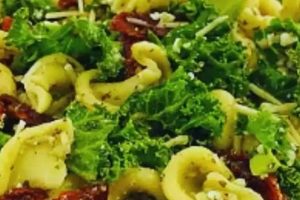
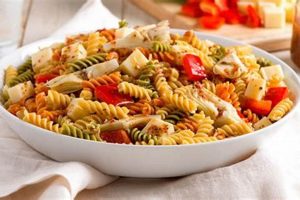
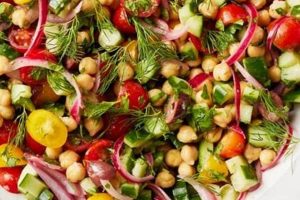
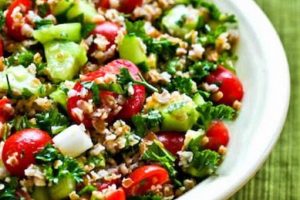
Light, refreshing, and vibrant dishes featuring seasonal produce are characteristic of springtime meals. These dishes often incorporate early-season vegetables like asparagus, peas, and leafy greens, combined with lighter dressings and fresh herbs. An example might include a salad of baby spinach, sliced strawberries, crumbled goat cheese, and toasted pecans with a light vinaigrette.
The emphasis on fresh, seasonal ingredients offers significant nutritional benefits. Spring produce is typically packed with vitamins and minerals, contributing to a healthy diet. Historically, the shift towards lighter fare in spring reflects a natural alignment with the changing seasons, offering a welcome contrast to heavier winter meals. Furthermore, the availability of fresh, local produce often reduces the environmental impact of food production and supports local farmers.
The following sections will explore specific seasonal ingredients, offer a variety of recipe ideas, and provide practical tips for creating delicious and nutritious springtime meals.
Tips for Creating Delicious Spring Salads
Creating flavorful and vibrant spring salads involves thoughtful ingredient selection and preparation. The following tips offer guidance for maximizing the freshness and appeal of these dishes.
Tip 1: Embrace Seasonal Produce: Select ingredients at their peak ripeness. Farmers’ markets are excellent resources for sourcing locally grown, seasonal vegetables and fruits.
Tip 2: Balance Flavors and Textures: Combine a variety of textures and flavors. Consider incorporating crunchy elements like nuts or seeds, creamy components such as cheese or avocado, and sweet or tart fruits.
Tip 3: Utilize Fresh Herbs: Fresh herbs like mint, dill, chives, and parsley add brightness and depth of flavor. Chop them finely and add just before serving to maximize their impact.
Tip 4: Experiment with Dressings: Light vinaigrettes complement delicate spring greens. Consider using citrus juices, flavored oils, and a touch of honey or maple syrup for sweetness.
Tip 5: Proper Washing and Storage: Wash produce thoroughly and dry it gently before storing to maintain freshness and prevent wilting. Store delicate greens in airtight containers lined with paper towels.
Tip 6: Don’t Overcrowd the Salad: Avoid overcrowding the salad bowl. This allows the ingredients to remain distinct and prevents them from becoming soggy.
Tip 7: Consider the Occasion: Adapt the salad to suit the occasion. A simple green salad with a light vinaigrette is ideal for a light lunch, while a more elaborate salad with grilled protein can serve as a main course.
By following these tips, one can create flavorful, visually appealing salads that showcase the best of spring’s bounty. These dishes offer a refreshing and nutritious way to enjoy the season’s vibrant flavors.
The provided information offers practical guidance for maximizing the enjoyment and nutritional value of spring salads. By embracing seasonal ingredients and employing thoughtful preparation techniques, anyone can create delicious and healthy meals.
1. Fresh, Seasonal Produce

Fresh, seasonal produce forms the cornerstone of successful spring salads. The availability of tender greens, young vegetables, and early fruits allows for vibrant, flavorful dishes that capture the essence of the season. Utilizing produce at its peak ripeness guarantees optimal flavor and nutritional value. This connection between seasonality and quality is fundamental to the concept of spring salads. For instance, incorporating tender asparagus spears, sweet snap peas, and vibrant radishes provides not only a variety of textures and colors but also delivers a concentrated dose of vitamins and minerals. The inherent sweetness of these spring vegetables minimizes the need for heavy dressings, further emphasizing the fresh, clean flavors.
The emphasis on seasonal ingredients extends beyond mere flavor. Choosing locally sourced, seasonal produce reduces transportation distances and supports local farmers, contributing to a more sustainable food system. Furthermore, the variety offered by spring’s bounty encourages culinary creativity. Arugula’s peppery bite complements the sweetness of strawberries, while the subtle bitterness of dandelion greens provides a counterpoint to creamy goat cheese. These combinations highlight the versatility and potential of seasonal ingredients in creating balanced and compelling flavor profiles.
Prioritizing fresh, seasonal produce yields salads that are both nutritious and delicious. This understanding facilitates a deeper appreciation for the cyclical nature of food and its impact on both individual well-being and the environment. By embracing the seasonality of produce, one can elevate simple salads into vibrant expressions of spring’s bounty. The challenge lies in sourcing high-quality ingredients and understanding their optimal preparation methods, thereby maximizing both flavor and nutritional benefits.
2. Light, vibrant dressings

The role of dressings in spring salads is paramount. They provide a cohesive element, unifying diverse ingredients while enhancing their individual flavors. Unlike heavier dressings suitable for heartier winter salads, spring salads benefit from lighter, brighter options that complement the delicate flavors of seasonal produce. These dressings enhance the overall sensory experience without overpowering the fresh taste of the ingredients.
- Emphasis on Acidity
Spring dressings often emphasize acidity to provide a refreshing counterpoint to the sweetness of young vegetables and fruits. Lemon juice, lime juice, and various types of vinegar, such as white wine, champagne, or apple cider vinegar, contribute brightness and complexity. A squeeze of citrus can elevate a simple salad of mixed greens, while a vinaigrette featuring a high-quality vinegar adds depth and nuance. The acidity also helps to balance richer ingredients like cheese or nuts.
- High-Quality Oils
The choice of oil significantly impacts the flavor profile of a spring salad dressing. Extra virgin olive oil offers a robust, peppery flavor, while lighter oils like avocado or grapeseed oil provide a more neutral base. Infused oils, such as those flavored with herbs or citrus zest, introduce additional layers of complexity. Selecting the appropriate oil depends on the desired flavor profile and the other ingredients in the salad.
- Fresh Herbs and Aromatics
Fresh herbs and aromatics play a crucial role in creating vibrant spring dressings. Finely chopped chives, mint, dill, or parsley add brightness and depth. Shallots, garlic, and ginger contribute subtle pungency and complexity. The inclusion of fresh herbs elevates a simple vinaigrette, transforming it into a flavorful complement to delicate greens and vegetables.
- Minimal Sweeteners
While a touch of sweetness can balance the acidity in a dressing, spring salads generally require minimal added sugars. A small amount of honey, maple syrup, or agave nectar can provide a nuanced sweetness without overpowering the fresh flavors of the produce. Overly sweet dressings can mask the delicate nuances of spring vegetables and fruits.
These facets of light, vibrant dressings contribute to the overall appeal of spring salads. The interplay of acidity, high-quality oils, fresh herbs, and minimal sweeteners creates a harmonious balance that enhances, rather than masks, the flavors of seasonal ingredients. The result is a refreshing and flavorful dish that epitomizes the essence of spring.
3. Creative Ingredient Combinations

Spring salads offer a canvas for culinary creativity, encouraging exploration beyond traditional lettuce-and-tomato combinations. The availability of fresh, seasonal produce allows for innovative pairings that highlight the diverse flavors and textures of spring. Strategic ingredient combinations elevate salads from simple side dishes to complex, satisfying meals.
- Balancing Flavors and Textures
Successful spring salads achieve a harmonious balance of flavors and textures. Pairing crisp, peppery radishes with creamy avocado, or combining the slight bitterness of dandelion greens with the sweetness of strawberries, exemplifies this principle. Contrasting textures, such as crunchy nuts against tender greens, add further complexity and interest. Consider incorporating toasted nuts, seeds, or croutons for added crunch; creamy cheeses, avocado, or hummus for richness; and sweet or tart fruits for bursts of flavor. This interplay creates a multi-dimensional sensory experience.
- Incorporating Edible Flowers
Edible flowers contribute both visual appeal and unique flavors to spring salads. Pansies, nasturtiums, and violas offer vibrant colors and subtle peppery or minty notes. These delicate additions elevate the aesthetic presentation of the salad while also providing nuanced flavor dimensions. Care should be taken to source edible flowers from reputable growers to ensure they are free from pesticides and other contaminants.
- Exploring Global Influences
Spring salad recipes can draw inspiration from diverse culinary traditions. Incorporating elements from Mediterranean, Asian, or Latin American cuisines introduces unique flavor profiles and expands the possibilities for creative combinations. For example, adding feta cheese and olives evokes Mediterranean flavors, while a sesame-ginger dressing imparts an Asian-inspired twist. These global influences add depth and complexity.
- Utilizing Seasonal Proteins
While often considered vegetarian fare, spring salads can incorporate seasonal proteins to create more substantial meals. Grilled chicken or fish, roasted vegetables, or legumes such as lentils or chickpeas add protein and heartiness. These additions transform a light salad into a complete and satisfying meal, suitable for both lunch and dinner. Consider grilling or pan-searing proteins to add depth of flavor and texture.
These facets of creative ingredient combinations highlight the transformative potential of spring salads. By thoughtfully combining contrasting flavors, textures, and culinary influences, these dishes evolve from simple accompaniments to vibrant, standalone meals. This approach not only maximizes flavor and nutritional value but also provides a platform for culinary exploration and innovation within the context of seasonal eating.
4. Emphasis on Color and Texture

Visual appeal plays a significant role in the enjoyment of food. Spring salads, with their inherent emphasis on fresh, vibrant ingredients, offer an ideal opportunity to explore the interplay of color and texture. This emphasis contributes not only to aesthetic presentation but also to a more engaging and satisfying dining experience. The vibrant hues of spring vegetables, coupled with varied textures, stimulate the senses and enhance the perception of freshness. A salad composed solely of pale green lettuce offers less visual interest than one incorporating the deep reds of radishes, the bright greens of snap peas, and the sunny yellows of bell peppers. This diversity of color signifies a broader range of nutrients and phytochemicals, contributing to a more nutritionally complete meal.
Texture provides another crucial dimension to spring salads. A combination of crisp and tender elements creates a more dynamic and enjoyable eating experience. The crunch of fresh romaine lettuce contrasts pleasantly with the soft texture of avocado, while toasted nuts or seeds provide a counterpoint to the delicate nature of leafy greens. The inclusion of various textures also contributes to perceived satiety, making the salad more satisfying. Consider a salad featuring roasted chickpeas alongside raw vegetables and soft cheese. This combination provides a more substantial and fulfilling meal compared to a salad consisting solely of leafy greens.
Understanding the interplay of color and texture allows for the creation of spring salads that are both visually appealing and texturally satisfying. This understanding translates into practical applications, from selecting ingredients to arranging the final presentation. The strategic use of color and texture elevates a simple salad from a basic side dish to a visually engaging and texturally dynamic culinary creation. Challenges may arise in balancing visual appeal with nutritional value and ensuring the chosen ingredients complement each other in terms of flavor. However, the potential for creativity and the resulting enhancement of the dining experience make the consideration of color and texture a vital aspect of crafting successful spring salads.
5. Nutritional Balance

Nutritional balance forms a cornerstone of healthy eating, and spring salads, with their emphasis on fresh, seasonal produce, offer a prime opportunity to achieve this balance. These salads can deliver a wide array of essential vitamins, minerals, antioxidants, and fiber, contributing significantly to overall well-being. The inherent nutritional value of seasonal ingredients, coupled with the versatility of salad preparation, allows for the creation of meals that are both delicious and health-promoting. Understanding the nutritional components of spring salads and how to maximize their benefits is crucial for optimizing dietary intake.
- Micronutrient Density
Spring vegetables are typically rich in micronutrients, including vitamins A, C, and K, as well as folate and potassium. These nutrients play vital roles in various bodily functions, from supporting immune health to maintaining healthy vision and bone density. For example, asparagus is a good source of folate, crucial for cell growth and development, while leafy greens like spinach provide vitamin K, essential for blood clotting. Incorporating a variety of colorful vegetables ensures a diverse intake of these essential micronutrients.
- Antioxidant Power
Many spring vegetables and fruits are packed with antioxidants, compounds that protect cells from damage caused by free radicals. These antioxidants, including vitamins C and E, as well as carotenoids and flavonoids, contribute to overall health and may reduce the risk of chronic diseases. Berries, particularly strawberries and blueberries, which are often incorporated into spring salads, are excellent sources of antioxidants. Their inclusion not only adds vibrant color and flavor but also boosts the salad’s protective properties.
- Fiber Content
Spring salads offer a significant source of dietary fiber, crucial for digestive health and maintaining healthy blood sugar levels. Fiber promotes regularity, contributes to feelings of fullness, and can help manage cholesterol levels. Leafy greens, raw vegetables, and fruits all contribute to the fiber content of a salad. Incorporating ingredients like lentils or beans further enhances the fiber content and adds plant-based protein.
- Healthy Fats
The inclusion of healthy fats in spring salads is crucial for nutrient absorption and overall health. These fats, found in ingredients like avocados, nuts, and seeds, provide essential fatty acids and contribute to satiety. Using high-quality oils, such as extra virgin olive oil, in dressings further enhances the healthy fat content. These fats are essential for the absorption of fat-soluble vitamins and contribute to healthy cell function.
By focusing on these nutritional facets, spring salads become more than just a light meal; they become a vehicle for delivering essential nutrients and promoting overall well-being. Understanding how these components interact allows for the creation of salads that are both delicious and nutritionally optimized. The challenge lies in selecting a diverse range of ingredients and preparing them in ways that preserve their nutritional value. The potential benefits, however, make the pursuit of nutritional balance in spring salads a worthwhile endeavor.
6. Simple Preparation Methods

The essence of spring salads lies in the freshness and vibrancy of seasonal ingredients. Simple preparation methods preserve these qualities, allowing the natural flavors of the produce to shine. Overly complex techniques can mask the delicate nuances of spring vegetables and fruits. Minimalist preparation emphasizes the inherent flavors of the season and contributes to the ease and speed with which these salads can be assembled.
- Minimal Cooking
Spring salads often feature raw ingredients, minimizing the need for cooking and preserving the nutrients and crisp textures of fresh produce. Lightly blanching or steaming certain vegetables, such as asparagus or green beans, can enhance their color and tenderness without compromising their nutritional value. This approach reduces preparation time and maintains the integrity of the ingredients.
- Quick Dressings
Simple vinaigrettes, often whisked together in minutes, are ideal for spring salads. These dressings typically involve combining a high-quality oil with an acidic element, such as lemon juice or vinegar, along with seasonings and herbs. The simplicity of these dressings complements the fresh flavors of the salad components and avoids masking their delicate nuances.
- Emphasis on Freshness
Washing and drying ingredients thoroughly, then storing them properly, maintains optimal freshness and prevents wilting. Delicate greens benefit from being stored in airtight containers lined with paper towels. Proper handling ensures the ingredients retain their crispness and flavor, crucial for a successful spring salad.
- Easy Assembly
Spring salads require minimal assembly. Tossing the ingredients together gently with the dressing just before serving prevents the salad from becoming soggy and maintains the integrity of the individual components. This ease of assembly makes spring salads a convenient and appealing option for everyday meals.
The simplicity of preparation methods contributes significantly to the appeal of spring salads. These methods prioritize the natural flavors and textures of seasonal produce, resulting in dishes that are both refreshing and nutritious. By embracing these simple techniques, one can create flavorful, vibrant salads that capture the essence of spring with minimal effort. This efficiency further enhances the appeal of spring salads as a convenient and healthful meal option.
7. Adaptability for Various Occasions

The adaptability of spring salads contributes significantly to their versatility. These salads transition seamlessly from light lunches to elegant dinner accompaniments or even main courses, depending on ingredient selection and portion size. This flexibility stems from the inherent versatility of fresh produce and the ability to incorporate a wide range of complementary ingredients. A simple spring salad featuring mixed greens, seasonal vegetables, and a light vinaigrette constitutes a refreshing lunch. Adding grilled chicken or fish, along with heartier components like roasted sweet potatoes or quinoa, transforms the same basic salad into a satisfying main course. This adaptability makes spring salads suitable for a variety of occasions, from casual weeknight meals to more formal gatherings.
The adaptability of spring salads extends beyond ingredient selection. Presentation also plays a crucial role in tailoring these dishes to different occasions. A casually tossed salad served in a large bowl suits a family meal, while individual plated salads with carefully arranged components offer a more elegant presentation for a dinner party. Furthermore, spring salads can be customized to accommodate dietary restrictions and preferences. Substituting ingredients or omitting certain components allows for the creation of vegan, gluten-free, or other specialized versions. For a picnic, a composed salad layered in a jar travels well and prevents the ingredients from becoming soggy. These practical considerations further enhance the versatility of spring salads.
The adaptability of spring salads offers significant practical advantages. The ability to modify these dishes to suit various occasions simplifies meal planning and reduces food waste. The versatility of spring salads also encourages creativity and experimentation, allowing individuals to explore diverse flavor combinations and tailor dishes to specific needs and preferences. The inherent adaptability of spring salads, therefore, positions them as a valuable component of a versatile and health-conscious culinary repertoire. The ongoing challenge lies in balancing simplicity with sophistication, ensuring that adaptations maintain the fresh, vibrant qualities that define spring salads.
Frequently Asked Questions
The following addresses common inquiries regarding the creation and enjoyment of spring salads.
Question 1: How can wilting be prevented in spring salads?
Proper storage is crucial. Thoroughly dry greens after washing and store them in airtight containers lined with paper towels in the refrigerator. Dress the salad just before serving to prevent sogginess.
Question 2: What are suitable protein additions for a more substantial spring salad?
Grilled chicken or fish, hard-boiled eggs, roasted tofu, beans, lentils, and nuts or seeds offer excellent protein sources to enhance the heartiness of a spring salad.
Question 3: How can one ensure optimal flavor when using delicate spring greens?
Delicate greens benefit from light dressings and gentle handling. Avoid heavy dressings that can overwhelm their subtle flavors. Toss the greens gently with the dressing just before serving.
Question 4: What are some effective strategies for incorporating seasonal vegetables into spring salads?
Visit local farmers’ markets for the freshest seasonal produce. Incorporate a variety of textures and colors by combining raw and lightly cooked vegetables. Consider asparagus, peas, radishes, and spring onions.
Question 5: What dressings best complement spring salads?
Light vinaigrettes featuring citrus juices, light oils, and fresh herbs enhance the delicate flavors of spring produce. Avoid heavy, creamy dressings that can mask these subtle nuances.
Question 6: How can food waste be minimized when using fresh spring produce?
Proper storage is key. Store greens and other delicate produce in airtight containers in the refrigerator. Utilize vegetable scraps in stocks or compost them to minimize waste.
Addressing these common concerns facilitates greater success and enjoyment in preparing spring salads.
This information provides a foundation for creating delicious and nutritious spring salads. Experimentation with various ingredients and flavors enhances the experience and allows for personalized variations.
Culinary Applications of Spring Produce
Exploration of springtime culinary opportunities reveals the potential of fresh, seasonal ingredients. Emphasis on salads featuring these ingredients highlights the nutritional and gastronomic benefits of utilizing seasonal produce. Key aspects discussed include the importance of fresh, vibrant dressings, creative ingredient combinations, attention to color and texture, nutritional balance, simple preparation methods, and the adaptability of these dishes for various occasions. Effective utilization of readily available spring produce maximizes both flavor and nutritional intake.
Thoughtful consideration of these elements elevates salads from simple accompaniments to culinary centerpieces. The cyclical nature of seasonal produce provides ongoing opportunities for culinary innovation and exploration. Continued exploration of seasonal ingredients promises further development of flavorful, healthful, and adaptable dishes, enriching culinary experiences and promoting a deeper appreciation for the bounty of each season.