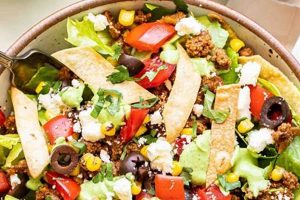
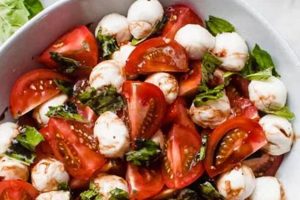
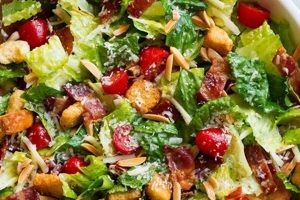
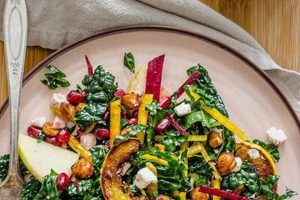
A dish featuring cooked quinoa as the base, combined with a variety of fresh or cooked vegetables and often other components such as herbs, nuts, seeds, or a flavorful dressing. A simple example might include cooked quinoa, chopped cucumber, bell pepper, red onion, cherry tomatoes, and a lemon-herb vinaigrette. More complex versions might incorporate roasted sweet potatoes, black beans, corn, avocado, and a tahini dressing.
Such dishes offer a nutritious and versatile meal option. Quinoa provides complete protein and essential nutrients, while the inclusion of vegetables contributes vitamins, minerals, and fiber. This combination promotes satiety, supports digestive health, and can contribute to overall well-being. The adaptability of these salads to diverse ingredients and flavor profiles makes them suitable for various dietary needs and preferences, from vegan and gluten-free to specific cultural cuisines.
The following sections will explore specific ingredient choices, preparation methods, dressing options, and variations to create delicious and healthful meals centered around this versatile grain and vegetable combination.
Tips for Creating Delicious Quinoa Veggie Salads
Careful selection and preparation of ingredients elevate a simple quinoa and vegetable salad into a flavorful and satisfying meal. The following tips offer guidance for achieving optimal results.
Tip 1: Rinse the quinoa. Rinsing quinoa under cold water before cooking removes its natural coating of saponins, which can impart a bitter flavor. This step is crucial for a more palatable final product.
Tip 2: Properly cook the quinoa. Use a 2:1 ratio of water to quinoa. Bring the water to a boil, add the quinoa, reduce heat, cover, and simmer for 15-20 minutes, or until all the water is absorbed and the quinoa is cooked through. Fluffing with a fork after cooking ensures a light and airy texture.
Tip 3: Embrace variety in vegetable selection. Diverse textures and colors contribute to both visual appeal and nutritional value. Consider incorporating roasted vegetables like sweet potatoes or Brussels sprouts alongside raw options such as cucumber and bell peppers.
Tip 4: Enhance flavor with fresh herbs. Parsley, cilantro, mint, or dill can add brightness and complexity. Chopped herbs can be mixed into the salad or used as a garnish.
Tip 5: Boost nutritional value with add-ins. Nuts, seeds, dried fruits, or legumes offer additional protein, healthy fats, and fiber. Toasted nuts and seeds provide a satisfying crunch.
Tip 6: Don’t underestimate the dressing. A well-balanced dressing complements the flavors of the quinoa and vegetables. Experiment with vinaigrettes, tahini-based dressings, or even a simple lemon-herb dressing.
Tip 7: Consider seasonal ingredients. Utilizing seasonal produce ensures optimal flavor and freshness. This also provides opportunities for varied and exciting salad combinations throughout the year.
By following these tips, one can consistently create flavorful, nutritious, and visually appealing quinoa veggie salads. Attention to detail in ingredient selection, preparation, and dressing elevates this simple dish to a culinary highlight.
These guidelines provide a strong foundation for creating delicious quinoa salads. Further exploration of specific recipes and variations will expand culinary horizons.
1. Ingredient Quality
Ingredient quality significantly impacts the overall success of a quinoa veggie salad. Fresh, ripe produce offers optimal flavor and nutritional value. Using high-quality quinoa, preferably rinsed before cooking, minimizes bitterness and ensures a pleasant, nutty taste. Selecting in-season vegetables maximizes flavor intensity and often results in a more vibrant and appealing salad. For example, using ripe, juicy tomatoes in the summer versus bland, out-of-season tomatoes in the winter noticeably affects the salad’s taste. Similarly, opting for fresh herbs over dried counterparts elevates the overall flavor profile, providing a brighter, more nuanced taste experience. The quality of other additions, such as nuts, seeds, and cheeses, also contributes to the final result. Rancid nuts or stale cheese can detract from the overall enjoyment, while fresh, high-quality additions enhance the salad’s complexity and appeal.
The impact of ingredient quality extends beyond flavor. Fresh, properly stored produce retains more nutrients, contributing to a healthier meal. Furthermore, high-quality ingredients often require less manipulation, allowing their natural flavors to shine through. A ripe avocado, for instance, needs little more than a sprinkle of salt and pepper, while a less ripe one might require additional seasoning or flavor enhancements to compensate. Prioritizing ingredient quality simplifies the cooking process and allows for a more natural and flavorful outcome. This principle applies to all components, from the quinoa itself to the chosen vegetables, herbs, and dressings. Investing in quality ensures a more satisfying and nutritious culinary experience.
In conclusion, ingredient quality plays a crucial role in determining the flavor, nutritional value, and overall enjoyment of a quinoa veggie salad. Selecting fresh, in-season produce, high-quality quinoa, and other complementary ingredients maximizes the dish’s potential. Recognizing the direct relationship between ingredient quality and the final product empowers individuals to create truly exceptional and healthful meals.
2. Flavor Balance
Flavor balance is paramount in a successful quinoa veggie salad recipe. It transforms a simple combination of ingredients into a harmonious and enjoyable culinary experience. A well-balanced salad engages the palate with a complexity of flavors that complement and enhance each other, rather than competing for dominance. This balance relies on a careful consideration of contrasting and complementary tastes, ensuring no single flavor overwhelms the others.
- Sweet and Savory
The interplay of sweet and savory elements provides depth and complexity. The inherent nuttiness of quinoa can be balanced by the sweetness of roasted vegetables like sweet potatoes or butternut squash. Dried cranberries or raisins can further enhance the sweetness, while savory components like feta cheese or toasted nuts provide contrast. This balance prevents the salad from becoming overly sweet or bland.
- Acidity and Earthiness
The earthy notes of quinoa and certain vegetables, such as beets or mushrooms, benefit from a touch of acidity. A vinaigrette with lemon juice or vinegar provides brightness and cuts through the earthiness, creating a more refreshing and balanced flavor profile. This acidity also helps to preserve the vibrant colors of the vegetables.
- Spice and Coolness
Adding a hint of spice can elevate a quinoa veggie salad. A pinch of red pepper flakes or a diced jalapeo adds a kick, while cooling elements like cucumber or yogurt-based dressings provide balance. This interplay of contrasting sensations adds another layer of complexity and prevents the spice from becoming overpowering.
- Texture and Flavor Enhancement
Textural variety contributes to flavor balance. Toasted nuts or seeds provide a satisfying crunch that contrasts with the soft quinoa and tender vegetables. The addition of creamy elements, such as avocado or a soft cheese, further enhances the textural complexity and contributes to the overall flavor experience. This interplay of textures makes each bite more interesting and satisfying.
By thoughtfully incorporating these elements of flavor balance, a quinoa veggie salad transcends a basic dish and becomes a nuanced culinary creation. The careful consideration of contrasting and complementary tastes, combined with attention to textural variety, elevates the salad from simple sustenance to a truly enjoyable and satisfying meal.
3. Textural Variety

Textural variety is a crucial element in a successful quinoa veggie salad recipe, elevating it from a simple dish to a more engaging culinary experience. A variety of textures adds complexity and interest, making each bite more satisfying. The interplay of different textures creates a dynamic sensory experience, enhancing the overall enjoyment of the salad.
- Crunchy Elements
Crunchy elements provide a satisfying contrast to the soft quinoa and other potentially softer ingredients. Examples include toasted nuts (almonds, walnuts, pecans), seeds (pumpkin, sunflower, sesame), raw vegetables (carrots, celery, bell peppers), or croutons. These additions contribute a pleasant textural disruption, preventing the salad from becoming monotonous.
- Soft and Tender Components
Soft and tender components, such as cooked quinoa, roasted vegetables (sweet potatoes, zucchini), or steamed greens (spinach, kale), provide a foundation of smoothness. These elements complement the crunchy additions, creating a balanced textural profile. Avocado also contributes a creamy, soft texture, further enhancing the variety.
- Chewy Textures
Chewy textures add another dimension to the salad. Dried fruits (cranberries, raisins, apricots) or cooked beans (black beans, chickpeas) offer a pleasant chewiness that contrasts with both crunchy and soft elements. This interplay of textures adds depth and complexity to each bite.
- Creamy Additions
Creamy additions, such as crumbled feta cheese, goat cheese, or a dollop of hummus, contribute richness and a smooth mouthfeel. These elements bind the other ingredients together and add a luxurious touch to the salad. A creamy avocado dressing can also contribute to this textural element.
The strategic combination of these different textural elements creates a well-rounded and satisfying quinoa veggie salad. A balance of crunchy, soft, chewy, and creamy components ensures a dynamic and enjoyable eating experience. The interplay of textures enhances the overall flavor profile and makes the salad more appealing and memorable.
4. Dressing Choice

Dressing choice significantly influences the overall flavor profile and enjoyment of a quinoa veggie salad. The dressing acts as a unifying element, bringing together the diverse flavors of the quinoa and vegetables. A well-chosen dressing complements the existing flavors without overpowering them, creating a harmonious and balanced taste experience. Conversely, an ill-suited dressing can mask the delicate flavors of the ingredients or create an unbalanced, jarring taste. The impact of dressing choice is akin to selecting the right wine pairing for a meal; it can either elevate the dining experience or detract from it.
Several factors contribute to selecting an appropriate dressing. The inherent flavors of the chosen vegetables and any additional ingredients, such as nuts, seeds, or dried fruits, must be considered. A light and bright vinaigrette, for instance, complements a salad with fresh, delicate vegetables like cucumbers and tomatoes. A richer, creamier dressing, perhaps tahini-based, might better suit a salad with roasted root vegetables or heartier greens. Consider a lemon-herb vinaigrette with a Mediterranean-inspired quinoa salad containing olives, feta, and cucumbers. In contrast, a peanut dressing would complement an Asian-inspired salad with edamame, carrots, and red bell peppers. These examples illustrate how dressing choice should harmonize with the salad’s overall flavor profile. The intensity of the dressing also plays a role; a robustly flavored dressing can overpower delicate ingredients, while a bland dressing might fail to enhance the overall flavor.
Understanding the impact of dressing choice empowers informed culinary decisions. It enables the creation of quinoa veggie salads that are not merely nutritious but also delicious and satisfying. Careful consideration of flavor profiles, ingredient combinations, and dressing characteristics ensures a harmonious and enjoyable culinary experience. The dressing should enhance, not dominate, the other components, creating a balanced and flavorful final product. Ultimately, selecting the right dressing transforms a simple quinoa veggie salad into a carefully crafted culinary creation.
5. Preparation Method

Preparation methods significantly influence the final outcome of a quinoa veggie salad recipe. Different techniques applied to individual components affect not only the texture but also the overall flavor profile of the dish. Understanding these methods allows for informed choices regarding ingredient preparation and contributes to a more nuanced and enjoyable culinary experience.
- Quinoa Cooking Technique
Proper quinoa cooking is fundamental. Rinsing removes saponins, which can impart bitterness. The correct water-to-quinoa ratio (typically 2:1) and cooking time ensure a light, fluffy texture, avoiding a mushy or crunchy result. Overcooked quinoa becomes sticky, while undercooked quinoa remains unpleasantly firm. The cooking method impacts the quinoa’s ability to absorb flavors from the dressing and other ingredients.
- Vegetable Preparation
Vegetable preparation techniques dramatically alter the salad’s textural and flavor complexity. Raw vegetables offer crispness and brightness, while roasting intensifies sweetness and adds depth. Grilling imparts a smoky char, and sauting creates a tender texture. Consider a salad with raw cucumber and bell peppers for a refreshing crunch, contrasted by roasted sweet potatoes for a caramelized sweetness. These variations demonstrate the versatility and impact of different preparation techniques.
- Ingredient Order of Addition
The order in which ingredients are combined impacts the final dish. Delicate greens, for instance, should be added just before serving to prevent wilting. Heartier vegetables can be mixed with the quinoa earlier. Adding the dressing at the right time prevents the salad from becoming soggy. Understanding these nuances allows for optimal texture and flavor preservation.
- Dressing Emulsification and Incorporation
Proper emulsification of the dressing, if applicable, ensures a smooth and evenly distributed coating. Whisking or blending combines oil and acid effectively, preventing separation and creating a cohesive texture. The method of incorporating the dressingtossing gently or marinatinginfluences the flavor penetration and overall salad consistency.
Each preparation method contributes distinct characteristics to the final quinoa veggie salad. The interplay of these techniquesfrom quinoa cooking to vegetable preparation and dressing incorporationdetermines the overall sensory experience. A thorough understanding of these methods enables the creation of a well-balanced, flavorful, and texturally diverse salad, transforming a simple dish into a culinary accomplishment.
Frequently Asked Questions
This section addresses common inquiries regarding quinoa veggie salad preparation and provides concise, informative responses.
Question 1: How can bitterness in quinoa be avoided?
Rinsing quinoa thoroughly under cold water before cooking removes saponins, the naturally occurring compounds responsible for bitterness. This simple step significantly improves palatability.
Question 2: What is the ideal water-to-quinoa ratio for cooking?
A 2:1 water-to-quinoa ratio is generally recommended. This proportion ensures proper cooking while preventing a mushy or sticky texture.
Question 3: How can one prevent a quinoa veggie salad from becoming soggy?
Adding the dressing just before serving prevents the salad from becoming soggy. Storing the quinoa, vegetables, and dressing separately until serving time also helps maintain optimal texture.
Question 4: What are suitable protein additions to enhance the nutritional value?
Legumes (black beans, chickpeas), nuts (almonds, walnuts), seeds (pumpkin, sunflower), or crumbled cheese (feta, goat) provide additional protein and complement the flavors of quinoa and vegetables.
Question 5: How can vegetable variety be maximized in these salads?
Incorporating a range of colors and textures maximizes nutritional value and visual appeal. Combine leafy greens, roasted root vegetables, raw chopped vegetables, and even fermented options like kimchi or sauerkraut.
Question 6: How long can a quinoa veggie salad be stored?
Properly stored in an airtight container in the refrigerator, a quinoa veggie salad can typically last for 3-5 days without significant loss of quality. Keeping the dressing separate extends shelf life.
These responses offer practical guidance for creating flavorful and well-balanced quinoa veggie salads. Attention to these details ensures an enjoyable and nutritious culinary experience.
The following sections delve deeper into specific recipe variations, offering further inspiration for culinary exploration.
Conclusion
Exploration of quinoa veggie salad recipes reveals a versatile culinary canvas. Emphasis on ingredient quality, flavor balance, textural variety, dressing selection, and preparation methods underscores the potential for creating nutritious and flavorful meals. From the nutty base of quinoa to the vibrant array of vegetables, the possibilities are vast. Careful consideration of these elements elevates a simple salad into a sophisticated and satisfying dish. Understanding the interplay of flavors and textures empowers culinary creativity and promotes healthful eating habits.
Quinoa veggie salad recipes offer a pathway to balanced nutrition and culinary exploration. The adaptability of this dish accommodates diverse dietary preferences and ingredient availability. Continued experimentation with flavor combinations and preparation techniques promises further culinary discoveries and reinforces the importance of fresh, wholesome ingredients in creating satisfying and healthful meals.