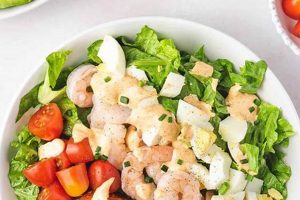
Dinner meals centered around composed salads offer a versatile and nutritious alternative to traditional heavier fare. These meals often incorporate a substantial base of leafy greens or other vegetables, combined with protein sources such as grilled chicken, fish, beans, lentils, tofu, or nuts. A variety of toppings and dressings enhance flavor and texture, creating balanced and satisfying plates. For example, a grilled salmon salad might include mixed greens, roasted vegetables like bell peppers and zucchini, cucumber, avocado, and a lemon-herb vinaigrette.
Such meal structures offer several advantages. They are often lower in calories and saturated fat than meals built around pasta, rice, or meat. The emphasis on fresh produce increases dietary fiber and micronutrient intake, contributing to overall health. Furthermore, the flexibility of ingredient combinations allows for endless customization to accommodate dietary restrictions, preferences, and seasonal availability. While salads have historically been viewed as a side dish or starter, their emergence as the main course reflects a growing appreciation for lighter, health-conscious cuisine.
This exploration will delve into the creation of balanced and flavorful dinner salads, covering topics such as selecting appropriate ingredients, building flavor profiles, achieving textural variety, and constructing dressings that complement the other components.
Tips for Crafting Satisfying Dinner Salads
Creating a salad substantial enough for a complete meal requires thoughtful planning and execution. These tips offer guidance on constructing flavorful, balanced, and visually appealing dinner salads.
Tip 1: Prioritize Protein: Ample protein ensures satiety. Consider grilled chicken or fish, tofu, tempeh, beans, lentils, hard-boiled eggs, or nuts.
Tip 2: Embrace Whole Grains: Incorporating whole grains like quinoa, farro, or freekeh adds further nutritional value and a satisfying chewiness.
Tip 3: Don’t Neglect Healthy Fats: Avocado, nuts, seeds, and olive oil contribute healthy fats, essential for nutrient absorption and satiety. These ingredients also enhance flavor and texture.
Tip 4: Vary Textures: Combine crunchy elements (nuts, seeds, croutons, raw vegetables) with softer components (roasted vegetables, cooked grains, cheese) for a more engaging culinary experience.
Tip 5: Maximize Flavor: Explore diverse flavor profiles by incorporating herbs, spices, citrus zest, or a flavorful vinaigrette. Consider roasting vegetables to deepen their flavor.
Tip 6: Dress Strategically: The dressing should complement, not overpower, the salad’s other components. Toss the salad with the dressing just before serving to prevent the greens from wilting.
Tip 7: Seasonal Produce is Key: Utilize fresh, seasonal produce for optimal flavor and nutritional value. Farmers’ markets offer excellent sources of in-season ingredients.
By following these guidelines, one can create delicious and nutritious salads suitable as a satisfying and complete evening meal. These salads offer a welcome alternative to heavier fare, contributing to a balanced and healthful diet.
These tips provide a foundation for creating a variety of delicious and healthful dinner salads. The following section will explore specific recipe ideas and variations.
1. Nutritious
Nutritional value stands as a cornerstone of dinner salads designed as main courses. The focus on fresh, whole ingredients allows these meals to contribute significantly to a balanced and healthful diet. Understanding the nutritional components within these salads allows for informed choices that maximize health benefits.
- Micronutrient Density
Salads readily incorporate a wide array of vegetables, fruits, and herbs, each contributing essential vitamins and minerals. Dark leafy greens, such as spinach and kale, offer vitamins A, C, and K, while colorful bell peppers provide vitamin C and antioxidants. Including a variety of produce ensures a diverse micronutrient profile, supporting overall well-being.
- Fiber Content
The abundance of vegetables, fruits, and optional additions like whole grains contributes significant dietary fiber. Fiber supports digestive health, promotes satiety, and can help regulate blood sugar levels. Incorporating ingredients like legumes, nuts, and seeds further enhances the fiber content of the meal.
- Healthy Fats
Incorporating sources of healthy fats is crucial for nutrient absorption and overall health. Avocados, nuts, seeds, and olive oil provide monounsaturated and polyunsaturated fats, which offer various health benefits, including supporting heart health and reducing inflammation. These fats also enhance flavor and contribute to satiety.
- Lean Protein Sources
Dinner salads often feature lean protein sources, vital for building and repairing tissues and maintaining a healthy metabolism. Grilled chicken or fish, tofu, beans, lentils, and eggs are excellent options. Choosing lean protein sources minimizes saturated fat intake while ensuring adequate protein consumption.
The combination of micronutrient density, fiber content, healthy fats, and lean protein makes these salads nutritionally robust meals. By strategically selecting ingredients, individuals can tailor their salads to meet specific dietary needs and preferences while enjoying a flavorful and health-promoting meal.
2. Flavorful

Flavor plays a pivotal role in transforming a simple salad into a desirable dinner option. A well-composed dinner salad transcends basic nutrition by engaging the palate and offering a satisfying sensory experience. The strategic combination of ingredients and techniques allows for the creation of complex and enticing flavor profiles.
- Balancing Taste Profiles
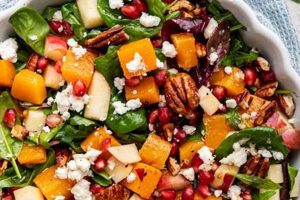
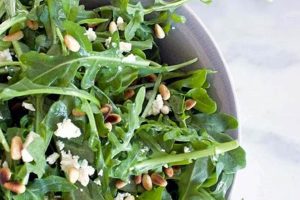
A flavorful salad achieves a harmonious balance of sweet, sour, salty, bitter, and umami tastes. This balance prevents any single flavor from dominating and creates a more nuanced and enjoyable experience. For instance, the sweetness of roasted butternut squash can be balanced by the peppery bite of arugula and the salty tang of feta cheese.
- Incorporating Herbs and Spices
Fresh herbs and spices add depth and complexity to salads. A simple sprinkle of chopped dill can brighten a cucumber and tomato salad, while a blend of cumin and coriander can enhance a chickpea and roasted vegetable salad. Experimenting with different herb and spice combinations allows for diverse flavor explorations.
- The Role of Acidity
Acidity plays a crucial role in balancing richness and enhancing flavors. Vinegars, citrus juices, and acidic fruits like pomegranate seeds provide brightness and cut through the fattiness of ingredients like cheese or avocado. The right level of acidity can elevate a salad from bland to vibrant.
- Flavorful Dressings
Dressings contribute significantly to the overall flavor profile. A simple vinaigrette made with olive oil, vinegar, and herbs can complement delicate greens, while a creamy dressing based on tahini or yogurt can enhance a salad with roasted vegetables and grains. The dressing should complement, not mask, the flavors of the other ingredients.
By thoughtfully combining ingredients and employing these flavor-enhancing techniques, dinner salads can become exciting and satisfying meals. A flavorful salad is more likely to be enjoyed and repeated, contributing to a sustainable and pleasurable healthy eating pattern.
3. Substantial

The concept of “substantial” is critical when considering salads as a main course for dinner. A substantial salad provides sufficient calories, macronutrients, and volume to satisfy hunger and offer sustained energy. This characteristic distinguishes a dinner salad from a lighter side salad or appetizer. Building a truly substantial salad requires careful attention to ingredient selection and composition.
- Adequate Protein
Protein plays a key role in satiety and provides the building blocks for muscle repair and growth. Substantial salads incorporate a generous portion of protein. Examples include grilled chicken or fish, tofu, tempeh, beans, lentils, hard-boiled eggs, or a combination thereof. The chosen protein should complement the other salad ingredients and contribute to the overall flavor profile.
- Incorporation of Healthy Fats
Healthy fats contribute to satiety and aid in the absorption of fat-soluble vitamins. Avocados, nuts, seeds, and olive oil are excellent sources of healthy fats in substantial salads. These ingredients also add flavor and textural complexity to the meal. The amount and type of fat should be considered in relation to the overall caloric and nutritional goals.
- Inclusion of Complex Carbohydrates
Complex carbohydrates provide sustained energy and contribute to the overall volume of the salad. Whole grains like quinoa, farro, or freekeh are excellent choices. Starchy vegetables such as roasted sweet potatoes or butternut squash can also contribute complex carbohydrates. These ingredients offer additional fiber and micronutrients, further enhancing the nutritional value of the salad.
- Textural Variety
A substantial salad engages not only the palate but also the sense of touch. A variety of textures makes the eating experience more interesting and satisfying. Crunchy elements like raw vegetables, nuts, and seeds can be combined with softer elements like roasted vegetables, cooked grains, or cheese. This interplay of textures adds another dimension to the substantial nature of the salad.
By incorporating adequate protein, healthy fats, complex carbohydrates, and a variety of textures, a salad can transition from a light accompaniment to a substantial and satisfying main course. This approach allows individuals to enjoy the health benefits of a salad-based meal without sacrificing satiety or flavor. A well-constructed substantial salad offers a complete and nourishing dinner option.
4. Versatile Ingredients
Ingredient versatility is a defining characteristic of dinner salads, enabling adaptability to individual dietary needs, preferences, and seasonal availability. This adaptability expands the potential of salads as a recurring meal option, reducing mealtime monotony. The ability to swap components based on preference, dietary restrictions, or what’s readily available in the refrigerator or at the market contributes significantly to the long-term sustainability of salad-centric meal planning. For example, a recipe calling for grilled chicken can be easily modified to use chickpeas for a vegetarian version, or halloumi for a different flavor profile. Similarly, seasonal vegetables can be readily interchanged; asparagus in spring can give way to zucchini in summer and roasted squash in the fall. This adaptability ensures ongoing enjoyment and prevents reliance on rigid meal structures.
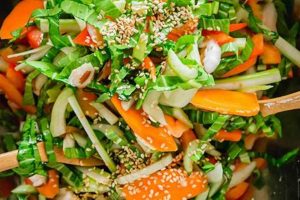
The versatility inherent in salad construction also facilitates creative exploration and culinary experimentation. Different cuisines can inspire ingredient combinations and flavor profiles. A Thai-inspired salad might feature shredded carrots, chopped peanuts, cilantro, and a lime-ginger dressing, while a Mediterranean salad might include olives, feta cheese, cucumbers, tomatoes, and a lemon-herb vinaigrette. This adaptability allows individuals to explore global flavors within the framework of a healthy and convenient meal format. Furthermore, ingredient versatility encourages the use of seasonal produce, promoting both freshness and variety. A spring salad might highlight fresh peas and asparagus, while a summer salad could showcase ripe tomatoes and cucumbers.
In conclusion, the adaptability offered by versatile ingredients solidifies the role of salads as a practical and sustainable choice for dinner meals. This characteristic not only accommodates individual needs and preferences but also fosters culinary creativity and encourages the consumption of fresh, seasonal produce. The ability to effortlessly modify recipes based on available resources reduces food waste and enhances the appeal of salads as a regular feature in a balanced and varied dietary pattern. By embracing this versatility, individuals can enjoy nutritious, flavorful, and personalized salads tailored to their specific circumstances and culinary aspirations.
5. Balanced Compositions

Balanced compositions are essential for creating satisfying and nutritious dinner salads. Balance refers to the careful consideration of several key elements: macronutrient distribution, flavor profiles, and textural variety. A well-balanced salad offers a complete meal, providing sustained energy and satiety. Neglecting balance can result in a salad that is either unsatisfying, overly rich, or nutritionally incomplete. For example, a salad consisting solely of lettuce and vegetables, while low in calories, lacks sufficient protein and healthy fats to constitute a fulfilling dinner. Conversely, a salad overloaded with cheese and fried toppings might be flavorful but lacks essential nutrients and could be excessively high in unhealthy fats.
Achieving balance requires intentional ingredient selection. A balanced salad typically incorporates a source of lean protein, such as grilled chicken, fish, beans, lentils, or tofu. Healthy fats from sources like avocados, nuts, or seeds are also crucial. These elements contribute not only to nutritional value but also to flavor and satiety. Complex carbohydrates in the form of whole grains like quinoa or farro add further nutritional value and textural interest. A variety of colorful vegetables and fruits contribute essential vitamins, minerals, and antioxidants. An example of a balanced composition might include grilled salmon, quinoa, roasted broccoli, sliced avocado, and a lemon-herb vinaigrette. The salmon provides protein, the quinoa offers complex carbohydrates, the avocado contributes healthy fats, and the broccoli adds vitamins and minerals. The vinaigrette enhances flavor and ties the components together.
Understanding the principles of balanced composition empowers individuals to create flavorful, nutritious, and satisfying salads suitable for dinner. These principles extend beyond simply including a variety of ingredients. They involve considering the interplay of flavors, textures, and nutritional values to craft a cohesive and enjoyable meal. A balanced salad is more than the sum of its parts; it represents a carefully constructed combination of elements that contribute to both immediate enjoyment and long-term well-being. This approach transforms the perception of salads from simple side dishes to viable and desirable main courses, expanding the range of healthy and appealing dinner options.
6. Creative Dressings

Creative dressings are essential for elevating dinner salads beyond basic sustenance, transforming them into culinary experiences. The dressing acts as a unifying element, tying together diverse ingredients and enhancing their individual flavors. While a simple vinaigrette can be effective, exploring creative dressing options significantly expands the potential of salads as a versatile and exciting meal choice. A thoughtfully crafted dressing can balance flavors, introduce new taste dimensions, and contribute to the overall sensory appeal of the dish.
- Flavor Profiles Beyond the Ordinary
Moving beyond standard vinaigrettes opens up a world of flavor possibilities. Dressings can be inspired by global cuisines, incorporating ingredients like tahini, miso, gochujang, or various herbs and spices. A creamy avocado dressing can lend richness and a vibrant green hue, while a spicy peanut dressing can add a kick to Asian-inspired salads. These creative flavor combinations transform salads into dynamic and engaging dishes.
- Texture and Mouthfeel
Dressings contribute significantly to the textural experience of a salad. A creamy dressing adds a luxurious mouthfeel, while a vinaigrette provides a light and tangy counterpoint to crisp vegetables. Dressings can also incorporate textural elements, such as toasted nuts, seeds, or crumbled cheese, further enhancing the sensory experience. The interplay of textures creates a more dynamic and enjoyable meal.
- Balancing and Complementing Ingredients
A well-crafted dressing balances the flavors of the salad components. For example, a sweet and tangy dressing can balance the bitterness of kale or the earthiness of roasted root vegetables. A creamy dressing can complement the richness of grilled fish or the heartiness of beans. Understanding the interplay of flavors allows for the creation of harmonious and well-rounded salads.
- Visual Appeal
Dressings contribute not only to flavor and texture but also to the visual presentation of a salad. A vibrant green goddess dressing or a deep red raspberry vinaigrette can enhance the colors of the other ingredients, making the salad more visually appealing. The dressing should complement the overall aesthetic of the dish, adding to its visual appeal and making it more enticing.
Creative dressings are therefore integral to the success of dinner salads. By thoughtfully considering flavor profiles, textures, and the interplay of ingredients, one can elevate a simple salad to a sophisticated and satisfying main course. The dressing is not merely a condiment; it is a crucial component that contributes to the overall balance, flavor, and enjoyment of the meal. This attention to detail transforms the perception of salad from a basic dish to a culinary creation, demonstrating the potential of this versatile meal format.
Frequently Asked Questions
Addressing common inquiries regarding dinner salads provides clarity and facilitates informed meal planning. These responses aim to dispel misconceptions and offer practical guidance for incorporating salads as satisfying main courses.
Question 1: Can salads truly be substantial enough for dinner?
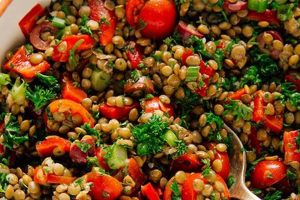
Absolutely. Salads achieve substantial status through the inclusion of adequate protein (grilled chicken, fish, beans, lentils, tofu), healthy fats (avocado, nuts, seeds), and complex carbohydrates (quinoa, farro). These components provide sustained energy and satiety.
Question 2: How can one prevent dinner salads from becoming monotonous?
The versatility of salads allows for endless variations. Rotating greens, incorporating seasonal vegetables, experimenting with different protein sources, and exploring diverse dressings prevent monotony and ensure ongoing enjoyment.
Question 3: Are dinner salads suitable for individuals with dietary restrictions?
Salads readily adapt to various dietary needs. Gluten-free, vegetarian, vegan, and other dietary restrictions can be easily accommodated through careful ingredient selection.
Question 4: What strategies can be employed to make salads more flavorful?
Flavor enhancement can be achieved through several methods: incorporating fresh herbs and spices, utilizing flavorful dressings, roasting vegetables to deepen their taste, and balancing taste profiles (sweet, sour, salty, bitter, umami).
Question 5: How much time is typically required to prepare a dinner salad?
Preparation time varies depending on complexity. Many dinner salads can be assembled in under 30 minutes, making them a convenient weeknight meal option. Prepping ingredients like chopping vegetables or cooking grains in advance further reduces preparation time.
Question 6: Are there cost-effective approaches to creating dinner salads?
Utilizing seasonal produce, buying in bulk when appropriate, and focusing on less expensive protein sources, such as beans and lentils, contribute to cost-effectiveness.
These responses provide a foundation for incorporating satisfying and nutritious salads into regular meal planning. Understanding the principles of balance, flavor, and versatility empowers individuals to create enjoyable and health-promoting dinner salads tailored to individual needs and preferences.
This concludes the frequently asked questions section. The following segment will offer specific recipe examples showcasing the versatility and deliciousness of dinner salads.
Conclusion
This exploration has highlighted the multifaceted nature of salads as a foundation for dinner meals. Emphasis has been placed on constructing meals that are not only nutritious but also flavorful, substantial, and visually appealing. Key considerations include incorporating adequate protein, healthy fats, and complex carbohydrates, alongside a variety of fresh produce. The strategic use of herbs, spices, and creative dressings elevates salads from simple side dishes to satisfying and sophisticated main courses. The adaptability inherent in salad construction allows for effortless customization based on dietary needs, preferences, and seasonal ingredient availability.
Meal planning centered around salads offers a pathway to a healthier and more sustainable dietary pattern. The versatility of this meal format allows for continuous exploration of flavors and textures, mitigating mealtime monotony. By embracing the principles outlined herein, individuals can unlock the full potential of salads as a foundation for healthful and enjoyable dinners. This approach fosters a more positive and proactive relationship with food, promoting both culinary satisfaction and overall well-being.