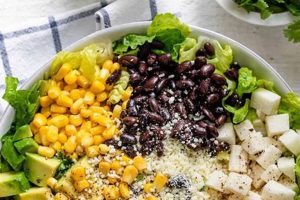
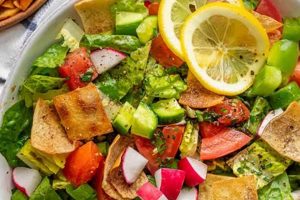
A dish featuring peas as the primary ingredient, characterized by a crisp texture derived from fresh, ideally snap peas, or other crisp vegetables like celery or water chestnuts, and often including complementary elements such as onions, herbs, and a flavorful dressing. Variations can incorporate different types of peas (snow peas, English peas), protein (bacon, ham, cheese), and diverse dressings (vinaigrettes, creamy-based). An example might include fresh snap peas, crumbled bacon, red onion, cheddar cheese, and a creamy ranch dressing.
This type of salad offers a refreshing and satisfying combination of flavors and textures, making it suitable for various occasions, from casual lunches to potlucks and summer barbecues. Its nutritional value, particularly when using fresh ingredients, contributes to its appeal. Historically, pea salads have evolved from simple preparations with shelled peas to more complex combinations incorporating diverse ingredients and dressings, reflecting evolving culinary preferences and access to wider varieties of produce.
Further exploration of this culinary topic will cover ingredient selection, preparation techniques, dressing options, and variations suitable for different dietary needs and preferences. The versatility of this dish allows for creative adaptations, providing opportunities to customize flavors and textures to suit individual tastes.
Tips for a Successful Pea Salad
Achieving optimal flavor and texture requires attention to key elements, from ingredient selection to preparation techniques.
Tip 1: Pea Selection: Opt for fresh, crisp peas, such as snap peas or snow peas, for optimal crunch. Frozen peas can be used, but ensure they are thawed and drained thoroughly to prevent excess water in the salad.
Tip 2: Enhancing Crispness: An ice bath can further enhance the crispness of vegetables. Briefly submerge the peas and other vegetables in ice water after blanching or chopping.
Tip 3: Balancing Flavors: Consider incorporating contrasting flavors and textures. The sweetness of peas can be balanced by the sharpness of red onion or the saltiness of bacon or feta cheese.
Tip 4: Dressing Considerations: The dressing should complement the other ingredients without overpowering them. A light vinaigrette is ideal for highlighting the fresh flavors of the vegetables, while a creamy dressing can add richness.
Tip 5: Timing is Key: To prevent the salad from becoming soggy, dress it just before serving. This preserves the crispness of the vegetables and maintains the desired texture.
Tip 6: Ingredient Proportions: Balance the ratios of ingredients carefully. Too many peas can make the salad monotonous, while an excess of other components might dilute the fresh pea flavor.
Tip 7: Creative Additions: Explore variations by incorporating other vegetables, such as chopped celery, bell peppers, or water chestnuts, to add further textural complexity.
By following these guidelines, one can create a pea salad that is both flavorful and visually appealing, highlighting the fresh, crisp qualities of the peas and complementary ingredients.
These tips offer a pathway to creating a delightful and refreshing pea salad suited to a variety of occasions. Experimentation with different ingredients and dressings is encouraged to discover personalized variations.
1. Fresh Peas

Fresh peas play a crucial role in achieving the desired texture and flavor profile of a crunchy pea salad. The inherent sweetness and crispness of fresh peas, particularly snap peas or snow peas, establish the foundation of the salad’s character. Using frozen peas, while permissible, necessitates careful thawing and draining to minimize excess water, which can compromise the salad’s textural integrity. The difference between using fresh versus frozen peas directly impacts the overall sensory experience. A salad made with fresh snap peas offers a vibrant, crisp bite, while one made with frozen peas, even when properly handled, may exhibit a softer, less distinct texture. Recipes relying on the natural sweetness and crunch of fresh peas often incorporate complementary ingredients that enhance rather than mask these qualities. For instance, a salad with fresh snap peas, crumbled feta cheese, and a light vinaigrette allows the pea flavor to shine through.
Fresh peas offer not only textural but also nutritional benefits. They are a good source of vitamins and fiber, contributing to the overall nutritional value of the salad. This nutritional aspect further distinguishes fresh peas from frozen or canned alternatives, which may have undergone processing that alters their nutritional content. The choice of pea variety also influences the salad’s character. Snap peas contribute a satisfying snap, while snow peas offer a delicate sweetness and subtle crunch. This allows for customization based on desired taste and texture preferences. Consider a salad combining snap peas and snow peas to achieve a balanced interplay of textures and flavors.
Prioritizing fresh peas when preparing a crunchy pea salad maximizes both its culinary and nutritional potential. The inherent qualities of fresh peas contribute significantly to the desired textural and flavor complexity. Understanding the impact of using fresh ingredients allows for informed decisions regarding ingredient selection and preparation techniques. This emphasis on fresh ingredients aligns with culinary trends emphasizing natural flavors and whole foods. Successfully integrating fresh peas into recipes requires consideration of their delicate nature and susceptibility to overcooking or waterlogging, underscoring the importance of proper handling and timely assembly.
2. Crisp Vegetables

Crisp vegetables are fundamental to a successful crunchy pea salad recipe. Their textural contribution defines the dish, differentiating it from other pea salad variations. Beyond peas, incorporating a variety of crisp vegetables elevates the salad’s sensory experience. Examples include chopped celery, diced bell peppers, sliced water chestnuts, or shredded carrots. Each vegetable contributes a unique texture and flavor, complementing the sweetness of the peas. The selection of crisp vegetables directly influences the overall complexity and enjoyment of the salad. A combination of snap peas, chopped celery, and diced red onion offers a multi-layered crunch and a vibrant flavor profile.
The structural integrity of crisp vegetables plays a critical role in maintaining the salad’s desirable texture. Limp or soggy vegetables detract from the intended “crunch.” Proper storage and handling techniques are essential to preserving vegetable crispness. Refrigerating vegetables in airtight containers lined with paper towels helps maintain their freshness. An ice bath after chopping can further enhance crispness. Additionally, timing the incorporation of the dressing is crucial. Adding the dressing just before serving prevents the vegetables from becoming waterlogged and losing their crunch. This practical application ensures the salad retains its textural appeal until consumption.
The integration of crisp vegetables represents more than just a textural element; it contributes to the overall culinary balance. The contrast between the sweet peas and other crisp, often slightly bitter or tangy vegetables, creates a dynamic flavor profile. This interplay of flavors and textures distinguishes a truly satisfying crunchy pea salad. Overlooking the importance of crisp vegetables compromises the defining characteristic of this particular salad variation. Understanding the practical significance of selecting, preparing, and incorporating crisp vegetables elevates the final product from a simple side dish to a more complex and enjoyable culinary creation.
3. Flavorful Dressing

Flavorful dressing is an integral component of a crunchy pea salad recipe, contributing significantly to the overall sensory experience. The dressing’s role extends beyond simply adding moisture; it provides a crucial bridge, unifying the diverse flavors and textures of the salad’s components. A well-chosen dressing enhances the inherent sweetness of peas and complements the other crisp vegetables, creating a cohesive and balanced culinary composition.
- Balancing Acidity and Sweetness
Balancing acidity and sweetness is paramount in crafting a dressing that complements a crunchy pea salad. Overly acidic dressings can overwhelm the delicate sweetness of peas, while dressings lacking acidity can result in a bland, one-dimensional flavor profile. A successful dressing achieves a harmonious balance, typically employing ingredients like vinegar or citrus juice to provide a refreshing tartness that offsets the sweetness of the peas and other vegetables. A lemon-dill vinaigrette, for example, offers a bright, citrusy counterpoint to the sweetness of peas, enhancing their flavor without overpowering them. This careful balance ensures that the natural flavors of the salad’s ingredients remain prominent.
- Textural Considerations
The dressing’s texture contributes to the overall mouthfeel of the salad. A light, vinaigrette-style dressing typically complements a crunchy pea salad, allowing the crispness of the vegetables to shine through. Conversely, heavier, creamy dressings, while permissible, risk masking the desired crunch. The choice of dressing texture should align with the intended textural profile of the salad. A light and tangy vinaigrette made with olive oil, lemon juice, and fresh herbs allows the crunch of the peas and other vegetables to take center stage, while a creamy ranch-style dressing, though potentially flavorful, might diminish the textural contrast that defines a crunchy pea salad. Careful consideration of texture ensures the dressing enhances rather than detracts from the salad’s defining characteristic.
- Complementary Flavor Profiles
The dressing’s flavor profile should complement, not compete with, the flavors of the salad’s components. Herbaceous dressings, such as those featuring dill, mint, or parsley, pair well with the sweetness of peas. Dressings incorporating ingredients like bacon or cheese should be balanced to avoid overwhelming the delicate flavors of the vegetables. For example, a honey-mustard dressing offers a nuanced sweetness and tang that complements peas, while a bacon vinaigrette, if not carefully balanced, could dominate the flavor profile. This principle of complementarity ensures a harmonious blend of flavors, allowing each ingredient to contribute to the overall sensory experience.
- Freshness and Quality of Ingredients
The quality of ingredients directly impacts the flavor of the dressing. Fresh herbs, high-quality oils, and freshly squeezed citrus juices elevate the dressing and, consequently, the entire salad. Using fresh ingredients maximizes flavor complexity and avoids the off-notes often associated with processed or stale ingredients. A dressing made with fresh herbs and freshly squeezed lemon juice exhibits a vibrancy and depth of flavor often lacking in dressings made with dried herbs or bottled lemon juice. This emphasis on fresh ingredients demonstrates an attention to detail that elevates the overall culinary experience, showcasing a commitment to quality in every element of the dish. Fresh ingredients also contribute to the perceived brightness and lightness of the dressing, further enhancing the crunchiness of the salad’s components.
The careful selection and preparation of a flavorful dressing elevates a crunchy pea salad from a simple side dish to a more sophisticated culinary creation. The interplay of textures and flavors, orchestrated by the dressing, contributes significantly to the overall enjoyment of the dish. Attention to detail in balancing acidity, considering textural nuances, selecting complementary flavor profiles, and prioritizing fresh ingredients ensures that the dressing enhances the inherent qualities of the salad’s components, creating a harmonious and satisfying culinary experience.
4. Complementary Ingredients

Complementary ingredients are essential for elevating a crunchy pea salad recipe beyond its basic form. These additions contribute not only to flavor complexity but also to textural variety, visual appeal, and overall nutritional value. Strategic ingredient selection transforms the salad from a simple side dish into a more substantial and satisfying culinary creation. The following facets explore the role and impact of complementary ingredients in a crunchy pea salad context.
- Protein Elements
Protein additions introduce a savory dimension, balancing the sweetness of peas and contributing to a more complete and satisfying meal. Options range from crumbled bacon or diced ham for a smoky, salty accent to cubed or shredded cheese for a creamy, tangy counterpoint. Grilled chicken or chickpeas offer leaner protein alternatives. The choice of protein influences the overall flavor profile and nutritional content of the salad. For example, incorporating crispy bacon adds a smoky richness, while grilled chicken provides a lean protein source. These additions enhance satiety and transform the salad into a more substantial dish.
- Textural Contrasts
Textural contrasts create a dynamic eating experience, moving beyond the singular crunch of peas. Toasted nuts or seeds, such as slivered almonds or sunflower seeds, introduce a satisfying chewiness. Croutons or crispy noodles add a contrasting crispness. These elements interplay with the textures of the peas and other vegetables, creating a multi-faceted sensory experience. For instance, the addition of toasted walnuts provides a pleasant contrast to the crispness of snap peas and celery, while croutons offer a different type of crunch, preventing textural monotony.
- Flavor Enhancers
Flavor enhancers broaden the salad’s flavor profile beyond the inherent sweetness of peas. Chopped fresh herbs, such as dill, mint, or chives, introduce aromatic complexity. Red onion or shallots contribute a pungent sharpness. Dried cranberries or chopped apples offer a touch of sweetness and tartness. These additions create a more dynamic and nuanced flavor profile. The brightness of fresh mint complements the sweetness of peas, while the sharpness of red onion provides a counterpoint, preventing the salad from becoming overly sweet.
- Visual Appeal
Visual appeal enhances the overall dining experience. Brightly colored vegetables, like diced red bell pepper or shredded carrots, create visual interest. Edible flowers or a sprinkle of fresh herbs provide a finishing touch. These elements contribute to a more attractive and appetizing presentation, elevating the salad from a simple side dish to a more visually appealing culinary creation. The vibrant red of diced bell peppers contrasts beautifully with the green of peas and other vegetables, creating a more visually engaging dish that is as appealing to the eye as it is to the palate.
The careful selection and integration of complementary ingredients elevate a crunchy pea salad recipe from a simple combination of ingredients to a well-rounded and satisfying dish. By considering the interplay of proteins, textures, flavors, and visual elements, one can create a salad that is not only delicious but also nutritionally balanced and aesthetically pleasing. The strategic use of complementary ingredients distinguishes a thoughtfully composed salad from a basic preparation, demonstrating culinary intention and creativity.
5. Proper Preparation
Proper preparation is paramount to a successful crunchy pea salad recipe. It directly impacts the final dish’s texture, flavor, and overall appeal. Careful attention to preparation techniques ensures the salad retains its intended crispness and highlights the fresh flavors of its components. Overlooking these crucial steps can compromise the desired outcome, resulting in a soggy, less flavorful salad.
- Ingredient Handling
Ingredient handling significantly influences the final product. Washing and drying vegetables thoroughly prevents excess moisture, which can dilute flavors and compromise crispness. Proper storage techniques, such as refrigerating vegetables in airtight containers lined with paper towels, maintain freshness and prevent wilting. Gentle handling minimizes bruising and preserves the structural integrity of delicate ingredients like peas and leafy greens. For example, snap peas should be handled carefully to avoid breaking or bruising, which can lead to premature softening. Careful ingredient handling safeguards the quality and integrity of each component, contributing to the overall success of the salad.
- Timing of Dressing
The timing of dressing application is critical for maintaining the desired texture of a crunchy pea salad. Adding the dressing too early can cause the vegetables to become soggy, compromising the “crunch” that defines this particular salad variation. Dressing the salad immediately before serving ensures the vegetables retain their crispness and the flavors remain vibrant. This practice prevents the dressing from drawing out moisture from the vegetables, preserving their textural integrity. For instance, if a vinaigrette-based dressing is added to the salad hours in advance, the acidic components will soften the vegetables, resulting in a less appealing texture. Therefore, proper timing is crucial for preserving the intended textural contrast and flavor balance.
- Cutting Techniques
Cutting techniques affect both the salad’s aesthetics and its textural profile. Uniformly sized pieces ensure even distribution of flavors and contribute to a visually appealing presentation. Appropriate cutting techniques also maintain the structural integrity of ingredients. For example, slicing vegetables thinly creates delicate pieces that readily absorb flavors from the dressing, while thicker cuts retain more crunch. Crushing or over-chopping can lead to bruising and premature softening. Consider the characteristics of each ingredient when determining the most appropriate cutting technique. Dicing cucumbers and finely slicing red onion creates a visually appealing and texturally diverse salad, enhancing both its aesthetic appeal and its culinary balance.
- Chilling Ingredients
Chilling ingredients, particularly during warmer months, preserves crispness and extends shelf life. Refrigerating vegetables after chopping and before assembly helps maintain their structural integrity. Chilling the prepared salad prior to serving further enhances its refreshing quality. This is especially important for salads containing mayonnaise-based dressings, as chilling helps prevent bacterial growth and maintains food safety. For instance, storing chopped vegetables in airtight containers in the refrigerator for a short period before assembling the salad helps retain their crispness, contributing to a more refreshing and enjoyable culinary experience. This step also helps to maintain the vibrant colors of the vegetables, enhancing the salad’s visual appeal.
Proper preparation techniques are essential for maximizing the quality and appeal of a crunchy pea salad. Careful attention to ingredient handling, timing of dressing application, appropriate cutting techniques, and chilling ingredients ensures the salad retains its intended crispness, vibrant flavors, and visual appeal. These seemingly minor details contribute significantly to the overall dining experience, transforming a simple salad into a refreshing and satisfying culinary creation.
6. Balanced Textures

Balanced textures are essential for a successful crunchy pea salad recipe. The interplay of different textures creates a dynamic and satisfying sensory experience, elevating the salad beyond a simple combination of ingredients. A well-balanced crunchy pea salad features a dominant crispness from the peas and other vegetables, complemented by contrasting textures that add depth and complexity. Understanding the role of texture and implementing techniques to achieve balance are crucial for creating a truly enjoyable and memorable salad.
- Contrasting Crispness
The defining characteristic of a crunchy pea salad is its crispness, primarily derived from fresh peas. However, relying solely on peas for texture can lead to a monotonous eating experience. Incorporating other crisp vegetables, such as chopped celery, diced bell peppers, or sliced water chestnuts, introduces varying degrees and types of crispness. This contrast prevents the texture from becoming one-dimensional and adds complexity to each bite. For example, the snap of a fresh pea contrasts with the more subtle crunch of celery, creating a more dynamic textural profile.
- Soft Elements
While crispness is paramount, incorporating softer elements provides balance and prevents the salad from becoming overly crunchy. Feta cheese, cooked bacon pieces, or avocado chunks introduce creamy or yielding textures that contrast with the crisp vegetables. These softer components create a more nuanced mouthfeel and prevent the salad from feeling too austere. For instance, the creamy texture of feta cheese complements the crunch of snap peas, creating a balanced and more enjoyable eating experience.
- Chewy Components
Adding chewy components introduces another layer of textural complexity. Toasted nuts or seeds, such as slivered almonds, sunflower seeds, or pumpkin seeds, provide a satisfying chewiness that contrasts with both the crisp and soft elements. Dried cranberries or chopped dates offer a different type of chewiness, adding a touch of sweetness as well. These additions further diversify the textural profile, preventing the salad from becoming one-dimensional. The chewiness of toasted almonds contrasts pleasantly with the crispness of snap peas and the creaminess of feta cheese, contributing to a more engaging and satisfying sensory experience.
- Textural Harmony
The ultimate goal is to achieve textural harmony, where each element contributes to a balanced and enjoyable whole. No single texture should dominate; instead, the various textures should complement and enhance one another. Careful consideration of ingredient selection and preparation methods is essential for achieving this balance. Overloading the salad with too many crunchy elements can lead to a dry, monotonous texture, while an excess of soft ingredients can make the salad seem heavy and less refreshing. A well-balanced crunchy pea salad features a harmonious interplay of crisp, soft, and chewy elements, creating a dynamic and satisfying culinary experience.
Balancing textures in a crunchy pea salad is crucial for creating a dish that is not only flavorful but also texturally engaging. The interplay of crispness from fresh peas and other vegetables, contrasted with softer and chewier elements, elevates the salad from a simple side dish to a more complex and satisfying culinary creation. Attention to textural detail enhances the overall dining experience, demonstrating culinary expertise and a commitment to creating a truly exceptional salad.
7. Timely Assembly

Timely assembly is crucial for a crunchy pea salad recipe, directly impacting the final product’s quality and sensory appeal. The delicate balance of textures and flavors, central to this salad’s character, relies heavily on assembling the dish close to serving time. Premature assembly can compromise textural integrity, leading to a less satisfying culinary experience. This section explores the critical aspects of timely assembly and their impact on the overall success of a crunchy pea salad.
- Preservation of Crispness
Maintaining crispness, a defining characteristic of this salad, necessitates timely assembly. Dressings, especially those with acidic components, can soften vegetables over time. Delayed assembly, particularly in warmer environments, accelerates this process, resulting in a soggy, less appealing salad. Assembling the salad just prior to serving safeguards the crispness of peas and other vegetables, ensuring a texturally satisfying experience. This practice preserves the intended contrast between the crisp vegetables and other ingredients, a key element of a successful crunchy pea salad.
- Flavor Integrity
Timely assembly preserves the distinct flavors of individual ingredients. Prolonged exposure to dressings can mute delicate flavors or cause them to meld excessively. Assembling the salad close to serving time allows each component’s flavor to shine through, creating a more nuanced and balanced flavor profile. This practice prevents the dressing from overpowering the subtle sweetness of peas or the delicate flavors of fresh herbs, preserving the intended flavor balance.
- Visual Presentation
Visual appeal contributes significantly to the overall dining experience. Timely assembly maintains the vibrant colors and structural integrity of the salad’s components. Prematurely dressed salads often appear wilted and less appetizing due to the softening of vegetables and the leaching of colors. Assembling the salad just before serving ensures a fresh, vibrant presentation that enhances its visual appeal and complements its fresh flavors and textures. This attention to visual detail elevates the dish from a simple side to a more visually engaging culinary creation.
- Food Safety Considerations
Food safety is paramount, particularly with salads containing mayonnaise-based dressings. Timely assembly minimizes the risk of bacterial growth by limiting the duration of exposure to room temperature. Pre-dressed salads, especially those containing perishable ingredients, should be refrigerated promptly and consumed within a safe timeframe. Adhering to safe food handling practices safeguards against potential foodborne illnesses. This emphasis on food safety demonstrates a responsible approach to culinary preparation, prioritizing the well-being of those consuming the dish.
Timely assembly is not merely a procedural detail but a critical factor in creating a successful crunchy pea salad. It preserves the textural integrity, flavor balance, and visual appeal that define this dish. Prioritizing timely assembly demonstrates a commitment to quality and enhances the overall dining experience, transforming a simple salad into a refreshing, flavorful, and visually appealing culinary creation.
Frequently Asked Questions
This section addresses common inquiries regarding crunchy pea salad recipes, providing concise and informative responses to clarify potential uncertainties and enhance understanding of this culinary topic.
Question 1: Can frozen peas be used in a crunchy pea salad?
While fresh peas are ideal for optimal crunch, frozen peas can be substituted. Thorough thawing and draining are crucial to prevent excess water, which can compromise texture. Frozen peas may exhibit a slightly softer texture compared to fresh peas.
Question 2: How can sogginess be prevented?
Sogginess can be avoided by dressing the salad immediately before serving. This prevents the dressing from drawing out moisture from the vegetables. Thoroughly drying vegetables after washing also helps maintain crispness.
Question 3: What dressings complement a crunchy pea salad?
Light vinaigrettes are generally preferred to complement the fresh flavors and maintain the crisp texture. Creamy dressings, while permissible, can sometimes mask the desired crunch. The dressing’s flavor profile should complement the other ingredients without overpowering them.
Question 4: How long can a crunchy pea salad be stored?
Refrigeration in an airtight container is recommended. Consume within two days for optimal quality. The texture may soften slightly with storage, particularly if dressed.
Question 5: Can other vegetables be added?
Absolutely. Chopped celery, bell peppers, water chestnuts, and shredded carrots can enhance both texture and flavor complexity. Consider the textural and flavor profiles of additional vegetables to ensure they complement the peas.
Question 6: What protein sources pair well with this salad?
Bacon, ham, cheese, grilled chicken, or chickpeas offer complementary protein additions. The chosen protein should complement the other ingredients without overwhelming the delicate flavors of the vegetables.
Understanding these frequently addressed points allows for a more informed approach to recipe selection, ingredient preparation, and overall enjoyment of a crunchy pea salad. Careful consideration of these elements contributes to a successful and satisfying culinary outcome.
The following sections will delve further into specific recipe variations and offer detailed preparation instructions.
Crunchy Pea Salad Recipe
Exploration of crunchy pea salad recipes reveals a dish defined by textural interplay and fresh flavors. Emphasis on fresh peas, complemented by crisp vegetables, forms the foundation. A balanced dressing, chosen to enhance rather than mask inherent flavors, plays a crucial role. Complementary ingredients, from savory proteins to textural contrasts, contribute depth and complexity. Proper preparation, including ingredient handling and timely assembly, preserves the intended crispness and vibrancy. Balanced textures, achieved through a considered combination of crisp, soft, and chewy elements, elevate the sensory experience. Timely assembly ensures optimal flavor and textural integrity, maximizing enjoyment.
Crunchy pea salad recipes offer a versatile canvas for culinary creativity. Adaptability to diverse ingredients and flavor profiles allows for personalized interpretations. Understanding the underlying principles of ingredient selection, preparation techniques, and flavor balancing empowers culinary exploration, transforming a simple side dish into a personalized expression of culinary artistry.