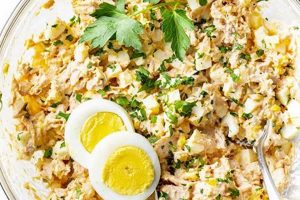
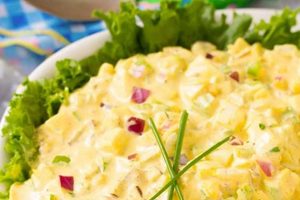
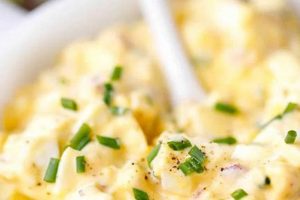
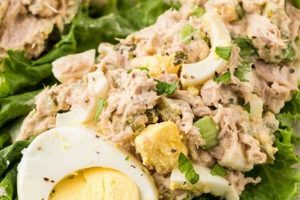
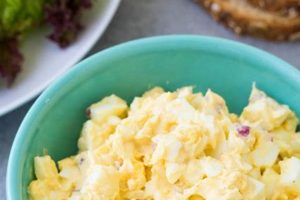
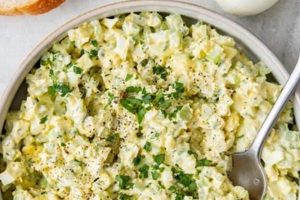
A combination of canned tuna, hard-boiled eggs, and other ingredients like mayonnaise, celery, onion, and seasonings creates a quick, protein-rich, and adaptable cold dish. Variations can include different herbs, spices, or additions such as olives, pickles, or avocado. A simple example involves flaked tuna, chopped eggs, mayonnaise, diced celery, and salt and pepper, mixed thoroughly and served chilled.
This type of dish offers a convenient and nutritious meal option, particularly suitable for lunches, picnics, or light dinners. The ingredients are generally readily available and affordable, contributing to its popularity. Historically, combinations of protein and readily available ingredients have been common in cuisines worldwide, reflecting resourcefulness and practicality. The evolution of this specific dish likely parallels the rise in popularity of canned tuna in the 20th century.
Exploration of specific ingredient combinations, preparation techniques, and nutritional information will further illuminate the versatility and appeal of this classic dish.
Tips for Creating a Delicious Tuna and Egg Salad
Optimizing ingredient selection and preparation methods enhances the flavor and texture of the final product. Attention to detail ensures a satisfying culinary experience.
Tip 1: Quality Ingredients Matter: Opt for high-quality canned tuna packed in water or oil, depending on preference. Fresh, properly refrigerated eggs are essential.
Tip 2: Proper Egg Cooking: Overcooked eggs can become rubbery. A perfect hard-boiled egg has a firm yet creamy yolk. Cooling eggs quickly in ice water after boiling prevents a green ring from forming around the yolk.
Tip 3: Mayonnaise Selection: Mayonnaise serves as the binder and contributes significantly to the overall flavor. Experiment with different types, such as light, regular, or flavored varieties, to find a preferred profile.
Tip 4: Texture Enhancement: Finely diced celery and red onion add a satisfying crunch. Consider incorporating other textural elements like chopped pickles, water chestnuts, or chopped apples.
Tip 5: Seasoning is Key: Salt and pepper are foundational, but consider adding complexity with Dijon mustard, paprika, or a dash of hot sauce.
Tip 6: Fresh Herbs Elevate Flavor: Fresh dill, parsley, or chives add a bright, herbaceous note. Dried herbs can be substituted if fresh are unavailable.
Tip 7: Chilling Enhances Flavor: Allowing the salad to chill in the refrigerator for at least 30 minutes allows the flavors to meld and develop depth.
By focusing on ingredient quality, precise preparation, and balanced seasoning, one can create a truly exceptional salad.
These guidelines provide a framework for culinary exploration and personalization, leading to a dish that satisfies individual preferences.
1. High-quality Tuna

Tuna quality significantly impacts the overall sensory experience of a tuna and egg salad. High-quality tuna, characterized by firm texture, large flakes, and a clean, fresh aroma, contributes a desirable taste and mouthfeel. Conversely, lower-quality tuna may exhibit a mushy texture, strong fishy odor, and unpleasant aftertaste, detracting from the overall enjoyment of the dish. This direct relationship between tuna quality and final product palatability underscores the importance of ingredient selection. For example, using premium albacore tuna packed in olive oil yields a richer, more flavorful salad compared to using tuna packed in water with added vegetable broth.
The choice between tuna packed in oil versus water also presents textural and flavor considerations. Oil-packed tuna offers a naturally moist and tender texture, contributing succulence to the salad. Water-packed tuna, while lower in fat, can sometimes result in a drier salad if not properly supplemented with mayonnaise or other moisturizing ingredients. Draining excess liquid from both varieties is crucial to prevent a watery consistency in the final product. Furthermore, opting for tuna packed in olive oil introduces subtle nuances of olive oil flavor, enriching the overall taste profile. The quality of this oil itself contributes to the final result; extra virgin olive oil offers a superior flavor compared to standard olive oil.
Selecting high-quality tuna represents a fundamental step in crafting a superior tuna and egg salad. The enhanced flavor, texture, and overall sensory experience justify the investment in a premium product. By understanding the direct link between tuna quality and the final dish’s success, one can elevate a simple salad to a truly satisfying culinary creation.
2. Perfectly Cooked Eggs
The quality of hard-boiled eggs significantly influences the overall texture and flavor profile of tuna and egg salad. Properly cooked eggs, characterized by a firm yet creamy yolk and tender white, contribute a desirable mouthfeel and blend harmoniously with other ingredients. Overcooked eggs, conversely, develop a dry, crumbly yolk with a rubbery, sulfurous white, negatively impacting both texture and taste. This direct relationship between egg quality and the final product underscores the importance of precise cooking techniques.
Achieving perfectly cooked eggs requires careful timing and temperature control. A common method involves gently placing eggs in boiling water, maintaining a rolling boil for a specific duration typically 8-10 minutes for large eggs then immediately transferring them to an ice bath to halt the cooking process. This rapid cooling prevents overcooking and the formation of a greenish ring around the yolk. Variations in cooking time may be necessary depending on egg size and desired yolk consistency; slightly shorter cooking times yield a softer, more jammy yolk, while longer times produce a firmer, drier yolk. Peeling the eggs under cold running water or in a bowl of water simplifies the process and minimizes shell fragments in the salad.
The impact of perfectly cooked eggs extends beyond mere texture and taste. They also contribute visual appeal. A vibrant yellow yolk, free from discoloration, enhances the aesthetic presentation of the salad, making it more appetizing. Furthermore, properly cooked eggs hold their shape better when chopped or sliced, preventing them from disintegrating into the mixture and maintaining a desirable textural contrast. This structural integrity contributes to a more visually appealing and palatable final product. Mastery of egg cooking techniques thus represents a crucial step in elevating tuna and egg salad from a simple dish to a culinary creation that delights both the palate and the eye.
3. Balanced Mayonnaise

Mayonnaise serves as a critical binding agent and flavor component in tuna and egg salad, significantly influencing the final product’s overall quality. Achieving a balanced mayonnaise incorporation requires careful consideration of both quantity and type, impacting the salad’s texture, flavor profile, and overall palatability. An excess of mayonnaise can result in a gloppy, overly rich mixture, while insufficient mayonnaise leads to a dry, crumbly salad. Similarly, the type of mayonnaise chosen introduces specific flavor nuances that interact with the other ingredients, impacting the final taste experience.
- Quantity: Finding the Right Ratio
The ideal mayonnaise quantity depends on the desired consistency and personal preference. Generally, enough mayonnaise should be added to coat the ingredients thoroughly and create a cohesive mixture without making the salad overly wet. A common starting point is to use approximately 1/4 cup of mayonnaise per two cans of tuna and four hard-boiled eggs. However, adjustments may be necessary depending on the other ingredients and their moisture content. Adding mayonnaise gradually, while mixing thoroughly, allows for careful control over the final consistency. This iterative approach ensures a balanced texture, preventing the salad from becoming either too dry or excessively creamy.
- Type: Exploring Flavor Profiles
Mayonnaise varieties offer a range of flavor profiles, from classic to flavored options. Classic mayonnaise provides a neutral backdrop that allows the flavors of the tuna, egg, and other ingredients to shine through. Flavored mayonnaises, such as those infused with herbs, spices, or citrus, introduce additional complexity and depth of flavor. For instance, a lemon-dill mayonnaise can complement the flavors of the tuna and egg while adding a bright, herbaceous note. Similarly, a chipotle mayonnaise can introduce a smoky, spicy element that enhances the overall flavor profile. The choice of mayonnaise type should complement the desired flavor profile of the final salad.
- Fat Content: Balancing Richness and Texture
Mayonnaise is available in various fat contents, from full-fat to low-fat or fat-free versions. Full-fat mayonnaise contributes a rich, creamy texture and enhances the flavor of the salad. Lower-fat versions, while potentially healthier, can sometimes result in a thinner consistency and a less satisfying mouthfeel. The choice of fat content should be based on individual dietary preferences and the desired textural outcome. When using lower-fat mayonnaise, adjustments to the quantity may be necessary to achieve the desired consistency. Incorporating ingredients like avocado or Greek yogurt can also help compensate for the reduced fat content while adding other flavor dimensions.
- Acidity: Balancing Flavors
Mayonnaise possesses a degree of acidity, which plays a role in balancing the overall flavor profile of the salad. This acidity can help cut through the richness of the mayonnaise and other ingredients, providing a brighter, more refreshing taste. Some mayonnaises incorporate additional acidic ingredients, such as lemon juice or vinegar, to enhance this effect. Balancing acidity with other flavor components like sweetness or saltiness is essential for achieving a harmonious and well-rounded taste experience. For instance, adding a touch of sweetness, such as a pinch of sugar or a small amount of finely diced sweet pickle relish, can balance the acidity of the mayonnaise and create a more complex flavor profile.
Careful consideration of these facets of mayonnaise usagequantity, type, fat content, and acidityallows for precise control over the texture, flavor, and overall palatability of tuna and egg salad. Achieving a harmonious balance between these elements elevates the dish from simple sustenance to a more nuanced culinary experience.
4. Crunchy Texture
Textural contrast plays a vital role in a well-composed tuna and egg salad. The inherent softness of the primary ingredientstuna and eggbenefits significantly from the incorporation of crunchy elements. These additions introduce a counterpoint to the creamy, smooth base, creating a more dynamic and satisfying sensory experience. Without such textural variation, the salad can become monotonous and texturally one-dimensional.
Common sources of crunch in tuna and egg salad include finely diced celery, red onion, and chopped pickles. Celery offers a mild, refreshing crunch and a subtle vegetal flavor that complements the other ingredients. Red onion contributes a sharper, more pungent bite and a vibrant color contrast. Pickles provide a tangy, acidic crunch that balances the richness of the mayonnaise. Other options, such as chopped water chestnuts, bell peppers, or even crumbled potato chips, offer further textural and flavor possibilities. The choice of crunchy elements depends on individual preferences and the desired overall flavor profile. Incorporating a variety of textures ensures a more complex and enjoyable culinary experience.
The quantity of crunchy ingredients added also warrants consideration. Too much can overwhelm the delicate flavors of the tuna and egg, while too little can fail to provide sufficient textural contrast. A balanced approach involves adding enough crunchy elements to provide a noticeable textural difference without dominating the overall composition. Additionally, the size of the chopped pieces influences the perceived crunch. Finely diced pieces offer a more subtle, integrated crunch, while larger pieces provide a more pronounced, assertive texture. Understanding the interplay between ingredient choice, quantity, and size allows for precise control over the final textural profile, contributing to a more satisfying and well-balanced salad.
5. Flavorful Seasonings

Seasoning plays a crucial role in elevating tuna and egg salad from simple to exceptional. The inherent mildness of tuna and eggs provides a neutral canvas for a wide range of flavor enhancements. Strategic seasoning amplifies the natural flavors of the core ingredients while adding depth and complexity. Understanding the interplay of different seasonings allows for precise flavor customization and a more satisfying culinary experience.
- Salt and Pepper: The Foundation
Salt and freshly ground black pepper form the foundational seasoning for virtually any savory dish, including tuna and egg salad. Salt enhances the inherent flavors of the other ingredients, while pepper adds a subtle bite and complexity. The quantity of salt used should be carefully calibrated to avoid over-salting, which can mask the delicate flavors of the tuna and egg. Freshly ground black pepper, with its volatile aromatic compounds, provides a superior flavor compared to pre-ground pepper. The coarseness of the grind also influences the perceived intensity; coarsely ground pepper offers a more assertive bite, while finely ground pepper provides a more subtle heat.
- Herbs and Spices: Enhancing Complexity
Herbs and spices introduce a wide array of flavor dimensions to tuna and egg salad. Fresh dill, parsley, and chives add bright, herbaceous notes that complement the other ingredients. Dried herbs can be substituted if fresh are unavailable, but they typically require smaller quantities due to their concentrated flavor. Spices such as paprika, cayenne pepper, or curry powder introduce warm, earthy, or spicy notes, respectively. The choice of herbs and spices should align with the desired overall flavor profile. Experimentation with different combinations can lead to unique and exciting flavor discoveries. For example, a blend of dill, paprika, and a pinch of cayenne can create a vibrant and subtly spicy salad.
- Acids: Balancing Richness
Acidity plays a crucial role in balancing the richness of mayonnaise and other ingredients in tuna and egg salad. A squeeze of lemon juice or a splash of vinegar adds brightness and cuts through the richness, preventing the salad from feeling heavy or overly creamy. The type of acid used influences the overall flavor profile. Lemon juice provides a clean, citrusy tang, while vinegar offers a sharper, more pungent acidity. Other acidic ingredients, such as chopped pickles or capers, contribute both flavor and texture. Balancing acidity with other flavor components like sweetness or saltiness is essential for achieving a harmonious and well-rounded taste experience.
- Umami Enhancers: Deepening Flavor
Umami, the savory fifth taste, adds depth and complexity to tuna and egg salad. Ingredients rich in umami, such as Worcestershire sauce, Dijon mustard, or a small amount of anchovy paste, enhance the savory notes of the tuna and create a more satisfying flavor profile. Worcestershire sauce contributes a complex blend of savory, sweet, and tangy flavors. Dijon mustard adds a sharp, pungent bite and a subtle earthiness. Anchovy paste, used sparingly, provides an intense umami boost that deepens the overall flavor without imparting a noticeable fishy taste. These umami enhancers contribute subtle layers of flavor that elevate the overall culinary experience.
By carefully considering the balance of salt, pepper, herbs, spices, acids, and umami enhancers, one can create a tuna and egg salad with a complex and nuanced flavor profile that transcends the sum of its parts. This attention to seasoning transforms a simple dish into a culinary creation that truly delights the palate.
6. Fresh Herbs (optional)

Fresh herbs offer a significant opportunity to elevate the flavor profile of tuna and egg salad. While optional, their inclusion introduces aromatic complexity and a refreshing counterpoint to the richness of the mayonnaise and other ingredients. The volatile aromatic compounds present in fresh herbs provide a burst of flavor that complements the savory notes of the tuna and egg. This addition transforms a basic salad into a more nuanced culinary experience. Specific herbs, such as dill, parsley, chives, and tarragon, each offer unique flavor characteristics that can be tailored to individual preferences. Dill, with its slightly tangy, anise-like flavor, pairs particularly well with fish. Parsley provides a clean, fresh taste, while chives offer a mild onion flavor. Tarragon, with its subtle licorice notes, adds a distinctive touch. The selection of herbs can be driven by personal preference or a desire to create specific flavor combinations.
The use of fresh herbs also introduces a visual element, adding a vibrant green hue that enhances the overall presentation. Finely chopped herbs dispersed throughout the salad create visual interest and signal freshness. Furthermore, the delicate texture of fresh herbs contrasts with the creaminess of the mayonnaise and the firmness of the eggs and tuna, contributing to a more dynamic sensory experience. From a practical standpoint, fresh herbs are readily available and easy to incorporate. A small amount, typically one to two tablespoons of finely chopped herbs, suffices to impart noticeable flavor and visual appeal. Incorporating herbs at the final stage of preparation preserves their delicate flavor and aroma.
While dried herbs can serve as a substitute, they lack the same vibrancy and aromatic intensity as fresh herbs. Dried herbs also tend to have a more concentrated flavor, requiring careful adjustment of quantity to avoid overpowering the other ingredients. If using dried herbs, a general guideline is to use approximately one-third the amount of fresh herbs called for in a recipe. Ultimately, the decision to include fresh herbs hinges on individual preferences and the desired level of flavor complexity. However, understanding their potential to enhance both the taste and presentation of tuna and egg salad highlights their value as an optional yet impactful ingredient.
7. Adequate Chilling
Chilling plays a crucial role in the final quality and safety of tuna and egg salad. Lowering the temperature through refrigeration significantly impacts both flavor development and bacterial growth, ultimately affecting the overall palatability and safety of the dish. Understanding the science behind chilling and its impact on this specific food combination allows for optimal preparation and consumption.
- Food Safety
Tuna and egg salad, like other dishes containing mayonnaise and protein, presents a potential risk for bacterial growth if not handled and stored properly. Chilling inhibits bacterial proliferation, significantly reducing the risk of foodborne illness. Harmful bacteria, such as Salmonella, can multiply rapidly at room temperature, posing a health hazard. Refrigeration at or below 40F (4C) effectively slows bacterial growth, maintaining the safety of the salad. Adhering to safe food handling practices, including prompt refrigeration after preparation, is crucial for minimizing health risks.
- Flavor Development
Chilling allows the flavors of the various ingredients in tuna and egg salad to meld and harmonize. During refrigeration, the volatile aromatic compounds responsible for flavor slowly diffuse throughout the mixture, creating a more integrated and complex flavor profile. This process allows the individual flavors of the tuna, egg, mayonnaise, and other components to blend together, resulting in a more balanced and nuanced taste experience. The chilling period also allows the flavors of any added herbs or spices to infuse the salad, contributing further depth and complexity.
- Texture Enhancement
Chilling firms the texture of the tuna and egg salad, enhancing its overall appeal. The colder temperature causes the mayonnaise to thicken slightly, creating a more cohesive and less runny consistency. This improved texture enhances the mouthfeel and makes the salad easier to handle and serve. Additionally, chilling helps to maintain the structural integrity of any crunchy ingredients, such as celery or red onion, preventing them from becoming soggy and preserving their desirable textural contrast.
- Recommended Chilling Time
A minimum chilling time of 30 minutes is generally recommended to allow for adequate flavor development and texture enhancement. However, extending the chilling period to one or two hours, or even overnight, can further intensify the flavors and create a more harmonious blend. For optimal food safety, the salad should not be left at room temperature for more than two hours. If serving the salad at a picnic or outdoor event, it should be kept in a cooler with ice packs or other cooling elements to maintain a safe temperature below 40F (4C).
Adequate chilling thus plays a multifaceted role in ensuring the quality and safety of tuna and egg salad. By understanding the scientific principles behind chilling and its impact on flavor development, texture enhancement, and bacterial growth, one can optimize the preparation and enjoyment of this classic dish. Chilling is not merely a final step but a crucial element that contributes significantly to the overall culinary experience, ensuring both a delectable and safe culinary creation.
Frequently Asked Questions
This section addresses common inquiries regarding the preparation and consumption of tuna and egg salad, providing clear and concise information to ensure optimal culinary results.
Question 1: How long can tuna and egg salad be stored safely in the refrigerator?
Properly stored tuna and egg salad should be consumed within three to five days. Beyond this timeframe, the risk of bacterial growth increases significantly, even under refrigeration.
Question 2: Can tuna and egg salad be frozen?
Freezing is not recommended. Mayonnaise-based salads typically separate upon thawing, resulting in an undesirable textural change. The egg whites also become tough and rubbery after freezing.
Question 3: What are healthy alternatives to traditional mayonnaise?
Greek yogurt, mashed avocado, or hummus can be substituted for mayonnaise, offering lower-fat alternatives with distinct flavor profiles. These substitutes can alter the overall texture and taste, requiring adjustments to other ingredients or seasonings.
Question 4: How can one prevent tuna and egg salad from becoming watery?
Thoroughly draining both the canned tuna and the hard-boiled eggs before incorporating them into the salad is essential. Excess moisture from these ingredients contributes significantly to a watery consistency.
Question 5: Can different types of tuna be used?
Various tuna varieties, such as albacore, skipjack, or yellowfin, can be utilized. Each type possesses unique flavor and texture characteristics that influence the final result. Consideration of these variations allows for customization based on personal preferences.
Question 6: How can the nutritional value of tuna and egg salad be enhanced?
Incorporating nutrient-rich additions like chopped vegetables (e.g., bell peppers, cucumbers, carrots) or legumes (e.g., chickpeas, black beans) increases the fiber, vitamin, and mineral content. These additions also introduce textural and flavor variations.
Careful consideration of these frequently asked questions empowers individuals to prepare and enjoy tuna and egg salad safely and effectively. These insights contribute to a more informed and satisfying culinary experience.
This comprehensive guide equips readers with the knowledge to create a delicious and safe tuna and egg salad, tailored to individual preferences and dietary considerations.
Tuna and Egg Salad Recipe
Exploration of this classic dish reveals the interplay of ingredient quality, preparation techniques, and flavor balancing in achieving a superior culinary outcome. From the selection of premium tuna and perfectly cooked eggs to the nuanced incorporation of mayonnaise, crunchy elements, and flavorful seasonings, each component contributes significantly to the final product. Proper chilling further enhances flavor development and ensures food safety. Addressing frequently asked questions provides practical guidance for optimal preparation and storage.
Culinary experimentation within this established framework offers a pathway to personalized variations, reflecting individual preferences and dietary considerations. Continued exploration of ingredient combinations and flavor profiles promises further evolution of this versatile and enduring dish.