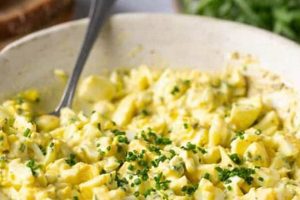
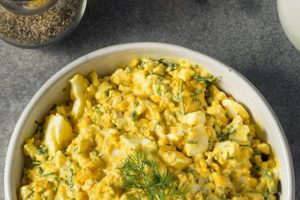
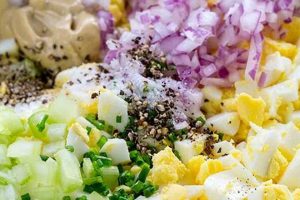
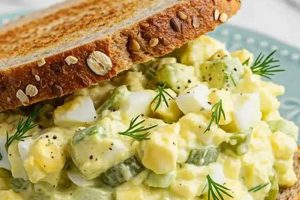
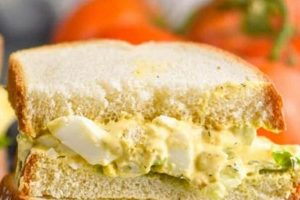
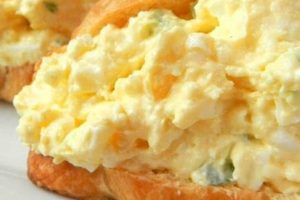
A dish combining canned tuna, hard-boiled eggs, and mayonnaise forms the base of this simple, protein-rich meal. Common additions include celery, onion, relish, and seasonings like mustard, salt, and pepper. Variations can involve different types of mayonnaise, the inclusion of other vegetables like chopped bell peppers, or the use of spices such as paprika or dill. A typical preparation involves flaking the tuna, chopping the eggs, and combining them with the chosen supplementary ingredients.
This combination offers a convenient and affordable way to enjoy a complete protein source. Historically, dishes combining readily available protein sources like canned fish and eggs have been popular for their nutritional value and ease of preparation, particularly during times of economic hardship or when fresh ingredients were scarce. The adaptability of this dish allows for customization based on personal preferences and dietary needs. It can be served as a sandwich filling, a salad topping, or enjoyed on its own as a light meal.
Further exploration of this culinary concept can involve discussions of specific ingredient choices, preparation techniques, nutritional information, and creative serving suggestions. Variations suitable for specific dietary restrictions, such as gluten-free or low-sodium options, can also be examined.
Tips for an Exceptional Tuna and Egg Salad
Elevating a basic tuna and egg salad to something truly special involves attention to detail and a few key techniques. These tips offer guidance for optimizing flavor, texture, and overall quality.
Tip 1: Ingredient Quality Matters. Opt for high-quality canned tuna packed in water or oil, depending on preference. Fresh, properly cooked eggs contribute significantly to the overall flavor profile.
Tip 2: Mindful Egg Preparation. Overcooked eggs can become rubbery. Aim for a firm but still slightly moist yolk. An ice bath immediately after boiling can aid in easier peeling.
Tip 3: Proper Tuna Drainage. Thoroughly drain the tuna to remove excess liquid. This prevents a watery salad and ensures the other flavors are not diluted.
Tip 4: Consistent Chopping. Uniformly chop the eggs and other ingredients like celery or onion. This creates a pleasant texture and ensures even flavor distribution.
Tip 5: Balanced Seasoning. Seasoning should enhance, not overpower. Start with a small amount of salt, pepper, and other spices, adjusting to taste.
Tip 6: Mayonnaise Selection. The choice of mayonnaise impacts flavor and texture. Experiment with different types, from classic to flavored varieties, to find a preferred profile.
Tip 7: Chill Before Serving. Chilling allows the flavors to meld and enhances the salad’s overall freshness. Aim for at least 30 minutes of refrigeration before serving.
By focusing on these key elements, one can transform a simple tuna and egg salad into a truly delightful culinary experience. Attention to these details ensures optimal flavor and texture.
From ingredient selection to chilling time, these combined strategies contribute to a superior final product.
1. High-quality Tuna

Tuna quality significantly impacts the overall success of a tuna salad egg recipe. Selecting superior tuna elevates the dish from simple to exceptional. This section explores the multifaceted nature of high-quality tuna and its crucial role in this specific culinary context.
- Species and Processing:
Different tuna species offer varying flavor profiles and textures. Albacore, known for its delicate flavor, often commands a premium price. Skipjack, a more affordable option, possesses a stronger, more assertive taste. Processing methods also play a crucial role. Solid or chunk light tuna generally indicates larger pieces, while flaked tuna can be smaller and drier. Choosing tuna packed in water rather than oil allows for greater control over the final salad’s fat content and overall flavor profile. For a tuna salad egg recipe, opting for solid or chunk light tuna in water often provides the best balance of flavor, texture, and versatility.
- Freshness Indicators:
Visual cues offer valuable insights into tuna quality. The fish should exhibit a consistent color and texture. Avoid tuna that appears dry, discolored, or has an unpleasant odor. Checking the “best by” date is crucial for optimal freshness. Freshly opened cans should contain firm, intact pieces, rather than mushy or broken fragments. These visual indicators directly translate to the final quality of the tuna salad.
- Sustainability Considerations:
Sustainably sourced tuna ensures responsible fishing practices and helps protect ocean ecosystems. Look for certifications from reputable organizations like the Marine Stewardship Council (MSC). Choosing sustainable tuna reflects a commitment to environmental responsibility, adding another layer of value to the final dish.
- Impact on Flavor and Texture:
High-quality tuna contributes a clean, fresh flavor to the salad, allowing the other ingredients to shine. It provides a pleasant, firm texture that contrasts well with the creamy mayonnaise and the chopped eggs. Conversely, low-quality tuna can impart a fishy or metallic taste, detracting from the overall sensory experience. The texture may also be undesirable, ranging from overly dry to unpleasantly mushy. This underscores the direct relationship between tuna quality and the ultimate success of the tuna salad egg recipe.
By prioritizing these facets of tuna selection, one ensures a superior tuna salad egg recipe. The interplay between species, processing, freshness, and sustainability culminates in a dish that is not only delicious but also reflects mindful ingredient choices.
2. Perfectly Cooked Eggs
The role of perfectly cooked eggs within a tuna salad egg recipe extends beyond mere ingredient inclusion; it directly influences the final dish’s texture, flavor, and overall appeal. Properly cooked eggs offer a tender, yet firm, consistency that complements the flaky tuna and creamy mayonnaise. Overcooked eggs, conversely, become rubbery and dry, detracting from the desired textural complexity. Undercooked eggs, while potentially palatable to some, introduce a risk of foodborne illness and generally yield an undesirable, runny consistency within the salad. The ideal egg for this application boasts a fully set white and a yolk that is cooked through but retains a hint of moisture. This balance ensures a pleasant mouthfeel and contributes a subtle richness to the overall flavor profile.
Consider the difference between a tuna salad featuring perfectly cooked eggs and one containing overcooked eggs. The former offers a harmonious blend of textures and flavors, with the egg seamlessly integrating with the other components. The latter presents a jarring textural dissonance; the rubbery egg pieces disrupt the otherwise smooth consistency of the salad. This textural disparity diminishes the overall enjoyment of the dish. A similar contrast arises when comparing perfectly cooked eggs to undercooked ones. While the textural issue might be less pronounced with slightly undercooked eggs, the potential health risks outweigh any perceived benefit. Moreover, a runny yolk can lead to a visually unappealing and structurally compromised salad, making it difficult to serve or enjoy.
Achieving perfectly cooked eggs requires precision and attention to detail. Timing is paramount. Overcooking, even by a minute or two, can drastically alter the egg’s texture. The method employed also impacts the outcome. Boiling, steaming, or baking can all yield perfectly cooked eggs, but each technique demands specific adjustments to timing and temperature. Mastering the art of cooking eggs to the ideal consistency elevates the tuna salad egg recipe from simple fare to a culinary experience. The interplay of textures and flavors becomes more pronounced, offering a more satisfying and enjoyable meal.
3. Complementary Ingredients

Complementary ingredients elevate a basic tuna salad egg recipe from simple sustenance to a flavorful and texturally engaging dish. Strategic additions contribute depth, complexity, and balance, transforming the overall sensory experience. This exploration delves into key complementary ingredient categories and their respective contributions to the final product.
- Aromatic Vegetables:
Aromatic vegetables, such as finely diced celery, red onion, or shallots, introduce a crisp, fresh counterpoint to the richness of the tuna and egg. Celery’s subtle bitterness and onion’s pungent bite cut through the creamy mayonnaise, preventing the salad from becoming overly heavy. These ingredients also contribute textural variation, adding a satisfying crunch. The quantity should be carefully considered; too much can overpower the delicate flavors of the tuna and egg, while too little fails to provide the desired contrast.
- Acidic Elements:
Incorporating acidic elements brightens the flavor profile and balances the richness of the mayonnaise. A squeeze of lemon or lime juice, a splash of apple cider vinegar, or a finely chopped pickle can introduce a welcome tang. These additions also contribute to a more complex flavor profile, preventing the salad from tasting bland or one-dimensional. The level of acidity should be adjusted to personal preference, ensuring it enhances rather than dominates the overall flavor.
- Herbs and Spices:
Fresh herbs, such as dill, parsley, or chives, impart a vibrant, herbaceous note that complements the savory tuna and egg. Dried spices, like paprika, cayenne pepper, or garlic powder, offer concentrated flavor and can add a touch of heat or earthiness. The choice of herbs and spices should align with individual taste preferences and the desired overall flavor profile. For example, dill pairs well with lemon juice, while paprika complements the smoky notes of certain canned tuna varieties.
- Textural Enhancers:
Ingredients that contribute textural contrast further elevate the eating experience. Chopped walnuts, pecans, or sunflower seeds introduce a satisfying crunch, while chopped water chestnuts or diced bell peppers offer a refreshing crispness. These additions not only enhance the textural complexity but also contribute subtle flavor nuances. Consider the overall texture of the salad when selecting textural enhancers; a salad with predominantly large chunks may benefit from smaller, more delicate additions, while a finely chopped salad might be enhanced by larger, more substantial additions.
The careful selection and integration of complementary ingredients transform a basic tuna salad egg recipe into a multifaceted culinary creation. By considering the interplay of flavors, textures, and aromas, one can craft a dish that is both satisfying and nuanced, a testament to the transformative power of complementary components.
4. Balanced Seasoning

Balanced seasoning plays a crucial role in a successful tuna salad egg recipe. It elevates the inherent flavors of the core ingredientstuna and eggwithout overpowering their delicate profiles. Seasoning encompasses more than just salt and pepper; it involves a nuanced understanding of flavor interactions and the judicious use of herbs, spices, and acidic elements. A properly seasoned tuna salad offers a harmonious blend of flavors, where each component contributes to the overall taste experience without dominating the others. Conversely, imbalanced seasoning can lead to a dish that is overly salty, excessively spicy, or bland and uninspired. For instance, a tuna salad overwhelmed by the sharp taste of raw onion or excessively seasoned with black pepper detracts from the subtle flavors of the tuna and egg. Instead of enhancing the dish, the dominant seasoning creates an unbalanced flavor profile.
Consider the impact of salt. While essential for enhancing flavors, too much salt can render the salad unpalatable. Too little, however, leaves the dish tasting flat and lifeless. The same principle applies to other seasonings. A pinch of cayenne pepper can add a pleasant warmth, while an excessive amount overwhelms the palate. Fresh dill can provide a bright, herbaceous note, but too much can create a soapy taste. Achieving balance requires careful consideration of each ingredient’s intensity and its interaction with the others. A successful recipe often involves a combination of seasonings, working in concert to create a complex and well-rounded flavor profile. For example, a touch of Dijon mustard can add a subtle tang that complements the richness of the mayonnaise, while a squeeze of lemon juice provides brightness and balances the savory notes of the tuna.
Ultimately, balanced seasoning distinguishes a mediocre tuna salad egg recipe from an exceptional one. It demonstrates an understanding of flavor dynamics and the ability to create a harmonious blend of tastes. This attention to detail elevates the dish beyond mere sustenance, transforming it into a culinary experience that engages the palate and satisfies the senses. The challenge lies in finding the optimal balance for individual preferences and the specific ingredients used. Experimentation and careful tasting are key to achieving a well-seasoned and thoroughly enjoyable tuna salad.
5. Proper Chilling
Proper chilling is integral to a successful tuna salad egg recipe, impacting both food safety and sensory experience. Chilling inhibits bacterial growth, a critical concern with perishable ingredients like tuna, eggs, and mayonnaise. A temperature of 40F (4C) or below significantly slows bacterial proliferation, reducing the risk of foodborne illness. Conversely, leaving the salad at room temperature for extended periods creates an environment conducive to rapid bacterial growth, potentially leading to spoilage and health hazards. This is particularly relevant for picnics, potlucks, or packed lunches where temperature control may be challenging. Chilling also allows the flavors to meld and develop. The disparate ingredientstuna, eggs, mayonnaise, and any added aromaticsharmonize during refrigeration. This integration results in a more cohesive and nuanced flavor profile compared to a freshly made, unchilled salad. The textural benefits of chilling are also noteworthy. Chilling firms the salad, making it easier to handle and serve, especially when used as a sandwich filling or spread.
Consider two scenarios: one where the tuna salad is properly chilled and another where it is left at room temperature. In the first scenario, the salad remains safe to consume for several days, the flavors deepen and integrate, and the texture firms. In the second scenario, bacterial growth accelerates, potentially causing spoilage within a few hours. The flavors may remain disjointed, and the texture may become watery or loose. This comparison underscores the practical significance of proper chilling. Beyond immediate safety concerns, chilling contributes to the overall quality and enjoyment of the tuna salad egg recipe.
Proper chilling, therefore, is not merely a recommended step but a crucial component of a successful and safe tuna salad egg recipe. It addresses food safety concerns while enhancing the sensory experience by allowing flavors to meld and improving texture. Understanding the scientific principles behind chilling and their practical implications empowers individuals to prepare and enjoy this dish safely and with optimal flavor and texture.
Frequently Asked Questions
This section addresses common inquiries regarding the preparation and consumption of tuna salad incorporating eggs.
Question 1: How long can tuna salad with eggs be safely stored?
Refrigerated tuna salad containing eggs should be consumed within three to five days. Storage in an airtight container at or below 40F (4C) is crucial for maximizing shelf life and minimizing bacterial growth.
Question 2: What are signs that tuna salad has spoiled?
Spoilage indicators include a sour or unpleasant odor, a slimy texture, and discoloration. If any of these signs are present, the salad should be discarded immediately.
Question 3: Can this recipe be adapted for specific dietary needs?
Adaptations for various dietary needs are possible. Gluten-free bread or crackers can be used for those with gluten sensitivities. Reduced-sodium tuna and mayonnaise options cater to low-sodium diets. Greek yogurt can replace mayonnaise for a lower-fat alternative.
Question 4: What are the best types of eggs to use in tuna salad?
Fresh, high-quality eggs of any size are suitable. Proper cooking to a safe internal temperature is essential, regardless of egg size or type.
Question 5: Can other ingredients be added to enhance flavor?
Flavor customization is readily achievable. Chopped celery, red onion, bell peppers, relish, fresh herbs (dill, parsley), or spices (paprika, cayenne pepper) can enhance the flavor profile based on individual preferences.
Question 6: Is it safe to freeze tuna salad with eggs?
Freezing is not recommended. Mayonnaise-based salads often separate and become watery upon thawing, negatively impacting texture. Eggs also tend to become rubbery after freezing.
Careful consideration of these points ensures safe handling and optimal enjoyment of tuna salad incorporating eggs. Adherence to safe food handling practices and mindful ingredient selection contribute to a positive culinary experience.
This information provides a comprehensive overview of key considerations related to tuna salad with eggs. Further exploration of specific dietary adaptations and recipe variations can enhance culinary expertise and personalize the dish to individual preferences.
Tuna Salad Egg Recipe
Preparation of tuna salad incorporating eggs involves a nuanced understanding of ingredient selection, preparation techniques, and food safety principles. High-quality tuna, properly cooked eggs, and balanced seasoning form the foundation of a successful recipe. Complementary ingredients, such as aromatic vegetables, acidic elements, and textural enhancers, elevate the dish beyond basic sustenance. Proper chilling is crucial for both food safety and optimal flavor development. Understanding these elements allows for customization and adaptation to individual dietary needs and preferences.
This exploration underscores the potential for culinary creativity within a seemingly simple dish. Consideration of ingredient quality, balanced flavors, and safe food handling practices elevates the tuna salad egg recipe from a basic combination to a satisfying and nuanced culinary experience. Continued exploration of flavor profiles and ingredient variations offers opportunities for personalized culinary expression.