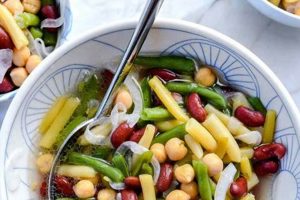
A guide for preparing a flavorful combination of three types of beans, typically green beans, yellow wax beans, and kidney beans, dressed in a vinaigrette, often incorporates sweet and tangy elements. Variations may include other legumes, such as black beans or chickpeas, and additional ingredients like onions, peppers, or herbs. A well-executed preparation results in a refreshing and nutritious dish suitable as a side at barbecues, picnics, potlucks, or part of a larger meal.
This culinary instruction offers a foundation for a versatile dish. Its popularity stems from the ease of preparation, affordability, and the nutritional value derived from the legumes. Historically, combining beans with acidic dressings has served as a preservation method, extending shelf life and enhancing flavor. The dish also provides a good source of protein and fiber. Customizable to individual tastes, it can be adapted to accommodate dietary restrictions or preferences by using different types of beans, sweeteners, or vinegars.
This exploration will delve into specific ingredient selections, preparation techniques, and variations, offering insights into crafting the perfect dish, from selecting the freshest beans to achieving the ideal balance of sweet and tangy flavors in the dressing.
Tips for an Excellent Three Bean Salad
Optimizing ingredient selection and preparation techniques elevates this simple dish from satisfactory to exceptional. Attention to detail ensures a flavorful, visually appealing, and texturally pleasing salad.
Tip 1: Bean Selection and Preparation: Opt for fresh, crisp beans whenever possible. Canned beans offer convenience but may require thorough rinsing to remove excess sodium. Blanching fresh beans maintains vibrant color and optimal texture.
Tip 2: Dressing Customization: While a classic vinaigrette serves as a foundation, experimentation with different vinegars, oils, and sweeteners allows for personalized flavor profiles. Apple cider vinegar contributes a sweet tang, while red wine vinegar offers a sharper bite. Maple syrup, honey, or agave nectar provide varied levels of sweetness.
Tip 3: Enhancing Flavor Complexity: Incorporating finely diced red onion adds a pungent bite, while chopped bell peppers contribute sweetness and crunch. Fresh herbs, such as parsley, dill, or mint, introduce aromatic complexity.
Tip 4: Balancing Flavors: Achieving harmony between sweet, tangy, and savory elements is crucial. Taste and adjust the dressing throughout the preparation process, adding more vinegar for tartness, sweetener for balance, or salt and pepper to enhance overall flavor.
Tip 5: Marinating for Optimal Flavor: Allowing the salad to marinate for at least 30 minutes, or preferably longer, in the refrigerator permits the flavors to meld and intensify, resulting in a more cohesive and satisfying dish.
Tip 6: Texture Considerations: Maintain a variety of textures by using a combination of beans with slightly different consistencies. Avoid overcooking, which can lead to mushiness.
Tip 7: Presentation: A visually appealing presentation enhances the dining experience. Serve the salad in a clear glass bowl to showcase the vibrant colors and textures. Garnish with fresh herbs or a sprinkle of toasted nuts or seeds for added appeal.
By following these guidelines, one can create a three bean salad that is not only nutritious and delicious but also a visually appealing addition to any meal. Careful consideration of these elements ensures a dish that delights the palate and satisfies culinary expectations.
This understanding of key preparation techniques and flavor combinations allows for a transition to recipe variations and advanced preparation methods.
1. Acidity (Vinegar)

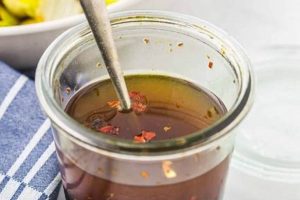
Acidity plays a crucial role in a three-bean salad dressing, providing brightness, balancing sweetness, and acting as a preservative. The choice of vinegar significantly influences the final flavor profile and overall quality of the dish.
- Flavor Enhancement and Balance:
Vinegar’s primary function is to introduce a tart counterpoint to the sweetness often present in the dressing. This balance prevents the salad from being overly sweet and adds a refreshing dimension. Different vinegars offer unique flavor profiles. Apple cider vinegar contributes a mellow sweetness, while white wine vinegar imparts a crisp, clean acidity. Red wine vinegar introduces subtle fruity notes, and balsamic vinegar adds a deeper, more complex sweetness.
- Preservation and Food Safety:
The acidic nature of vinegar inhibits bacterial growth, contributing to the salad’s shelf life and enhancing food safety. This preservation aspect is particularly relevant for bean salads, which are often served at picnics or potlucks where temperature control might be challenging.
- Texture and Palatability:
Vinegar contributes to the overall texture of the salad by interacting with the other ingredients. It can help to slightly firm the beans, preventing them from becoming mushy, while also adding a subtle tang that enhances palatability.
- Complementing Other Ingredients:
The choice of vinegar should complement the other components of the dressing and the salad itself. For example, a light and fruity vinegar pairs well with a dressing containing herbs and a touch of sweetness, while a bolder vinegar might be suitable for a salad with stronger flavors like onions or peppers.
The considered selection and application of vinegar are essential for a successful three-bean salad dressing. The right vinegar enhances flavor, contributes to food safety, and elevates the overall sensory experience. Experimentation with different types of vinegar allows for customization and the creation of a unique and delicious dish.
2. Sweetness (Sugar/Honey)
Sweetness, a crucial element in a balanced three-bean salad dressing, counteracts the acidity of the vinegar and enhances the overall flavor profile. The choice of sweetener influences not only the level of sweetness but also the complexity and depth of flavor within the dish.
- Balancing Flavors:
Sweeteners play a critical role in achieving a harmonious balance between the tartness of the vinegar and the other ingredients in the dressing. This balance prevents the salad from being overly acidic and creates a more palatable and enjoyable flavor profile. A touch of sweetness can also highlight the natural flavors of the beans and other vegetables.
- Sweetener Variety and Impact:
Different sweeteners offer unique flavor profiles and textures. Granulated sugar provides a clean, neutral sweetness, while honey introduces floral and complex notes. Maple syrup adds a distinct caramel-like flavor, and agave nectar contributes a mild, slightly earthy sweetness. The choice of sweetener depends on personal preference and the desired overall flavor profile of the salad.
- Enhancing Palatability:
Sweetness enhances the overall appeal of the salad, making it more palatable and enjoyable. It contributes to a rounded flavor profile, making the dish more satisfying. A well-balanced sweetness level encourages consumption and complements the other flavors present.
- Textural Influence:
Some sweeteners, like honey or maple syrup, contribute to the texture of the dressing, adding viscosity and body. This can impact the way the dressing coats the beans and other ingredients, influencing the overall mouthfeel of the salad.
The careful selection and application of sweeteners are essential for creating a well-balanced and flavorful three-bean salad dressing. Understanding the interplay between sweetness, acidity, and other flavor components allows for the creation of a dish that is both delicious and satisfying.
3. Savory notes (Salt/Pepper)

Savory notes, primarily derived from salt and pepper, provide essential foundational flavor dimensions in a three-bean salad dressing. These elements not only enhance the inherent flavors of the ingredients but also create balance and complexity within the overall flavor profile. Salt acts as a flavor enhancer, amplifying the sweetness of the beans and the tanginess of the vinegar. It also tempers any bitterness from certain vegetables like onions or herbs. Pepper, whether black, white, or a blend, adds a subtle heat and complexity, further enhancing the overall sensory experience. The interplay between salt and pepper provides a crucial background against which the other flavors can shine. An improperly seasoned dressing can result in a bland or unbalanced salad, while the correct balance of savory notes elevates the dish to a new level of complexity.
Consider a classic three-bean salad with kidney beans, green beans, and wax beans. Without sufficient salt, the sweetness of the beans may taste muted, and the vinegar’s acidity may be overly sharp. A touch of black pepper adds a subtle warmth and complexity, highlighting the other flavors in the dressing, such as the sweetness of honey or the herbaceous notes of fresh dill. Conversely, excessive salt can overwhelm the delicate flavors of the beans and other vegetables, while too much pepper can create an unpleasant burning sensation. Achieving the proper balance is essential for a well-rounded and flavorful salad. Practical application involves incremental seasoning, tasting and adjusting throughout the process to ensure the optimal balance for a specific recipe and individual palate.
Understanding the role of savory notes is crucial for creating a well-balanced and flavorful three-bean salad. These elements provide a foundational layer of flavor, enhancing the other ingredients and contributing to the overall complexity of the dish. Careful attention to seasoning, coupled with thoughtful tasting and adjustment, results in a salad that highlights the natural sweetness of the beans, the tanginess of the vinegar, and the aromatic complexity of any added herbs or spices. This understanding translates directly to a more satisfying and enjoyable culinary experience.
4. Texture (Oil/Emulsifier)

Texture, a frequently overlooked yet crucial aspect of a successful three-bean salad dressing, contributes significantly to the overall sensory experience. The interplay of oil and emulsifiers dictates the mouthfeel, the way the dressing coats the beans, and how the flavors interact on the palate. A well-executed emulsion creates a harmonious balance between the individual components, resulting in a dressing that is both flavorful and texturally pleasing.
- Oil’s Contribution to Mouthfeel and Flavor Delivery:
Oil provides the foundational texture of the dressing, contributing richness and a smooth mouthfeel. It acts as a carrier for flavor compounds, distributing them evenly throughout the salad and enhancing their perception on the palate. Different oils offer unique flavor profiles and textures. Extra virgin olive oil imparts a robust, fruity flavor, while neutral oils like canola or grapeseed allow other ingredients to shine. The choice of oil significantly impacts the overall sensory experience of the salad.
- Emulsification: Creating Stability and Cohesion:
Emulsifiers play a critical role in binding the oil and vinegar together, creating a stable and homogenous dressing that doesn’t separate. This stability ensures that the flavors are evenly distributed and prevents the salad from becoming oily or watery. Common emulsifiers include Dijon mustard, honey, and egg yolks. These ingredients contain molecules that bind to both oil and water, creating a stable emulsion that clings to the beans and other ingredients.
- Impact on Flavor Perception and Palate Interaction:
The texture of the dressing influences how the flavors are perceived and interact on the palate. A creamy, emulsified dressing coats the beans evenly, ensuring that each bite delivers a balanced combination of flavors. A thinner, vinaigrette-style dressing offers a lighter, more refreshing experience. Understanding the impact of texture on flavor perception allows for precise control over the final sensory experience of the salad.
- Visual Appeal and Overall Presentation:
Texture also contributes to the visual appeal of the salad. A glossy, emulsified dressing enhances the colors of the beans and other ingredients, making the dish more visually appealing. The way the dressing clings to the beans also impacts the overall presentation, contributing to a more polished and professional look.
The careful consideration of oil and emulsifiers is essential for crafting a three-bean salad dressing that is not only flavorful but also texturally satisfying. A well-executed emulsion enhances the overall sensory experience, contributing to a dish that is both delicious and visually appealing. Understanding the role of texture in flavor delivery and presentation elevates the three-bean salad from a simple side dish to a culinary creation.
5. Aromatic Complexity (Herbs/Spices)

Aromatic complexity, derived from the judicious use of herbs and spices, significantly elevates a three-bean salad dressing beyond the basic interplay of sweet, sour, and savory. This complexity adds depth, intrigue, and a nuanced flavor profile that complements the beans and other components. The selection and application of aromatic elements represent a crucial step in crafting a truly exceptional salad.
Fresh herbs like dill, parsley, and mint introduce vibrant green notes and a refreshing counterpoint to the richness of the beans and dressing. Dill, with its slightly anise-like flavor, pairs particularly well with green beans and a lemon vinaigrette. Parsley provides a clean, herbaceous note that complements a wider range of flavors. Mint adds a cooling element, especially effective in salads with a slightly spicy kick. Dried herbs, while less vibrant, offer concentrated flavor and extended shelf life. Oregano, thyme, and basil can add earthy, savory notes that complement the beans and dressing. However, dried herbs require careful portioning due to their concentrated flavor.
Spices, used sparingly, can introduce unexpected warmth and complexity. A pinch of red pepper flakes adds a subtle heat that balances the sweetness and acidity. Ground cumin or coriander can introduce earthy, savory notes that complement the beans. Smoked paprika adds a smoky depth that enhances the overall flavor profile. The key is to use spices judiciously, allowing their flavors to complement rather than overpower the other ingredients.
Consider a three-bean salad with kidney beans, green beans, yellow wax beans, and a simple vinaigrette. The addition of fresh dill brightens the flavor profile and complements the green beans. A pinch of red pepper flakes adds a subtle heat, while a touch of ground cumin provides an earthy undertone. The interplay of these aromatic elements creates a multi-layered flavor experience that elevates the salad beyond the sum of its parts.
Achieving aromatic complexity requires careful consideration of the other ingredients and the desired overall flavor profile. The goal is to create a harmonious balance, where the herbs and spices enhance the existing flavors without dominating the palate. This understanding of aromatic complexity allows for the creation of three-bean salads with unique and nuanced flavor profiles, transforming a simple side dish into a culinary masterpiece.
Frequently Asked Questions
This section addresses common inquiries regarding optimal preparation methods and ingredient selection for this versatile dish. Clarity on these points ensures successful culinary outcomes.
Question 1: What type of beans are best suited for this salad?
While the classic recipe utilizes green beans, yellow wax beans, and kidney beans, variations can include black beans, chickpeas, or cannellini beans. Selection depends on individual preferences and desired flavor profiles. Fresh beans offer optimal texture and flavor, while canned beans provide convenience.
Question 2: Can the dressing be prepared in advance?
The dressing can be prepared several days in advance and stored in a sealed container in the refrigerator. This allows the flavors to meld and intensify. However, adding the dressing to the beans is best done shortly before serving to maintain optimal bean texture.
Question 3: How long can the salad be stored?
Properly stored in an airtight container in the refrigerator, the salad can last for up to five days. However, the texture and flavor are optimal within the first two to three days.
Question 4: What are common substitutes for sugar in the dressing?
Honey, maple syrup, or agave nectar offer viable alternatives to granulated sugar, each contributing unique flavor nuances. Artificial sweeteners are also an option but may alter the flavor profile.
Question 5: How can one reduce the sodium content in canned beans?
Thoroughly rinsing canned beans under cold water can significantly reduce sodium content, improving the nutritional profile and overall flavor balance.
Question 6: What are some strategies for enhancing visual appeal?
Incorporating colorful ingredients like bell peppers or red onion adds visual interest. Garnishing with fresh herbs or a sprinkle of toasted nuts or seeds also enhances presentation.
Addressing these frequently asked questions provides a solid foundation for successful preparation. Attention to these details ensures a flavorful and enjoyable culinary experience.
This comprehensive overview provides a solid basis for further exploration of specific recipe variations and advanced techniques.
Conclusion
Exploration of optimal approaches to a flavorful and balanced preparation hinges on understanding the interplay of key components: the selection and preparation of beans, the delicate balance of acidity and sweetness within the dressing, the judicious use of savory elements, the achievement of desired texture through emulsification, and the enhancement of aromatic complexity through herbs and spices. Each element contributes significantly to the final product, influencing not only the flavor profile but also the overall sensory experience. Careful consideration of these factors ensures a successful outcome.
Mastery of these fundamental principles empowers culinary exploration and personalized adaptations. The inherent versatility allows for endless variations, catering to individual preferences and dietary needs. From classic combinations to innovative interpretations, the potential for culinary creativity is vast. A well-executed preparation offers not merely sustenance but a celebration of flavor, texture, and culinary artistry. Continual refinement of technique and exploration of flavor combinations promises enduring culinary satisfaction.