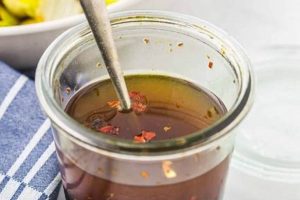
This creamy, tangy, and subtly sweet dressing, often associated with a specific teppanyaki restaurant chain, typically features a base of ginger, soy sauce, onion, carrots, and oil. Variations may include garlic, sesame oil, rice vinegar, or other seasonings to create a balanced flavor profile. Often served over a simple salad of iceberg lettuce, this dressing provides a refreshing counterpoint to richer dishes.
The popularity of this style of dressing stems from its unique flavor profile and association with a distinctive dining experience. The tanginess of the ginger and the umami of the soy sauce create a savory depth, while the sweetness and creamy texture offer a pleasant contrast. Its widespread appeal has led to numerous homemade versions, allowing individuals to recreate the flavors of a restaurant experience at home. This exemplifies the broader cultural exchange surrounding culinary practices, where signature flavors become inspiration for home cooks.
The following sections will explore the specific ingredients and preparation methods involved in creating this iconic dressing, offer variations for customization, and suggest complementary dishes for a complete culinary experience.
Tips for a Superior Dressing
Achieving the desired flavor profile and texture requires attention to detail and careful selection of ingredients. The following tips offer guidance on preparing an exceptional dressing.
Tip 1: Fresh Ginger is Key: Utilizing fresh ginger root, rather than powdered or pre-minced versions, is crucial for capturing the bright, pungent flavor characteristic of this dressing.
Tip 2: Balance Sweet and Savory: Careful balancing of sweet and savory elements is essential. Adjusting the ratio of sugar or honey to soy sauce allows for customization based on individual preferences.
Tip 3: Emulsification is Essential: Proper emulsification creates a smooth, creamy texture. Gradually whisking in the oil while the other ingredients are blended ensures a stable emulsion.
Tip 4: Consider Carrot Preparation: Grating carrots finely creates a smoother texture, while larger pieces offer a more noticeable crunch.
Tip 5: Onion Selection Matters: Yellow or white onions offer a sharper flavor, while red onions provide a milder sweetness.
Tip 6: Taste and Adjust: Tasting and adjusting seasonings throughout the preparation process ensures the final product meets desired flavor preferences. Additional soy sauce, sugar, or ginger can be added as needed.
Tip 7: Chilling Enhances Flavor: Allowing the dressing to chill for at least 30 minutes before serving allows the flavors to meld and deepen, resulting in a more complex profile.
By adhering to these tips, one can create a dressing that closely resembles the restaurant-style experience, offering a balanced and flavorful complement to any salad.
The following section concludes this exploration with final thoughts and suggestions for incorporating this versatile dressing into a variety of culinary creations.
1. Fresh Ginger

Fresh ginger is paramount to the flavor profile of this specific dressing. Its distinctive pungency and slight sweetness cannot be replicated by dried or powdered substitutes. Understanding its role and proper preparation are crucial for achieving an authentic taste.
- Flavor Contribution
Fresh ginger provides the characteristic spicy, warm, and slightly sweet notes that define this dressing. Its volatile oils contribute to both aroma and taste, creating a complex sensory experience. The intensity of the ginger flavor can be adjusted by varying the amount used, offering flexibility in tailoring the dressing to individual preferences.
- Textural Impact
The texture of ginger, when properly prepared, contributes to the overall mouthfeel of the dressing. Finely grating or pureeing the ginger ensures even distribution and prevents fibrous pieces from overpowering the other ingredients. This creates a smooth, creamy texture that complements the other components.
- Preparation Techniques
Proper preparation of fresh ginger is essential for maximizing its flavor contribution. Peeling the ginger root before grating or pureeing ensures a smooth texture and removes any fibrous or woody elements. Different methods of preparation, such as grating, mincing, or juicing, can subtly influence the final flavor and texture.
- Quality and Storage
Selecting fresh, firm ginger roots with smooth skin ensures optimal flavor and aroma. Proper storage is also crucial for maintaining quality. Storing unpeeled ginger in the refrigerator, wrapped in a paper towel and placed in a sealed plastic bag, extends its shelf life and preserves its pungency.
The reliance on fresh ginger underscores the importance of quality ingredients in achieving the desired flavor profile. Its unique contribution cannot be overstated; it is the defining element of this iconic dressing, differentiating it from other similar recipes. Careful selection, preparation, and storage of fresh ginger are critical steps toward replicating the authentic taste experience.
2. Soy Sauce
Soy sauce plays a crucial role in the flavor profile of this iconic dressing, contributing a complex savory depth known as umami. The fermentation process involved in soy sauce production yields a rich array of glutamates, which interact with other taste receptors to create a savory, almost meaty taste. This umami element provides a counterpoint to the sweetness and pungency of the ginger, creating a balanced and nuanced flavor profile. The type of soy sauce utilized can also influence the final outcome. Japanese-style soy sauces, such as Kikkoman, generally offer a more delicate and slightly sweeter flavor, while Chinese dark soy sauces bring a bolder, more intense saltiness. The choice of soy sauce can be tailored to individual preferences, allowing for customization of the dressings overall taste.
The interaction between soy sauce and other ingredients within the dressing is essential. The saltiness of the soy sauce enhances the sweetness of the carrots and any added sugar or honey. It also complements the sharp notes of the onion and garlic, if included. This complex interplay of flavors creates a harmonious blend, where each ingredient contributes to the overall sensory experience. For example, reducing the amount of sugar and using a low-sodium soy sauce can create a dressing with a more pronounced savory profile. Conversely, increasing the sweetness and using a sweeter soy sauce can result in a milder, more balanced flavor. Understanding these interactions allows for precise control over the final taste.
Careful consideration of soy sauce selection is essential for replicating the desired flavor profile. The sodium content, sweetness, and overall intensity of different soy sauce varieties can significantly impact the dressing’s taste. Experimenting with different types of soy sauce can offer valuable insights into how these variations contribute to the final product. This understanding empowers individuals to tailor the recipe to specific preferences, achieving a personalized and satisfying culinary outcome. Ultimately, the choice and application of soy sauce significantly contribute to the complexity and balance that define this iconic dressing.
3. Carrot

Carrots contribute a subtle sweetness and pleasing texture to this distinctive dressing. Beyond their flavor contribution, carrots provide visual appeal with their vibrant orange hue, enhancing the overall sensory experience. Examining the multifaceted role of carrots in this recipe provides a deeper appreciation for their contribution.
- Flavor and Sweetness
Carrots offer a natural sweetness that balances the savory and pungent elements of the dressing. This sweetness complements the umami of the soy sauce and the spiciness of the ginger, creating a harmonious flavor profile. The natural sugars in carrots caramelize slightly during the blending process, further enhancing their sweetness and adding depth to the overall taste.
- Texture and Mouthfeel
The texture of carrots plays a significant role in the final consistency of the dressing. Finely grated carrots contribute a smooth, almost creamy texture, while coarsely grated or finely chopped carrots introduce a subtle crunch. This textural element adds complexity to the mouthfeel, contrasting with the smoothness of the emulsified oil and the sharpness of the onion.
- Nutritional Value
Beyond their flavor and textural contributions, carrots offer nutritional benefits. They are a rich source of beta-carotene, a precursor to vitamin A, which is essential for eye health and immune function. Including carrots in the dressing enhances its nutritional profile, adding a healthy element to this culinary creation.
- Visual Appeal
The vibrant orange color of carrots enhances the visual appeal of the dressing. This bright hue contrasts with the pale green of iceberg lettuce, creating an aesthetically pleasing presentation. The visual element contributes to the overall dining experience, making the salad more enticing.
The inclusion of carrots in this iconic dressing highlights the importance of considering not only flavor but also texture, nutrition, and visual presentation. The careful balance of these elements contributes to the overall sensory experience, making this dressing a popular and enduring culinary creation. The interplay of sweetness, texture, and visual appeal demonstrates how seemingly simple ingredients can contribute complexity and depth to a dish.
4. Onion
Onion, a staple ingredient in numerous culinary traditions, plays a crucial role in this specific dressing, contributing a pungent bite and depth of flavor that complements the other components. Its sharp flavor profile, derived from sulfur-containing compounds, interacts dynamically with the sweetness of the carrots and the ginger’s pungency, creating a balanced and complex taste experience. Understanding the various facets of onion’s contribution provides insights into its importance within this iconic recipe.
- Flavor Enhancement
Onion’s primary contribution lies in its ability to enhance the overall flavor profile. The sharp, pungent notes, characteristic of allium vegetables, provide a counterpoint to the sweeter elements of the dressing, creating a more nuanced and balanced taste. The intensity of the onion flavor can be adjusted by selecting different varieties, such as yellow, white, or red onions, each offering a unique flavor profile.
- Textural Complexity
The texture of onion, depending on its preparation, adds another layer of complexity to the dressing. Finely grated onion seamlessly blends into the dressing, creating a smooth consistency, while finely diced onion provides a subtle crunch. This textural variation contributes to the overall mouthfeel, offering a more dynamic sensory experience.
- Variety and Selection
Different onion varieties offer distinct flavor profiles, allowing for customization of the dressing. Yellow onions provide a robust, pungent flavor, while white onions offer a slightly milder and sweeter taste. Red onions, with their milder flavor and vibrant color, introduce a subtle sweetness and visual appeal. The selection of onion variety can significantly influence the final flavor profile of the dressing.
- Preparation and Integration
The preparation method influences how onion integrates into the dressing. Grating onion releases its juices and volatile compounds, resulting in a more pronounced flavor that permeates the dressing. Finely dicing onion provides distinct pieces that offer bursts of flavor with each bite. The chosen preparation method should align with desired flavor intensity and textural preferences.
The inclusion of onion in this dressing exemplifies the careful balance of flavors and textures essential for a successful recipe. The interplay between onion’s pungency, the sweetness of carrots and sugar, and the ginger’s unique heat creates a harmonious blend that defines this iconic dressing. The choice of onion variety and preparation method further allows for customization, enabling individuals to tailor the recipe to specific preferences. Understanding the multifaceted role of onion underscores its importance as a key ingredient in this culinary creation.
5. Oil
Oil serves as a crucial component, contributing to both the texture and flavor profile. Its primary function lies in creating the characteristic creamy consistency through emulsification. Oil, when blended vigorously with other ingredients like ginger, soy sauce, and onion, forms a stable emulsion, suspending small droplets of oil within the water-based components. This emulsification process transforms the individual ingredients into a cohesive, creamy dressing, distinct from a simple vinaigrette. The type of oil selected influences the final flavor and mouthfeel. Neutral oils, such as canola or vegetable oil, allow the other flavors to shine, while oils with distinct flavors, like sesame oil, contribute an additional layer of complexity.
The choice of oil affects not only the taste but also the nutritional value. Oils rich in monounsaturated fats, like olive oil, offer potential health benefits. However, such oils can possess a stronger flavor that may not complement the delicate balance of the other ingredients. Conversely, neutral oils allow the ginger and soy sauce notes to take center stage, while contributing to the creamy texture essential for the dressing. For example, using a light sesame oil can enhance the Asian-inspired flavor profile without overpowering the other components. The quantity of oil used also requires careful consideration. Too little oil can result in a thin, watery dressing, while too much can create an overly rich and heavy consistency. Achieving the desired balance ensures the dressing coats the salad ingredients effectively without being overpowering.
Successful emulsification is essential for achieving the desired texture and preventing separation. Gradual addition of the oil while continuously whisking or blending ensures proper integration and a stable emulsion. This stability prevents the oil from separating and pooling on top of the dressing, maintaining its creamy consistency. The practical application of this understanding lies in achieving a dressing that is both flavorful and visually appealing, clinging evenly to the salad ingredients. Mastery of oil selection and emulsification techniques allows for precise control over the final product, contributing significantly to the overall culinary experience.
6. Sweetener (Sugar/Honey)
Sweetener, whether granulated sugar or honey, plays a critical role in balancing the flavor profile. Its primary function is to temper the sharpness of the ginger and the saltiness of the soy sauce, creating a harmonious blend of sweet, savory, and pungent notes. The choice and quantity of sweetener significantly influence the final taste, allowing for customization based on individual preferences.
- Balancing Flavors
The sweetness provided counterbalances the strong flavors of ginger and soy sauce, preventing the dressing from becoming overly sharp or salty. This balancing act is essential for achieving the characteristic flavor profile, where no single element dominates. The precise amount of sweetener depends on the intensity of the other ingredients and personal preference, demonstrating the dynamic interplay of flavors within the recipe.
- Sugar vs. Honey
Granulated sugar provides a clean, neutral sweetness, allowing the other flavors to shine. Honey, on the other hand, introduces a more complex flavor profile with floral and herbal notes, adding depth and complexity to the dressing. This choice allows for subtle variations in the final taste, catering to different palates and desired flavor outcomes.
- Texture and Consistency
Sweetener, particularly honey, can influence the texture and consistency. Honey adds viscosity, contributing to a slightly thicker and more substantial dressing. This textural element complements the creamy emulsion created by the oil, enhancing the overall mouthfeel.
- Customization and Preference
The amount of sweetener allows for customization based on individual preferences. Those who prefer a tangier dressing may opt for less sweetener, while those who prefer a sweeter profile may add more. This flexibility allows for adaptation to specific tastes and dietary considerations, showcasing the adaptability of the recipe.
The judicious use of sweetener in this dressing exemplifies the careful consideration given to balancing flavors. The interplay of sweet, savory, and pungent notes creates a complex and harmonious taste experience, where no single ingredient dominates. The choice between sugar and honey, along with the ability to adjust the quantity, further highlights the versatility and adaptability of this iconic dressing, allowing for customization to achieve the desired balance and flavor profile.
Frequently Asked Questions
This section addresses common inquiries regarding this specific dressing, offering clear and concise information to ensure successful preparation and enjoyment.
Question 1: What type of oil is recommended for this dressing?
Neutral oils like canola or vegetable oil are generally preferred, allowing the other flavors to stand out. However, a small amount of sesame oil can enhance the Asian-inspired profile.
Question 2: Can powdered ginger be substituted for fresh ginger?
While powdered ginger can be used in a pinch, fresh ginger is strongly recommended for its superior flavor and aroma. The fresh ginger provides the signature pungency that defines this dressing.
Question 3: How long can the dressing be stored in the refrigerator?
Stored in an airtight container, the dressing can typically be refrigerated for up to one week. However, the flavor is best within the first few days.
Question 4: What type of salad is this dressing traditionally served with?
It is classically paired with a simple iceberg lettuce salad, providing a refreshing counterpoint to richer dishes often served in teppanyaki restaurants.
Question 5: Can the sweetness level be adjusted?
The amount of sugar or honey can be adjusted to suit individual preferences. Start with the recommended amount and adjust to taste, achieving the desired balance of sweet and savory.
Question 6: How can a smoother consistency be achieved?
Finely grating the carrots and ginger, and ensuring thorough emulsification of the oil, contributes to a smoother, creamier texture. A high-speed blender can also be helpful.
Understanding these key aspects ensures successful preparation and enjoyment. Experimentation with variations can further personalize the recipe, catering to individual preferences.
The following section delves into various adaptations and modifications for this versatile dressing.
Benihana Ginger Salad Dressing Recipe
This exploration of the Benihana ginger salad dressing recipe has delved into its core components, highlighting the essential role of fresh ginger, the nuanced contribution of soy sauce, the textural and flavor impact of carrots and onions, the importance of oil selection and emulsification, and the balancing act achieved through sweeteners. Understanding the interplay of these ingredients provides a foundation for successful replication and appreciation of this iconic dressing’s complex flavor profile. Preparation techniques, ingredient selection, and potential variations have been examined, offering insights into achieving the desired taste and texture.
The enduring popularity of this dressing speaks to its versatility and adaptability. Continued experimentation with ingredient variations and pairings offers opportunities for personalized culinary experiences. From the careful sourcing of fresh ginger to the precise balance of sweet and savory elements, the Benihana ginger salad dressing recipe represents a culinary tradition worth preserving and exploring further.