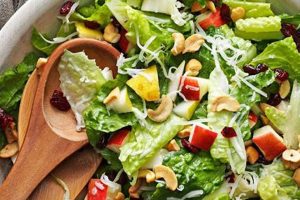
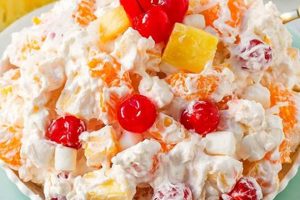
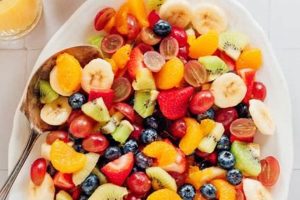
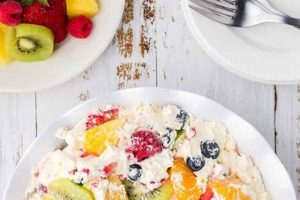
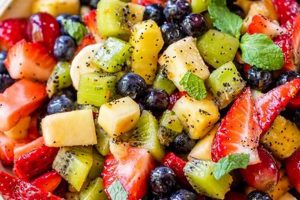
Festive fruit salads are a common dish during the Christmas season. They offer a refreshing and colorful complement to richer holiday fare. Typically, these salads incorporate a mix of seasonal fruits like cranberries, oranges, and pomegranates, often combined with other ingredients such as nuts, whipped cream, or a light syrup. An example might include a blend of red and green grapes, chopped apples, mandarin orange segments, and dried cranberries, tossed with a honey-lime dressing and sprinkled with chopped pecans.
The tradition of serving fruit-based dishes during the winter holidays has deep roots, partially stemming from the historical availability of preserved or dried fruits when fresh produce was scarce. These salads provide a welcome source of vitamins and antioxidants, offering a lighter counterpoint to heavier holiday meals. Their vibrant colors and festive presentation also make them an attractive addition to the Christmas table, symbolizing abundance and the joys of the season.
This article will explore a variety of festive fruit salad recipes suitable for Christmas celebrations, ranging from traditional combinations to more modern and innovative variations. Considerations such as ingredient selection, preparation techniques, and presentation will be discussed to assist in creating the perfect fruit salad for any holiday gathering.
Tips for Creating Festive Fruit Salads
Successfully preparing a fruit salad for Christmas involves thoughtful consideration of several factors. These tips offer guidance on enhancing flavor, presentation, and overall enjoyment.
Tip 1: Embrace Seasonal Ingredients: Opting for fruits at their peak ripeness during the Christmas season, such as cranberries, pomegranates, and citrus fruits, ensures optimal flavor and vibrant color.
Tip 2: Balance Sweetness and Acidity: Combining fruits with varying levels of sweetness and tartness creates a more complex and enjoyable flavor profile. Consider pairing sweeter fruits like bananas and pears with tart fruits like raspberries or grapefruit.
Tip 3: Consider Texture: A mixture of textures adds interest. Incorporate a variety of fruits, some soft, some firm, and some with a bit of crunch, such as apples or grapes.
Tip 4: Enhance with Herbs and Spices: Fresh herbs like mint or basil, or spices like cinnamon or ginger, can elevate the flavor profile of the fruit salad and complement the holiday theme.
Tip 5: Prepare Ingredients in Advance: Chopping fruits and preparing dressings ahead of time saves valuable time on the day of the celebration. Store prepared ingredients separately and combine just before serving to maintain freshness and prevent discoloration.
Tip 6: Choose the Right Dressing: The dressing should complement the fruit, not overpower it. A light citrus vinaigrette, a honey-lime dressing, or a simple dusting of powdered sugar can enhance the natural sweetness of the fruit.
Tip 7: Presentation Matters: Arrange the fruit salad attractively. Consider using a decorative bowl, garnishing with fresh herbs or edible flowers, or creating a layered presentation for visual appeal.
By following these tips, one can create a fruit salad that is not only delicious and nutritious but also a visually appealing centerpiece for any Christmas gathering.
Creating a memorable Christmas fruit salad involves thoughtful planning and attention to detail. The following section will explore specific recipe ideas to inspire festive culinary creations.
1. Festive Color Palettes

Color plays a significant role in culinary aesthetics, particularly during holidays. For Christmas fruit salads, color palettes contribute substantially to the festive atmosphere, creating a visually appealing dish that resonates with the season’s spirit. Strategic use of color enhances the perceived freshness and flavor, adding to the overall dining experience.
- Traditional Red and Green:
The classic Christmas colors, red and green, are readily represented in various fruits. Deep red cranberries, vibrant pomegranates, and rosy-red apples contrast beautifully with green grapes, kiwi, and honeydew melon. This combination evokes traditional holiday imagery and symbolizes the season’s festive nature. A fruit salad featuring these colors instantly connects with established Christmas traditions.
- Winter Citrus Hues:
Incorporating the bright oranges and yellows of citrus fruits such as mandarins, oranges, and grapefruits adds a dimension of winter sunshine to the fruit salad. These colors contrast pleasingly with the deeper reds and greens, adding visual interest and signifying warmth and brightness during the colder months. The inclusion of citrus hues offers a refreshing visual departure from the traditional palette while remaining within the winter theme.
- Jewel-Toned Variations:
Expanding beyond the traditional can introduce a sense of elegance. Deep purple grapes, blackberries, and blueberries provide a rich contrast and enhance the visual depth of the salad. These colors, reminiscent of precious stones, add a touch of sophistication to the presentation. The inclusion of jewel tones elevates the fruit salad’s aesthetic, suggesting a luxurious and festive treat.
- Pastel Accents:
Adding pastel shades like pale pink grapefruit segments or light green pears can soften the overall palette and provide a delicate balance to the more vibrant hues. These lighter colors create a sense of lightness and airiness, preventing the salad from appearing overly dense or saturated with color. Pastel accents contribute to a more refined and balanced visual composition.
The thoughtful application of color in a Christmas fruit salad elevates it from a simple dish to a centerpiece that reflects the joy and vibrancy of the holiday. By strategically incorporating various color palettes, one can create a visually stunning and flavorful salad that complements the festive atmosphere and enhances the overall culinary experience of a Christmas celebration.
2. Seasonal Fruit Selection

Seasonal fruit selection forms an integral component of holiday fruit salad recipes, particularly for Christmas. Utilizing fruits at their peak ripeness during the festive period ensures optimal flavor, texture, and nutritional value. This practice also aligns with culinary traditions and enhances the symbolic meaning associated with specific fruits during the Christmas season. The availability of certain fruits during winter months, such as cranberries, pomegranates, and citrus varieties, directly influences traditional recipe development and contributes to the distinctive flavors associated with Christmas fruit salads. For example, the tartness of cranberries symbolizes the challenges and hardships overcome during the year, while the plentiful seeds of a pomegranate represent prosperity and hope for the new year. Choosing in-season fruits contributes not only to taste but also to the cultural significance of the dish.
The practical significance of selecting seasonal fruits extends beyond flavor and tradition. In-season produce tends to be more readily available, often at lower prices compared to out-of-season alternatives. This reduces the environmental impact associated with long-distance transportation and storage, promoting sustainability. Furthermore, fruits harvested at their peak ripeness generally possess higher nutrient content, offering greater health benefits. A Christmas fruit salad composed of seasonal ingredients provides a vibrant and nutritious dish, aligning with the spirit of healthy eating and responsible consumption often emphasized during the holidays. The practice strengthens the connection between the festive meal and the natural world, reflecting the cyclical nature of seasons and agricultural practices.
In summary, seasonal fruit selection plays a crucial role in crafting authentic and flavorful Christmas fruit salads. This approach ensures optimal taste, nutritional value, and alignment with cultural traditions. By prioritizing seasonal produce, individuals can create dishes that are not only delicious and visually appealing but also environmentally conscious and economically sound. This understanding deepens the appreciation for the connection between food, culture, and the natural world, enriching the overall Christmas culinary experience.
3. Complementary Flavor Profiles

Balancing flavor profiles is essential for creating a successful holiday fruit salad. The interplay of sweet, tart, and tangy notes elevates the dish beyond a simple mix of fruits. Sweetness, often derived from ripe bananas, apples, or pears, provides a foundational flavor. Tartness, contributed by cranberries, raspberries, or citrus fruits, offers a counterpoint, preventing excessive sweetness and adding complexity. A tangy element, achieved through a citrus vinaigrette or the addition of pomegranate seeds, further enhances the flavor profile, creating a well-rounded and refreshing taste experience. For example, a fruit salad featuring sweet mangoes, tart pineapple, and tangy lime juice exemplifies this balance. The mango’s sweetness is tempered by the pineapple’s tartness, while the lime juice adds a zesty kick, creating a harmonious blend of flavors. This understanding of complementary flavor profiles ensures the fruit salad contributes a refreshing and palatable element to the often rich and heavy Christmas meal.
The practical application of this principle involves carefully selecting fruits and other ingredients. Incorporating ingredients like ginger or mint can introduce subtle spice or herbaceous notes, further enhancing the flavor profile. Consideration must also be given to the dressing. A light vinaigrette with a hint of citrus or a dusting of cinnamon can complement the existing flavors without overpowering the delicate sweetness of the fruit. Overly sweet dressings can mask the natural fruit flavors and create an unbalanced taste profile. The choice of additional ingredients, such as nuts or dried fruit, also impacts the overall flavor composition. Toasted pecans provide a nutty depth, while dried cranberries introduce concentrated sweetness and tartness, further enhancing the complexity of the salad. Understanding these nuances allows for careful orchestration of flavors, creating a fruit salad that is both festive and delicious.
Careful consideration of complementary flavor profiles is crucial for a successful holiday fruit salad. The interplay of sweet, tart, and tangy elements creates a balanced and refreshing dish that complements the rich flavors often present in Christmas meals. Thoughtful selection of fruits, dressings, and additional ingredients enhances the flavor profile, resulting in a complex and satisfying culinary experience. This understanding contributes to a more nuanced appreciation of the culinary arts and enables the creation of a fruit salad that is not only visually appealing but also a delicious and refreshing contribution to the holiday feast.
4. Varied Textures and Shapes

Textural and shape diversity significantly enhances the sensory experience of holiday fruit salads, particularly during Christmas. A combination of crisp, soft, and juicy elements creates a dynamic interplay that elevates the dish beyond a simple mixture of fruits. Crisp apples or pears offer a satisfying crunch, contrasting with the soft texture of bananas or berries. Juicy fruits like oranges and grapes provide bursts of refreshing liquid, further enhancing the textural complexity. This variety stimulates multiple sensory receptors, resulting in a more engaging and enjoyable eating experience. Imagine a salad combining crisp apple slices, soft segments of mandarin oranges, and plump blueberries. The contrasting textures create a dynamic mouthfeel, enhancing the overall enjoyment of the salad.
The strategic incorporation of varied shapes contributes to the visual appeal and perceived freshness of the salad. Sliced fruits, diced pieces, and whole berries create a visually dynamic presentation, stimulating appetite and adding to the festive atmosphere. The use of different cutting techniques, such as creating spherical melon balls or using a decorative peeler for citrus fruits, further enhances the visual interest. A salad composed uniformly of cubed fruit lacks visual appeal compared to one that includes a variety of shapes and sizes. For instance, a combination of star-shaped pineapple pieces, spherical grapes, and crescent-shaped melon slices creates a visually engaging presentation, reflecting the celebratory nature of Christmas.
Understanding the importance of varied textures and shapes allows for the creation of visually appealing and texturally satisfying fruit salads. This principle extends beyond mere aesthetics, contributing to a more engaging culinary experience that aligns with the festive spirit of Christmas. The practical application involves selecting a variety of fruits and utilizing different cutting techniques to maximize textural and visual diversity. This understanding elevates the fruit salad from a simple dish to a culinary creation that reflects the celebratory nature of the holiday season. The consideration of these elements ultimately enhances the overall enjoyment and appreciation of the Christmas meal.
5. Creative Presentation Styles

Creative presentation elevates holiday fruit salads from simple dishes to festive centerpieces, particularly during Christmas. Visual appeal significantly impacts perceived flavor and enjoyment. Presentation styles range from classic arrangements in decorative bowls to more elaborate designs. A traditional approach might involve arranging fruit slices in concentric circles, creating a visually appealing pattern. More elaborate presentations could involve carving fruit into festive shapes or using cookie cutters to create themed cutouts. A hollowed-out watermelon can serve as a unique serving vessel, adding a touch of whimsy and visual flair. These creative touches transform the fruit salad into a celebratory centerpiece, reflecting the festive spirit of Christmas.
The impact of creative presentation extends beyond mere aesthetics. A well-presented fruit salad enhances the overall dining experience, stimulating appetite and adding to the festive atmosphere. Consider a fruit salad arranged in a Christmas tree shape using skewers and a foam cone base. This presentation not only adds visual interest but also reflects the symbolic significance of the Christmas tree. Alternatively, individual portions of fruit salad served in elegant glasses or carved fruit shells create a sense of personalized attention and sophistication. These examples illustrate the transformative power of presentation, enhancing the perceived value and enjoyment of the dish. Practical application involves considering the overall theme and atmosphere of the Christmas celebration when selecting a presentation style. The chosen method should complement the other dishes and decorations, contributing to a cohesive and harmonious dining experience.
Creative presentation of holiday fruit salads is integral to the overall Christmas culinary experience. It enhances visual appeal, stimulates appetite, and contributes to the festive atmosphere. From simple arrangements to elaborate carvings, the presentation style transforms the fruit salad into a celebratory centerpiece, reflecting the joy and creativity of the season. Practical application requires consideration of the overall theme and context of the Christmas celebration. Successful execution enhances not only the dish itself but also the overall dining experience, contributing to a memorable and enjoyable holiday feast.
6. Appropriate Dressing Choices
Dressing selection significantly impacts the overall flavor profile and enjoyment of holiday fruit salads, especially during Christmas. An appropriate dressing complements the natural sweetness and variety of fruits without overpowering their delicate flavors. The choice of dressing should consider the specific fruits used, the desired level of sweetness and acidity, and the overall balance of the salad. This careful consideration ensures the dressing enhances rather than masks the inherent flavors of the fruit, creating a harmonious and balanced culinary experience.
- Light and Citrus-Based Dressings
Citrus-based dressings, such as a light vinaigrette made with orange or lemon juice, provide a refreshing tartness that complements the sweetness of many fruits commonly used in Christmas salads. These dressings are particularly well-suited for salads featuring a mix of citrus fruits, berries, and apples. The acidity of the citrus brightens the flavors and prevents the salad from becoming overly sweet. For example, a combination of oranges, raspberries, and blueberries tossed with a lemon vinaigrette offers a vibrant and balanced flavor profile.
- Subtle Sweeteners and Spices
A light honey or maple syrup dressing adds a touch of sweetness and complexity without overpowering the natural fruit flavors. These dressings can be enhanced with warm spices like cinnamon or nutmeg, which evoke the traditional flavors of Christmas. A light drizzle of honey infused with cinnamon complements a fruit salad featuring apples, pears, and cranberries, enhancing the festive flavors of the season.
- Creamy and Yogurt-Based Dressings
Creamy dressings, such as those made with Greek yogurt or whipped cream, offer a richer and more decadent option. These dressings are particularly well-suited for salads containing denser fruits like bananas or mangoes. A touch of vanilla extract or a sprinkle of chopped nuts can further enhance the richness and complexity of these dressings. A fruit salad featuring bananas, strawberries, and grapes can be complemented by a light yogurt dressing with a hint of vanilla.
- Herbaceous and Mint-Infused Dressings
Fresh herbs like mint or basil, incorporated into a light vinaigrette, can introduce a refreshing and unexpected element to a fruit salad. These dressings offer a lighter alternative to creamy or sweet dressings and are particularly well-suited for salads featuring melons, berries, and pineapple. A mint-infused dressing complements the sweetness of a fruit salad with watermelon, cantaloupe, and blueberries, adding a refreshing twist.
The choice of dressing is crucial for a successful holiday fruit salad, impacting the overall flavor balance and enjoyment of the dish. By carefully considering the characteristics of the chosen fruits and the desired flavor profile, an appropriate dressing can elevate the fruit salad from a simple mix of ingredients to a cohesive and harmonious culinary creation that embodies the festive spirit of Christmas. A well-chosen dressing complements the natural flavors of the fruit, enhancing the overall sensory experience and contributing to a more enjoyable and memorable holiday meal.
Frequently Asked Questions
This section addresses common inquiries regarding festive fruit salads suitable for Christmas, providing concise and informative responses.
Question 1: How far in advance can a Christmas fruit salad be prepared?
Fruit salads are best prepared as close to serving time as possible to maintain optimal freshness and prevent discoloration. However, certain fruits can be prepared a day or two in advance and stored separately in airtight containers refrigerated. Combining the ingredients just before serving preserves texture and flavor.
Question 2: What methods prevent fruit discoloration?
Tossing cut fruit with a small amount of citrus juice, such as lemon or lime, helps prevent browning due to oxidation. Storing prepared fruit in airtight containers in the refrigerator also minimizes exposure to air and slows discoloration.
Question 3: What are suitable alternatives to refined sugar in dressings?
Honey, maple syrup, or agave nectar offer natural alternatives to refined sugar in fruit salad dressings. These options provide sweetness while contributing unique flavor profiles.
Question 4: How can a Christmas fruit salad be made more festive?
Incorporating festive elements such as pomegranate seeds, cranberries, and star-shaped fruit cutouts enhances the holiday theme. Presentation in a decorative bowl or garnishing with sprigs of fresh mint or edible flowers further elevates the festive appeal.
Question 5: Can frozen fruit be used in a Christmas fruit salad?
While fresh fruit is generally preferred, frozen fruit can be used in certain instances. Thaw frozen fruit completely and drain excess liquid before adding it to the salad to prevent a watery consistency. Frozen berries are often a convenient and cost-effective option.
Question 6: How can leftovers be stored and utilized?
Leftover fruit salad should be stored in an airtight container in the refrigerator and consumed within two days. Leftovers can be incorporated into smoothies, yogurt parfaits, or used as a topping for pancakes or waffles.
Careful consideration of these frequently asked questions ensures the successful preparation and enjoyment of a delicious and visually appealing Christmas fruit salad. These insights contribute to a more informed and satisfying culinary experience during the holiday season.
The following section will offer concluding thoughts and summarize key takeaways for creating memorable and delicious Christmas fruit salads.
Holiday Fruit Salad Recipes
This exploration of festive fruit salad recipes appropriate for Christmas highlights the multifaceted nature of this culinary tradition. Careful consideration of color palettes, seasonal fruit selection, complementary flavor profiles, varied textures and shapes, creative presentation styles, and appropriate dressing choices contributes to a successful and memorable dish. These elements combine to create a fruit salad that is not only visually appealing but also offers a refreshing and flavorful counterpoint to the richer elements of a traditional Christmas meal. Understanding these key aspects allows for a deeper appreciation of the culinary artistry involved in crafting a truly exceptional fruit salad.
The significance of the Christmas fruit salad extends beyond its culinary contribution. It represents a tangible connection to cultural traditions, seasonal celebrations, and the sharing of a meal with loved ones. The vibrant colors, fresh flavors, and creative presentations evoke the spirit of the holiday season, enriching the overall dining experience and fostering a sense of shared celebration. Further exploration of regional variations and innovative flavor combinations offers continued opportunities to elevate this culinary tradition and create lasting memories during the Christmas season.