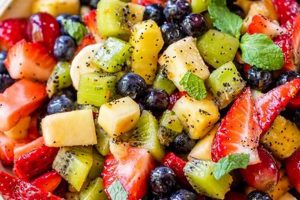
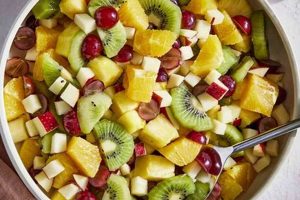
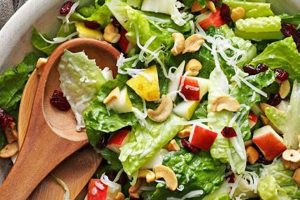
Combining various lettuces with the sweetness and textures of fruits creates refreshing and nutritious dishes. Examples include salads featuring romaine and strawberries with a balsamic glaze, butter lettuce with blueberries and feta, or a crisp iceberg lettuce salad with grapes and candied pecans. The possibilities for flavor and texture combinations are vast.
Fruit-infused salads offer significant nutritional advantages. Leafy greens provide vitamins A and K, while fruits contribute vitamins C and various antioxidants. The combination promotes diverse nutrient intake and offers a lighter alternative to heavier meals. Historically, the practice of combining fruits and vegetables in salads emerged as culinary traditions evolved and access to diverse ingredients expanded. This fusion resulted in dishes that balanced flavors, offered textural contrast, and provided a wider range of nutrients.
The following sections will delve into specific recipe examples, explore suitable fruit and lettuce pairings, and discuss preparation techniques for creating optimal flavor profiles and presentations.
Tips for Crafting Exceptional Fruit and Lettuce Salads
Achieving a well-balanced and flavorful salad involves careful consideration of ingredient selection, preparation techniques, and dressing choices.
Tip 1: Select Crisp, Fresh Lettuces: Opt for lettuces that offer structural integrity and a fresh, vibrant appearance. Romaine, butter lettuce, and iceberg provide excellent bases. Consider using a mix of lettuces for varied texture and flavor.
Tip 2: Choose Fruits at Peak Ripeness: Ripe fruits offer optimal sweetness and flavor. Consider seasonal fruits for the best quality and taste. Avoid overripe fruits, which can become mushy and detract from the salad’s overall appeal.
Tip 3: Balance Sweetness and Acidity: The interplay of sweet and tart flavors is key. Balance the sweetness of fruits with acidic elements like citrus vinaigrette or a touch of balsamic glaze. This contrast enhances the complexity of the salad.
Tip 4: Incorporate Textural Variety: Nuts, seeds, and cheeses add textural contrast. Toasted nuts like pecans or walnuts, along with crumbled feta or goat cheese, enhance the sensory experience.
Tip 5: Dress Lightly and Strategically: Avoid overdressing, which can weigh down the salad. A light vinaigrette or a simple lemon-herb dressing allows the flavors of the fruits and lettuces to shine. Consider adding the dressing just before serving to prevent the salad from becoming soggy.
Tip 6: Proper Storage Enhances Freshness: Store lettuces and fruits separately to maximize their shelf life. Wash and dry lettuces thoroughly before storing. Keep fruits at appropriate temperatures to maintain their quality. Combine ingredients just before serving for optimal freshness and crispness.
Tip 7: Consider Complementary Flavor Combinations: Certain fruit and lettuce combinations create particularly harmonious flavors. For example, strawberries pair well with spinach and balsamic vinaigrette, while blueberries complement feta cheese and a lemon-herb dressing.
By following these guidelines, one can create salads that showcase the vibrant flavors and textures of fresh produce, offering a nutritious and satisfying culinary experience.
The concluding section will offer additional resources for exploring a variety of fruit and lettuce salad recipes.
1. Fresh, Crisp Lettuce

The foundation of any successful fruit and lettuce salad lies in the quality of the lettuce itself. Fresh, crisp lettuce provides a textural counterpoint to the sweetness and softness of the fruit, creating a more dynamic and enjoyable eating experience. Its structural integrity also ensures the salad holds its shape and doesn’t become soggy, maintaining an appealing presentation.
- Structural Integrity
Crisp lettuce provides a sturdy base for the salad, preventing it from collapsing under the weight of the fruit and dressing. Leafy greens like romaine or butter lettuce offer robust leaves that hold their shape well. This is crucial for maintaining an appealing presentation and preventing a soggy salad.
- Textural Contrast
The crispness of the lettuce offers a refreshing contrast to the softer textures of the fruit. This interplay of textures creates a more engaging sensory experience. Imagine the crunch of iceberg lettuce against the juicy burst of a ripe strawberry the contrast enhances both elements.
- Flavor Enhancement
Fresh lettuce contributes a subtle, vegetal flavor that complements the sweetness of the fruit without overpowering it. Different lettuce varieties offer unique flavor profiles. For instance, the slightly bitter notes of radicchio can balance the sweetness of ripe figs, while the mild flavor of butter lettuce provides a neutral backdrop for delicate berries.
- Visual Appeal
Vibrant, crisp lettuce enhances the visual appeal of the salad. The bright green hues of fresh lettuce create an attractive backdrop for colorful fruits, making the dish more appetizing. This is especially important for presentation, as a visually appealing salad is more enticing.
The choice of fresh, crisp lettuce is therefore not merely a functional consideration but an essential element that contributes significantly to the overall success of a fruit and lettuce salad. Selecting the right lettuce variety and ensuring its freshness elevates the salad from a simple combination of ingredients to a carefully composed dish that delights the palate and the eye.
2. Ripe, Seasonal Fruit

Ripe, seasonal fruit forms an integral component of lettuce salad recipes, contributing significantly to flavor, nutritional value, and overall culinary appeal. Seasonality dictates peak ripeness, resulting in optimal sweetness and flavor complexity. This natural sweetness balances the vegetal notes of lettuce, creating a harmonious flavor profile. Furthermore, fruits in season offer superior nutritional content, maximizing the health benefits of the salad. For instance, summer berries bursting with antioxidants complement the vitamin-rich greens, creating a nutrient-dense meal. Conversely, using out-of-season fruit often results in bland flavors and diminished nutritional value, compromising the salad’s quality.
Consider the difference between a winter strawberry and one harvested at the peak of summer. The summer berry, ripened under abundant sunshine, offers a sweetness and depth of flavor unmatched by its winter counterpart. Similarly, a tree-ripened peach in late summer provides a more intense flavor experience compared to a peach harvested early and artificially ripened. Utilizing seasonal fruits not only enhances the sensory experience but also supports sustainable agricultural practices by reducing the need for long-distance transportation and artificial ripening methods. Choosing locally sourced, seasonal produce reduces the environmental impact and contributes to local economies.
Prioritizing ripe, seasonal fruit in lettuce salads elevates the dish beyond a simple combination of ingredients. It reflects a culinary awareness of flavor profiles, nutritional value, and sustainable practices. The heightened flavor, nutritional density, and reduced environmental impact collectively underscore the significance of seasonal fruit selection. Challenges may include limited availability and fluctuating prices depending on the season. However, embracing seasonality encourages culinary creativity and promotes an appreciation for the natural rhythms of food production.
3. Balanced Flavor Profiles
Balanced flavor profiles are essential for creating harmonious and palatable lettuce salads with fruit. A successful salad is not merely a collection of ingredients but a carefully constructed composition where each element complements the others. Balancing flavors involves strategically combining sweet, sour, salty, bitter, and savory notes to achieve a complex and satisfying taste experience.
- Sweetness of Fruit
Fruit provides the primary source of sweetness in these salads. The level of sweetness varies depending on the fruit chosen; ripe berries offer a delicate sweetness, while tropical fruits like mango provide a more intense sweetness. This sweetness serves as a foundation, anchoring the other flavor components.
- Acidity as a Counterpoint
Acidity is crucial for balancing the sweetness of the fruit. This can be achieved through various means: incorporating acidic fruits like citrus segments, adding a vinaigrette with vinegar or lemon juice, or including ingredients like pickled onions. The acidity cuts through the sweetness, preventing the salad from becoming cloying.
- Savory and Bitter Elements
Incorporating savory or bitter elements adds depth and complexity. Nuts, cheeses, or herbs provide savory notes, while bitter greens like arugula or radicchio introduce a contrasting bitterness. These additions create a more sophisticated flavor profile, moving beyond simple sweet and sour contrasts.
- Textural Considerations
Texture plays a role in perceived flavor balance. The crispness of lettuce, the juiciness of fruit, and the crunch of nuts create a varied textural landscape that enhances the overall eating experience. A salad with only soft textures can feel monotonous, while a variety of textures adds interest and complexity.
By strategically combining these elementssweetness, acidity, savory/bitter notes, and textural contrastsone can achieve a balanced and harmonious flavor profile in lettuce salads with fruit. This careful consideration elevates the dish from a simple mix of ingredients to a well-crafted culinary creation. Ignoring flavor balance can result in a salad that is either too sweet, too tart, or lacking in complexity. A well-balanced salad, on the other hand, offers a nuanced and satisfying taste experience where each element contributes to a harmonious whole.
4. Complementary Textures

Textural diversity elevates lettuce salads with fruit from simple to sophisticated. The interplay of crisp, juicy, and crunchy elements creates a dynamic sensory experience, enhancing enjoyment and satisfaction. Crisp lettuce, such as romaine or iceberg, provides a structural foundation and a refreshing counterpoint to softer ingredients. Juicy fruits, like berries or melon, contribute bursts of sweetness and moisture. Adding crunchy elements, such as nuts, seeds, or croutons, introduces another layer of textural contrast. This combination of textures stimulates the palate and makes each bite more engaging.
Consider a salad combining crisp romaine lettuce, juicy sliced strawberries, and toasted slivered almonds. The romaine provides a sturdy base and a satisfying crunch. The strawberries offer a burst of sweetness and juiciness. The almonds add a toasty flavor and a pleasant crunch. The interplay of these textures creates a more complex and enjoyable eating experience than a salad with uniform textures. Similarly, a salad with soft butter lettuce, juicy grapes, and crumbled feta cheese offers a different but equally appealing textural profile. The soft lettuce complements the juicy grapes, while the feta provides a creamy, crumbly counterpoint.
Understanding the importance of complementary textures allows for strategic ingredient selection and preparation. Toasted nuts offer a different textural experience compared to raw nuts. Roasted vegetables can add a firm, slightly charred element. Even the way the fruit is preparedsliced, diced, or left wholeaffects the overall texture of the salad. Attention to these details elevates the salad from a simple combination of ingredients to a carefully composed dish offering a more satisfying culinary experience.
5. Appropriate Dressings

Dressing selection significantly impacts the overall success of lettuce salads with fruit. The dressing should complement, not overpower, the delicate flavors of fresh produce. A heavy, creamy dressing can mask the subtle sweetness of the fruit and the crispness of the lettuce. Conversely, a light and flavorful vinaigrette enhances the natural flavors while adding a touch of acidity to balance the sweetness. The choice of dressing should also consider the specific types of lettuce and fruit used. For example, a light citrus vinaigrette complements a salad with berries and spinach, while a balsamic vinaigrette pairs well with strawberries and romaine.
Specific examples illustrate the impact of dressing choice. A salad featuring delicate butter lettuce, sweet raspberries, and crumbled goat cheese benefits from a light raspberry vinaigrette. The tartness of the vinaigrette enhances the sweetness of the raspberries and the tanginess of the goat cheese without masking the delicate flavor of the butter lettuce. However, the same dressing would overwhelm a salad with robust kale, tart apples, and toasted walnuts. A more assertive apple cider vinaigrette would provide a better balance in this case. The acidity of the apple cider complements the tartness of the apples, while its bolder flavor stands up to the hearty kale and toasted walnuts.
Understanding the nuanced relationship between dressings and salad ingredients allows for informed choices that elevate the culinary experience. Careful consideration of flavor profiles, textures, and the desired balance of sweetness and acidity guides appropriate dressing selection. Overdressing can mask delicate flavors and create a soggy salad, while underdressing can result in a bland and unsatisfying dish. The right dressing enhances the natural flavors of the ingredients, creating a harmonious and balanced culinary composition. This attention to detail transforms a simple salad into a nuanced and enjoyable dish.
6. Proper Storage Techniques

Proper storage techniques are crucial for maintaining the quality and freshness of ingredients in lettuce salads with fruit. Improper storage can lead to wilted lettuce, mushy fruit, and a less appealing final product. Maintaining optimal ingredient quality through proper storage directly impacts the salad’s flavor, texture, and visual appeal. Storing lettuce and fruit separately is essential. Lettuce requires a cool, humid environment to prevent wilting, while different fruits have varying storage requirements. Some fruits, like berries, are best stored unwashed in the refrigerator, while others, like apples, can be stored at room temperature or in a cool, dry place.
Specific examples illustrate the practical significance of proper storage. Storing unwashed berries in a single layer on a paper towel-lined container in the refrigerator helps prevent moisture buildup and spoilage. Conversely, storing berries in a sealed plastic bag can trap moisture, accelerating decay. Similarly, storing lettuce in a perforated bag or container in the crisper drawer helps maintain optimal humidity. Washing lettuce before storage can introduce excess moisture, leading to premature wilting. Pre-cut fruit, especially susceptible to browning, benefits from a light coating of lemon juice and airtight storage. Understanding these nuances allows for maximized freshness and minimizes waste.
Effective storage practices contribute significantly to the overall quality and enjoyment of lettuce salads with fruit. Preserving ingredient freshness through proper storage ensures optimal flavor, texture, and visual appeal. These practices not only enhance the sensory experience but also minimize food waste, contributing to more sustainable consumption. Neglecting proper storage techniques compromises the quality of ingredients, impacting the overall culinary outcome. Implementing proper storage protocols maximizes ingredient lifespan and enhances the final salad’s quality, demonstrating a commitment to culinary excellence and resourcefulness.
7. Creative Presentation

Creative presentation elevates lettuce salads with fruit from mere sustenance to visually appealing culinary creations. Strategic arrangement of ingredients enhances the perceived value and enjoyment of the dish. Visual appeal stimulates appetite and creates a more engaging dining experience. Color, texture, and height contribute to a visually dynamic presentation. Consider a salad where vibrant berries are artfully scattered amongst crisp lettuce leaves, creating a tapestry of color and texture. Adding height, perhaps with a mound of crumbled cheese or a sprinkle of toasted nuts, adds visual interest and dimension. Such intentional arrangements transform a simple salad into an aesthetically pleasing culinary composition.
Practical applications of creative presentation extend beyond home kitchens. Restaurants leverage creative plating techniques to enhance the perceived value of their dishes. Food stylists utilize these principles for photography and media, showcasing the artistry of food presentation. Caterers employ creative presentation to make their offerings more appealing at events. Even in a home setting, a thoughtfully arranged salad communicates care and attention to detail, enhancing the overall dining experience. Consider the difference between a salad haphazardly tossed together and one where ingredients are deliberately placed. The latter demonstrates an intentionality that elevates the dish beyond simple nourishment.
Creative presentation, therefore, plays a significant role in the overall enjoyment and perceived value of lettuce salads with fruit. Visual appeal enhances the dining experience, stimulating appetite and creating a sense of occasion. Practical applications span various culinary contexts, from professional food styling to home cooking. While challenges may include time constraints and skill development, the benefits of creative presentation are undeniable. Investing time and effort in thoughtful presentation elevates the simplest of salads to a visually captivating and more enjoyable culinary experience.
Frequently Asked Questions
This section addresses common inquiries regarding the creation and enjoyment of lettuce salads with fruit.
Question 1: How can browning of certain fruits, such as apples and bananas, be prevented after slicing?
A light coating of lemon or lime juice inhibits enzymatic browning by lowering the pH on the fruit’s surface. This helps maintain the fruit’s visual appeal and prevents discoloration.
Question 2: What are optimal lettuce varieties for maintaining crispness in salads with juicy fruits?
Heartier lettuce varieties, such as romaine, iceberg, or little gem, offer greater structural integrity and are less prone to wilting when combined with juicy fruits. These options provide a sturdy base for the salad.
Question 3: Can pre-washed, bagged lettuce be used in these salads?
While convenient, pre-washed lettuce can have a shorter shelf life and may become soggy more quickly. If using pre-washed lettuce, it is best to consume the salad promptly after preparation.
Question 4: How can one balance the sweetness of fruit with other flavor profiles in the salad?
Incorporating acidic elements, such as citrus segments, vinaigrette, or pickled vegetables, balances sweetness. Adding savory components, like nuts, cheese, or cured meats, provides complexity and depth of flavor.
Question 5: What are recommended storage practices for maximizing the freshness of prepared salads?
Storing prepared salads is generally discouraged as the lettuce can wilt and the fruit can release excess moisture. It’s best to combine ingredients and add dressing just before serving for optimal freshness.
Question 6: Are there specific nutrient considerations when combining various fruits and lettuces?
Combining different fruits and lettuces offers a broader range of vitamins and minerals. Darker leafy greens, like spinach and kale, offer higher concentrations of certain nutrients compared to lighter varieties like iceberg.
Addressing these common inquiries promotes successful preparation and enjoyment of lettuce salads with fruit. Understanding these aspects ensures a satisfying culinary experience.
The following section explores a variety of recipe combinations and serving suggestions.
Lettuce Salad Recipes with Fruit
Exploration of lettuce salad recipes with fruit reveals the potential for culinary creativity and nutritional synergy. Careful consideration of lettuce variety, fruit selection, textural contrasts, complementary dressings, and thoughtful presentation elevates these salads from simple combinations to sophisticated culinary expressions. Proper storage techniques maintain ingredient freshness, optimizing flavor and visual appeal. Balancing flavor profiles, incorporating acidity to offset sweetness, and adding savory or bitter elements create a more nuanced and satisfying taste experience. These salads offer not only nutritional value but also opportunities for culinary exploration.
The synthesis of fresh, crisp lettuce and ripe, seasonal fruit offers a versatile culinary canvas. Continued exploration of flavor combinations and presentation techniques promises further evolution of lettuce salad recipes with fruit. This culinary approach embraces seasonality, encourages mindful ingredient selection, and fosters an appreciation for the natural harmony of flavors and textures. Ultimately, the enduring appeal of lettuce salad recipes with fruit lies in their capacity to nourish and delight, offering a refreshing and flavorful culinary experience.