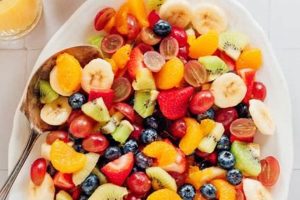
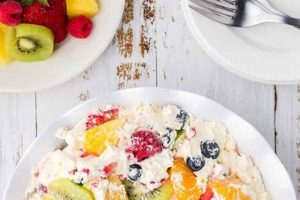
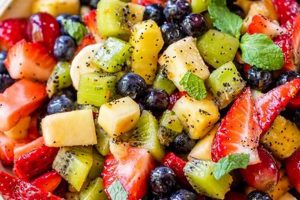
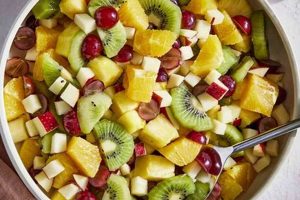
A chilled dessert featuring a mixture of fresh or canned fruits, often enhanced with a sweetened whipped topping creates a light and refreshing treat. Variations may include the addition of nuts, marshmallows, or other flavorings to complement the natural sweetness of the fruit. For instance, a simple version might combine berries, melon, and grapes folded into a commercial whipped topping.
The popularity of this type of dessert stems from its ease of preparation, adaptability to seasonal ingredients, and generally pleasing flavor profile. Historically, access to refrigeration and commercially produced whipped toppings contributed to the rise of such recipes, offering a convenient alternative to more labor-intensive desserts. This convenient approach allows for quick assembly, making it ideal for potlucks, picnics, or a simple weeknight treat. The versatility of the dessert allows for endless customization based on individual preferences and available produce.
The following sections will delve deeper into specific recipe variations, explore techniques for achieving optimal flavor and texture, and discuss considerations for ingredient selection and storage.
Tips for a Delicious Fruit Salad with Whipped Topping
Achieving a well-balanced and flavorful fruit salad enhanced with whipped topping requires attention to detail. These tips offer guidance for optimal results.
Tip 1: Fruit Selection is Key: Opt for a variety of fruits with complementary flavors and textures. Consider a mix of berries, melons, citrus fruits, and grapes. Ripe, but firm, fruit ensures the best flavor and prevents the salad from becoming overly mushy.
Tip 2: Proper Preparation Prevents Sogginess: Wash and thoroughly dry all fruits before adding them to the salad. Excess moisture can dilute the whipped topping and create an undesirable texture.
Tip 3: Uniformity Enhances Presentation: Cut fruits into consistent sizes for even distribution and a visually appealing presentation. Bite-sized pieces are ideal for easy serving and enjoyment.
Tip 4: Gentle Folding Preserves Texture: When incorporating the whipped topping, fold it gently into the fruit mixture. Avoid vigorous stirring, which can deflate the topping and create a denser consistency.
Tip 5: Timing is Crucial for Freshness: For optimal flavor and texture, it is recommended to combine the fruit and whipped topping shortly before serving. This prevents the fruit from releasing excess moisture and maintains the airy texture of the topping.
Tip 6: Enhancements Add Complexity: A touch of citrus zest, a sprinkle of toasted nuts, or a drizzle of honey can elevate the flavor profile of the dessert. Experiment with complementary flavors to create unique variations.
Tip 7: Proper Storage Maintains Quality: If preparing the salad in advance, store the fruit mixture and whipped topping separately and combine just before serving. This helps preserve the freshness and integrity of each component.
By following these tips, one can create a refreshing and visually appealing dessert suitable for a variety of occasions. Careful selection, preparation, and assembly ensure a delightful culinary experience.
In conclusion, a successful fruit salad with whipped topping relies on a thoughtful combination of fresh ingredients and mindful preparation techniques.
1. Fresh, Ripe Fruit

Fresh, ripe fruit forms the foundation of a successful fruit salad incorporating whipped topping. The quality of the fruit directly impacts the overall flavor, texture, and visual appeal of the dish. Fruit at peak ripeness offers optimal sweetness and a pleasing texture, enhancing the creamy richness of the whipped topping. Underripe fruit can result in a tart or bland flavor profile, while overripe fruit may contribute to an undesirable mushy consistency. For example, using firm, sweet strawberries in contrast to soft, slightly sour ones creates a noticeable difference in the final product. The choice of fresh, ripe fruit contributes significantly to the balance of sweetness and acidity, creating a harmonious flavor profile.
Selecting fresh, ripe fruit also offers textural variety. A combination of fruits with different levels of firmnesssuch as crisp apples or grapes alongside softer berries and melonscreates a more engaging sensory experience. This contrast in textures prevents the salad from becoming monotonous and adds complexity to each bite. Furthermore, the vibrant colors of fresh, ripe fruit enhance the visual appeal of the dessert. A mix of colorful fruits creates a visually attractive presentation, making the dish more enticing.
The importance of using fresh, ripe fruit extends beyond flavor and aesthetics to food safety considerations. Damaged or decaying fruit can harbor bacteria that pose health risks. Selecting and handling fresh produce carefully is crucial for maintaining food safety standards. Thoroughly washing fruit before consumption further mitigates potential risks. In summary, the use of fresh, ripe fruit is paramount for a successful fruit salad with whipped topping. It ensures optimal flavor, textural complexity, visual appeal, and contributes to a safe and enjoyable culinary experience.
2. Variety of Textures

Textural diversity significantly contributes to the overall enjoyment of a fruit salad enhanced with whipped topping. A combination of contrasting textures elevates the sensory experience beyond mere sweetness, creating a more dynamic and engaging culinary experience. Understanding the interplay of textures within the dish allows for a more deliberate and satisfying result.
- Crispness and Crunch
Elements like apples, pears, or grapes introduce a refreshing crispness and satisfying crunch. These textures contrast with the smoothness of the whipped topping and the softer textures of other fruits. The interplay of crisp and smooth elements prevents the salad from becoming texturally monotonous, adding a dynamic element to each bite. For example, the snap of a grape complements the smooth creaminess of the topping, creating a textural counterpoint.
- Softness and Juiciness
Fruits like berries, melon, and oranges contribute a burst of juiciness and a soft, yielding texture. These elements provide a textural contrast to firmer fruits and offer a different mouthfeel. The balance of juicy and firm components contributes to a more complex and satisfying sensory experience. The juicy burst of a ripe strawberry juxtaposed with a firmer grape exemplifies this interplay.
- The Role of the Whipped Topping
The smooth, airy texture of the whipped topping acts as a unifying element, binding the diverse textures of the fruit together. It provides a creamy backdrop against which the other textures stand out. The topping’s texture also contributes to the overall lightness and refreshing quality of the dish. Its smoothness coats the palate, enhancing the perception of the various fruit textures.
- Balancing Textures for Optimal Enjoyment
A well-balanced fruit salad with whipped topping incorporates a variety of textures in appropriate proportions. Overemphasis on one type of texture can lead to a less satisfying experience. For example, a salad consisting primarily of soft fruits might lack the textural contrast that makes the dish more appealing. A thoughtful combination of crisp, soft, and creamy elements creates a harmonious and enjoyable culinary experience.
The careful consideration of textural variety elevates the fruit salad with whipped topping from a simple combination of ingredients to a more complex and satisfying dessert. The interplay of crisp, soft, and creamy elements creates a dynamic sensory experience that enhances enjoyment. By understanding and utilizing these textural nuances, one can create a more balanced and appealing culinary creation.
3. Balanced Sweetness

Balanced sweetness is crucial for a successful fruit salad incorporating whipped topping. The perceived sweetness of the dessert results from the interplay of sugars naturally present in the fruit and the added sweetness of the topping. Careful consideration of this balance prevents the final product from being overly sweet or bland, ensuring a harmonious flavor profile.
- Natural Sugars in Fruit
Fruits possess varying degrees of natural sweetness. Berries, for example, tend to be less sweet than melons or ripe bananas. Selecting a variety of fruits with different sweetness levels contributes to a more balanced overall flavor. Utilizing tart fruits like raspberries alongside sweeter options such as mangoes creates a more complex and nuanced sweetness profile.
- Sweetness of the Whipped Topping
Commercial whipped toppings contain added sugars. The level of sweetness varies depending on the brand and type of topping. This added sweetness contributes significantly to the overall sweetness of the fruit salad. Choosing a less sweet whipped topping allows for greater flexibility in fruit selection and can prevent the dessert from becoming cloyingly sweet.
- Balancing the Components
Achieving balanced sweetness requires careful consideration of the inherent sweetness of chosen fruits and the sweetness of the whipped topping. If using predominantly sweet fruits, a less sweet or even a slightly tart whipped topping might be preferable. Conversely, if incorporating tart fruits, a sweeter topping can help balance the overall flavor. The goal is to create a harmonious blend of sweetness that complements the natural flavors of the fruit.
- Adjusting Sweetness
While the inherent sweetness of fruit and whipped topping provides a foundation, adjustments can be made to fine-tune the overall sweetness. A small amount of honey or maple syrup can be added to enhance sweetness if needed. Alternatively, a squeeze of lemon or lime juice can introduce a subtle tartness to counterbalance excessive sweetness. These adjustments allow for customization based on individual preference and specific fruit combinations.
Balanced sweetness elevates the fruit salad with whipped topping from a simple combination of ingredients to a more refined and enjoyable dessert. The careful consideration of the interplay between the natural sweetness of fruit and the added sweetness of the topping ensures a harmonious flavor profile, enhancing the overall culinary experience. By understanding these nuances, one can create a dessert that is both refreshing and satisfying.
4. Chilled Ingredients
Temperature plays a critical role in the palatability and food safety of a fruit salad enhanced with whipped topping. Chilling ingredients prior to assembly contributes significantly to the overall enjoyment and safety of the dish. Lower temperatures enhance the refreshing quality of the dessert, while also inhibiting bacterial growth.
The perceived sweetness of fruit is influenced by temperature. Chilled fruit tends to taste less sweet than room temperature fruit, allowing the natural sweetness of the fruit and the sweetness of the whipped topping to balance harmoniously. Additionally, cooler temperatures solidify the fats in the whipped topping, contributing to a firmer, more stable texture. This prevents the topping from melting quickly and maintains its airy consistency. A fruit salad served with chilled components offers a more refreshing and texturally pleasing experience, particularly in warmer weather. Conversely, serving the dessert with room temperature ingredients can result in a less appealing, softer texture and an overly sweet flavor profile.
Beyond enhancing sensory enjoyment, chilling ingredients contributes to food safety. Lower temperatures inhibit the growth of microorganisms, reducing the risk of foodborne illness. This is particularly important for vulnerable populations, such as children and the elderly. Maintaining appropriate temperatures throughout preparation and serving is crucial for ensuring a safe and enjoyable culinary experience. Therefore, chilling ingredients is not merely a matter of preference, but a key factor in both the enjoyment and safety of the fruit salad with whipped topping.
5. Gentle Folding Technique

The gentle folding technique is crucial when combining the whipped topping with the fruit mixture in a fruit salad recipe. This method preserves the desired texture and consistency of both the fruit and the topping, contributing significantly to the overall quality of the dessert. Aggressive mixing can damage delicate fruit pieces, deflate the whipped topping, and result in an unappetizing, dense mixture. A gentle folding motion ensures the components are combined thoroughly while maintaining their individual integrity.
- Preserving Whipped Topping Volume
Whipped topping derives its light and airy texture from incorporated air. Vigorous mixing forces this air out, resulting in a denser, less appealing consistency. The gentle folding technique minimizes air loss, preserving the topping’s volume and lightness. This contributes to the desired texture of the finished fruit salad.
- Maintaining Fruit Integrity
Many fruits commonly used in fruit salads, such as berries and bananas, are delicate and easily bruised. Aggressive stirring can crush these fruits, releasing excess juices and creating a mushy texture. Gentle folding minimizes damage to the fruit, preserving its shape and texture, thereby enhancing the visual appeal and overall quality of the salad.
- Achieving Even Distribution
While maintaining a light touch, the folding technique ensures the whipped topping is evenly distributed throughout the fruit mixture. This prevents pockets of unincorporated topping and ensures that each bite contains a balanced combination of fruit and topping. Even distribution contributes to a consistent flavor and texture throughout the salad.
- Enhancing Visual Appeal
The gentle folding technique helps maintain the distinct appearance of the fruit pieces and the whipped topping. This visual separation contributes to the overall attractiveness of the dessert. A well-executed folding technique results in a visually appealing salad where individual fruit pieces are coated in a light layer of whipped topping, rather than being submerged in a dense, homogenous mixture.
In conclusion, the gentle folding technique is essential for creating a fruit salad with whipped topping that is both visually appealing and texturally pleasing. It preserves the airy lightness of the whipped topping and the integrity of the fruit, resulting in a harmonious blend of flavors and textures. Mastery of this technique significantly contributes to a more successful and enjoyable culinary outcome.
6. Appropriate Serving Size
Appropriate serving size is a crucial consideration when preparing and serving fruit salad with whipped topping. Portion control affects both the enjoyment and the nutritional implications of consuming this dessert. Understanding appropriate serving sizes contributes to a balanced dietary intake and prevents overconsumption, which can lead to excessive sugar and calorie intake. Appropriate portioning also minimizes food waste and allows for better planning when serving groups.
- Individual Nutritional Needs
Serving sizes should align with individual dietary needs and goals. Factors such as age, activity level, and overall health influence appropriate portion sizes. A smaller serving might suffice for individuals aiming to reduce sugar intake, while a larger portion might be appropriate for those with higher caloric needs. Consulting nutritional guidelines or a healthcare professional can provide personalized recommendations.
- Meal Context
The context of the meal influences appropriate serving size. When served as a dessert following a larger meal, a smaller portion of fruit salad with whipped topping is generally appropriate. Conversely, if served as a light snack or part of a brunch, a larger serving might be acceptable. Considering the overall meal composition helps determine a balanced portion size.
- Ingredient Density
The density of ingredients within the fruit salad impacts appropriate serving size. A salad with denser fruits like bananas or apples might require a smaller serving compared to a salad composed primarily of lighter fruits like berries or melon. The caloric and sugar content per unit volume varies depending on the types of fruit included. Understanding the density of ingredients allows for better portion control.
- Presentation and Container Size
The size and shape of serving containers can influence perceived portion size. Using smaller bowls or dishes can create the illusion of a larger serving, potentially reducing the tendency to overconsume. Conversely, serving the salad in a large bowl might encourage larger portions. Mindful selection of serving containers contributes to appropriate portioning.
Careful consideration of appropriate serving size contributes to a more balanced and enjoyable experience when consuming fruit salad with whipped topping. Balancing individual nutritional needs, meal context, ingredient density, and presentation allows for portion control, preventing overconsumption and promoting mindful enjoyment of this dessert. Appropriate portioning supports both individual health goals and responsible food consumption practices.
Frequently Asked Questions
This section addresses common inquiries regarding fruit salad preparation incorporating whipped topping.
Question 1: Can frozen fruit be used?
While fresh fruit is generally recommended for optimal texture and flavor, frozen fruit can be used. Thawing and draining the fruit thoroughly before combining it with the whipped topping is essential to prevent excess moisture, which can dilute the topping and create a watery consistency.
Question 2: How long can fruit salad with whipped topping be stored?
For optimal quality, it is recommended to consume the salad within two hours of preparation, especially if using fresh fruit. If storage is necessary, store the fruit and whipped topping separately and combine just prior to serving. Refrigeration at or below 40F (4C) is crucial for food safety.
Question 3: What are suitable alternatives to commercial whipped topping?
Alternatives include homemade whipped cream, Greek yogurt, or coconut cream. These options offer varying levels of sweetness and texture and can be adjusted to suit individual preferences. Consider the flavor profile of the fruit when selecting an alternative topping.
Question 4: How can browning of fruit be prevented?
Fruits susceptible to browning, such as apples and bananas, can be treated with a solution of lemon juice and water to inhibit enzymatic browning. This helps maintain the fruit’s appearance and prevents discoloration.
Question 5: Can canned fruit be used?
Canned fruit can be a convenient option. Choose fruit canned in its own juice or light syrup to control sweetness. Drain the fruit thoroughly before adding it to the salad to prevent excess liquid from affecting the whipped topping’s consistency.
Question 6: What are some ways to enhance the flavor profile?
Incorporating citrus zest, a sprinkle of spices like cinnamon or nutmeg, or a drizzle of honey or maple syrup can enhance flavor complexity. Toasted nuts or shredded coconut add texture and complementary flavors.
Careful consideration of these frequently asked questions ensures a successful and enjoyable fruit salad experience. Attention to ingredient selection, preparation methods, and storage guidelines contributes to both flavor and food safety.
For further exploration, the following section offers specific recipe variations.
Fruit Salad Recipe Cool Whip
This exploration of fruit salad enhanced with whipped topping has highlighted key elements contributing to a successful outcome. Ingredient selection, emphasizing fresh, ripe fruit and a variety of textures, forms the foundation. Balanced sweetness, achieved through mindful consideration of fruit sugars and topping choice, is crucial. Temperature management through chilled ingredients enhances both flavor and food safety. Gentle folding techniques preserve the integrity of ingredients, while appropriate serving sizes promote balanced consumption. Addressing common preparation and storage questions provides practical guidance.
The enduring appeal of this dessert lies in its adaptability and refreshing simplicity. Potential for flavor and textural variations is vast, offering opportunities for personalized culinary expression. From everyday enjoyment to special occasions, a well-composed fruit salad with whipped topping remains a timeless and versatile culinary choice.