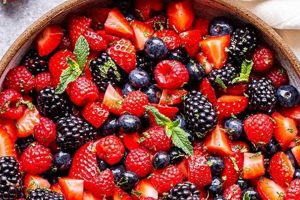
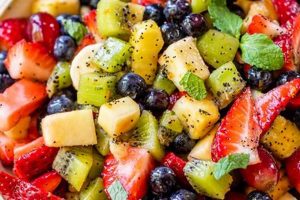
Combinations of fresh fruits, often enhanced with a simple dressing or syrup, offer a refreshing and nutritious dish suitable for various occasions. A straightforward approach might involve blending berries, melon, and grapes, drizzled with a light honey-lime dressing. Such preparations typically require minimal culinary expertise and utilize readily available ingredients.
Fresh fruit mixtures provide essential vitamins, minerals, and dietary fiber, contributing to a healthy diet. Their vibrant colors and diverse flavors make them appealing across age groups, serving as a delightful dessert, snack, or breakfast component. Historically, fruit salads have evolved from simple combinations of seasonal produce to more elaborate creations incorporating diverse ingredients and intricate preparations. Their adaptability has ensured their continued presence in culinary traditions worldwide.
This discussion will further explore specific fruit combinations, preparation techniques, dressing options, and creative presentation ideas, offering a comprehensive guide to crafting delectable and healthful fruit-based dishes.
Tips for Creating Delightful Fruit Salads
Achieving a balanced and flavorful fruit salad involves careful consideration of fruit selection, preparation techniques, and complementary ingredients. The following tips offer guidance for crafting a successful and enjoyable dish.
Tip 1: Select fruits at peak ripeness. Ripe fruits offer optimal flavor and texture. Avoid overripe or underripe specimens, as they can negatively impact the overall quality of the salad.
Tip 2: Consider a variety of textures and flavors. Combine fruits with contrasting textures, such as crisp apples and juicy berries, for a more interesting sensory experience. Balance sweetness with tartness by incorporating fruits like oranges or kiwi.
Tip 3: Prepare fruit immediately before serving. To prevent browning and maintain freshness, cut fruits just before combining them. If advance preparation is necessary, store cut fruits in an airtight container with a squeeze of lemon juice to minimize oxidation.
Tip 4: Choose a complementary dressing. A simple dressing can enhance the flavors of the fruit. Light vinaigrettes, honey-based dressings, or a sprinkle of citrus zest offer refreshing complements without overpowering the natural fruit flavors.
Tip 5: Add a touch of herbs or spices. Fresh mint, basil, or a pinch of cinnamon can add depth and complexity to the salad. Experiment with different flavor combinations to discover unique and exciting profiles.
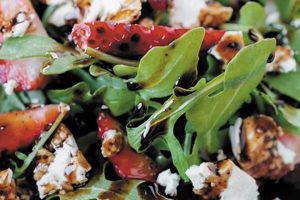
Tip 6: Consider incorporating additional ingredients. Toasted nuts, seeds, crumbled cheese, or a dollop of yogurt can provide contrasting textures and flavors, elevating the salad beyond a simple fruit mixture.
Tip 7: Present the salad attractively. A visually appealing presentation enhances the dining experience. Arrange the fruit in a decorative bowl or individual serving dishes for an elegant touch.
By following these guidelines, one can create a fruit salad that is both visually appealing and deliciously satisfying. Attention to detail, from fruit selection to presentation, ensures a culinary experience that is both healthful and enjoyable.
These tips provide a solid foundation for crafting exceptional fruit salads. Experimentation with different combinations and techniques will further refine skills and lead to the discovery of personalized preferences.
1. Fresh, Seasonal Ingredients

Utilizing fresh, seasonal ingredients forms the cornerstone of straightforward and flavorful fruit salads. Seasonality dictates peak ripeness, resulting in optimal flavor profiles and nutrient density. Fruits harvested in their natural season require minimal manipulation, aligning with the “easy” aspect of these recipes. For instance, a summer fruit salad benefits from the naturally sweet and juicy characteristics of ripe berries and melons, minimizing the need for added sugars or complex preparations. Conversely, out-of-season fruits often lack flavor, requiring additional processing or sweeteners that detract from the simplicity and nutritional value of the salad.
This connection between seasonality and ease extends beyond flavor. Procuring seasonal produce often translates to greater affordability and accessibility. Local farmers’ markets or grocery stores frequently feature in-season fruits at lower prices, simplifying the ingredient acquisition process. Furthermore, utilizing readily available, seasonal produce supports sustainable agricultural practices and reduces the environmental impact associated with long-distance transportation. A winter citrus salad utilizing readily available oranges and grapefruits exemplifies this practicality, offering a flavorful and sustainable option.
In summary, the emphasis on fresh, seasonal ingredients in easy fruit salad recipes signifies more than just a culinary guideline. It represents a commitment to flavor optimization, nutritional value, accessibility, and environmental consciousness. Acknowledging and implementing this principle contributes significantly to creating enjoyable and responsible culinary experiences. While challenges such as regional availability and personal preferences exist, prioritizing seasonal produce offers a pathway to crafting simple, delicious, and sustainable fruit salads.
2. Simple Preparation Methods
The ease associated with fruit salad recipes hinges significantly on streamlined preparation methods. Minimizing complexity in the preparation stage contributes directly to the accessibility and appeal of these dishes. This focus on simplicity encourages culinary creativity even for those with limited time or experience.
- Basic Knife Skills
Fundamental knife skills, such as chopping, dicing, and slicing, suffice for most fruit salad preparations. Elaborate cutting techniques are unnecessary. For example, evenly sized melon cubes ensure consistent texture and appearance, while a simple slice suffices for bananas or strawberries. This reliance on basic skills removes a significant barrier to entry for novice cooks.
- Minimal Equipment
Creating a fruit salad requires minimal specialized equipment. Common kitchen tools like cutting boards, knives, and mixing bowls are generally sufficient. Avoiding complex gadgets or appliances streamlines the process and reduces cleanup time. This accessibility makes fruit salad preparation feasible in various settings, from home kitchens to outdoor picnics.
- Quick Assembly
The assembly process for fruit salads is inherently straightforward. Once the fruits are washed and cut, they are simply combined in a bowl. No cooking or baking is required, making it a rapid and convenient dish to prepare. This quick assembly makes fruit salad an ideal option for last-minute gatherings or quick, healthful snacks.
- Adaptable Techniques
Preparation techniques can be adapted based on available ingredients and personal preferences. Pre-cut fruit can be utilized to further reduce preparation time. Frozen fruit offers an alternative for out-of-season options, though thawing and potential excess moisture should be considered. This adaptability underscores the inherent flexibility and convenience of fruit salad preparation.
These straightforward preparation methods contribute significantly to the accessibility and popularity of fruit salads. The emphasis on simplicity empowers individuals to create nutritious and flavorful dishes with minimal effort, promoting healthy eating habits and culinary exploration.
3. Versatile Flavor Combinations
The inherent versatility of fruit allows for extensive flavor exploration within the realm of easy fruit salad recipes. This adaptability caters to diverse palates and dietary preferences, contributing significantly to the enduring popularity of fruit-based dishes. Understanding the interplay of different flavor profiles empowers individuals to create customized salads that are both nutritious and enjoyable.
- Balancing Sweet and Tart
A successful fruit salad often balances sweetness with tartness. Combining fruits like sweet berries with tart citrus segments creates a more complex and refreshing flavor profile. This balance prevents the salad from becoming overly sweet and adds a dimension of brightness. Consider incorporating raspberries and grapefruit segments for a classic example of this balance.
- Incorporating Texture Variety
Textural contrast enhances the sensory experience of a fruit salad. Combining soft fruits like bananas and grapes with crisp fruits like apples and pears creates a more interesting and satisfying mouthfeel. This variety prevents a monotonous texture and adds an element of surprise. A combination of sliced grapes, diced apples, and chunks of pineapple exemplifies this textural interplay.
- Highlighting Seasonal Flavors
Emphasizing seasonal fruits allows for exploration of specific flavor profiles associated with different times of the year. A summer fruit salad might feature berries and melons, while a fall version could showcase apples, pears, and pomegranates. This focus on seasonality ensures access to peak ripeness and celebrates the unique flavors offered by each season.
- Enhancing with Herbs and Spices
A touch of herbs or spices can elevate a simple fruit salad to a new level of complexity. Fresh mint complements melon and berries, while a pinch of cinnamon enhances apples and pears. These additions provide subtle yet noticeable flavor nuances, transforming a basic fruit mixture into a more sophisticated culinary creation. Experimentation with herbs and spices can unlock unique and personalized flavor combinations.
The potential for versatile flavor combinations within easy fruit salad recipes reinforces their adaptability and appeal. By understanding the interplay of sweetness, tartness, texture, seasonality, and complementary additions, individuals can craft personalized salads that satisfy individual preferences and nutritional needs. This inherent flexibility ensures that fruit salads remain a refreshing and customizable culinary staple.
4. Minimal Added Sugars
Restricting added sugars in fruit salads aligns with health-conscious approaches to recipe development and emphasizes the natural sweetness of fresh fruit. This practice contributes to the “easy” aspect of these recipes by reducing the need for complex syrups or sugary dressings. Focusing on the inherent flavors of the fruit simplifies preparation and promotes a more healthful dietary choice.
- Enhanced Natural Flavors
Minimizing added sugars allows the natural sweetness and nuanced flavors of the fruit to take center stage. The inherent sweetness of ripe berries, melons, or other fruits provides ample sweetness without the need for supplemental sugars. This emphasis on natural flavors simplifies the recipe and promotes a cleaner, more refreshing taste profile.
- Health Benefits
Reduced sugar consumption contributes to various health benefits, including weight management, improved blood sugar control, and reduced risk of chronic diseases. Fruit salads, naturally rich in vitamins, minerals, and fiber, become even more health-promoting when prepared without excessive added sugars. This nutritional advantage reinforces the value of easy fruit salad recipes as part of a balanced diet.
- Simplified Preparation
Eliminating the need for complex sugar-based dressings or syrups simplifies the preparation process. A simple squeeze of citrus juice or a light drizzle of honey may suffice to enhance the natural fruit flavors without adding excessive sweetness. This streamlined approach aligns with the “easy” premise of these recipes, making them more accessible and convenient.
- Increased Nutritional Value
Avoiding added sugars preserves the nutritional integrity of the fruit. Fruits naturally contain fructose, a type of sugar, but they also offer essential vitamins, minerals, fiber, and antioxidants. Excessive added sugars dilute these nutritional benefits and contribute empty calories. Minimizing added sugars maximizes the health-promoting properties of the fruit salad.
The emphasis on minimal added sugars within easy fruit salad recipes directly contributes to both their simplicity and healthfulness. This approach prioritizes natural flavors, reduces preparation complexity, and maximizes nutritional value, aligning with contemporary dietary guidelines and promoting a more wholesome approach to enjoying fresh fruit. The absence of complex sugar additions reinforces the “easy” aspect of these recipes, making them a convenient and healthful choice for a wide range of individuals.
5. Attractive Presentation

While simplicity defines the preparation of easy fruit salad recipes, attractive presentation elevates the perceived value and enjoyment of the final product. Visual appeal enhances the dining experience, transforming a simple dish into a more enticing and memorable culinary creation. Effective presentation need not be complex; rather, it relies on thoughtful arrangement and attention to detail.
- Color Harmony and Contrast
Utilizing a variety of colors creates visual interest and highlights the natural vibrancy of the fruit. Consider the interplay of contrasting colors, such as red berries against green melon or orange segments against purple grapes. A well-balanced color palette enhances the perceived freshness and appeal of the salad. Monochromatic arrangements, while elegant, may lack the vibrancy achieved through strategic color contrasts.
- Arrangement Techniques
Thoughtful arrangement elevates the presentation beyond a simple mixture of ingredients. Consider layering fruit in a clear glass bowl to showcase the different colors and textures. Alternatively, arranging fruit slices in a decorative pattern on a platter adds an element of artistry. Even a simple arrangement of evenly sized fruit pieces in a bowl demonstrates attention to detail and enhances visual appeal. Randomly tossing fruit together, while efficient, lacks the visual impact of a more deliberate arrangement.
- Garnishes and Serving Dishes
Simple garnishes, such as fresh mint leaves, a sprinkle of citrus zest, or a dusting of powdered sugar, add a finishing touch and enhance the visual presentation. Selecting appropriate serving dishes further contributes to the overall aesthetic. A clear glass bowl showcases the colorful layers of the salad, while individual serving dishes add a touch of elegance. Mismatched or overly ornate serving dishes may detract from the natural beauty of the fruit.
- Context and Occasion
The presentation should also consider the context and occasion. A casual picnic might call for a rustic arrangement in a large bowl, while a formal dinner party may warrant a more refined presentation in individual serving dishes. Adapting the presentation to the specific setting demonstrates attention to detail and enhances the overall dining experience. A simple fruit salad served in a plastic container at a formal event may appear incongruous, highlighting the importance of considering context.
Attractive presentation enhances the enjoyment of easy fruit salad recipes by appealing to the visual senses. While the simplicity of preparation remains a core feature, thoughtful presentation elevates the perceived value and transforms a basic dish into a more appealing and memorable culinary experience. By considering color, arrangement, garnishes, and context, even the simplest fruit salad can become a visually striking and satisfying culinary creation.
Frequently Asked Questions
This section addresses common inquiries regarding the creation and enjoyment of straightforward fruit salads. Clarity on these points aims to facilitate successful preparation and enhance appreciation for this versatile dish.
Question 1: How can browning be prevented in cut fruit?
Browning, an enzymatic reaction, can be minimized by coating cut fruit with an acidic agent such as lemon or lime juice. Storing cut fruit in an airtight container also limits oxidation.
Question 2: What are suitable dressings for fruit salads beyond simple syrups?
Light vinaigrettes, a drizzle of honey, or a sprinkle of citrus zest offer alternatives to traditional syrups, complementing the natural fruit flavors without excessive sweetness.
Question 3: Can frozen fruit be utilized in easy fruit salad recipes?
Frozen fruit offers a convenient alternative, particularly for out-of-season produce. Thawing thoroughly and draining excess liquid prevents a watery consistency.
Question 4: How long can a fruit salad be stored?
Refrigeration in an airtight container preserves freshness for up to three days. However, optimal flavor and texture are experienced within the first 24 hours.
Question 5: What are some alternatives to traditional fruit salad combinations?
Incorporating ingredients such as toasted nuts, crumbled cheese, or yogurt adds textural and flavor complexity, expanding beyond conventional fruit-only mixtures.
Question 6: How can fruit salads be adapted for specific dietary needs?
Adjustments for dietary restrictions are straightforward. Omitting certain fruits or using sugar substitutes caters to specific needs without compromising flavor or enjoyment.
Understanding these frequently addressed points empowers individuals to approach fruit salad preparation with confidence, optimizing both ease of creation and enjoyment of the final product.
The subsequent section will offer specific recipe examples illustrating these principles in practice, providing tangible guidance for crafting delicious and healthful fruit salads.
Conclusion
Exploration of straightforward fruit salad preparation reveals the confluence of simplicity, nutrition, and culinary creativity. Emphasis on fresh, seasonal ingredients, minimal processing, and adaptable flavor combinations underscores the accessibility and health benefits inherent in these dishes. Streamlined techniques facilitate efficient creation, while attention to presentation elevates the dining experience. Consideration of common inquiries further empowers individuals to confidently approach fruit salad preparation, ensuring successful and enjoyable outcomes.
Culinary exploration within the realm of fruit salads offers a pathway to healthful eating habits and creative expression. The adaptability of these recipes encourages personalized variations, accommodating diverse palates and dietary preferences. Continued experimentation with seasonal produce, flavor combinations, and presentation styles promises ongoing discovery and enjoyment within this versatile culinary domain.