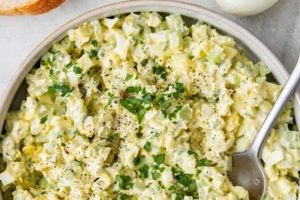
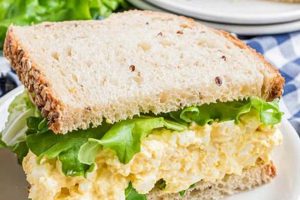
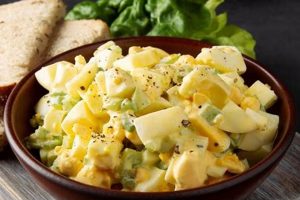
An egg salad sandwich combines cooked eggs, mayonnaise, and often other ingredients like mustard, celery, onion, or seasonings, served between slices of bread. Variations can include different types of bread, additions like lettuce or tomato, and unique flavor profiles incorporating spices or herbs.
This simple dish offers a quick, affordable, and protein-rich meal. Its versatility allows for customization based on individual preferences and dietary needs. Historically, egg salad has been a popular choice for picnics, lunches, and light meals, demonstrating its enduring appeal as a convenient and satisfying food.
The following sections will explore various aspects of creating this classic sandwich, including selecting the freshest ingredients, mastering different preparation techniques, and exploring creative variations to elevate the basic recipe.
Tips for Creating Exceptional Egg Salad Sandwiches
Elevating a simple egg salad sandwich to a culinary delight involves attention to detail and a few key techniques. These tips offer guidance on achieving optimal flavor, texture, and overall quality.
Tip 1: Perfect Egg Cooking: Achieving perfectly cooked eggs is crucial. Overcooked yolks result in a dry, crumbly texture. Aim for a firm yet moist yolk by gently simmering eggs for 8-10 minutes, followed by immediate immersion in ice water to halt the cooking process.
Tip 2: Mayonnaise Matters: Mayonnaise serves as the binder and contributes significantly to the overall flavor. High-quality mayonnaise enhances the richness and creaminess of the egg salad.
Tip 3: Balancing Add-ins: Incorporating additional ingredients like celery, onion, or relish enhances complexity. However, moderation is key to avoid overpowering the delicate egg flavor. Finely chopping these additions ensures even distribution and a pleasant texture.
Tip 4: Seasoning Strategically: Seasoning beyond salt and pepper can elevate the flavor profile. Consider incorporating Dijon mustard, paprika, or fresh herbs like dill or chives.
Tip 5: Bread Selection: The choice of bread significantly impacts the overall experience. Hearty breads like sourdough or whole wheat offer a robust counterpoint to the creamy filling, while softer breads like brioche or challah provide a more delicate contrast.
Tip 6: Proper Chilling: Chilling the egg salad for at least 30 minutes before serving allows the flavors to meld and enhances the overall texture.
Tip 7: Mindful Assembly: Evenly distribute the egg salad on the bread to ensure each bite offers a balanced flavor and prevents spillage. Consider adding crisp lettuce or tomato for added texture and freshness.
By following these tips, one can transform a simple egg salad sandwich into a truly satisfying culinary experience. Attention to detail and quality ingredients contribute significantly to the final product.
The following section will explore creative variations on the classic egg salad sandwich, demonstrating the versatility of this timeless dish.
1. Ingredients

Ingredient selection significantly impacts the quality and character of an egg salad sandwich. The interplay of core componentseggs, mayonnaise, and seasoningsestablishes the foundational flavor profile. Fresh, high-quality eggs contribute a rich, clean taste, while the mayonnaise provides creaminess and tang. Judicious seasoning with salt, pepper, and other spices balances the overall flavor and enhances the individual components. For example, using farm-fresh eggs noticeably improves the richness compared to standard supermarket eggs. Similarly, opting for a high-quality mayonnaise contributes a smoother, more nuanced flavor than a generic brand. The type of salt used, whether fine table salt or coarser sea salt, also subtly influences the final taste.
Beyond the core ingredients, additions such as chopped celery, red onion, or fresh herbs introduce textural and flavor complexity. Celery adds a crisp, refreshing counterpoint to the creamy egg salad, while red onion provides a pungent bite. Fresh herbs like dill or chives contribute a bright, herbaceous note. These additions, while optional, offer opportunities for customization and elevate the sandwich beyond the basic recipe. The quantity and quality of these supplementary ingredients directly influence the final product’s complexity and overall enjoyment. For instance, using finely diced celery instead of coarsely chopped pieces ensures even distribution and a more refined texture.
Understanding the role of each ingredient allows for informed choices that contribute to a superior egg salad sandwich. Careful consideration of ingredient quality and the interplay of flavors and textures elevates the final product from simple to exceptional. Challenges can arise from ingredient availability and personal preferences, but understanding the core principles allows for adaptation and substitution without sacrificing overall quality. This knowledge empowers one to create a sandwich tailored to individual tastes and preferences.
2. Preparation

Preparation methods significantly influence the final quality of an egg salad sandwich. Careful execution of each step, from cooking the eggs to assembling the sandwich, ensures optimal flavor, texture, and overall appeal. This section details the crucial aspects of preparation that contribute to a superior end product.
- Egg Cooking Technique
Properly cooked eggs are essential for a desirable texture. Overcooking leads to dry, crumbly yolks, while undercooking results in a runny, unappetizing filling. The ideal cooking method involves simmering the eggs for 8-10 minutes, followed by an immediate ice bath to stop the cooking process. This method yields firm yet moist yolks, contributing to a creamy, well-textured egg salad. Variations in cooking time can be adjusted based on individual preferences, but adherence to the basic principles of controlled cooking and rapid cooling is crucial for optimal results.
- Egg Chopping Method
The size and consistency of the chopped eggs impact both texture and flavor release. Coarsely chopped eggs create a chunkier texture, while finely chopped eggs result in a smoother, more uniform consistency. The chosen method influences how the eggs absorb the other ingredients and release their flavor. A combination of coarse and fine chopping can create a balanced texture, offering both noticeable egg pieces and a creamy base. Using a dedicated egg slicer can ensure consistent sizing and streamline the chopping process.
- Ingredient Incorporation
The way ingredients are combined affects the overall flavor and texture. Gently folding the ingredients together prevents overmixing, which can lead to a mushy texture. Ensuring even distribution of mayonnaise and other additions throughout the chopped eggs creates a balanced flavor in each bite. Adding ingredients in stages, starting with the mayonnaise and then incorporating other components, allows for better control of consistency and prevents the mixture from becoming overly wet or dry.
- Chilling Time
Allowing the egg salad to chill in the refrigerator for at least 30 minutes before serving allows the flavors to meld and enhances the overall experience. Chilling firms the mixture, making it easier to spread on bread, and allows the ingredients to fully integrate, creating a more cohesive flavor profile. The chilling time can be adjusted based on individual preferences and time constraints, but even a short chilling period noticeably improves the final product.
These preparation steps, while seemingly simple, significantly influence the final quality of the egg salad sandwich. Attention to detail in each stage contributes to a superior culinary experience, elevating the simple combination of ingredients into a well-balanced and satisfying meal. Mastering these techniques allows for greater control over the final product and ensures consistent results.
3. Proportions
Proportions play a crucial role in a recipe egg salad sandwich, influencing the final product’s taste, texture, and overall appeal. The balance between key ingredientseggs, mayonnaise, and additional flavoringsdetermines whether the sandwich is too dry, too wet, bland, or overly pungent. Correct proportions create a harmonious blend where each ingredient complements the others without dominating the overall flavor profile. For example, too much mayonnaise results in a sloppy sandwich lacking distinct egg flavor, while too little mayonnaise creates a dry, crumbly texture. Similarly, an overabundance of seasonings, such as mustard or relish, can mask the delicate egg flavor, while insufficient seasoning leads to a bland, uninspired sandwich.
Understanding the interplay of ingredient ratios allows for recipe adjustments based on personal preferences and specific ingredient characteristics. Different types of mayonnaise possess varying levels of richness and tang, requiring proportional adjustments to other components. Similarly, the intensity of seasonings like mustard or spices necessitates careful consideration of their quantity relative to other ingredients. Consider a scenario where one uses a particularly tangy mayonnaise: reducing the amount of added vinegar or lemon juice in the recipe compensates for this increased tanginess, maintaining a balanced flavor profile. Alternatively, when incorporating a milder spice like paprika, one might increase the quantity to achieve the desired level of flavor impact.
Mastering proportions enables predictable and desirable outcomes in egg salad sandwich creation. Achieving the correct balance ensures a consistently enjoyable culinary experience. While individual preferences vary, understanding the impact of ingredient ratios empowers one to adjust recipes confidently, achieving desired flavor and textural profiles. Challenges in achieving optimal proportions can arise from variations in ingredient characteristics, such as mayonnaise brands or egg sizes. However, awareness of these potential variations, combined with careful observation and tasting during preparation, allows for informed adjustments, leading to a consistently delicious and satisfying egg salad sandwich.
4. Variations
Variations within the realm of egg salad sandwiches demonstrate the adaptability of this classic dish. A basic recipe provides a foundation upon which numerous modifications can be built, resulting in a wide array of flavor profiles and textures. These variations stem from alterations in ingredients, seasonings, and accompanying elements, expanding the possibilities beyond the traditional preparation. The core concept remains consistenta mixture of cooked eggs and mayonnaisebut the potential for customization allows for a personalized culinary experience.
Ingredient variations offer significant opportunities for customization. Incorporating crisp vegetables like diced celery or red onion introduces textural contrast and adds a refreshing element. Alternatively, the inclusion of chopped pickles or olives introduces a tangy, briny dimension. Substituting some of the mayonnaise with plain yogurt or sour cream alters the richness and tanginess of the mixture. These ingredient modifications, driven by individual preferences or dietary considerations, expand the potential of the egg salad sandwich beyond its basic form. For instance, substituting avocado for mayonnaise creates a healthier, creamier variation, while adding chopped jalapenos introduces a spicy kick.
Seasoning variations further diversify the flavor profiles. Incorporating spices like curry powder or paprika introduces complex, savory notes. Fresh herbs, such as dill, chives, or parsley, contribute bright, herbaceous flavors. The addition of mustard, whether Dijon, yellow, or whole grain, adds a pungent dimension. These seasoning adjustments offer opportunities to create unique flavor combinations, catering to specific palates and culinary explorations. For example, incorporating smoked paprika and a touch of cayenne pepper creates a smoky, spicy egg salad, while adding fresh dill and lemon zest results in a brighter, more citrusy flavor profile.
Understanding the potential for variation in egg salad sandwiches allows for creative exploration and personalized culinary experiences. While the basic recipe provides a solid starting point, the ability to adapt and modify ingredients and seasonings expands the possibilities, allowing for endless flavor combinations and textural nuances. This adaptability contributes to the enduring popularity of the egg salad sandwich, ensuring its continued relevance in diverse culinary landscapes.
5. Presentation
Presentation elevates the egg salad sandwich from a simple meal to a more engaging dining experience. While flavor and texture remain paramount, visual appeal enhances enjoyment and perceived value. Consideration of plating, bread choice, and accompanying elements contributes to a more satisfying consumption experience, transforming a humble sandwich into a visually appealing culinary creation.
- Bread Choice and Preparation
Bread serves as both a structural component and a visual element. Selecting appropriate bread types and preparing them thoughtfully enhances presentation. Crusty breads like sourdough or ciabatta offer visual texture and can be sliced at an angle for a more dynamic presentation. Soft breads like brioche or challah provide a delicate contrast and can be toasted lightly for added visual and textural appeal. Trimming the crusts or using cookie cutters to create shaped sandwiches adds a touch of elegance. The bread’s freshness and quality also contribute to visual appeal; stale or poorly sliced bread detracts from the overall presentation.
- Plating Techniques
Thoughtful plating elevates the sandwich beyond a casual meal. Arranging the sandwich on a plate with accompanying elements like a small salad, fresh fruit, or vegetable sticks enhances visual appeal and provides a more complete presentation. Using garnishes, such as a sprinkle of paprika, a sprig of fresh herbs, or a few capers, adds a touch of color and visual interest. The plate itself contributes to the presentation; a clean, appropriately sized plate enhances the sandwich’s visual prominence. Avoiding overcrowding the plate maintains a sense of elegance and allows the sandwich to remain the focal point.
- Cut and Shape
The way the sandwich is cut and shaped affects its visual presentation. Halving the sandwich diagonally creates a classic presentation, while cutting it into smaller triangles or rectangles offers a more refined approach. Using cookie cutters to create unique shapes adds a playful touch, particularly for children or themed occasions. Ensuring clean, even cuts enhances the sandwich’s visual appeal and demonstrates attention to detail. Uneven or messy cuts detract from the presentation, even if the sandwich itself is well-made.
- Accompaniments and Garnishes
Carefully chosen accompaniments and garnishes complete the presentation. A simple side salad with a light vinaigrette adds freshness and color contrast. Fresh fruit slices or vegetable sticks provide a healthy and visually appealing complement. Garnishes like a sprinkle of paprika, a few capers, or a sprig of fresh herbs add a touch of elegance and enhance the sandwich’s visual appeal. These additions should complement the sandwich without overpowering it, maintaining a balanced and harmonious presentation. Overly complex or excessive garnishes can detract from the sandwich’s visual appeal and create a cluttered presentation.
Consideration of these presentational aspects elevates the egg salad sandwich from a simple meal to a more refined and enjoyable dining experience. Visual appeal enhances perceived value and complements the flavor and texture of the sandwich, creating a more satisfying and memorable culinary experience. Even simple adjustments in presentation can significantly impact perception and enjoyment, transforming a humble egg salad sandwich into a visually appealing and satisfying meal.
6. Freshness

Freshness plays a critical role in the overall quality and enjoyment of an egg salad sandwich. The use of fresh, high-quality ingredients significantly impacts flavor, texture, and safety. This section explores the multifaceted nature of freshness within the context of egg salad sandwiches, examining its various components and their implications.
- Ingredient Quality
The freshness of individual ingredients directly influences the final product. Fresh eggs exhibit a richer flavor and contribute to a superior texture compared to older eggs. Freshly baked bread offers a more desirable texture and flavor profile, enhancing the overall sensory experience. Using high-quality mayonnaise made with fresh ingredients contributes to a richer, smoother consistency. Compromised ingredient quality can result in a less flavorful, potentially unsafe final product. For example, using stale bread can lead to a dry, crumbly sandwich, while mayonnaise made with low-quality oils can impart an off-flavor.
- Preparation Timing
Preparing the egg salad as close to consumption as possible maximizes freshness. Extended storage, even under refrigeration, can lead to flavor degradation and textural changes. The delicate nature of egg salad makes it susceptible to bacterial growth, especially at room temperature. Adhering to food safety guidelines, such as refrigerating the egg salad promptly and consuming it within a recommended timeframe, minimizes risks associated with bacterial contamination. For example, preparing the egg salad the same day it will be consumed ensures optimal flavor and texture. Leaving the egg salad at room temperature for extended periods can compromise its safety and quality.
- Storage Practices
Proper storage maintains ingredient freshness prior to and after egg salad preparation. Storing eggs in the refrigerator at the appropriate temperature preserves their quality and minimizes the risk of bacterial growth. Keeping bread properly sealed prevents it from drying out and becoming stale. Storing prepared egg salad in an airtight container in the refrigerator helps maintain its freshness and prevents it from absorbing odors from other foods. Neglecting proper storage practices compromises ingredient quality, affecting the final sandwich’s flavor, texture, and safety. For instance, storing bread in a humid environment can promote mold growth, while storing eggs at room temperature accelerates spoilage.
- Sourcing Considerations
Sourcing ingredients from reputable suppliers who prioritize freshness enhances the overall quality of the egg salad sandwich. Locally sourced eggs from farmers’ markets or farm stands often offer superior freshness compared to mass-produced eggs. Similarly, freshly baked bread from a local bakery provides a noticeable difference in flavor and texture compared to commercially produced bread. Prioritizing ingredient sourcing contributes to both flavor enhancement and support for local producers. Choosing ingredients from suppliers known for their commitment to quality and freshness ensures a superior final product. For example, using farm-fresh eggs and locally baked bread contributes to a more flavorful and texturally satisfying egg salad sandwich.
Attention to freshness in all aspects of egg salad sandwich preparation, from ingredient selection to storage practices, results in a superior culinary experience. Freshness enhances flavor, texture, and safety, elevating the simple combination of ingredients into a truly enjoyable and satisfying meal. Compromising on freshness diminishes the overall quality and can potentially pose health risks. Therefore, prioritizing freshness is crucial for maximizing the enjoyment and safety of an egg salad sandwich.
Frequently Asked Questions
This section addresses common inquiries regarding the preparation and enjoyment of egg salad sandwiches, providing concise and informative responses.
Question 1: How long can egg salad be safely stored in the refrigerator?
Prepared egg salad should be stored in an airtight container in the refrigerator and consumed within 3-5 days for optimal quality and safety.
Question 2: What are common signs that egg salad has spoiled?
Indicators of spoilage include a sour odor, discoloration, slimy texture, or mold growth. If any of these signs are present, the egg salad should be discarded.
Question 3: Can egg salad be frozen?
Freezing egg salad is not recommended. Freezing negatively impacts the texture and consistency of the mayonnaise, resulting in a less desirable final product upon thawing.
Question 4: How can one achieve a smoother, less chunky texture in egg salad?
A smoother texture can be achieved by finely chopping or mashing the eggs before combining them with other ingredients. Using a potato masher or a fork can help achieve the desired consistency.
Question 5: What are some healthy alternatives to traditional mayonnaise in egg salad?
Greek yogurt, mashed avocado, or hummus can be substituted for some or all of the mayonnaise to reduce fat and calorie content while maintaining a creamy texture.
Question 6: How can one prevent egg salad sandwiches from becoming soggy?
Sogginess can be minimized by using thicker-cut bread, toasting the bread lightly, or adding a barrier layer of lettuce or tomato between the bread and the egg salad filling.
Understanding these key aspects of egg salad preparation and storage contributes to a safer and more enjoyable culinary experience. Adherence to food safety guidelines ensures optimal quality and minimizes potential health risks.
The following section will explore variations…
Conclusion
Exploration of egg salad sandwich preparation reveals the interplay of factors influencing its success. Ingredient quality, precise proportions, and meticulous preparation techniques contribute significantly to the final product. Understanding these elements allows for adaptation and customization, expanding possibilities beyond basic recipes. From classic combinations to innovative variations, attention to detail remains paramount in achieving a satisfying culinary outcome.
The enduring appeal of the egg salad sandwich lies in its simplicity and adaptability. Continued exploration of flavor profiles, textural nuances, and presentation techniques ensures its relevance in evolving culinary landscapes. Mastering fundamental principles empowers individuals to elevate this seemingly simple dish to a consistently enjoyable and personalized culinary creation.