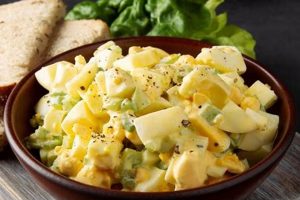
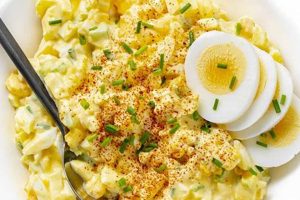
An exemplary preparation of this classic dish involves perfectly cooked eggs, a creamy base, and carefully selected seasonings. A quintessential example might feature finely chopped hard-boiled eggs blended with mayonnaise, Dijon mustard, celery, onion, and a touch of paprika.
Achieving excellence in this seemingly simple dish offers a rewarding culinary experience. A well-executed version provides a versatile and satisfying meal, suitable for sandwiches, salads, or as a standalone appetizer. Its enduring popularity stems from its affordability, ease of preparation, and adaptability to various flavor profiles. Historical variations reflect regional preferences and ingredient availability, demonstrating the dish’s enduring appeal across cultures and generations.
This exploration will delve into the nuances of egg selection and cooking techniques, the art of balancing flavors within the creamy base, and creative variations that elevate this staple beyond the ordinary. Further discussion will encompass tips for optimal storage and serving suggestions for diverse occasions.
Tips for Exceptional Egg Salad
Creating a superior egg salad involves attention to detail and a few key techniques. These tips provide guidance for achieving optimal results.
Tip 1: Perfect Egg Cooking: Achieving the ideal texture begins with properly cooked eggs. Overcooked yolks result in a dry, chalky salad. Aim for a firm, yet still slightly moist yolk by cooking eggs in boiling water for 8-10 minutes, followed by immediate immersion in ice water to halt the cooking process.
Tip 2: Precise Chopping: Uniformly sized egg pieces contribute to a pleasant texture and ensure even distribution of flavor. Dicing the eggs rather than mashing prevents a gummy consistency.
Tip 3: Balanced Seasoning: A harmonious blend of seasonings elevates the salad beyond the ordinary. Classic additions include Dijon mustard, mayonnaise, finely diced celery and onion, salt, pepper, and a hint of paprika. Experiment with fresh herbs like dill or chives for a brighter flavor profile.
Tip 4: Mayonnaise Matters: The quality and quantity of mayonnaise directly impact the final result. High-quality mayonnaise contributes a rich, creamy texture. Start with a modest amount and add more as needed to achieve the desired consistency, avoiding an overly saturated mixture.
Tip 5: Texture Enhancement: Incorporating finely diced celery and red onion provides a satisfying crunch and textural contrast to the creamy eggs.
Tip 6: Chilling Time: Allowing the salad to chill for at least 30 minutes before serving allows the flavors to meld and enhances the overall experience.
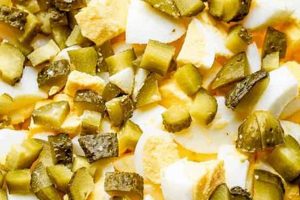
Tip 7: Creative Variations: Explore variations by adding ingredients such as chopped pickles, relish, crumbled bacon, or avocado for unique flavor combinations.
By following these tips, one can create an egg salad that surpasses expectations in both flavor and texture. Attention to detail, from egg preparation to seasoning, ensures a truly satisfying culinary outcome.
With a firm grasp of the techniques outlined above, the following section will address common pitfalls to avoid when preparing this classic dish.
1. High-Quality Ingredients

The pursuit of an exceptional egg salad hinges significantly on the selection of superior ingredients. Ingredient quality directly impacts the final flavor and texture of the dish. Fresh, high-quality eggs, preferably free-range or organic, possess richer yolks and contribute a noticeably superior taste compared to standard commercially produced eggs. Likewise, opting for a high-quality mayonnaise, ideally one made with real ingredients and minimal preservatives, significantly enhances the creaminess and overall flavor profile. Freshly ground spices, such as black pepper, and flavorful additions like Dijon mustard further elevate the taste experience. For example, using farm-fresh eggs with vibrant orange yolks results in a visually appealing and flavorful salad, distinctly different from one made with pale, watery yolks from lower-quality eggs. The difference is palpable.
The impact of ingredient quality extends beyond flavor. Fresh, properly stored ingredients contribute to a safer and more enjoyable culinary experience. Using the freshest ingredients minimizes the risk of bacterial contamination and ensures optimal flavor. Consider sourcing locally grown produce for the most flavorful celery and onions. These small details contribute significantly to the overall quality and enjoyment of the final product. Selecting high-quality mayonnaise made with natural oils, rather than soybean oil, contributes a noticeable difference in richness and mouthfeel. This attention to detail distinguishes a truly exceptional egg salad from a mediocre one.
In conclusion, prioritizing high-quality ingredients represents a fundamental step toward achieving egg salad excellence. This commitment to quality translates directly into a superior sensory experience, highlighting the nuanced flavors and textures achievable with carefully chosen components. The subtle differences in taste and texture between an egg salad made with top-tier ingredients and one made with standard supermarket fare underscore the significant impact of ingredient selection. This understanding enables informed choices that elevate a simple dish to an extraordinary culinary delight.
2. Precise Egg Cooking
Attainment of a superior egg salad rests significantly upon the precision employed in cooking the eggs. Overcooked yolks yield a dry, crumbly texture, while undercooked yolks result in an unappetizing, runny consistency. Precise cooking ensures the ideal texturefirm yet tenderessential for a harmonious final product. The following facets explore the nuances of this crucial step.
- Timing and Temperature Control
Mastery of egg cooking necessitates careful regulation of time and temperature. Maintaining a consistent simmer, rather than a rolling boil, prevents overcooking and promotes even heat distribution. A cooking time of 8-10 minutes typically yields a firm, yet still slightly moist yolk. Variations in egg size and starting temperature may necessitate adjustments to cooking time. An ice bath immediately following cooking halts the cooking process, preventing carryover cooking and preserving the desired yolk texture. For example, larger eggs may require a slightly longer cooking time, while refrigerated eggs should be brought to room temperature or started in cold water to ensure even cooking.
- Visual Cues for Doneness
Visual inspection provides further guidance in determining egg doneness. A fully cooked white should appear opaque and firm, while the yolk should retain a slight give when gently pressed. Overcooked yolks exhibit a pale yellow color and dry, crumbly texture. Undercooked yolks appear runny and translucent. Recognizing these visual cues ensures consistent results and prevents deviations from the desired texture. For example, a slightly soft yolk, while unsuitable for some applications, might be preferred for a richer, creamier egg salad.
- Impact on Texture and Flavor
The impact of precise egg cooking extends beyond texture. Overcooking diminishes the natural flavors of the yolk, resulting in a blander final product. Properly cooked yolks contribute a richness and depth of flavor essential for a well-balanced egg salad. This nuance highlights the interconnectedness of cooking technique and flavor development. Overcooked eggs can also impart a slightly sulfurous odor and flavor, further detracting from the overall sensory experience.
- Variations in Cooking Methods
While boiling remains the most common method, alternative techniques like steaming or baking can also yield excellent results. Steaming often produces more tender whites, while baking offers greater control over yolk consistency, allowing for variations from soft to hard-cooked. These alternative methods provide flexibility and cater to individual preferences. Steaming, for example, reduces the risk of cracking during cooking and can be particularly useful when preparing large quantities of eggs.
Precise egg cooking forms the cornerstone of a successful egg salad. Mastery of these facets contributes significantly to the final product’s overall quality, affecting both its textural and flavor profile. The attention to detail in this foundational step distinguishes an exceptional egg salad from a merely adequate one. By understanding the nuances of egg cooking, one can consistently achieve the desired results, ensuring a harmonious balance of flavors and textures in the finished dish.
3. Balanced Flavor Profile
A balanced flavor profile constitutes a cornerstone of a truly exceptional egg salad. This balance refers to the harmonious interplay of diverse taste elementstangy, creamy, savory, and subtly sweetworking in concert to create a complex and satisfying culinary experience. Achieving this equilibrium requires careful consideration of each ingredient’s contribution and how these flavors interact.
- The Tangy Element
Tanginess, frequently derived from ingredients like Dijon mustard, vinegar, or pickles, provides a necessary counterpoint to the richness of the eggs and mayonnaise. This acidity cuts through the fattiness, preventing the salad from becoming overly heavy or cloying. For instance, a touch of Dijon mustard adds a bright, sharp note that balances the creamy base. The level of tanginess should be adjusted to complement, not overpower, other flavor components.
- The Creamy Foundation
Mayonnaise provides the creamy foundation of the salad, binding the ingredients together and contributing a luxurious mouthfeel. The quality of mayonnaise plays a crucial role here; a richer, higher-quality mayonnaise elevates the overall flavor profile. However, an excess of mayonnaise can result in a bland, overly rich salad. Balance is key; the mayonnaise should complement, not mask, the flavor of the eggs and other ingredients. For example, using a mayonnaise made with avocado oil can add a subtle richness and creaminess without overpowering the other flavors.
- Savory Notes
Savory notes, often introduced through ingredients like finely chopped onion, celery, or chives, add depth and complexity. These elements provide a subtle aromatic dimension and enhance the overall flavor profile. For instance, the slight pungency of red onion adds a welcome contrast to the creamy and tangy elements. The quantity of savory ingredients should be carefully calibrated to prevent overpowering the delicate flavor of the eggs. Subtlety is crucial in achieving a well-balanced flavor profile.
- A Touch of Sweetness
While not always present, a hint of sweetness can further enhance the complexity of an egg salad. This can be achieved through the addition of finely diced sweet pickles or a touch of honey or maple syrup. This subtle sweetness rounds out the flavor profile and adds another layer of complexity. However, similar to other flavor elements, moderation is essential to prevent the sweetness from dominating the overall taste. A touch of sweetness complements the other flavors rather than overwhelming them.
A masterful egg salad hinges on the harmonious integration of these flavor components. The tangy elements cut through the richness, the creamy base provides a luxurious texture, savory notes contribute depth, and a touch of sweetness adds complexity. The careful orchestration of these elements distinguishes a truly exceptional egg salad, transforming a simple dish into a nuanced culinary experience. The ultimate goal is not merely a combination of ingredients but a symphony of flavors working in perfect harmony. This balanced flavor profile is what elevates an egg salad from ordinary to extraordinary, making it a dish worthy of the “master” designation.
4. Optimal Texture
Textural complexity distinguishes a truly remarkable egg salad from a mediocre one. Optimal texture, a critical element of a master egg salad recipe, involves a delicate balance between creamy, smooth, and subtly crunchy elements. This balance contributes significantly to the overall enjoyment of the dish, elevating it beyond a simple combination of ingredients.
- Egg Consistency
Properly cooked eggs provide the foundation for optimal texture. Overcooked yolks result in a dry, crumbly salad, while undercooked yolks create an undesirable, runny consistency. The ideal yolk is firm yet tender, offering a creamy texture that blends seamlessly with the other ingredients. This consistency is crucial for achieving the desired mouthfeel and prevents the salad from becoming either too dry or too wet. For example, perfectly cooked yolks, when gently pressed, should yield slightly but hold their shape, contributing a smooth, velvety texture to the final product. Conversely, overcooked yolks will crumble easily and create a grainy texture.
- Chopping Technique
The method of chopping the eggs significantly impacts the texture of the salad. Finely diced eggs create a smoother, more uniform texture, while coarsely chopped eggs provide more substantial bites. A combination of finely diced whites and slightly coarser yolks can create a pleasing textural contrast. Uniformity in chopping ensures even distribution of flavor and prevents pockets of overly large or small egg pieces. For example, finely chopping the egg whites creates a smooth base, while leaving the yolks slightly coarser adds a pleasant textural variation. Mincing the eggs too finely, however, can result in a paste-like consistency.
- Textural Contrasts
The incorporation of ingredients that offer textural contrast enhances the overall sensory experience. Finely diced celery or red onion adds a crisp, refreshing crunch that complements the creamy base of the egg salad. These additions prevent the salad from becoming monotonous and provide a welcome textural variation. The balance between creamy and crunchy elements is crucial; too much crunch can overpower the delicate flavors, while too little can result in a bland, one-dimensional texture. The snap of finely diced celery, for instance, provides a refreshing counterpoint to the creamy richness of the egg yolks and mayonnaise.
- Binding Agent Ratio
The ratio of binding agent, typically mayonnaise, directly influences the final texture. Too much mayonnaise results in a loose, overly creamy salad, while too little can create a dry, crumbly mixture. The ideal balance allows the flavors of the other ingredients to shine through while maintaining a cohesive texture. The mayonnaise should bind the ingredients together without overwhelming them. For instance, using just enough mayonnaise to coat the eggs and other ingredients allows the individual flavors to meld while maintaining a pleasant, creamy texture. An excess of mayonnaise, however, can lead to a soupy consistency and mask the delicate flavors of the other ingredients.
Achieving optimal texture requires careful consideration of these interconnected elements. The interplay between egg consistency, chopping technique, textural contrasts, and the appropriate ratio of binding agent contributes significantly to the overall enjoyment of the egg salad. A masterfully prepared egg salad exhibits a harmonious balance of textures, creating a delightful sensory experience that elevates this classic dish beyond the ordinary. This attention to detail distinguishes a truly exceptional egg salad, showcasing the nuanced interplay of textures achievable with thoughtful preparation and careful ingredient selection.
5. Proper Seasoning
Seasoning represents a pivotal element in achieving a master egg salad recipe. It elevates the dish beyond simple ingredients, transforming it into a flavorful, nuanced culinary experience. Proper seasoning harmonizes the various components, enhancing the natural flavors of the eggs and other ingredients. This exploration delves into the crucial facets of seasoning within the context of crafting an exceptional egg salad.
- Balancing Salt and Pepper
The foundation of proper seasoning lies in the judicious use of salt and freshly ground black pepper. Salt enhances the inherent flavors of the eggs and other ingredients, while pepper adds a subtle bite and complexity. The balance between these two fundamental seasonings is crucial; too much salt can overpower the delicate flavors, while too little can result in a bland salad. Freshly ground black pepper, with its nuanced aroma and flavor, is preferred over pre-ground pepper, which can often taste stale. For example, a pinch of kosher salt enhances the natural sweetness of the eggs, while a few grinds of black pepper add a subtle warmth and depth.
- Enhancing with Acidity
A touch of acidity brightens the flavor profile and balances the richness of the mayonnaise and eggs. This can be achieved through the addition of ingredients such as white wine vinegar, lemon juice, or a dash of Dijon mustard. The acidity cuts through the richness, preventing the salad from tasting heavy or overly creamy. The type and amount of acid used should complement, not overpower, the other flavors. A teaspoon of white wine vinegar, for instance, adds a subtle tang that balances the richness of the yolks without being overly sharp. Lemon juice, on the other hand, provides a brighter, more citrusy note.
- Layering with Aromatic Herbs and Spices
Fresh herbs and spices add depth and complexity to the egg salad. Dill, chives, paprika, and cayenne pepper are common choices, each contributing a unique flavor dimension. Fresh dill imparts a bright, slightly herbaceous note, while chives offer a subtle onion flavor. Paprika contributes a warm, smoky undertone, while a pinch of cayenne pepper adds a touch of heat. The key is to use these ingredients sparingly, allowing the flavors to meld harmoniously without overwhelming the palate. A sprinkle of smoked paprika, for example, adds a subtle smoky depth, while a pinch of cayenne pepper provides a gentle warmth.
- Seasoning Throughout the Process
Seasoning is not a one-time event but rather a continuous process. It’s essential to season the eggs immediately after cooking, while they are still warm, as this allows the salt to penetrate more effectively. Additional seasoning can be incorporated during the mixing process, ensuring even distribution of flavors. Tasting and adjusting throughout the process is crucial for achieving the desired balance. For instance, seasoning the cooked eggs with salt while they are still warm ensures that the flavor permeates the yolks and whites evenly. Further adjustments can be made during the mixing process, ensuring a harmonious balance of flavors.
Proper seasoning distinguishes a truly exceptional egg salad. The interplay of salt, pepper, acidity, herbs, and spices creates a nuanced flavor profile that elevates the dish beyond its basic components. By understanding the importance of each element and the delicate balance required, one can consistently create an egg salad that is both flavorful and complex. This attention to detail is a hallmark of a master egg salad recipe, showcasing the transformative power of proper seasoning.
6. Creative Variations

The concept of a “master egg salad recipe” acknowledges a foundational approach while embracing the potential for creative variations. This flexibility allows adaptation to individual preferences and exploration of diverse flavor profiles. Variations, though departing from a traditional blueprint, remain integral to mastery of the dish, demonstrating a comprehensive understanding of its core components and how they interact. A classic example involves incorporating curry powder and chopped chutney, transforming the familiar into an Anglo-Indian inspired delight. Such deviations highlight the inherent versatility of egg salad, showcasing its adaptability across culinary traditions.
Further creative avenues include incorporating smoked salmon and dill, creating an elegant appetizer, or adding crumbled bacon and a touch of maple syrup for a smoky-sweet twist. These variations extend beyond mere ingredient substitutions; they represent a conscious exploration of flavor combinations and textural nuances. The addition of chopped water chestnuts introduces a refreshing crunch, while avocado lends a creamy richness. Understanding the impact of each addition allows for informed choices, preventing a haphazard approach and ensuring a cohesive final product. Practical applications extend to dietary adaptations; substituting Greek yogurt for mayonnaise reduces fat content without compromising flavor or texture, while incorporating roasted vegetables enhances nutritional value.
Ultimately, “creative variations” do not detract from a “master egg salad recipe”; they enhance it. They demonstrate a thorough understanding of the dish’s fundamental principles, allowing for informed experimentation and personalized interpretations. This adaptability contributes to the enduring appeal of egg salad, transforming a simple dish into a versatile culinary canvas. Challenges may arise in balancing flavors and textures, requiring careful consideration of each addition’s impact. However, successfully navigating these challenges signifies true mastery, showcasing the ability to innovate while preserving the essential qualities that define a classic egg salad.
7. Thoughtful Presentation
Elevating egg salad to “master” status extends beyond flavor and texture; thoughtful presentation significantly impacts the perceived quality and overall dining experience. Presentation transforms a simple dish into a culinary statement, reflecting attention to detail and an appreciation for aesthetics. Consider the difference between a mound of egg salad scooped onto a plate versus delicate portions served in crisp lettuce cups, garnished with fresh herbs. The latter immediately suggests a more refined and considered approach, enhancing the anticipation and enjoyment of the meal. This visual appeal stimulates appetite and elevates the perceived value of the dish.
Practical considerations influence presentation choices. Serving egg salad as a sandwich filling necessitates a texture firm enough to hold its shape without becoming soggy. Presentation within a scooped-out avocado half offers a visually appealing and flavorful vessel, complementing the creamy textures. For larger gatherings, individual portions served in elegant teacups or small ramekins create a sophisticated presentation. Conversely, a family-style setting might call for a decorative bowl, garnished with paprika and fresh herbs. The chosen presentation should align with the occasion and the overall dining experience. For example, serving egg salad on crustless white bread, cut into triangles, evokes a classic, elegant feel, while using whole-wheat bread and cutting it into squares might suggest a more rustic, wholesome approach.
Thoughtful presentation communicates care and attention to detail. It transforms a simple egg salad into a more appealing and enjoyable culinary experience. While flavor and texture remain paramount, presentation adds a crucial layer of refinement, distinguishing a “master” creation from a merely satisfactory one. Challenges include maintaining structural integrity, especially in warmer environments, and ensuring the chosen presentation complements, not overshadows, the flavors of the egg salad itself. Addressing these challenges through informed choices regarding serving vessels, garnishes, and portion sizes reinforces the concept of a holistic approach to egg salad preparation, highlighting the importance of presentation as a crucial component of mastery.
Frequently Asked Questions
This section addresses common inquiries regarding the preparation and enjoyment of exceptional egg salad.
Question 1: How does one prevent overly dry egg salad?
Dryness often results from overcooked yolks. Employing precise cooking methods, such as an ice bath immediately following boiling, helps retain moisture. Additionally, incorporating a sufficient, yet not excessive, amount of high-quality mayonnaise contributes to a creamier consistency.
Question 2: What is the optimal egg-to-mayonnaise ratio?
A precise ratio depends on individual preferences and the specific mayonnaise used. A general guideline suggests starting with one-quarter to one-third cup of mayonnaise per six large eggs, adjusting according to desired consistency. Adding mayonnaise incrementally allows for better control over the final texture.
Question 3: Can alternative binding agents be used in place of mayonnaise?
Greek yogurt, mashed avocado, or a combination thereof offer healthier alternatives to mayonnaise, contributing a creamy texture while reducing overall fat content. These substitutions also introduce subtle flavor variations.
Question 4: How long can egg salad be safely stored?
Properly stored egg salad, refrigerated in an airtight container, typically remains safe for consumption up to three to five days. Visual and olfactory inspection should always precede consumption, discarding any salad exhibiting discoloration or off-odors.
Question 5: What are effective strategies for enhancing the flavor of egg salad?
Fresh herbs, such as dill or chives, elevate flavor profiles. Incorporating spices like paprika, curry powder, or a pinch of cayenne pepper introduces complexity. Finely diced pickles, red onion, or celery contribute textural and flavor dimensions.
Question 6: How can presentation elevate the dining experience?
Thoughtful presentation enhances enjoyment. Serving egg salad in lettuce cups, on toasted bread, or as a filling for deviled eggs elevates the visual appeal. Garnishing with fresh herbs or a sprinkle of paprika adds a touch of elegance.
Understanding these aspects contributes to consistent preparation of superior egg salad. Attention to detail, from ingredient selection to presentation, ensures a consistently satisfying culinary outcome.
The subsequent section will offer a curated collection of egg salad recipe variations, demonstrating the dish’s versatility.
Master Egg Salad Recipe
This exploration has illuminated the multifaceted nature of crafting exceptional egg salad. From the selection of premium ingredients to the nuances of precise egg cooking, balanced flavor profiles, optimal textural complexity, proper seasoning, creative variations, and thoughtful presentation, each element contributes significantly to the overall quality and enjoyment of the dish. Mastery lies not merely in following a prescribed formula, but in understanding the underlying principles that govern each component and how they interact synergistically to create a harmonious whole. Attention to detail, informed choices, and a commitment to quality distinguish a truly exceptional egg salad from a merely adequate one.
The pursuit of a perfect egg salad represents a microcosm of culinary excellence. It underscores the transformative potential of simple ingredients when treated with care, precision, and creativity. This exploration serves as a foundation for continued experimentation and refinement, encouraging a deeper appreciation for the culinary arts and the enduring appeal of a classic dish elevated to an art form.