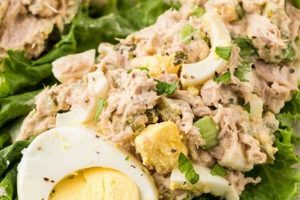
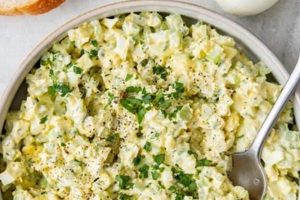
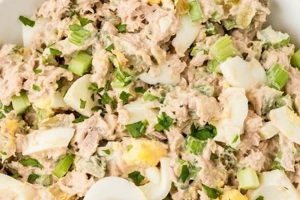
Egg salad, a classic dish, can be prepared with a focus on nutrition and wellness. This approach typically involves reducing the amount of mayonnaise, incorporating flavorful and healthful additions like Greek yogurt, avocado, or mustard, and selecting nutrient-rich add-ins such as chopped vegetables and herbs. An example might include hard-boiled eggs combined with Greek yogurt, Dijon mustard, chopped celery, red onion, and fresh dill, seasoned with salt and pepper.
Nutritionally balanced variations offer a good source of protein and essential nutrients while managing fat and calorie intake. This makes them a suitable choice for those seeking a satisfying and lighter meal or snack. Historically, egg salad emerged as a way to utilize leftover hard-boiled eggs, evolving from simple preparations to more elaborate recipes featuring diverse ingredients and flavor profiles. This focus on healthier versions reflects a broader dietary trend toward lighter and more nutrient-dense meals.
The following sections will delve into specific ingredient choices, preparation methods, and variations that exemplify this nutritional approach, offering practical guidance for creating flavorful and wholesome egg salad.
Tips for Creating a Healthier Egg Salad
These tips offer guidance on preparing egg salad that prioritizes both flavor and nutritional value.
Tip 1: Rethink the Mayonnaise. Instead of relying solely on mayonnaise, consider using plain Greek yogurt, avocado, or a combination of both. These alternatives reduce fat and calories while adding creaminess and healthy fats.
Tip 2: Boost Flavor with Mustard. Dijon, stone-ground, or whole-grain mustard contribute a tangy flavor that complements the eggs and reduces the need for excessive salt.
Tip 3: Embrace the Crunch. Add texture and nutrients with finely chopped celery, red onion, bell peppers, or water chestnuts.
Tip 4: Herbs Enhance Flavor. Fresh herbs like dill, chives, parsley, or tarragon elevate the taste profile and provide antioxidants.
Tip 5: Season Judiciously. Freshly ground black pepper, a pinch of salt, or a dash of paprika can enhance the flavors without relying on excessive sodium.
Tip 6: Choose High-Quality Eggs. Opt for eggs from pasture-raised chickens whenever possible for enhanced nutritional value.
Tip 7: Proper Egg Cooking. Achieve perfectly cooked hard-boiled eggs by simmering them gently and then immediately transferring them to an ice bath to prevent overcooking and a green ring around the yolk.
By following these tips, one can create an egg salad that is both satisfying and supportive of a health-conscious approach to eating.
These practical suggestions provide a foundation for experimenting with various ingredients and flavor combinations to personalize one’s egg salad experience.
1. Nutrient-Rich Ingredients

Nutrient-rich ingredients form the foundation of a healthy egg salad. Shifting from traditional mayonnaise-heavy versions to options incorporating ingredients like Greek yogurt, avocado, and a variety of vegetables significantly impacts the nutritional profile. Greek yogurt contributes protein and probiotics, supporting gut health. Avocado provides healthy fats and fiber, promoting satiety. The inclusion of vegetables such as chopped celery, bell peppers, and red onion introduces vitamins, minerals, and antioxidants, enhancing the nutritional density of the dish. This approach transforms egg salad from a calorie-dense indulgence into a balanced, nutrient-packed meal component.
The selection of nutrient-rich ingredients directly influences the health benefits derived from egg salad. For instance, swapping mayonnaise for avocado not only lowers saturated fat but also increases monounsaturated fat intake, potentially contributing to improved cardiovascular health. Similarly, incorporating leafy greens like spinach or kale boosts vitamin K and folate content. These choices offer practical ways to align egg salad with dietary goals focused on increased nutrient intake and overall well-being. The impact is further amplified by choosing high-quality eggs, preferably from pasture-raised chickens, which offer a superior nutrient profile compared to conventionally raised eggs.
Prioritizing nutrient-rich ingredients elevates egg salad from a simple dish to a valuable component of a health-conscious diet. This focus allows individuals to enjoy a classic recipe while maximizing its nutritional value. The careful selection of ingredients, combined with mindful preparation methods, ensures a flavorful and healthful outcome. This understanding empowers consumers to make informed choices, transforming a traditional recipe into a nourishing and satisfying meal option.
2. Reduced Fat Content
Reduced fat content is a cornerstone of healthy egg salad recipes. Traditional recipes often rely heavily on mayonnaise, contributing to a high fat and calorie count. Modifying the fat content through ingredient substitutions and mindful portioning is crucial for aligning this classic dish with health-conscious dietary patterns.
- Alternative Binding Agents
Substituting lower-fat alternatives for mayonnaise significantly impacts the overall fat content. Greek yogurt, avocado, or even a small amount of hummus can provide the desired creaminess while contributing fewer calories and less saturated fat. For example, using Greek yogurt instead of mayonnaise reduces saturated fat and adds protein, creating a more balanced nutritional profile. This substitution directly addresses the primary concern of high fat content in traditional egg salad.
- Portion Control of Added Fats
Even when using healthier fats, portion control remains crucial. While avocado offers beneficial monounsaturated fats, excessive use can still contribute to a high overall calorie count. Measuring the amount of avocado or other healthy fats ensures that the recipe remains aligned with reduced-fat goals. This mindful approach helps maintain the balance between flavor, texture, and nutritional value.
- Emphasis on Flavorful Additions
Reducing fat content often necessitates enhancing flavor through other means. Incorporating ingredients like Dijon mustard, fresh herbs, spices, and finely chopped vegetables not only adds flavor complexity but also reduces the perceived need for large amounts of fatty binding agents. These additions contribute to a more satisfying and flavorful experience without relying on excessive fat.
- Impact on Overall Caloric Intake
Lowering the fat content directly contributes to a reduction in overall caloric intake. This is particularly relevant for individuals managing weight or following calorie-conscious diets. By reducing fat, the dish becomes a more suitable option for inclusion in a balanced meal plan without compromising satiety or flavor. This facilitates healthier dietary choices without sacrificing enjoyment.
By addressing these facets of fat reduction, egg salad transforms from a potentially calorie-dense dish into a lighter, healthier option. These modifications allow individuals to enjoy a classic recipe while adhering to dietary guidelines that prioritize lower fat intake and overall nutritional balance. This approach exemplifies how mindful ingredient choices and preparation techniques can enhance the healthfulness of familiar foods.
3. Flavorful Enhancements

Flavorful enhancements play a vital role in healthy egg salad recipes, compensating for reduced fat content while elevating the overall sensory experience. The inherent mildness of eggs necessitates thoughtful additions to create a palatable and satisfying dish. When fat sources like mayonnaise are reduced or replaced with lower-fat alternatives, flavor enhancement becomes crucial for preventing a bland or watery outcome. This is achieved through strategic incorporation of herbs, spices, and acidic components.
Fresh herbs like dill, chives, parsley, and tarragon introduce aromatic complexity. Spices such as paprika, cayenne pepper, or a curry powder blend add depth and warmth. The acidity of ingredients like Dijon mustard, lemon juice, or apple cider vinegar balances the richness of the eggs and other components, creating a brighter, more vibrant flavor profile. For example, a combination of fresh dill, Dijon mustard, and a pinch of cayenne pepper can transform a simple egg salad into a flavorful and dynamic culinary experience. These enhancements not only improve taste but also contribute to a more satisfying and enjoyable meal, promoting adherence to healthier eating habits.
Successfully incorporating flavorful enhancements requires a balanced approach. Over-reliance on any single ingredient can overwhelm the delicate flavor of the eggs. Careful consideration of complementary flavor profiles and judicious use of spices and herbs ensures a harmonious and nuanced final product. This understanding allows for creative exploration of flavor combinations while maintaining a focus on health and nutritional balance. The strategic use of flavorful enhancements is essential for creating healthy egg salad recipes that are both nutritious and genuinely enjoyable.
4. Proper Egg Preparation
Proper egg preparation is fundamental to a successful healthy egg salad recipe. The texture and overall quality of the final dish depend heavily on how the eggs are cooked. Overcooked or undercooked eggs can negatively impact both the flavor and aesthetic appeal of the salad, diminishing the intended health benefits by making the dish less palatable.
- Cooking Time and Method
Precise cooking time and method are crucial for achieving the desired egg consistency. Overcooking results in dry, crumbly yolks with an unpleasant sulfurous odor, while undercooking leads to a runny, unappetizing texture. Simmering eggs for the appropriate duration, typically 8-10 minutes for large eggs, followed by immediate immersion in an ice bath to halt the cooking process, yields yolks that are firm yet moist, ideal for egg salad. This method ensures optimal texture and prevents the formation of a greenish ring around the yolk, a visual indicator of overcooking.
- Cooling and Peeling Techniques
Efficient cooling and peeling techniques contribute to both the ease of preparation and the final presentation of the egg salad. The ice bath not only stops the cooking process but also helps to separate the egg white from the shell, simplifying peeling. Gently tapping the cooled eggs on a hard surface before peeling minimizes shell fragmentation and ensures smooth, intact egg whites. These techniques contribute to a more visually appealing and enjoyable egg salad.
- Yolk Consistency and its Impact
The consistency of the yolk directly influences the texture and flavor of the egg salad. A perfectly cooked yolk, firm yet creamy, binds the other ingredients effectively and contributes a rich flavor. Overcooked yolks create a dry, crumbly texture that detracts from the overall creaminess of the salad. Conversely, undercooked yolks result in a watery consistency that compromises the structural integrity of the dish. Achieving the ideal yolk consistency is paramount for a successful outcome.
- Freshness of Eggs
The freshness of the eggs impacts both the flavor and nutritional value of the egg salad. Fresher eggs exhibit a superior flavor profile and are less likely to crumble during cooking and preparation. Furthermore, the nutritional content of eggs can degrade over time, making freshness an important consideration for maximizing health benefits. Using fresh, high-quality eggs ensures optimal flavor, texture, and nutritional value in the final dish.
These facets of proper egg preparation are integral to achieving a healthy and enjoyable egg salad. By focusing on precise cooking methods, efficient cooling and peeling techniques, and using fresh, high-quality eggs, one can create a dish that is both nutritious and aesthetically pleasing. Attention to these details elevates the simple act of preparing eggs into a crucial step in creating a truly successful healthy egg salad.
5. Creative Variations

Creative variations within healthy egg salad recipes offer opportunities to personalize the dish while adhering to nutritional goals. Expanding beyond traditional preparations allows for exploration of diverse flavor profiles and incorporation of a wider range of nutrients. This flexibility ensures that healthy eating remains interesting and enjoyable, promoting long-term adherence to dietary guidelines. Creative variations demonstrate that healthy eating does not necessitate sacrificing flavor or satisfaction.
- Incorporating Whole Grains
Adding whole grains like quinoa, cooked barley, or farro introduces complex carbohydrates and fiber, enhancing satiety and contributing to digestive health. These additions provide textural contrast and create a more substantial meal. For example, a quinoa-based egg salad offers a complete protein source and increased fiber content compared to traditional versions. This exemplifies how creative variations can elevate the nutritional value of the dish.
- Exploring Global Flavors
Drawing inspiration from global cuisines expands the flavor possibilities of healthy egg salad. Incorporating ingredients like curry powder, wasabi, or sriracha introduces unique flavor profiles and caters to diverse palates. A curry-infused egg salad, for instance, offers a flavorful departure from traditional preparations while maintaining a focus on health. This demonstrates how creative variations can introduce exciting new dimensions to a familiar dish.
- Utilizing Seasonal Produce
Seasonal produce offers a readily available source of fresh flavors and nutrients. Incorporating seasonal vegetables like roasted sweet potatoes in the fall or fresh asparagus in the spring enhances the nutritional value and taste profile of the egg salad. This approach aligns with seasonal eating patterns and maximizes the freshness and flavor of the ingredients. It showcases how creative variations can connect the dish to the natural rhythms of the year.
- Presentation and Serving Styles
Creative presentation and serving styles elevate the dining experience. Moving beyond traditional sandwich fillings, healthy egg salad can be served in lettuce cups, atop avocado halves, or as a filling for bell peppers. These variations offer visually appealing alternatives and cater to different dietary preferences. Serving egg salad in lettuce cups, for example, reduces carbohydrate intake and offers a lighter, more refreshing presentation. This exemplifies how creative variations can transform the dish into a more versatile and adaptable meal component.
These creative variations demonstrate the versatility of healthy egg salad, transforming it from a simple staple into a dynamic and adaptable dish. By incorporating whole grains, exploring global flavors, utilizing seasonal produce, and experimenting with presentation, individuals can personalize their egg salad experience while adhering to nutritional principles. This flexibility and adaptability ensure that healthy eating remains a sustainable and enjoyable practice.
Frequently Asked Questions
This section addresses common inquiries regarding the preparation and nutritional aspects of healthy egg salad.
Question 1: How can one reduce the fat content in egg salad without compromising creaminess?
Substituting plain Greek yogurt or mashed avocado for mayonnaise effectively reduces fat while maintaining a creamy texture. Pureed cottage cheese can also provide a similar result.
Question 2: What are some suitable alternatives to traditional bread for serving egg salad?
Lettuce cups, bell pepper halves, or sliced cucumbers offer low-carbohydrate alternatives to bread. Whole-grain crackers or pita bread also provide healthier options.
Question 3: How long can egg salad be safely stored in the refrigerator?
Egg salad should be stored in an airtight container in the refrigerator for no more than 3-5 days. Proper refrigeration is crucial for preventing bacterial growth.
Question 4: Can egg salad be frozen?
Freezing egg salad is not recommended. The texture of the ingredients, particularly the mayonnaise or yogurt-based binder, changes significantly upon thawing, resulting in a watery and less palatable consistency.
Question 5: What are some ways to increase the protein content of egg salad?
Adding crumbled cooked bacon or diced ham can increase protein content. Incorporating legumes, such as chickpeas or lentils, provides plant-based protein and fiber. Using Greek yogurt as a binder also contributes additional protein.
Question 6: How can one prevent egg salad from becoming watery?
Ensuring that all vegetables are thoroughly dried before adding them to the salad helps prevent excess moisture. Properly cooked, firm yolks also contribute to a better-bound, less watery final product.
These responses offer practical guidance for preparing and storing healthy egg salad. Understanding these aspects contributes to a more successful and enjoyable culinary experience.
This information provides a comprehensive foundation for creating healthy and delicious egg salad. Experimentation with various ingredients and flavor combinations allows for personalization and enjoyment within a health-conscious framework.
Healthy Egg Salad Recipe
Exploration of healthy egg salad recipes reveals the potential for transforming a classic dish into a nutritious and flavorful meal component. Emphasis on ingredient selection, mindful preparation techniques, and creative variations underscores the adaptability of this versatile dish. Reduced fat content, achieved through strategic substitutions and portion control, does not necessitate compromising flavor or satisfaction. Incorporation of nutrient-rich components, such as Greek yogurt, avocado, and fresh vegetables, elevates the nutritional profile, while flavorful enhancements, including herbs, spices, and acidic elements, ensure a satisfying sensory experience. Proper egg preparation techniques, focusing on cooking time, cooling methods, and yolk consistency, are fundamental to achieving optimal texture and flavor. Creative variations, encompassing whole grains, global flavors, seasonal produce, and diverse presentation styles, demonstrate the potential for personalized and enjoyable healthy eating.
The evolution of egg salad recipes reflects a broader shift towards health-conscious culinary practices. Prioritizing nutrient density and mindful ingredient choices allows for continued enjoyment of traditional dishes within a balanced dietary framework. This approach empowers individuals to make informed decisions that support both personal well-being and culinary satisfaction. The potential for future innovation in healthy egg salad recipes remains vast, promising further exploration of flavor profiles, ingredient combinations, and culinary techniques that contribute to a more healthful and enjoyable dining experience.