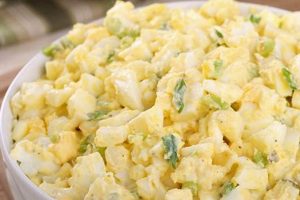
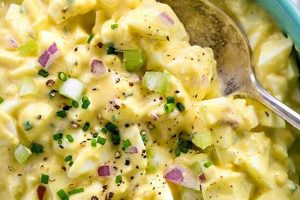
A dish combining canned tuna, chopped hard-boiled eggs, and mayonnaise forms the foundation of this classic preparation. Other common additions include celery, onion, relish, and seasonings such as salt, pepper, and paprika. Variations can incorporate ingredients like grapes, apples, nuts, or different types of dressings.
This combination offers a quick, affordable, and protein-rich meal option. Its versatility allows for easy customization to individual preferences and dietary needs. Historically, dishes combining fish and eggs have been enjoyed for their nutritional value and ease of preparation, evolving alongside readily available ingredients like canned tuna. The modern iteration gained popularity in the mid-20th century with the rise of convenience foods.
Further exploration will cover variations on the basic formula, tips for ingredient selection and preparation, and serving suggestions. Nutritional information and storage guidelines will also be addressed.
Tips for an Exceptional Tuna Salad with Egg
Elevating this simple dish requires attention to detail and thoughtful ingredient selection. The following tips offer guidance for crafting a superior tuna salad experience.
Tip 1: Quality Tuna Selection: Opt for high-quality canned tuna packed in water or oil, depending on preference. Solid or chunk light tuna generally offers the best texture for salad.
Tip 2: Perfect Egg Preparation: Overcooked eggs can result in a dry, crumbly texture. Aim for a firm but still moist yolk by cooking for 8-10 minutes, followed by immediate cooling in ice water.
Tip 3: Flavorful Enhancements: Freshly chopped celery and red onion add crispness and depth. Experiment with finely diced pickles, capers, or olives for a briny note.
Tip 4: Balanced Dressing: Mayonnaise is the traditional binder, but Greek yogurt or avocado can be incorporated for a lighter, healthier alternative. A touch of Dijon mustard or lemon juice adds complexity.
Tip 5: Seasoning Considerations: Freshly ground black pepper and a pinch of paprika enhance the overall flavor profile. Herbs such as dill or chives can provide a fresh, aromatic element.
Tip 6: Optimal Texture: Avoid overmixing the ingredients, which can result in a mushy texture. Gently fold the components together until just combined.
Tip 7: Chilling for Enhanced Flavor: Allow the salad to chill in the refrigerator for at least 30 minutes before serving. This allows the flavors to meld and enhances the overall taste experience.
By following these guidelines, one can create a tuna salad with egg that transcends the ordinary, offering a delightful balance of flavors and textures.
These practical tips provide a foundation for creating a truly satisfying and memorable dish. The concluding section will offer serving suggestions and address storage recommendations.
1. Ingredients

Ingredient selection directly impacts the final quality and character of tuna salad with egg. Each component contributes distinct flavors and textures, creating a complex interplay. Canned tuna, the foundational element, offers varying levels of quality and flavor profiles depending on the species and packing method. Oil-packed tuna contributes richness, while water-packed offers a leaner option. Egg quality influences texture and binding properties; fresh, properly cooked eggs create a smoother, more cohesive salad. Mayonnaise acts as the primary binder and flavor enhancer, with choices ranging from classic to low-fat varieties impacting overall richness. The addition of crisp vegetables like celery and onion introduces contrasting textures and subtle flavors, while seasonings like salt, pepper, and paprika balance and enhance the overall taste profile. For example, using high-quality albacore tuna packed in olive oil contributes a robust, savory flavor, while adding Dijon mustard to the mayonnaise introduces a tangy complexity.
Understanding the role of each ingredient allows for informed choices based on desired outcomes. Substituting Greek yogurt for a portion of the mayonnaise reduces fat content while adding a tangy note. Incorporating ingredients like chopped grapes or apples introduces sweetness and textural variation. Careful consideration of ingredient combinations ensures a balanced and flavorful final product. The interplay between ingredients allows for endless customization, catering to individual preferences and dietary needs. For instance, individuals seeking a lower sodium content can opt for low-sodium tuna and reduce added salt. Those prioritizing texture can experiment with different cuts of celery or incorporate chopped nuts.
Ingredient quality and thoughtful selection are paramount to a successful tuna salad with egg. Analyzing the contribution of each component empowers informed decision-making, leading to a final dish that reflects individual preferences and dietary considerations. Balancing flavor profiles, textures, and nutritional content through strategic ingredient choices elevates this simple dish from basic to exceptional. Addressing these factors ensures a satisfying and enjoyable culinary experience.
2. Preparation

Preparation significantly impacts the final quality and enjoyment of tuna salad with egg. Careful execution of each step, from ingredient handling to combining components, ensures optimal flavor, texture, and food safety. The process begins with proper drainage of canned tuna, minimizing excess liquid and preventing a watery salad. Over-draining, however, can lead to dry tuna. Egg preparation requires precise timing to achieve a firm yet moist yolk, avoiding the rubbery texture resulting from overcooking. Chopping vegetables into consistent sizes promotes even distribution and enhances visual appeal. For example, uniformly diced celery and onions ensure a balanced texture throughout the salad and prevent large pieces from overwhelming other ingredients. Gentle folding of ingredients prevents the tuna from breaking down and maintains a desirable texture, avoiding a mushy consistency. Thorough chilling allows flavors to meld and enhances the overall taste experience. Neglecting this step can result in a bland, less satisfying salad.
The importance of proper preparation extends beyond taste and texture to food safety. Thorough handwashing and the use of clean utensils minimize the risk of cross-contamination. Prompt refrigeration of prepared tuna salad inhibits bacterial growth and ensures safe consumption. For instance, leaving the salad at room temperature for extended periods can create an environment conducive to bacterial proliferation, posing health risks. Proper storage in airtight containers further extends shelf life and maintains freshness. Understanding these factors emphasizes the crucial role of preparation in creating a safe and enjoyable culinary experience. Consistent application of these principles contributes to a consistently high-quality and flavorful tuna salad with egg.
Effective preparation techniques are essential for maximizing the potential of a tuna salad recipe with egg. Attention to detail in each step, from ingredient handling to chilling, directly influences the final outcome. This understanding empowers informed choices, resulting in a dish that is both delicious and safe to consume. Mastering these techniques elevates the simple act of preparing tuna salad to a culinary practice that yields consistently satisfying results.
3. Variations
The adaptability of the basic tuna salad recipe with egg allows for extensive customization, transforming a simple dish into a diverse culinary experience. Exploring variations unlocks the potential for personalized flavor profiles and caters to a wider range of dietary preferences and ingredient availability. This exploration highlights the versatility of the core recipe and its capacity for creative expression in the kitchen.
- Ingredient Swaps
Ingredient substitutions offer significant flexibility. Replacing mayonnaise with Greek yogurt or avocado creates a lighter, healthier alternative. Incorporating different types of tuna, such as albacore or yellowfin, introduces distinct flavor nuances. Swapping traditional yellow onion for red onion adds a sharper, more pungent bite. These simple swaps demonstrate how ingredient choices directly impact the final product’s flavor profile and nutritional composition.
- Textural Enhancements
Adding textural complexity elevates the sensory experience. Chopped nuts, such as walnuts or pecans, provide a satisfying crunch. Water chestnuts introduce a crisp, refreshing element. Incorporating dried cranberries or chopped apples offers a chewy sweetness that contrasts with the other ingredients. These additions demonstrate how textural variation contributes to a more engaging and dynamic culinary experience.
- Flavor Adventures
Exploring different flavor profiles expands the possibilities of tuna salad. Incorporating curry powder introduces a warm, aromatic dimension. A dash of hot sauce adds a spicy kick. Fresh herbs, like dill or chives, contribute a bright, herbaceous note. Experimenting with these flavor additions allows for personalized customization and caters to diverse palates. For example, a Mediterranean-inspired variation might include chopped olives, feta cheese, and oregano.
- Dietary Adaptations
Adapting the recipe to specific dietary needs ensures inclusivity and expands accessibility. Using gluten-free bread or lettuce wraps caters to gluten-sensitive individuals. Substituting vegan mayonnaise allows for a plant-based version. Reducing the amount of sodium-rich ingredients, like pickles or capers, creates a lower-sodium option. These modifications demonstrate how the core recipe can be tailored to meet specific dietary requirements without sacrificing flavor or enjoyment.
These variations highlight the adaptability of the tuna salad recipe with egg, demonstrating its potential as a canvas for culinary creativity. From simple ingredient swaps to complex flavor combinations, the core recipe offers a foundation for personalized expression and exploration. This versatility allows for a dynamic and engaging culinary experience, ensuring continued enjoyment and adaptability to diverse preferences and needs. By embracing variations, this classic dish remains a relevant and adaptable staple in kitchens worldwide.
4. Nutrition

Nutritional analysis of tuna salad with egg reveals a profile rich in protein, healthy fats, and essential vitamins and minerals. Understanding this nutritional composition allows for informed dietary choices and highlights the potential health benefits of incorporating this dish into a balanced meal plan. The following facets delve into key nutritional components and their implications.
- Protein Powerhouse
Tuna and eggs, the primary components, contribute significant amounts of high-quality protein. Protein plays a crucial role in muscle building, tissue repair, and overall bodily function. The protein content in tuna salad makes it a satiating meal option, contributing to feelings of fullness and potentially aiding in weight management. For example, a typical serving can provide a substantial portion of the recommended daily protein intake.
- Healthy Fats and Omega-3s
Depending on the type of tuna used (e.g., albacore packed in olive oil), tuna salad can provide a source of healthy fats, including omega-3 fatty acids. Omega-3s offer numerous health benefits, including supporting cardiovascular health, reducing inflammation, and promoting brain function. Choosing tuna packed in water offers a lower-fat alternative while still providing essential nutrients. However, it’s important to consider the type of oil used if opting for oil-packed tuna, as some oils offer greater health benefits than others.
- Vitamins and Minerals
Tuna salad contributes essential vitamins and minerals. Tuna is a good source of vitamin D, selenium, and iodine, while eggs provide vitamin B12, choline, and other essential nutrients. These micronutrients play critical roles in various bodily functions, from supporting bone health to maintaining a healthy nervous system. The specific vitamin and mineral content can vary depending on the ingredients used, such as the type of tuna and any added vegetables.
- Calorie Considerations
Caloric content in tuna salad can vary based on ingredient choices and portion sizes. Mayonnaise, while contributing flavor and texture, can also increase the overall calorie and fat content. Using lower-fat mayonnaise or incorporating Greek yogurt can help manage caloric intake. Portion control is also essential for maintaining a balanced diet. Understanding the caloric contribution of tuna salad within the context of an overall meal plan allows for informed dietary choices and supports healthy weight management.
The nutritional composition of tuna salad with egg offers a balance of macronutrients and micronutrients, contributing to a healthy diet. Understanding the interplay of these components allows for informed choices regarding ingredient selection, preparation methods, and portion sizes. By considering these factors, individuals can maximize the nutritional benefits of this versatile dish while aligning it with their individual dietary needs and goals.
5. Serving
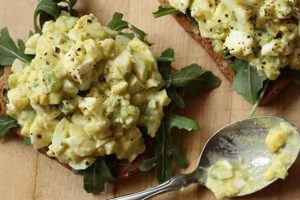
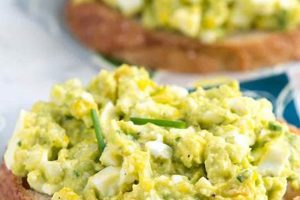
Serving tuna salad with egg effectively enhances the dining experience. Consideration of presentation, accompaniments, and context elevates this simple dish. Presentation impacts visual appeal and perceived freshness. Serving the salad on crisp lettuce cups offers a light, refreshing alternative to bread, while a bed of mixed greens provides a vibrant backdrop. Accompaniments provide contrasting flavors and textures. Crackers or crusty bread offer a classic pairing, while fresh fruit or vegetable slices introduce a refreshing element. Context, whether a casual lunch or a more formal occasion, influences serving choices. For a picnic, sandwiches or wraps provide convenient portability. As part of a buffet spread, a more elaborate presentation in a decorative bowl enhances visual appeal. For example, serving tuna salad with egg in scooped-out avocado halves adds visual interest and complements the flavors.
Practical application of these serving principles demonstrates their impact. For a light lunch, a simple serving of tuna salad on whole-wheat crackers alongside a small salad offers a balanced and satisfying meal. For a larger gathering, serving the salad as a filling for croissants or in hollowed-out tomatoes adds an element of elegance. Consideration of dietary restrictions informs serving choices. Gluten-free bread or lettuce wraps cater to specific dietary needs. Offering a variety of accompaniments, such as different types of crackers, breads, and vegetables, allows guests to personalize their experience. Understanding these nuances transforms a simple dish into a more thoughtful and enjoyable culinary experience.
Strategic serving elevates tuna salad with egg from a basic meal to a more considered culinary creation. Thoughtful presentation, appropriate accompaniments, and consideration of context enhance both the visual appeal and the overall dining experience. Application of these principles demonstrates a deeper understanding of the dish and its potential for versatility. This awareness transforms the act of serving from a simple task into an opportunity to enhance enjoyment and create a more memorable culinary experience.
6. Storage
Proper storage is crucial for maintaining the quality, flavor, and safety of tuna salad with egg. This perishable dish requires specific handling to prevent bacterial growth and spoilage. Ignoring proper storage protocols can lead to undesirable outcomes, including off-flavors, altered textures, and potential foodborne illnesses. Refrigeration at or below 40F (4C) is essential. Exposure to higher temperatures creates an environment conducive to rapid bacterial proliferation. Airtight containers minimize oxidation and prevent the salad from absorbing odors from other foods in the refrigerator. For instance, storing tuna salad in an open container can lead to it drying out and absorbing unwanted flavors. Proper storage extends the shelf life, typically allowing safe consumption for up to 3-5 days. Beyond this timeframe, the risk of spoilage increases significantly, even under refrigeration.
Practical application of these storage guidelines ensures food safety and maximizes enjoyment. Transferring leftover tuna salad to a clean, airtight container immediately after preparation minimizes exposure to contaminants and preserves freshness. Labeling the container with the date of preparation facilitates easy identification and helps avoid consumption beyond the safe storage period. Avoiding freezing tuna salad is generally recommended, as the freezing and thawing process can negatively impact texture and flavor, resulting in a watery, less palatable product. Understanding these practical considerations empowers informed decision-making and promotes responsible food handling practices. For example, if a large batch of tuna salad is prepared, dividing it into smaller, individual portions before storage can expedite cooling and reduce the risk of bacterial growth.
Effective storage is an integral component of responsible preparation and consumption of tuna salad with egg. Adherence to proper refrigeration techniques and the use of appropriate containers preserves quality, extends shelf life, and minimizes food safety risks. Understanding and applying these principles safeguards against spoilage and ensures a consistently enjoyable and safe culinary experience. Neglecting these practices can compromise both the quality of the dish and the health of those consuming it, highlighting the critical link between storage and food safety.
Frequently Asked Questions
This section addresses common inquiries regarding tuna salad preparation, storage, and variations, providing concise and informative responses.
Question 1: What type of tuna is best suited for tuna salad?
While any canned tuna can be used, solid or chunk light tuna typically offers the best balance of flavor, texture, and cost-effectiveness. Albacore tuna provides a more robust flavor but is often more expensive.
Question 2: How can one prevent tuna salad from becoming too dry?
Avoid over-draining the tuna. Retain a small amount of liquid or oil to maintain moisture. Adding a touch of plain Greek yogurt or avocado can also enhance moisture and creaminess.
Question 3: How long can tuna salad be safely stored in the refrigerator?
Properly stored in an airtight container, tuna salad with egg should be consumed within 3-5 days to minimize spoilage risk.
Question 4: Can tuna salad be frozen?
Freezing is generally not recommended, as it can negatively impact the texture and flavor of the salad. Thawing often results in a watery consistency.
Question 5: What are some healthy alternatives to mayonnaise in tuna salad?
Plain Greek yogurt or mashed avocado offer healthier alternatives to mayonnaise, reducing fat and calorie content while adding creaminess and flavor.
Question 6: How can one enhance the flavor of tuna salad beyond basic seasonings?
Incorporating ingredients like chopped fresh herbs (dill, chives), diced pickles, capers, or a squeeze of lemon juice can significantly enhance the flavor complexity of tuna salad.
Addressing these common inquiries provides a clearer understanding of key elements contributing to a successful tuna salad preparation. Consideration of these factors ensures a satisfying culinary experience.
The following section offers concluding thoughts and recipe inspiration.
Conclusion
Exploration of this topic encompassed ingredient selection, preparation techniques, variations, nutritional considerations, serving suggestions, and storage guidelines. Emphasis was placed on the importance of quality ingredients, proper handling techniques, and the potential for customization to meet individual preferences and dietary needs. Understanding these factors contributes to a consistently satisfying and safe culinary experience.
This seemingly simple dish offers a canvas for culinary creativity. From classic preparations to innovative variations, the potential for exploration remains vast. Thoughtful consideration of each element, from ingredient sourcing to final presentation, elevates this classic dish, ensuring its enduring appeal in kitchens worldwide. Readers are encouraged to experiment with variations and personalize the recipe to reflect individual tastes and preferences.