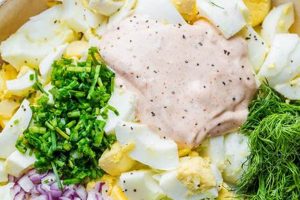
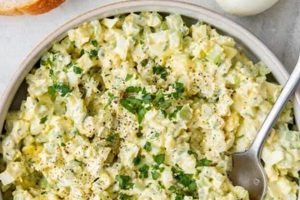
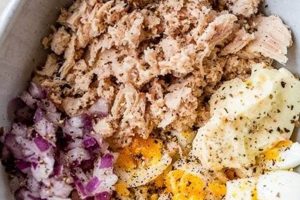
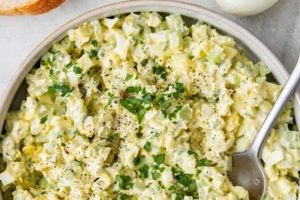
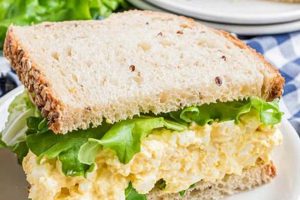
Classic egg salad, a staple of lunches and picnics, involves combining chopped hard-boiled eggs with mayonnaise and various seasonings. High-quality ingredients and thoughtful flavor combinations elevate this simple dish. For example, incorporating Dijon mustard, fresh herbs like dill or chives, and a touch of paprika can transform it into a culinary delight. Different textures can be achieved through coarsely chopping the eggs or adding finely diced celery and red onion.
Beyond its convenience and affordability, well-executed egg salad offers nutritional value, providing protein and healthy fats. Its adaptable nature allows for endless variations, accommodating diverse palates and dietary restrictions. From its humble beginnings as a deviled egg precursor, egg salad has evolved into a versatile dish enjoyed across cultures, showcasing regional variations and innovative interpretations.
This exploration delves into the nuances of crafting exceptional egg salad, covering topics such as perfect egg boiling techniques, mayonnaise selection, flavor profiles, and creative serving suggestions.
Tips for Exceptional Egg Salad
Achieving excellent egg salad involves attention to detail in every step, from ingredient selection to final presentation. These tips offer guidance on creating a dish that surpasses expectations.
Tip 1: Perfect Hard-Boiled Eggs: Overcooked yolks result in a dry, chalky texture. For optimal results, eggs should be simmered gently, then immediately plunged into ice water to halt the cooking process. This ensures a creamy yolk and easy peeling.
Tip 2: Mayonnaise Matters: High-quality mayonnaise forms the foundation of a flavorful egg salad. Experiment with different varieties, such as olive oil-based or flavored mayonnaises, to discover preferred taste profiles.
Tip 3: Seasoning Savvy: Beyond basic salt and pepper, explore diverse seasonings. Dijon mustard adds tang, paprika offers smokiness, and fresh herbs like dill or chives contribute bright, herbaceous notes.
Tip 4: Texture Considerations: Texture plays a significant role in the overall enjoyment. A combination of coarsely chopped and finely minced eggs creates a pleasing contrast. Incorporating diced celery or red onion provides additional textural complexity.
Tip 5: Bread and Beyond: While classic egg salad sandwiches remain a favorite, consider alternative serving options. Serve the egg salad on lettuce cups, crackers, or as a filling for deviled eggs for a lighter presentation.
Tip 6: Storage Smarts: Proper storage maintains the freshness and quality of egg salad. Store it in an airtight container in the refrigerator for up to three days.
Tip 7: Flavorful Enhancements: Consider adding other ingredients to enhance the flavor profile, such as chopped pickles, relish, capers, or even a dash of hot sauce for a spicy kick. Experimentation often leads to exciting discoveries.
By applying these tips, one can transform ordinary egg salad into a memorable culinary experience. Attention to detail, from egg preparation to seasoning choices, yields remarkable results.
With these foundational principles established, a deeper exploration into specific recipe variations and advanced techniques can further enhance one’s egg salad expertise.
1. Fresh, High-Quality Eggs

Fresh, high-quality eggs form the cornerstone of exceptional egg salad. Their impact extends beyond basic nutrition, significantly influencing the final dish’s flavor, texture, and overall appeal. Eggs past their prime can impart off-flavors, impacting the delicate balance of seasonings. Moreover, fresher eggs exhibit superior binding properties, contributing to a cohesive, creamy texture, rather than a watery, separated mixture. For example, using farm-fresh eggs, noticeably richer in flavor and yolk color, elevates the egg salad’s taste profile compared to using older, store-bought alternatives.
The quality of eggs directly correlates with the ease of peeling, a critical factor in achieving a smooth, aesthetically pleasing egg salad. Freshly laid eggs typically possess firmer membranes, adhering more tightly to the shell. This characteristic, while sometimes frustrating during peeling, is a hallmark of quality, as it indicates the egg’s freshness. Older eggs, conversely, often peel unevenly, leaving unsightly divots and ragged edges, impacting the final presentation. This distinction underscores the practical significance of selecting fresh eggs for optimal results.
Prioritizing fresh, high-quality eggs demonstrates a commitment to excellence in egg salad preparation. This foundational ingredient influences not only the taste and texture but also the ease of preparation and final presentation. While seemingly minor, the selection of eggs establishes the groundwork for achieving truly exceptional egg salad.
2. Balanced Mayonnaise Base
Mayonnaise serves as the foundational binding agent in egg salad, significantly influencing its overall quality. A balanced mayonnaise base provides the necessary richness and creaminess while allowing other ingredients to shine. Overpowering or bland mayonnaise can mask the delicate flavors of the eggs and other components. Understanding the nuances of mayonnaise selection and proportion is crucial for achieving a harmonious and flavorful egg salad.
- Mayonnaise Quality:
The quality of mayonnaise directly impacts the final flavor profile. Standard commercial mayonnaise offers a neutral base, while artisanal or flavored varieties introduce complexity. For example, an olive oil-based mayonnaise lends a subtle fruitiness, while a mayonnaise infused with herbs or spices adds depth. Selecting a high-quality mayonnaise, appropriate for the desired flavor profile, is essential.
- Proportion and Balance:
The correct mayonnaise-to-egg ratio is critical for achieving the desired texture and consistency. Too much mayonnaise results in a gloppy, overly rich salad, whereas too little leads to a dry, crumbly texture. A balanced approach ensures that the mayonnaise complements the eggs without overpowering them, allowing the other ingredients to contribute to the overall flavor profile. A general guideline is approximately cup of mayonnaise per 2 large eggs, but this can be adjusted based on personal preference and the specific recipe.
- Flavor Enhancements within the Base:
The mayonnaise base itself presents an opportunity to introduce additional flavors. Incorporating ingredients like Dijon mustard, plain yogurt, or sour cream into the mayonnaise adds tang and complexity. These additions can also help lighten the overall richness, creating a more balanced and refreshing egg salad. For example, a spoonful of Dijon mustard provides a sharp counterpoint to the richness of the mayonnaise, enhancing the overall flavor profile.
- Acidity and Brightness:
Balancing the richness of mayonnaise with acidity is crucial for a palatable egg salad. A touch of lemon juice or vinegar cuts through the richness, adding brightness and preventing the salad from feeling heavy. This acidic element also helps to preserve the vibrant color of the yolks and enhances the overall freshness of the dish. A small amount of white wine vinegar, for instance, provides a subtle tang that balances the richness of the mayonnaise without overpowering the other flavors.
A well-balanced mayonnaise base is fundamental to a successful egg salad. Careful consideration of mayonnaise quality, proportion, flavor enhancements, and acidity ensures a harmonious blend of flavors and textures. By understanding these factors, one can create an egg salad that is not only delicious but also showcases the nuanced interplay of ingredients.
3. Complementary Seasonings

Seasonings are essential for transforming simple egg salad into a flavorful, nuanced dish. The right blend of spices and herbs elevates the inherent flavors of the eggs and other ingredients, creating complexity and depth. Careful consideration of complementary seasonings is crucial for achieving a well-balanced and delicious egg salad.
- Classic Combinations:
Traditional egg salad seasonings often include paprika, dry mustard, and black pepper. Paprika contributes a subtle smokiness and vibrant color, while dry mustard adds a touch of pungency. Black pepper provides a subtle heat and enhances the overall flavor profile. These classic combinations offer a familiar and comforting taste.
- Fresh Herbs:
Fresh herbs introduce bright, herbaceous notes that complement the richness of the eggs and mayonnaise. Dill, chives, parsley, and tarragon are popular choices, each offering a distinct flavor profile. Finely chopped chives provide a delicate onion flavor, while dill adds a refreshing, slightly tangy note. The use of fresh herbs elevates the egg salad, adding a layer of freshness.
- Aromatic Additions:
Ingredients like finely diced red onion or shallots introduce aromatic complexity. These additions provide a subtle sharpness that cuts through the richness of the mayonnaise, adding a pleasant textural contrast. A small amount of finely grated garlic can also be incorporated for a more pungent flavor.
- Balancing Acidity:
A touch of acidity balances the richness of the mayonnaise and enhances the overall flavor profile. Lemon juice, white wine vinegar, or a dash of hot sauce can add brightness and complexity. For example, a squeeze of lemon juice brightens the flavors and adds a refreshing tang.
The strategic use of complementary seasonings distinguishes a truly exceptional egg salad. By thoughtfully combining classic spices, fresh herbs, aromatic additions, and balancing acidity, one can create a dish that is both flavorful and well-balanced. The interplay of these seasonings enhances the inherent flavors of the ingredients, resulting in a more complex and satisfying culinary experience.
4. Appropriate Textural Elements

Texture significantly contributes to the enjoyment of egg salad. A homogenous, pasty consistency often proves less appealing than a salad offering varied textural experiences. Appropriate textural elements provide complexity and interest, enhancing the overall sensory experience. Consider the contrast between the creamy yolk and the firmer egg white. This inherent textural variation provides a foundation upon which to build further complexity. Incorporating finely diced celery or red onion introduces a crisp, refreshing counterpoint to the softness of the eggs. Chopped walnuts or pecans offer a satisfying crunch. Even the coarseness of the egg chop itself contributes to the final textural profile. A coarsely chopped egg salad offers a more rustic experience, while a finely minced version presents a smoother, more delicate texture.
Understanding the interplay of textures allows for strategic manipulation to achieve desired results. For a classic egg salad, a combination of coarsely chopped and finely minced eggs provides a pleasant contrast. Adding finely diced celery and red onion introduces a crisp, refreshing element. For a more substantial salad, incorporating chopped nuts or seeds provides a satisfying crunch. The choice of bread also influences the overall textural experience. A soft, pillowy bread complements a creamy egg salad, while a crusty baguette provides a textural counterpoint. These examples illustrate how thoughtful consideration of texture can elevate a simple egg salad to a more complex and satisfying dish.
Achieving textural balance in egg salad involves considering both the inherent textures of the ingredients and the methods of preparation. Balancing soft and creamy elements with crisp and crunchy components creates a more dynamic and enjoyable eating experience. This understanding allows for a more nuanced approach to recipe development and ensures a final product that is not only flavorful but also texturally appealing. Overlooking textural considerations can result in a bland, uninspiring egg salad, whereas a carefully constructed interplay of textures elevates the dish to a new level of culinary sophistication.
5. Creative Serving Suggestions

While the quality of ingredients and preparation fundamentally determine a good egg salad recipe, creative serving suggestions elevate the dish beyond the ordinary. Presentation and context significantly influence the overall dining experience, transforming a simple lunch staple into a more sophisticated or versatile offering. Exploring alternative serving methods broadens the appeal of egg salad and allows for greater creativity in meal planning.
- Beyond the Sandwich:
Traditional egg salad sandwiches, while undeniably classic, represent only one possibility. Expanding beyond sliced bread opens a world of culinary exploration. Lettuce cups offer a lighter, low-carb alternative. Serving egg salad atop crackers or crostini provides a more elegant presentation for appetizers or snacks. Utilizing endive leaves or bell pepper halves creates visually appealing and refreshing vessels for the salad.
- Elevating Appetizers and Hors d’oeuvres:
Egg salad’s adaptability lends itself well to appetizer presentations. Deviled eggs, essentially a deconstructed egg salad, offer a familiar yet elegant option. Mini phyllo cups or tart shells filled with egg salad provide a sophisticated touch. Spooning egg salad onto cucumber rounds or cherry tomatoes creates bite-sized hors d’oeuvres perfect for parties or gatherings. These presentations showcase egg salad in a refined and appealing manner.
- Incorporating into Larger Meals:
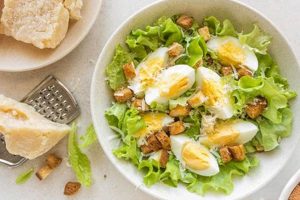
Egg salad can play a supporting role in larger meals, adding protein and flavor. Incorporating it into salads adds a creamy element and a boost of protein. Using it as a filling for omelets or frittatas offers a unique twist on breakfast or brunch classics. Even topping baked potatoes with egg salad provides a flavorful and satisfying meal option.
- Presentation and Garnishes:
Thoughtful presentation enhances the visual appeal of any dish. Garnishing egg salad with fresh herbs, a sprinkle of paprika, or a drizzle of olive oil elevates its appearance. Serving it in attractive bowls or on platters adds to the overall dining experience. Even the simple act of carefully arranging crackers or crostini around a scoop of egg salad demonstrates attention to detail and enhances the presentation. Visual appeal plays a significant role in the perception of flavor and enjoyment.
Creative serving suggestions transform good egg salad recipes into memorable culinary experiences. Moving beyond the traditional sandwich format and exploring alternative presentations broadens the versatility and appeal of this classic dish. By considering presentation, garnishes, and context, one can elevate egg salad from a simple staple to a more sophisticated and enjoyable culinary creation.
Frequently Asked Questions
Addressing common inquiries regarding egg salad preparation clarifies potential uncertainties and ensures optimal results. These frequently asked questions offer practical guidance for achieving high-quality egg salad.
Question 1: How can one prevent hard-boiled eggs from becoming overcooked and developing a green ring around the yolk?
Overcooking results from excessive boiling time. A green ring around the yolk indicates a reaction between iron in the yolk and sulfur in the white, often caused by high heat or prolonged cooking. Simmering eggs gently for the appropriate duration, followed by immediate immersion in ice water, prevents both issues.
Question 2: What factors contribute to a watery egg salad, and how can this issue be avoided?
Excess mayonnaise or insufficiently drained eggs contribute to a watery consistency. Using high-quality mayonnaise in appropriate proportions and thoroughly draining the cooked eggs before chopping prevents excess moisture.
Question 3: How long can egg salad be safely stored in the refrigerator, and what are the signs of spoilage?
Refrigerated egg salad typically remains safe for consumption up to three days when stored in an airtight container. Discard egg salad exhibiting a sour odor, discoloration, or mold growth.
Question 4: Can egg salad be frozen, and if so, what is the recommended procedure?
Freezing egg salad is generally not recommended due to the mayonnaise base, which tends to separate and become watery upon thawing. This impacts the texture and overall quality of the salad.
Question 5: What are some suitable alternatives to mayonnaise for individuals with dietary restrictions or preferences?
Plain Greek yogurt, mashed avocado, or a combination of olive oil and lemon juice offer healthier alternatives to mayonnaise, while still providing a creamy texture and binding properties. These substitutions cater to various dietary needs and preferences.
Question 6: How can one achieve a smoother, more uniform texture in egg salad?
Using a ricer or food mill to process the hard-boiled eggs yields a smoother, more uniform texture compared to chopping. This technique creates a creamy consistency ideal for spreading or piping.
Understanding these common concerns empowers individuals to create superior egg salad. Addressing these points ensures a more informed approach to recipe selection and preparation.
This comprehensive guide provides a solid foundation for crafting exceptional egg salad. Experimentation and adaptation of these principles based on individual preferences further enhance the culinary journey.
Crafting Superior Egg Salad
Exceptional egg salad transcends mere ingredient combination; it represents a culinary practice grounded in foundational principles. From the selection of fresh, high-quality eggs to the nuanced interplay of seasonings and textural elements, each component contributes to the final product’s overall quality. A balanced mayonnaise base provides richness and cohesion, while carefully chosen seasonings elevate the flavor profile. Appropriate textural elements add depth and complexity, engaging the palate beyond basic taste. Creative serving suggestions further enhance the dining experience, demonstrating the dish’s versatility.
Mastery of egg salad preparation lies in understanding these core principles and applying them with intention. Continual refinement of technique, coupled with exploration of flavor combinations, unlocks the full potential of this classic dish. Elevating egg salad from simple fare to a culinary achievement requires attention to detail, respect for quality ingredients, and a willingness to experiment. This pursuit of excellence transforms a commonplace dish into a testament to culinary craftsmanship.