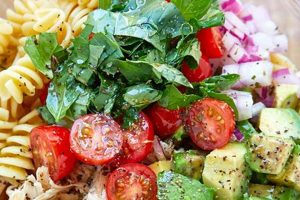
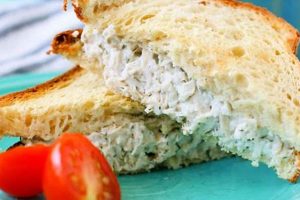
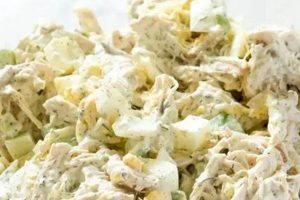
Dishes categorized as such typically combine cooked chicken, mayonnaise, and a curry powder blend. Variations often incorporate fruits like grapes or apples, dried fruits such as raisins or cranberries, nuts like almonds or cashews, and vegetables such as celery or onion. These salads can range from mild to intensely spiced, sweet to savory, and creamy to chunky, offering diverse flavor profiles.
These versatile dishes offer a convenient and flavorful meal option. They are suitable for picnics, quick lunches, or light dinners. The blend of spices offers potential health benefits associated with turmeric and other ingredients often found in curry powder. Historically, similar chicken and fruit combinations have appeared in various culinary traditions, with modern interpretations often incorporating mayonnaise and reflecting globalized palates.
This article will explore various approaches to creating these flavorful salads, from classic recipes to innovative variations. It will delve into the selection of ingredients, techniques for achieving optimal flavor balance, and tips for presentation and serving.
Tips for Crafting Exceptional Chicken Salad with Curry
Achieving a well-balanced and flavorful curry chicken salad involves careful consideration of ingredients and techniques. The following tips offer guidance for creating a superior culinary experience.
Tip 1: Selecting the Chicken: Roasting or poaching chicken specifically for the salad yields optimal flavor and texture. Pre-cooked rotisserie chicken offers a convenient alternative.
Tip 2: Curry Powder Selection: Experimenting with different curry powder blends allows customization of flavor profiles. Consider pre-made blends or creating custom mixtures to achieve desired levels of heat and complexity.
Tip 3: Balancing Sweetness and Acidity: Incorporating fruits like grapes, apples, or mango provides sweetness, while a touch of lemon juice or vinegar offers balancing acidity.
Tip 4: Enhancing Texture: Toasted nuts, such as almonds or cashews, and chopped celery or red onion contribute textural variety.
Tip 5: Mayonnaise Considerations: High-quality mayonnaise forms the base of the salad. Greek yogurt can be incorporated to reduce fat content while maintaining creaminess.
Tip 6: Mindful Ingredient Incorporation: Gentle folding prevents overmixing and maintains the integrity of the ingredients.
Tip 7: Chilling for Optimal Flavor: Allowing the salad to chill for at least 30 minutes allows the flavors to meld.
Attention to these details elevates the final product, resulting in a chicken salad that offers a harmonious blend of flavors and textures.
By following these guidelines, one can confidently prepare a delicious and satisfying curry chicken salad.
1. Chicken (cooked, diced)

Chicken serves as the foundational ingredient in curry chicken salad recipes, providing protein and texture. The preparation and quality of the chicken significantly influence the overall dish’s success. Understanding its various facets is crucial for crafting a superior salad.
- Cooking Methods
Various cooking methods impact the chicken’s flavor and texture within the salad. Roasting imparts a rich, savory depth, while poaching yields a more delicate, moist result. Using leftover or pre-cooked rotisserie chicken offers convenience. The chosen method contributes distinct characteristics to the final dish.
- Dicing Technique
The size of the diced chicken pieces affects both texture and the distribution of flavor throughout the salad. Smaller pieces offer a smoother, more integrated texture, while larger chunks provide a heartier, more substantial bite. Consistency in dicing ensures even flavor distribution and a pleasant mouthfeel.
- Chicken Quality
The quality of the chicken directly impacts the overall flavor and enjoyment of the salad. Using fresh, high-quality chicken breasts or thighs results in a superior product compared to using processed or lower-grade chicken. Prioritizing quality enhances both taste and nutritional value.
- Flavor Absorption
Cooked, diced chicken readily absorbs the flavors of the curry powder, mayonnaise, and other ingredients in the salad. This absorption creates a cohesive flavor profile, where the chicken serves as a canvas for the other components. Marinating the cooked chicken briefly in a portion of the curry mixture before combining with other ingredients can further enhance flavor penetration.
Careful consideration of these facets related to the cooked, diced chicken ensures a balanced and flavorful curry chicken salad. The interplay between cooking method, dicing technique, and chicken quality contributes significantly to the final dish’s overall success, making it a key element in recipe development and execution.
2. Curry Powder (Blend)

Curry powder functions as the defining characteristic of curry chicken salad, imbuing the dish with its distinctive flavor profile. The selection and application of this spice blend significantly influence the final product. Curry powder is not a monolithic entity; rather, it encompasses a wide range of blends, each possessing unique characteristics derived from varying proportions of spices such as turmeric, cumin, coriander, ginger, fenugreek, and chili peppers. The specific blend chosen dictates the overall taste experience, ranging from mild and aromatic to intensely spicy and complex. For instance, a Madras curry powder typically incorporates a higher proportion of chili peppers, resulting in a hotter salad, while a Korma blend emphasizes milder spices and often includes nuts, creating a richer, more nuanced flavor. The quantity of curry powder used also plays a crucial role, allowing for adjustable levels of intensity to cater to individual preferences.
Understanding the nuances of curry powder allows for precise flavor manipulation. Blends emphasizing turmeric offer earthy notes and vibrant color, while those highlighting cumin and coriander contribute warm, savory undertones. The interaction of these spices creates a layered complexity, adding depth to the chicken salad. Experimentation with different blends provides opportunities to tailor the flavor profile, accommodating preferences for specific regional variations or achieving a desired balance of heat and aromatics. Furthermore, the freshness of the curry powder impacts its potency; fresher blends deliver more vibrant flavors. Proper storage in airtight containers away from heat and light preserves the integrity of the spice blend.
Effective utilization of curry powder requires an understanding of its impact on the overall composition of the curry chicken salad. It is essential to consider how the chosen blend interacts with other ingredients, such as fruits, nuts, and vegetables. For example, a sweeter curry powder might pair well with tart apples and grapes, while a spicier blend might complement the crunch of cashews and celery. Achieving a harmonious balance of flavors requires careful consideration of the interplay between the curry powder and the other components. Mastering this aspect of recipe development is key to creating a well-rounded and satisfying curry chicken salad experience. Ultimately, the judicious selection and application of curry powder elevate this dish from a simple combination of ingredients to a complex and flavorful culinary creation.
3. Mayonnaise (base)

Mayonnaise serves as the foundational binding agent in curry chicken salad, contributing significantly to texture, flavor, and overall palatability. Its properties are essential for creating a cohesive and enjoyable culinary experience. Understanding its role and variations is crucial for crafting a successful curry chicken salad.
- Texture and Consistency
Mayonnaise provides the creamy texture characteristic of curry chicken salad. Its emulsification properties bind the ingredients together, creating a smooth, cohesive mixture. The consistency of the mayonnaise influences the salad’s overall texture, ranging from a light and airy emulsion to a richer, denser composition. This textural element contributes significantly to the perceived quality and enjoyment of the dish.
- Flavor Interaction
Mayonnaise, while primarily providing a creamy backdrop, also interacts with the other flavors in the salad. Its subtle tanginess complements the spices in the curry powder, while its richness enhances the savory notes of the chicken and other ingredients. The flavor profile of the mayonnaise itself can be adjusted with additions such as lemon juice, vinegar, or herbs, further influencing the overall taste experience.
- Variations and Substitutions
While traditional mayonnaise forms the standard base, variations and substitutions offer opportunities to modify the salad’s nutritional profile or flavor. Greek yogurt, for instance, can be incorporated to reduce fat content while maintaining creaminess, although it may introduce a slightly tangier note. Avocado mayonnaise offers a richer, more decadent alternative with a distinct flavor profile. These variations provide flexibility in recipe development and cater to diverse dietary preferences.
- Quantity and Incorporation
The amount of mayonnaise used directly impacts the salad’s consistency and richness. Too little mayonnaise results in a dry, crumbly mixture, while an excess can create an overly rich and heavy salad. Proper incorporation techniques, such as gentle folding, ensure even distribution and prevent the mayonnaise from overwhelming the other ingredients. Finding the right balance is crucial for achieving the desired texture and flavor profile.
The role of mayonnaise extends beyond simply binding the ingredients together; it contributes significantly to the overall sensory experience of curry chicken salad. By understanding its influence on texture, flavor, and its potential variations, one can create a dish that balances flavor complexity, textural appeal, and nutritional considerations. The careful selection and application of mayonnaise are essential for achieving a truly satisfying and well-balanced curry chicken salad.
4. Fruits (grapes, apples)

The incorporation of fruits, such as grapes and apples, into curry chicken salad recipes introduces a crucial dimension of flavor and texture, balancing the savory components and adding a refreshing element. This seemingly simple addition contributes significantly to the overall complexity and enjoyment of the dish.
- Balancing Sweetness and Acidity
Fruits contribute sweetness and acidity, counterbalancing the savory notes of the chicken and curry powder. The natural sugars in grapes and apples provide a subtle sweetness that complements the spice blend, while their inherent acidity offers a refreshing contrast. This interplay of flavors creates a more balanced and nuanced flavor profile, preventing the salad from becoming overly rich or savory.
- Textural Contrast
The addition of fruits introduces textural variety to the curry chicken salad. The crispness of apples and the juicy pop of grapes contrast with the tender chicken and creamy mayonnaise, creating a more dynamic and engaging mouthfeel. This textural contrast adds another layer of complexity, enhancing the overall sensory experience.
- Flavor Pairing with Curry
Certain fruits, like grapes and apples, pair particularly well with the complex flavors of curry powder. The sweetness of these fruits complements the warm spices, while their mild acidity prevents the spices from overpowering the palate. This harmonious interaction of flavors creates a synergistic effect, enhancing the overall taste experience.
- Visual Appeal and Freshness
Incorporating fruits enhances the visual appeal of the curry chicken salad. The vibrant colors of grapes and the contrasting textures of diced apples add visual interest, making the salad more appetizing. Furthermore, the presence of fresh fruit contributes to the perception of freshness and lightness, enhancing the overall appeal of the dish.
The inclusion of fruits like grapes and apples elevates curry chicken salad from a simple combination of ingredients to a more complex and nuanced culinary creation. The interplay of sweetness, acidity, texture, and visual appeal contributes significantly to the overall enjoyment of the dish, demonstrating the importance of this seemingly simple addition.
5. Nuts (almonds, cashews)
Nuts, particularly almonds and cashews, contribute a significant textural and flavor dimension to curry chicken salad recipes. Their inclusion elevates the dish beyond a simple protein-and-sauce combination, adding complexity and enhancing the overall sensory experience. The primary contribution of nuts lies in their textural contrast. The crunch of almonds and cashews juxtaposes the softer textures of the chicken, mayonnaise, and fruit, creating a more dynamic mouthfeel. This interplay of textures makes each bite more engaging and satisfying. Furthermore, nuts offer a unique flavor profile that complements the other ingredients. Almonds provide a subtle sweetness and a slightly bitter note, while cashews offer a richer, buttery flavor. These flavors interact with the spices in the curry powder, creating a more nuanced and balanced taste experience. Roasting the nuts before adding them to the salad further intensifies their flavor and enhances their crunch. For instance, toasted almonds develop a deeper, nuttier flavor that complements the warmth of the curry spices, while roasted cashews offer a more pronounced buttery taste that enhances the richness of the dish.
Beyond texture and flavor, nuts contribute nutritional value to curry chicken salad. Almonds and cashews are rich in healthy fats, protein, and fiber, adding nutritional density to the meal. Their inclusion can transform a simple salad into a more substantial and satisfying dish. From a practical perspective, the choice between almonds and cashews, or a combination of both, depends on the desired flavor profile and textural preference. Almonds offer a more pronounced crunch and a slightly bitter note, while cashews provide a smoother, creamier texture and a richer flavor. The quantity of nuts added also influences the overall experience; a smaller amount provides a subtle textural accent, while a larger quantity makes the nuts a more prominent component of the salad. Consideration of these factors allows for customization and ensures the final product aligns with individual preferences.
The inclusion of nuts in curry chicken salad exemplifies the importance of considering texture and flavor interactions when developing recipes. This seemingly small addition elevates the dish by creating a more dynamic and satisfying sensory experience. Understanding the specific contributions of different types of nuts, as well as the impact of roasting and quantity, allows for precise control over the final product, demonstrating the crucial role of nuts in crafting a well-balanced and flavorful curry chicken salad.
6. Vegetables (celery, onion)

The incorporation of vegetables, such as celery and onion, into curry chicken salad recipes introduces crucial textural and flavor dimensions. These additions contribute significantly to the overall complexity and balance of the dish, moving beyond basic ingredients to a more nuanced culinary experience. The strategic use of vegetables elevates the salad’s sensory profile.
- Textural Complexity
Celery and onion provide contrasting textures that enhance the mouthfeel of curry chicken salad. Celery offers a crisp, refreshing crunch, while onion contributes a subtle sharpness and a slightly softer bite. These textural variations create a more dynamic and engaging culinary experience, contrasting with the creaminess of the mayonnaise and the tenderness of the chicken.
- Flavor Enhancement
Beyond texture, these vegetables contribute distinct flavors that complement the curry spices. Celery offers a mild, slightly vegetal taste that balances the richness of the mayonnaise and the intensity of the curry powder. Onion, depending on the variety, can introduce a sharp, pungent note or a sweeter, milder flavor, further enhancing the complexity of the overall flavor profile. The combination of these flavors creates a more nuanced and balanced taste experience.
- Aromatic Depth
The aromatic compounds present in celery and onion, particularly when raw, contribute to the overall aroma of the curry chicken salad. These aromatic notes interact with the spices in the curry powder, creating a more complex and enticing scent. This aromatic depth enhances the sensory experience, making the salad more appealing before it even reaches the palate.
- Nutritional Value
Celery and onion offer nutritional benefits, adding value to the curry chicken salad beyond flavor and texture. These vegetables are low in calories and rich in vitamins and minerals, contributing to a more nutritious and well-rounded meal. Their inclusion aligns with health-conscious approaches to recipe development.
The strategic inclusion of vegetables like celery and onion demonstrates a thoughtful approach to recipe development, highlighting the importance of balancing flavor, texture, and nutritional value. These additions elevate curry chicken salad from a simple combination of ingredients to a more complex and satisfying culinary creation. Understanding the specific contributions of different vegetables allows for precise control over the final product, demonstrating their crucial role in crafting a well-balanced and flavorful dish.
Frequently Asked Questions
This section addresses common inquiries regarding curry chicken salad recipes, providing concise and informative responses to facilitate a deeper understanding of this versatile dish.
Question 1: What type of curry powder is best suited for chicken salad?
A wide range of curry powders can be utilized, from mild Korma to spicier Madras blends. Selection depends on individual preference. Experimentation is encouraged to discover preferred flavor profiles.
Question 2: Can pre-cooked chicken be used?
Pre-cooked chicken, such as rotisserie chicken, offers a convenient option. However, roasting or poaching chicken specifically for the salad enhances flavor and texture.
Question 3: How can the salad’s consistency be adjusted?
Adjusting the amount of mayonnaise influences the salad’s consistency. More mayonnaise yields a creamier result, while less produces a chunkier texture. Greek yogurt can be incorporated to reduce fat content and maintain creaminess.
Question 4: What fruits pair well with curry chicken salad?
Grapes and apples are classic choices, offering sweetness and acidity. Mangoes, dried cranberries, or raisins can also complement the curry flavors.
Question 5: How long can curry chicken salad be stored?
Properly stored in an airtight container in the refrigerator, curry chicken salad typically lasts for 3-5 days. Always check for spoilage before consumption.
Question 6: Can curry chicken salad be frozen?
While freezing is possible, it can alter the texture of the mayonnaise, potentially resulting in a less desirable consistency upon thawing. It is generally recommended to consume the salad fresh.
Understanding these common points of inquiry allows for more informed recipe selection and preparation. Successful execution depends on utilizing fresh, high-quality ingredients and adhering to safe food handling practices.
For further exploration, the following section offers a selection of curated curry chicken salad recipes.
Curry Chicken Salad Recipes
Exploration of curry chicken salad recipes reveals a versatile dish adaptable to various palates and preferences. Careful selection of ingredients, from the curry powder blend to complementary fruits, vegetables, and nuts, allows for a customized culinary experience. Understanding the interplay of flavors and texturesthe creamy mayonnaise, the succulent chicken, the crisp vegetables, and the sweet and savory notes of fruits and nutsis essential for creating a well-balanced and satisfying salad. Proper technique, including gentle mixing and adequate chilling time, ensures optimal flavor development and textural integrity.
Curry chicken salad recipes offer a canvas for culinary creativity, inviting experimentation with diverse ingredients and flavor profiles. From classic combinations to innovative variations, the potential for personalized interpretations is vast. This exploration underscores the importance of understanding the core components and their interactions, empowering culinary enthusiasts to craft exceptional and personalized renditions of this adaptable dish.