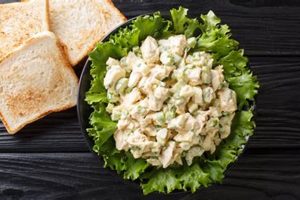
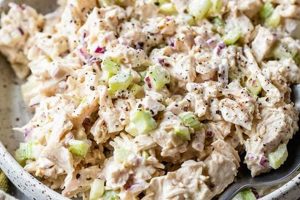
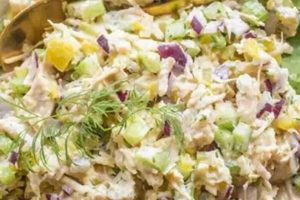
Combining cooked chicken with seasonings and a creamy base creates a versatile dish suitable for sandwiches, salads, or wraps. Using Greek yogurt as the binder offers a healthier alternative to mayonnaise-based versions, reducing overall fat and calories while adding a tangy flavor and increasing protein content. A typical preparation involves diced or shredded chicken, Greek yogurt, and additions like celery, grapes, nuts, or herbs.
The rising popularity of this variation reflects a growing interest in healthier eating habits. The lower fat and higher protein content of Greek yogurt compared to traditional mayonnaise makes it an attractive option for those seeking to manage their weight or improve their nutritional intake. This shift towards lighter ingredients allows for greater flexibility in incorporating flavorful additions without excessive caloric impact. Additionally, the tanginess of Greek yogurt complements the savory chicken, creating a more complex and satisfying flavor profile.
This exploration will delve into various aspects of preparing this dish, including different ingredient combinations, preparation techniques, and serving suggestions. Topics covered will range from classic recipes to innovative variations, providing a comprehensive guide to crafting delicious and nutritious meals.
Tips for Preparing Chicken Salad with Greek Yogurt
Optimizing flavor and texture requires attention to several key preparation details. The following tips provide guidance for creating a successful and enjoyable dish.
Tip 1: Chicken Selection and Preparation: Using pre-cooked chicken simplifies the process. Rotisserie chicken offers excellent flavor and moistness. Alternatively, poaching or grilling boneless, skinless chicken breasts provides a leaner option. Ensure the chicken is cooled and shredded or diced before incorporating other ingredients.
Tip 2: Greek Yogurt Selection: Plain, non-fat Greek yogurt provides the tangiest flavor and lowest calorie count. Full-fat varieties offer a richer, creamier texture. Consider the desired consistency and dietary preferences when selecting.
Tip 3: Balancing Flavors: Fresh herbs, such as dill, chives, or parsley, enhance the overall flavor profile. Spices like paprika, cumin, or curry powder introduce complexity. A touch of lemon juice or apple cider vinegar can brighten the taste.
Tip 4: Incorporating Texture: Chopped celery, grapes, walnuts, or dried cranberries provide textural contrast. Consider the size and consistency of added ingredients to achieve the desired mouthfeel.
Tip 5: Chilling and Serving: Chilling the prepared salad for at least 30 minutes allows the flavors to meld. Serve on bread, crackers, lettuce cups, or as a standalone salad. Garnishing with fresh herbs or a sprinkle of paprika adds visual appeal.
Tip 6: Portion Control and Storage: Portion the salad into individual containers for convenient meal prepping. Store leftovers in an airtight container in the refrigerator for up to three days.
Tip 7: Customization: Adapt the recipe to personal preferences by experimenting with different ingredients. Consider adding chopped apples, red onion, or sunflower seeds for variations in flavor and texture.
By following these tips, one can consistently create a flavorful, nutritious, and satisfying chicken salad with Greek yogurt.
These preparation guidelines facilitate a successful culinary outcome, contributing to a healthy and enjoyable dining experience.
1. Chicken (cooked, diced/shredded)

Chicken serves as the foundational ingredient, providing the primary protein source and influencing the overall texture and flavor profile of the dish. Preparation methods and handling of the chicken significantly impact the final result.
- Cooking Method:
Various cooking methods impact the chicken’s flavor and moisture content. Rotisserie chicken offers a convenient and flavorful option, while poaching or grilling boneless, skinless breasts yields a leaner outcome. Boiling can result in a drier texture, requiring careful attention to prevent overcooking. The chosen cooking method should align with the desired flavor profile and dietary considerations.
- Preparation Technique (Diced/Shredded):
The size and shape of the chicken pieces affect both texture and how the meat absorbs flavors. Dicing produces a chunkier salad, while shredding creates a finer, more delicate texture. The choice depends on personal preference and the desired consistency of the final product. Shredded chicken tends to blend more seamlessly with the Greek yogurt base, while diced chicken provides more distinct textural contrast.
- Quality and Freshness:
Using high-quality, fresh chicken contributes significantly to the overall taste and safety of the salad. Proper handling and storage are crucial to prevent bacterial contamination. Freshly cooked chicken is ideal, but pre-cooked options offer convenience. When using pre-cooked chicken, ensure it is from a reputable source and handled according to food safety guidelines.
- Flavor Absorption:
The cooked chicken’s ability to absorb flavors from the other ingredients, such as the Greek yogurt, herbs, and spices, depends on the cooking method and preparation technique. Overcooked chicken can be dry and less receptive to flavor absorption. Properly cooked and prepared chicken, on the other hand, readily takes on the flavors of the accompanying ingredients, resulting in a more cohesive and flavorful dish.
The interplay of these factors determines the chicken’s contribution to the final dish. Careful consideration of cooking method, preparation technique, quality, and flavor absorption ensures a successful and satisfying chicken salad experience. These elements contribute not only to the taste and texture but also to the nutritional value and overall appeal of the salad.
2. Greek Yogurt (plain, non-fat/full-fat)

Greek yogurt functions as the binding agent in these recipes, replacing traditional mayonnaise and offering a healthier, tangier alternative. Its properties significantly influence the overall nutritional profile, texture, and flavor of the final dish. Selecting the appropriate type of Greek yogurt is crucial for achieving desired results.
- Fat Content (Non-fat/Full-fat):
Fat content directly impacts the salad’s caloric density, texture, and mouthfeel. Non-fat Greek yogurt provides a lighter, tangier base with fewer calories, aligning with health-conscious preferences. Full-fat versions contribute a richer, creamier texture, potentially enhancing the overall sensory experience but increasing caloric intake. The choice depends on individual dietary goals and desired consistency.
- Flavor Profile (Plain vs. Flavored):
Plain Greek yogurt offers a clean slate, allowing other ingredients’ flavors to shine. Its inherent tanginess complements savory elements like chicken and herbs. Flavored yogurts, while convenient, can introduce competing flavors that may not harmonize with the intended profile. Plain yogurt allows for greater control over the final taste, facilitating customization based on specific recipe requirements.
- Moisture Content and Binding Properties:
Greek yogurt’s thicker consistency compared to traditional yogurt effectively binds the ingredients, preventing a watery salad. This characteristic contributes to a desirable texture and ease of serving. Its moisture content also influences how well the yogurt absorbs and distributes flavors throughout the salad.
- Nutritional Value (Protein and Probiotics):
Greek yogurt contributes significant nutritional value, particularly protein, which enhances satiety and supports muscle maintenance. Some varieties contain probiotics, beneficial bacteria that promote gut health. These nutritional benefits elevate chicken salad from a simple dish to a more wholesome meal option.
The choice of Greek yogurt affects not only the nutritional profile but also the sensory experience of the chicken salad. Balancing fat content, leveraging the clean flavor profile of plain yogurt, understanding its binding properties, and appreciating the added nutritional benefits allows for a customized and optimized dish. Selecting the right Greek yogurt is essential for creating a chicken salad that meets specific dietary needs and flavor preferences.
3. Seasonings (herbs, spices)

Seasonings play a critical role in elevating chicken salad with Greek yogurt beyond a simple combination of ingredients. They provide depth, complexity, and balance, transforming the dish into a flavorful and aromatic experience. Strategic use of herbs and spices enhances the inherent tanginess of the yogurt and the savory notes of the chicken, creating a cohesive and satisfying flavor profile.
- Fresh Herbs:
Fresh herbs impart brightness and vibrancy. Dill, parsley, chives, and tarragon offer distinct aromatic notes that complement the creamy base and savory chicken. Dill provides a slightly tangy, almost citrusy flavor that pairs well with the Greek yogurt. Parsley offers a clean, fresh taste, while chives contribute a subtle onion flavor. Tarragon adds a hint of anise. The choice of herbs influences the overall flavor direction, allowing for customization based on personal preference.
- Dried Spices:
Dried spices contribute warmth and depth. Paprika adds a subtle smokiness and vibrant color. Cumin offers earthy notes, while curry powder introduces a complex blend of aromatic flavors. Garlic and onion powder provide foundational savory notes, enhancing the overall profile. The measured use of dried spices adds layers of complexity without overpowering the delicate flavors of other ingredients.
- Balancing Flavors:
Achieving a harmonious balance of flavors is crucial. The tanginess of Greek yogurt provides a backdrop against which other seasonings can shine. The inherent savory notes of chicken require careful consideration of complementary flavors. A touch of acidity, such as lemon juice or apple cider vinegar, can brighten the overall profile and balance richer spices. The interplay of these elements creates a well-rounded and satisfying flavor experience.
- Seasoning Combinations and Regional Variations:
Exploring different seasoning combinations unlocks a range of flavor possibilities. Classic combinations like dill and lemon zest offer a refreshing Mediterranean profile. Curry powder and chopped apples create an intriguing sweet and savory contrast. Regional variations, such as incorporating chipotle powder for a Southwestern flair, demonstrate the versatility of chicken salad and its adaptability to diverse culinary traditions.
The thoughtful application of seasonings transforms chicken salad with Greek yogurt from a simple dish into a culinary creation. The interplay of fresh herbs, dried spices, and balancing agents allows for a customized flavor profile tailored to individual preferences. Exploring various combinations and regional influences further expands the possibilities of this versatile dish, offering a spectrum of flavor experiences.
4. Additions (vegetables, fruits, nuts)
Incorporating vegetables, fruits, and nuts into chicken salad with Greek yogurt elevates the dish from a simple protein source to a more complex and nutritionally balanced meal. These additions contribute not only textural variety but also a broader spectrum of flavors and essential nutrients, enhancing the overall culinary experience.
- Textural Contrast:
The interplay of textures significantly impacts the enjoyment of chicken salad. Crunchy vegetables like celery and red onion provide a refreshing counterpoint to the creamy Greek yogurt and tender chicken. The addition of nuts, such as walnuts or almonds, introduces another layer of texture, offering a satisfying contrast. Grapes, chopped apples, or dried cranberries contribute a burst of juicy sweetness while also adding textural complexity.
- Flavor Enhancement:
Beyond texture, these additions introduce diverse flavor profiles that complement the base ingredients. The subtle bitterness of celery enhances the tanginess of the Greek yogurt. The sharp bite of red onion adds a pungent note. The sweetness of grapes or apples balances the savory chicken and herbs. Nuts provide a rich, earthy undertone that enhances the overall depth of flavor.
- Nutritional Value:
Incorporating vegetables, fruits, and nuts significantly boosts the nutritional profile of the chicken salad. These additions provide essential vitamins, minerals, and antioxidants, contributing to a more balanced and healthful meal. The fiber content of fruits and vegetables also promotes digestive health. Nuts offer healthy fats and protein, further enhancing the nutritional value of the dish.
- Customization and Versatility:
The wide array of potential additions allows for extensive customization and versatility. Tailoring the ingredients to individual preferences ensures a satisfying and personalized culinary experience. Seasonal variations can be incorporated to maximize freshness and flavor. Experimenting with different combinations unlocks a world of culinary possibilities, transforming a basic chicken salad into a diverse and exciting dish.
The strategic inclusion of vegetables, fruits, and nuts elevates chicken salad with Greek yogurt from a simple protein source to a more complete and satisfying meal. These additions contribute crucial textural elements, enhance the flavor profile, and boost the nutritional value, creating a balanced and customizable culinary experience.
5. Texture (creamy, crunchy)

Textural complexity significantly contributes to the overall enjoyment of chicken salad prepared with Greek yogurt. The interplay of creamy and crunchy elements provides a satisfying sensory experience, elevating the dish beyond a simple combination of ingredients. Balancing these contrasting textures is essential for achieving a well-rounded and appealing final product.
- Creamy Base:
Greek yogurt provides the foundational creamy texture, acting as a cohesive binder for the other ingredients. The fat content of the yogurt influences the intensity of the creaminess. Full-fat Greek yogurt yields a richer, more luxurious mouthfeel, while non-fat options offer a lighter, tangier creaminess. This creamy base provides a backdrop against which other textures can stand out.
- Crunchy Additions:
Crunchy elements provide textural contrast and visual interest. Common additions include chopped celery, diced apples, walnuts, almonds, or sunflower seeds. These ingredients introduce a satisfying counterpoint to the creamy base, preventing a monotonous texture and adding a dynamic element to each bite. The size and shape of these additions influence the intensity of the crunch, allowing for customization based on individual preferences.
- Balancing Creamy and Crunchy:
Achieving a harmonious balance between creamy and crunchy elements is crucial. An excess of creamy elements can result in a heavy, dense salad, while an overabundance of crunchy additions can create a dry, disjointed experience. The ideal balance depends on personal preference, but a well-proportioned combination of both textures typically yields the most satisfying result. This balance can be achieved through careful portioning of ingredients and consideration of their inherent textural qualities.
- Impact on Overall Enjoyment:
The interplay of textures significantly enhances the overall enjoyment of the dish. The contrast between creamy and crunchy elements stimulates the palate, creating a more engaging and satisfying eating experience. This dynamic interplay prevents the dish from feeling one-dimensional, adding complexity and interest to each bite. The carefully considered balance of textures contributes to a more memorable and enjoyable culinary experience.
The textural profile of chicken salad with Greek yogurt plays a crucial role in its appeal. A well-executed balance of creamy and crunchy elements enhances the overall sensory experience, transforming the dish into a more dynamic and satisfying culinary creation. The careful consideration of these textural components contributes significantly to the overall enjoyment and appreciation of this versatile dish.
6. Flavor (tangy, savory)
Flavor represents a crucial dimension of chicken salad prepared with Greek yogurt, distinguishing it from traditional mayonnaise-based versions. The interplay of tangy and savory elements creates a complex and balanced flavor profile that contributes significantly to the dish’s appeal. Understanding the sources and interactions of these flavors is essential for crafting a successful and satisfying culinary experience.
- Tanginess from Greek Yogurt:
Greek yogurt’s characteristic tanginess stems from the fermentation process used in its production. This tang provides a refreshing counterpoint to the richness of the chicken and other ingredients. The intensity of the tang can vary depending on the brand and fat content of the yogurt, with non-fat varieties typically exhibiting a more pronounced tang. This tangy base sets the stage for a complex flavor profile, interacting dynamically with other components of the salad.
- Savory Notes from Chicken and Seasonings:
The inherent savory notes of chicken provide a foundational element of the flavor profile. The cooking method influences the intensity of these savory notes, with roasting or grilling often imparting a more pronounced savory flavor compared to boiling or poaching. Seasonings, such as herbs, spices, and alliums, further contribute to the savory dimension. Fresh herbs like dill or parsley provide a bright, herbaceous counterpoint, while spices like paprika or cumin add depth and warmth. The careful balance of these savory elements is crucial for creating a well-rounded flavor profile.
- Balancing Tangy and Savory:
The interplay between tangy and savory elements is essential for achieving a harmonious and balanced flavor profile. The tanginess of the Greek yogurt should complement, not overpower, the savory notes of the chicken and seasonings. A touch of sweetness, from ingredients like grapes or chopped apples, can further enhance the balance and complexity of the flavors. A judicious use of acid, such as lemon juice or vinegar, can brighten the overall profile and prevent the salad from becoming too heavy or rich.
- Enhancing Flavor with Additions:
Additions like fruits, nuts, and vegetables contribute not only texture but also nuanced flavors that enhance the overall profile. The sweetness of grapes or cranberries provides a pleasant contrast to the tangy yogurt and savory chicken. Nuts, such as walnuts or pecans, introduce earthy notes and a subtle bitterness. Vegetables like celery or red onion offer crisp, fresh flavors that further enhance the complexity of the dish. The careful selection and combination of these additions contribute to a more dynamic and satisfying flavor experience.
The successful execution of chicken salad with Greek yogurt hinges on a careful orchestration of tangy and savory flavors. The interplay of these elements, along with the judicious use of seasonings and additions, creates a complex and balanced flavor profile that distinguishes this dish from traditional mayonnaise-based versions. This dynamic interplay of flavors contributes significantly to the overall enjoyment and satisfaction derived from this versatile and healthful culinary creation.
7. Health benefits (high protein, low fat)

Chicken salad recipes using Greek yogurt offer distinct health advantages due to the nutritional profile of the primary ingredients. Substituting Greek yogurt for traditional mayonnaise significantly reduces fat content while increasing protein. This shift contributes to several key health benefits, particularly relevant for individuals focused on weight management, muscle maintenance, or overall dietary improvement.
The high protein content of Greek yogurt, coupled with the protein from chicken, promotes satiety, reducing the likelihood of overeating. This effect contributes to weight management goals by helping individuals feel fuller for longer periods. Protein also plays a crucial role in muscle repair and growth, making this type of chicken salad a suitable meal option for those engaged in regular physical activity. Furthermore, the lower fat content compared to mayonnaise-based versions contributes to a reduced overall caloric intake, further supporting weight management efforts. For example, a typical serving of chicken salad made with mayonnaise can contain upwards of 300 calories and 20 grams of fat, while a Greek yogurt-based version can contain less than 200 calories and under 5 grams of fat. This difference can be significant for individuals tracking their daily caloric and macronutrient intake.
The benefits extend beyond weight management. Greek yogurt often contains probiotics, beneficial bacteria that support gut health. A healthy gut microbiome contributes to improved digestion and overall well-being. The inclusion of fresh vegetables and fruits in these recipes further enhances the nutritional value, providing essential vitamins, minerals, and fiber. Therefore, opting for chicken salad with Greek yogurt represents a conscious choice towards a healthier dietary pattern, offering both immediate and long-term health advantages. It presents a practical and palatable way to incorporate lean protein, healthy fats, and beneficial nutrients into one’s diet. While individual nutritional needs vary, the inherent health benefits of this approach contribute positively to overall dietary goals and contribute to a more balanced and nutritious eating pattern.
Frequently Asked Questions
This section addresses common inquiries regarding chicken salad prepared with Greek yogurt, providing clear and concise information to facilitate optimal preparation and enjoyment.
Question 1: How long can chicken salad made with Greek yogurt be stored in the refrigerator?
Properly stored in an airtight container, it typically remains safe to consume for up to three days. Beyond this timeframe, the risk of bacterial growth increases.
Question 2: Can frozen chicken be used in these recipes?
While frozen chicken can be used, thawing and cooking it thoroughly before incorporating it into the salad is crucial. The texture may differ slightly from fresh chicken.
Question 3: What are suitable alternatives to grapes or raisins if these are unavailable or undesirable?
Chopped apples, dried cranberries, or chopped apricots offer comparable sweetness and textural contrast.
Question 4: How can excess moisture be avoided in the final product?
Ensuring the chicken is thoroughly drained before mixing and using thicker Greek yogurt helps prevent excess moisture. Adding a small amount of finely chopped celery can also absorb excess liquid.
Question 5: Can other types of yogurt be substituted for Greek yogurt?
While other yogurts can be used, their thinner consistency may result in a runnier salad. Straining regular yogurt through cheesecloth or a coffee filter can create a thicker consistency closer to Greek yogurt.
Question 6: Are there any specific safety concerns regarding preparing chicken salad with Greek yogurt?
Standard food safety practices, such as proper handwashing and ensuring the chicken is cooked to a safe internal temperature, should be followed to minimize the risk of foodborne illness.
Addressing these common questions provides a foundation for successfully preparing and enjoying chicken salad with Greek yogurt. Adherence to food safety guidelines and thoughtful consideration of ingredient selection contribute to a safe and satisfying culinary experience.
The following section will explore various recipe variations and serving suggestions.
Chicken Salad Recipes with Greek Yogurt
Exploration of chicken salad recipes utilizing Greek yogurt reveals a versatile dish adaptable to various flavor profiles and dietary preferences. Analysis of core componentschicken, Greek yogurt, seasonings, and additionshighlights the interplay of textures, flavors, and nutritional benefits. The substitution of Greek yogurt for traditional mayonnaise offers a marked improvement in nutritional value, reducing fat and increasing protein content. This shift aligns with contemporary health-conscious trends without compromising flavor or satisfaction. Examination of preparation techniques, including ingredient selection, flavor balancing, and texture optimization, underscores the potential for culinary creativity within this seemingly simple dish.
The adaptability of chicken salad recipes featuring Greek yogurt positions them as a valuable addition to a modern, health-conscious diet. Continued exploration of flavor combinations and innovative ingredient pairings promises further evolution of this classic dish, solidifying its place as a versatile and nutritious culinary staple.