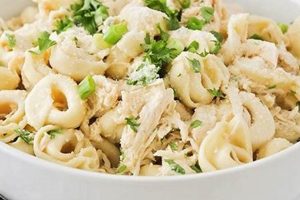
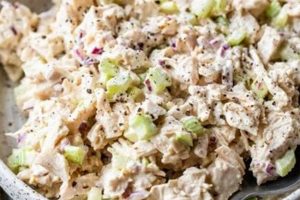
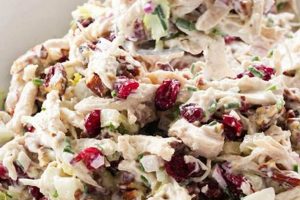
A basic preparation method for this dish typically involves cooked chicken, mayonnaise, and seasonings. Common additions include celery, onion, grapes, and nuts. Variations can range from using different types of mayonnaise (e.g., light, flavored) to incorporating various herbs and spices. A classic example combines diced chicken breast, mayonnaise, chopped celery, and salt and pepper.
Easy-to-prepare meals offer convenience, particularly for busy individuals or those new to cooking. This type of dish provides a versatile, protein-rich option suitable for lunches, sandwiches, salads, or snacks. Its adaptability allows for customization based on dietary preferences and ingredient availability, contributing to its enduring popularity. Historically, similar dishes have existed for centuries, evolving alongside culinary traditions and ingredient accessibility.
The following sections will delve into specific ingredient choices, step-by-step instructions, and suggested variations for creating delicious and satisfying meals centered around this adaptable poultry dish.
Tips for a Delicious Chicken Salad
Creating a flavorful and satisfying chicken salad involves attention to detail and thoughtful ingredient selection. These tips offer guidance for achieving optimal results.
Tip 1: Use High-Quality Chicken: Rotisserie chicken offers a convenient shortcut, while poaching or grilling boneless, skinless breasts provides a leaner option. Ensure the chicken is cooked thoroughly and cooled completely before shredding or dicing.
Tip 2: Balance the Mayonnaise: Mayonnaise serves as the binder and adds richness. Start with a smaller amount and add more as needed to achieve the desired consistency. Greek yogurt can be incorporated for a lighter, tangier flavor.
Tip 3: Add Texture and Flavor with Fresh Ingredients: Finely diced celery and red onion provide classic crunch and flavor. Consider incorporating other vegetables like bell peppers or water chestnuts. Fresh herbs such as dill, parsley, or chives elevate the taste profile.
Tip 4: Enhance with Seasonings and Spices: Salt and pepper are essential. Experiment with paprika, garlic powder, onion powder, or curry powder to add depth and complexity. A touch of Dijon mustard or lemon juice can brighten the flavors.
Tip 5: Don’t Overmix: Overmixing can result in a mushy texture. Gently combine the ingredients until just incorporated.
Tip 6: Chill Before Serving: Chilling allows the flavors to meld and enhances the overall experience. Refrigerate for at least 30 minutes before serving.
Tip 7: Explore Variations: Consider adding fruits like grapes, dried cranberries, or chopped apples for sweetness and texture. Nuts such as walnuts, pecans, or almonds provide a satisfying crunch.
By following these tips, one can create a chicken salad that is both delicious and satisfying. From ingredient selection to proper chilling, each step contributes to the final result.
These techniques provide a foundation for crafting a personalized version of this classic dish, leading to a truly enjoyable culinary experience.
1. Cooked Chicken

Cooked chicken serves as the foundational ingredient, determining the dish’s overall flavor and texture. Its preparation method significantly influences the final outcome. Poached or grilled chicken contributes a leaner, cleaner taste, while rotisserie chicken offers convenience and a richer, more savory profile. The choice between shredded or diced chicken further impacts the texture. Shredded chicken creates a finer, more cohesive blend, while diced chicken offers more substantial bites. For instance, using pre-cooked rotisserie chicken simplifies the process, making the recipe truly “simple,” while poaching chicken breast allows for greater control over sodium content.
The quality and freshness of the cooked chicken directly correlate with the overall quality of the salad. Using freshly cooked chicken ensures optimal flavor and texture, while utilizing leftover chicken provides a resourceful way to minimize food waste. Proper handling and storage of the cooked chicken are crucial for food safety. Thoroughly cooking the chicken to an internal temperature of 165F (74C) eliminates the risk of foodborne illnesses. Promptly refrigerating any leftover chicken and using it within a safe timeframe further mitigates risks. For example, incorporating grilled chicken leftover from a previous meal transforms the salad into a convenient and flavorful way to utilize leftovers.
Selecting the appropriate cooking method and ensuring proper handling contribute significantly to a successful and safe final product. The choice between different types of cooked chicken offers flexibility in tailoring the recipe to individual preferences and dietary needs, reinforcing the versatility and simplicity of this dish. This understanding empowers individuals to create a personalized, delicious, and safe culinary experience.
2. Mayonnaise
Mayonnaise plays a crucial role in a simple chicken salad recipe, functioning as both a binder and a flavor enhancer. Its creamy texture coats the chicken and other ingredients, creating a cohesive mixture. The emulsification of oil and egg yolks in mayonnaise provides richness and a smooth mouthfeel, contributing significantly to the overall sensory experience. Flavor profiles vary depending on the type of mayonnaise used; for example, a classic mayonnaise offers a tangy, slightly acidic flavor, while aioli adds a garlicky dimension. The quantity of mayonnaise influences the salad’s consistency, impacting its suitability for various applications like sandwiches or lettuce wraps. Using too little can result in a dry, crumbly mixture, while an excess can make it overly rich and heavy.
The choice of mayonnaise can significantly influence the nutritional profile and overall taste of the salad. Standard mayonnaise typically contains a higher fat content compared to lighter versions or alternatives like Greek yogurt. Substituting a portion of the mayonnaise with plain Greek yogurt offers a lighter texture and a tangier flavor profile, while potentially reducing the overall calorie and fat content. Furthermore, incorporating flavored mayonnaises, such as chipotle or lemon-dill, introduces additional complexity and depth of flavor without requiring extensive preparation or additional ingredients. This adaptability allows for customization based on individual preferences and dietary considerations, highlighting mayonnaise’s versatility as a key component.
Understanding mayonnaise’s impact on texture, flavor, and nutritional content provides a foundation for creating a well-balanced and satisfying chicken salad. Careful consideration of these factors allows for adjustments tailored to specific needs and preferences. From classic preparations to lighter, more nuanced variations, the choice of mayonnaise and its proportion within the recipe significantly contributes to the final result. This knowledge allows for a more informed approach to ingredient selection and preparation, ultimately leading to a more enjoyable culinary experience.
3. Seasoning
Seasoning plays a pivotal role in elevating a simple chicken salad recipe from basic to flavorful. The judicious use of seasonings enhances the inherent flavors of the chicken and other ingredients, creating depth and complexity. A bland chicken salad can be transformed into a culinary delight through the careful application of salt, pepper, herbs, and spices. The interplay between different seasonings creates a balanced flavor profile, ensuring that no single element overpowers the others. For example, a pinch of salt enhances the savory notes of the chicken, while freshly ground black pepper adds a subtle bite. The addition of herbs, such as dill, parsley, or chives, introduces fresh, aromatic notes, while spices like paprika or curry powder contribute warmth and complexity. The synergistic effect of these seasonings creates a well-rounded and satisfying flavor experience.
The choice of seasonings allows for customization based on individual preferences and dietary needs. Those seeking a lighter, brighter flavor profile might opt for fresh herbs and a squeeze of lemon juice. For a richer, more savory experience, options like smoked paprika, garlic powder, or onion powder can be incorporated. Dietary restrictions can also be accommodated through careful seasoning choices. For example, individuals on a low-sodium diet can utilize herbs and spices to maximize flavor while minimizing salt intake. The versatility offered by different seasonings allows for the creation of unique and personalized variations, reflecting the adaptability of the basic recipe.
Mastery of seasoning lies in understanding the balance between enhancing existing flavors and introducing new dimensions. Over-seasoning can mask the delicate flavors of the chicken and other ingredients, while under-seasoning results in a bland and uninspired dish. Achieving the optimal balance requires careful consideration of the interplay between different seasonings and their impact on the overall flavor profile. This nuanced approach transforms a simple combination of ingredients into a culinary creation that is both satisfying and memorable. The ability to effectively utilize seasonings elevates the simple chicken salad from a basic dish to a flavorful and personalized culinary experience.
4. Mix-ins (optional)
Optional mix-ins represent a pivotal opportunity to personalize and elevate a simple chicken salad recipe. While the core componentscooked chicken, mayonnaise, and seasoningestablish the foundation, mix-ins introduce textural contrasts, flavor complexities, and visual appeal. These additions transform the basic recipe into a versatile dish adaptable to individual preferences and culinary creativity.
- Textural Variety
Mix-ins contribute significantly to textural diversity within the salad. Crunchy elements, such as chopped celery, water chestnuts, or toasted nuts, contrast with the softer textures of the chicken and mayonnaise. This interplay creates a more engaging and satisfying sensory experience. For instance, the snap of diced celery provides a refreshing counterpoint to the creamy base, while the addition of toasted pecans introduces a satisfying crunch.
- Flavor Enhancement
Mix-ins offer opportunities to enhance and expand the flavor profile of the chicken salad. Sweet elements, such as dried cranberries, chopped grapes, or diced apples, balance the savory notes of the chicken and mayonnaise. Savory additions, like crumbled bacon or chopped hard-boiled eggs, amplify the richness and depth of flavor. The incorporation of ingredients like chopped red onion or capers introduces pungent notes, adding complexity to the overall taste experience.
- Visual Appeal
The strategic inclusion of mix-ins enhances the visual presentation of the chicken salad. Brightly colored ingredients, such as red grapes, chopped bell peppers, or fresh herbs, create a visually appealing contrast against the lighter background of the chicken and mayonnaise. This visual enhancement elevates the perceived freshness and overall appeal of the dish. The thoughtful incorporation of colorful mix-ins transforms a simple salad into a more visually engaging culinary creation.
- Nutritional Value
Mix-ins can contribute to the nutritional value of the chicken salad. The addition of ingredients like chopped vegetables, nuts, or dried fruits increases the vitamin, mineral, and fiber content of the dish. For example, incorporating chopped spinach boosts the vitamin K content, while adding slivered almonds contributes healthy fats and antioxidants. The strategic selection of nutrient-rich mix-ins elevates the nutritional profile of the chicken salad, contributing to a more balanced and wholesome meal.
The thoughtful selection and incorporation of mix-ins are essential for maximizing both the flavor and textural complexity of a simple chicken salad. These additions allow for a high degree of personalization, transforming the basic recipe into a canvas for culinary creativity. By understanding the interplay of textures, flavors, and visual elements, one can craft a chicken salad that is not only delicious but also visually appealing and nutritionally balanced. This approach elevates the simple chicken salad from a basic dish to a customizable and satisfying culinary experience.
5. Chilling

Chilling constitutes a critical step in preparing simple chicken salad, significantly impacting both food safety and flavor development. Lowering the temperature of the mixture inhibits bacterial growth, ensuring the salad remains safe for consumption. Moreover, chilling allows the flavors of the various ingredientschicken, mayonnaise, seasonings, and mix-insto meld and harmonize. This melding creates a more cohesive and nuanced flavor profile compared to a freshly made, unchilled salad. For instance, allowing the salad to chill for at least 30 minutes in a refrigerator enables the flavors of herbs and spices to permeate the chicken and other components, resulting in a more balanced and flavorful final product.
The duration and temperature of chilling influence the final quality of the chicken salad. Insufficient chilling may not fully integrate the flavors, while excessive chilling can negatively impact the texture, making it overly firm. Generally, refrigerating the salad for 1-2 hours allows ample time for flavor development without compromising texture. Maintaining a consistent, cool temperature throughout the chilling process is crucial. Fluctuations in temperature can promote bacterial growth and negatively affect the emulsion stability of the mayonnaise. For example, repeatedly removing the salad from the refrigerator and allowing it to sit at room temperature can compromise both its safety and its creamy texture. Using an airtight container minimizes exposure to air and helps maintain a stable temperature during chilling.
Proper chilling practices contribute fundamentally to both the safety and enjoyment of chicken salad. This seemingly simple step plays a crucial role in flavor development and bacterial control, safeguarding against foodborne illnesses and enhancing the overall culinary experience. Understanding the underlying mechanisms and practical considerations of chilling empowers one to create a chicken salad that is not only delicious but also safe to consume. This knowledge contributes to the creation of a flavorful and satisfying dish while adhering to safe food handling practices. Neglecting this step can compromise the overall quality and safety of the final product, underscoring its importance in a simple chicken salad recipe.
Frequently Asked Questions
This section addresses common inquiries regarding the preparation and storage of this dish.
Question 1: What is the best way to store prepared chicken salad?
Prepared chicken salad should be stored in an airtight container in a refrigerator maintained at 40F (4C) or below. Consume within 3-5 days.
Question 2: Can frozen chicken be used in this recipe?
While frozen chicken can be used, it is recommended to thoroughly thaw it before incorporating it into the recipe. Thawing ensures even mixing and optimal texture.
Question 3: How can one reduce the fat content?
Substituting a portion of the mayonnaise with plain Greek yogurt or using a low-fat mayonnaise can effectively reduce the overall fat content.
Question 4: What are suitable alternatives to celery?
Water chestnuts, chopped bell peppers, or finely diced jicama can provide similar texture and a milder flavor profile compared to celery.
Question 5: Can this dish be frozen?
Freezing is not generally recommended, as the mayonnaise base can separate upon thawing, resulting in an undesirable texture.
Question 6: How can one tell if prepared chicken salad has spoiled?
Discard the chicken salad if it exhibits an off odor, unusual discoloration, or a slimy texture. When in doubt, err on the side of caution.
Prioritizing food safety and proper storage practices ensures optimal quality and enjoyment. Adhering to recommended temperature guidelines and promptly refrigerating prepared portions helps maintain freshness and prevent spoilage. Understanding these guidelines contributes to a safe and satisfying culinary experience.
The following section explores variations on the basic recipe, offering inspiration for customization and creative culinary exploration.
Simple Recipe for Chicken Salad
This exploration has detailed the components and techniques behind a successful preparation. From selecting quality ingredients to understanding the importance of chilling, each step contributes to the final product. Emphasis has been placed on the versatility offered by this dish, highlighting the potential for customization through mix-ins and seasonings. The impact of proper storage and food safety practices has also been addressed, ensuring a safe and enjoyable culinary experience.
A basic preparation, easily adaptable to individual preferences, provides a foundation for culinary creativity. Whether adhering to a classic approach or exploring innovative variations, attention to detail and quality ingredients remain paramount. This understanding allows for continued appreciation and enjoyment of this versatile and timeless dish.