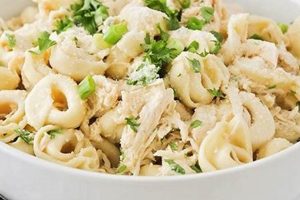
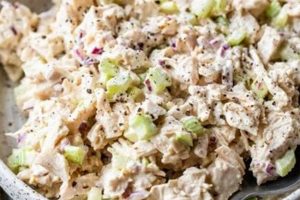
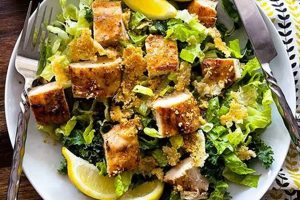
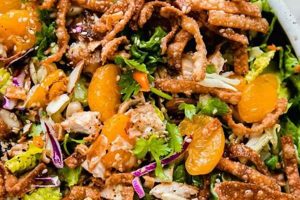
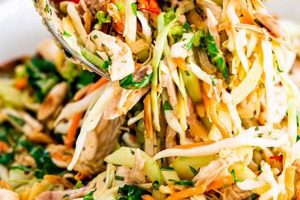
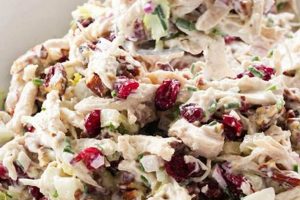
A dish featuring cooked chicken, typically shredded or diced, combined with mayonnaise and the distinctive flavor of tarragon, a culinary herb known for its anise-like notes. Common additions include celery, onion, grapes, nuts, and dried fruits. Variations can range from simple mixtures suitable for sandwiches to more elaborate presentations for salads or appetizers.
This combination offers a balance of protein, healthy fats, and complex carbohydrates, making it a nutritious meal option. The presence of tarragon elevates the flavor profile beyond a standard chicken salad, providing a sophisticated and refreshing taste. Historically, chicken salad emerged as a popular dish in the mid-19th century, evolving alongside advancements in refrigeration and mayonnaise production. The incorporation of herbs like tarragon reflects a growing appreciation for culinary refinement and diverse flavor combinations.
This exploration will delve into various aspects, including different ingredient combinations, preparation techniques, nutritional information, and serving suggestions for maximizing enjoyment and culinary success.
Tips for a Superior Chicken Salad
Achieving optimal flavor and texture requires attention to detail throughout the preparation process. The following tips offer guidance for creating a truly exceptional dish.
Tip 1: Chicken Selection: Opt for high-quality chicken, either roasted or poached, ensuring it is thoroughly cooked but remains moist. Avoid using pre-cooked or processed chicken, as these often lack flavor and desirable texture.
Tip 2: Fresh Tarragon: Utilizing fresh tarragon is crucial for capturing the herb’s vibrant flavor. Dried tarragon can be used as a substitute if fresh is unavailable, but the quantity should be reduced as the dried form is more potent.
Tip 3: Mayonnaise Quality: The mayonnaise serves as the foundation of the salad’s flavor and consistency. Selecting a high-quality mayonnaise, preferably one made with natural ingredients, significantly impacts the overall result.
Tip 4: Ingredient Balance: Achieving the perfect balance of ingredients is essential. Avoid overwhelming the delicate tarragon flavor with excessive amounts of other ingredients, such as celery or onion. Careful proportioning allows each element to contribute harmoniously to the final dish.
Tip 5: Chilling Time: Allowing the salad to chill for at least 30 minutes, or preferably longer, enhances the melding of flavors and allows the ingredients to fully integrate. This crucial step elevates the overall taste experience.
Tip 6: Texture Variation: Consider incorporating textural elements to create a more engaging culinary experience. Toasted nuts, such as almonds or pecans, or dried cranberries or apricots provide a pleasant contrast to the creamy base and tender chicken.
Tip 7: Serving Considerations: The salad can be served in a variety of ways, from classic sandwiches and wraps to lettuce cups or as a standalone salad. Garnish options, such as fresh tarragon sprigs or a sprinkle of paprika, add a touch of visual appeal.
By following these guidelines, one can create a chicken salad that surpasses the ordinary, delivering a flavorful and satisfying culinary experience.
These insights provide a foundation for crafting an exemplary dish. The following section will explore variations and serving suggestions to further enhance culinary creativity.
1. High-Quality Chicken

High-quality chicken plays a crucial role in the overall success of a tarragon chicken salad. The chicken provides the foundational protein and texture, directly influencing the final dish’s flavor, moisture, and mouthfeel. Chicken lacking in quality can result in a bland, dry, or stringy salad, diminishing the impact of the other carefully selected ingredients, such as the delicate tarragon. Using high-quality chicken ensures the salad offers a satisfying culinary experience.
Several factors contribute to chicken quality. These include the breed of chicken, its diet, and how it was raised. Free-range or pasture-raised chickens often exhibit a richer, more robust flavor compared to conventionally raised chickens. The cooking method also contributes significantly. Poaching or roasting results in tender, flavorful meat ideal for salad, while overcooked or boiled chicken tends to be dry and less flavorful. Investing in high-quality chicken directly translates to a more flavorful and enjoyable salad.
Practical applications of this understanding include seeking out reputable butchers or poultry suppliers known for prioritizing quality. Reading labels carefully and understanding the terminology used to describe chicken products can also inform purchasing decisions. Considering the cooking method and ensuring the chicken remains moist and tender throughout preparation further enhances the final dish. Attention to these details elevates the overall quality and enjoyment of the tarragon chicken salad.
2. Fresh Tarragon
Fresh tarragon constitutes a defining component of tarragon chicken salad. Its distinctive anise-like flavor, subtly sweet and slightly peppery, sets this variation apart from other chicken salads. Dried tarragon, while usable as a substitute, lacks the nuanced freshness and aromatic complexity of its fresh counterpart. The volatile oils responsible for tarragon’s characteristic flavor diminish significantly upon drying, resulting in a less vibrant and potentially bitter taste. Consequently, using fresh tarragon yields a superior flavor profile, contributing significantly to the overall culinary experience.
The impact of fresh tarragon extends beyond mere flavor enhancement. The herb’s bright green color contributes visual appeal, enhancing the presentation. Moreover, the textural contrast between the soft leaves and other ingredients like chicken and celery adds a subtle layer of complexity to the salad’s mouthfeel. For instance, a tarragon chicken salad served on croissants benefits from the interplay of textures and flavors: the flaky croissant, the creamy filling punctuated by fresh tarragon, and perhaps the crunch of toasted nuts. This interplay would be compromised with dried tarragon, highlighting the fresh herb’s multifaceted contribution.
Understanding the importance of fresh tarragon necessitates proper handling and storage techniques. Storing fresh tarragon in a damp paper towel within a sealed container in the refrigerator helps maintain its freshness for longer periods. Adding fresh tarragon towards the end of the preparation process preserves its delicate flavor and prevents bruising. Recognizing these nuances and prioritizing the use of fresh tarragon ensures the realization of a truly exceptional tarragon chicken salad, underscoring the significant role of this key ingredient.
3. Balanced Ingredients

Balanced ingredients are crucial for a successful tarragon chicken salad recipe. A harmonious blend of flavors and textures elevates the dish beyond a simple mixture of components. Ingredient balance ensures that no single element overwhelms the others, allowing the nuanced flavors of tarragon, chicken, and complementary components to shine through. Careful consideration of ingredient proportions prevents a monotonous or one-dimensional culinary experience.
- Flavor Profile:
Balancing flavors involves a thoughtful interplay of savory, sweet, acidic, and herbaceous notes. The anise-like flavor of tarragon provides a distinctive foundation. The richness of the chicken contributes savory depth. Incorporating sweetness, through elements like grapes or dried fruit, adds complexity. A touch of acidity, from lemon juice or apple cider vinegar, brightens the overall flavor profile. Achieving balance ensures that no single flavor dominates, creating a cohesive and enjoyable culinary experience.
- Texture and Mouthfeel:
Textural balance contributes significantly to the enjoyment of tarragon chicken salad. The tender chicken provides a foundational texture. Crunchy elements, such as celery or nuts, introduce contrasting sensations. The creamy texture of mayonnaise binds the ingredients while contributing a smooth mouthfeel. A balanced interplay of textures creates a more dynamic and satisfying culinary experience, avoiding a uniformly soft or overly crunchy result.
- Visual Appeal:
Visual appeal enhances the dining experience. A visually balanced salad incorporates a variety of colors and shapes. The vibrant green of fresh tarragon contrasts with the pale chicken, while additions like red grapes or golden raisins provide further visual interest. Attention to visual balance creates a more appealing and appetizing presentation, elevating the overall culinary experience.
- Aromatic Complexity:
Aromatic complexity adds another layer of enjoyment. The distinctive aroma of tarragon intertwines with the subtle scents of other ingredients. Freshly ground black pepper contributes a subtle spice note, while the aroma of onion or shallot adds depth. A balanced aromatic profile enhances the sensory experience, creating a more enticing and flavorful dish.
These facets of balanceflavor, texture, visual appeal, and aromawork in concert to create a superior tarragon chicken salad. A dish lacking balance might feature overpowering sweetness, excessive crunchiness, or a visually monotonous presentation. Achieving a harmonious balance across these elements distinguishes an exceptional tarragon chicken salad from a mediocre one, highlighting the critical role of balanced ingredients in culinary success.
4. Proper Chilling

Proper chilling is essential for maximizing the flavor and texture of tarragon chicken salad. This process allows the diverse ingredients to meld, creating a more cohesive and flavorful final product. Chilling also firms the salad, making it easier to handle and serve. Neglecting this step can result in a bland, watery salad with less pronounced flavors.
- Flavor Development:
Chilling allows the flavors of individual ingredients, particularly the delicate tarragon, to permeate the chicken and other components. This melding of flavors creates a more complex and nuanced taste profile compared to a freshly made, unchilled salad. Similar to marinating, the chilling period enhances the synergistic interaction of ingredients, resulting in a more harmonious blend.
- Texture Enhancement:
Chilling firms the chicken and other ingredients, creating a more desirable texture. This firming process also helps the mayonnaise emulsify more effectively with the other components, resulting in a smoother, more cohesive salad. Without adequate chilling, the salad may become watery and lack the desired textural integrity.
- Food Safety:
Proper chilling is crucial for food safety, particularly with perishable ingredients like chicken and mayonnaise. Maintaining a safe temperature below 40F (4C) inhibits bacterial growth, minimizing the risk of foodborne illnesses. Adhering to food safety guidelines ensures the salad remains safe for consumption.
- Serving Temperature:
Serving tarragon chicken salad chilled enhances the dining experience. The cool temperature provides a refreshing contrast to the richness of the mayonnaise and the savory chicken. A chilled salad is more palatable, particularly in warmer weather, offering a lighter and more enjoyable culinary experience.
These facets of proper chillingflavor development, texture enhancement, food safety, and serving temperaturecontribute significantly to the overall quality and enjoyment of tarragon chicken salad. By allowing sufficient chilling time, typically at least 30 minutes but preferably longer, the flavors intensify, the texture improves, and the salad becomes safer and more refreshing to consume. This seemingly simple step elevates the dish, transforming it from a basic mixture into a well-balanced and satisfying culinary creation.
5. Mayonnaise Selection

Mayonnaise selection significantly impacts the overall quality and flavor profile of tarragon chicken salad. The mayonnaise serves as the emulsifying agent, binding the ingredients and contributing to the salad’s texture, flavor, and overall richness. Choosing the appropriate mayonnaise complements the delicate flavors of tarragon and chicken, while an unsuitable selection can overwhelm or detract from the desired taste and consistency.
- Flavor Profile:
Mayonnaise varieties exhibit diverse flavor profiles, ranging from tangy to sweet, and incorporating various levels of acidity and richness. A neutral-flavored mayonnaise allows the tarragon and other ingredients to shine, while a bolder, more assertive mayonnaise, like one infused with roasted garlic or herbs, may complement or clash with the delicate tarragon. For instance, a lemon-infused mayonnaise might enhance the brightness of the salad, while a smoky chipotle mayonnaise could overpower the subtle anise notes of the tarragon. Careful consideration of flavor pairings ensures a harmonious balance.
- Consistency and Texture:
Mayonnaise consistency ranges from thin and pourable to thick and spreadable. The consistency impacts the salad’s final texture, influencing its creaminess and ability to hold its shape. A thinner mayonnaise may result in a runnier salad, less suitable for sandwiches or stuffed tomatoes. A thicker mayonnaise provides a firmer texture, ideal for shaping into patties or serving as a dip. Choosing the appropriate consistency ensures the salad achieves the desired texture and serving versatility.
- Ingredient Quality:
Mayonnaise quality varies based on ingredient composition. High-quality mayonnaise, typically made with natural ingredients like egg yolks, oil, and vinegar, offers a richer flavor and smoother texture compared to mayonnaise containing artificial additives or preservatives. Lower-quality mayonnaise may introduce undesirable flavors or textures, detracting from the overall quality of the tarragon chicken salad. Investing in high-quality mayonnaise enhances the flavor and elevates the culinary experience.
- Dietary Considerations:
Mayonnaise selections cater to various dietary needs. Options include low-fat, vegan, or egg-free varieties. These alternatives offer flexibility for individuals with specific dietary restrictions, enabling them to enjoy tarragon chicken salad without compromising their health or lifestyle choices. Understanding these options allows for customization to accommodate diverse dietary preferences.
The selection of mayonnaise represents a crucial step in crafting a successful tarragon chicken salad. Considering the mayonnaise’s flavor profile, consistency, ingredient quality, and any relevant dietary considerations ensures the final product achieves the desired taste, texture, and overall culinary appeal. A well-chosen mayonnaise enhances the delicate interplay of tarragon and chicken, resulting in a harmonious and satisfying dish.
6. Textural Variety
Textural variety elevates tarragon chicken salad from a homogeneous mixture to a multi-sensory experience. A thoughtful interplay of textures enhances enjoyment, creating a more dynamic and engaging culinary experience. Careful consideration of textural elements transforms a simple salad into a more sophisticated and satisfying dish.
- Crunchy Elements:
Incorporating crunchy elements provides a counterpoint to the soft chicken and creamy mayonnaise. Options include chopped celery, toasted nuts (almonds, walnuts, pecans), water chestnuts, or even crumbled bacon. These additions introduce a satisfying contrast, preventing a monotonous texture. The interplay of creamy, soft, and crunchy textures heightens the overall sensory experience. For instance, the snap of celery against the smooth chicken creates a pleasing textural dynamic.
- Soft and Tender Components:
The chicken itself provides a foundation of soft, tender texture. Poaching or roasting the chicken ensures optimal tenderness, preventing dryness or stringiness. Grapes, dried cranberries, or chopped apples contribute a slightly different soft texture, adding complexity and bursts of sweetness that complement the tarragon. Maintaining a balance of soft components ensures the salad remains palatable and enjoyable.
- Creamy Base:
Mayonnaise serves as the creamy base, binding the ingredients and providing a smooth, rich mouthfeel. The quality of the mayonnaise directly impacts the overall creaminess and texture. A high-quality mayonnaise, made with natural ingredients, typically offers a smoother, more luxurious texture compared to mayonnaise containing artificial additives. This creamy element acts as a unifying factor, harmonizing the various textures within the salad.
- Balancing Contrasts:
The success of textural variety lies in achieving a harmonious balance. An excess of crunchy elements can make the salad difficult to eat, while an overabundance of soft ingredients can result in a mushy texture. Striking a balance between crunchy, soft, and creamy elements ensures a pleasant and satisfying mouthfeel. A well-balanced tarragon chicken salad offers a dynamic interplay of textures, enhancing enjoyment and preventing a one-dimensional culinary experience.
The interplay of these textural elements elevates tarragon chicken salad. A well-executed balance of textures enhances not only the taste but also the overall dining experience, demonstrating the importance of considering texture in recipe development and preparation.
7. Serving Considerations
Serving considerations represent the final stage in presenting tarragon chicken salad, significantly impacting the overall dining experience. These considerations encompass a range of factors, from vessel selection to accompanying elements, each influencing the perception and enjoyment of the dish. A thoughtfully presented tarragon chicken salad elevates consumption from mere sustenance to a more engaging culinary experience.
The choice of serving vessel directly influences presentation and practicality. Serving the salad on croissants or in lettuce cups offers a lighter, more portable option suitable for casual gatherings or picnics. Utilizing scooped avocados provides a visually appealing and nutritionally enhancing presentation. For more formal occasions, plating the salad on a bed of mixed greens with a garnish of cherry tomatoes and a drizzle of balsamic glaze enhances visual appeal and adds a touch of elegance. Each serving method alters the perceived formality and practicality of the dish, adapting it to various dining contexts.
Accompanying elements further enhance the overall experience. Pairing tarragon chicken salad with a crisp, dry white wine, such as Sauvignon Blanc, complements the herb’s anise notes and the richness of the mayonnaise. A side of fresh fruit salad provides a refreshing contrast and balances the savory flavors. For a heartier meal, serving the salad alongside a crusty baguette or a selection of crackers allows for customization and adds textural complexity. These accompaniments contribute to a more complete and satisfying dining experience, demonstrating the interconnectedness of various culinary elements.
Understanding the impact of serving considerations empowers culinary creativity and allows for tailored presentations. Whether aiming for a casual picnic lunch or a sophisticated dinner party appetizer, careful attention to serving details optimizes the sensory experience and elevates the perceived value of the dish. Recognizing the significance of these final touches distinguishes a thoughtful culinary presentation from a merely functional one.
Frequently Asked Questions
This section addresses common inquiries regarding tarragon chicken salad preparation, offering concise and informative responses to facilitate culinary success.
Question 1: Can dried tarragon be substituted for fresh?
Dried tarragon may be substituted, but its flavor is more concentrated and potentially bitter. Reduce the quantity used by approximately one-third and consider adding a pinch of sugar to balance any bitterness. Fresh tarragon is always preferred for optimal flavor.
Question 2: How long can tarragon chicken salad be stored?
Properly stored in an airtight container in the refrigerator, tarragon chicken salad typically lasts for three to five days. Ensure the salad is maintained at a temperature below 40F (4C) to prevent bacterial growth.
Question 3: What type of chicken is best for tarragon chicken salad?
Roasted or poached chicken breasts offer optimal flavor and texture. Avoid using pre-cooked or processed chicken, as these often lack flavor and desirable texture. Dark meat, such as chicken thighs, can also be used for a richer flavor profile.
Question 4: Can other herbs be used in addition to tarragon?
While tarragon is the defining herb, other complementary herbs, such as chives, parsley, or chervil, can be added sparingly to enhance the flavor complexity. Avoid using strong herbs like rosemary or mint, which may overpower the delicate tarragon.
Question 5: How can the salad be made healthier?
Using Greek yogurt or a combination of Greek yogurt and mayonnaise reduces fat content. Incorporating additional vegetables, such as chopped bell peppers or cucumbers, increases nutritional value. Opting for whole-wheat bread or lettuce wraps further enhances health benefits.
Question 6: What are some creative serving suggestions beyond sandwiches?
Consider serving tarragon chicken salad in lettuce cups, avocado halves, or on endive leaves. It can also be used as a filling for tomatoes or bell peppers. Presenting the salad on a bed of mixed greens with a light vinaigrette transforms it into a more substantial salad course.
These frequently asked questions offer practical guidance for preparing and enjoying tarragon chicken salad. Understanding these key aspects ensures culinary success and maximizes the enjoyment of this versatile dish.
Further exploration of tarragon chicken salad could delve into regional variations, historical context, or detailed nutritional analyses.
Tarragon Chicken Salad Recipe
Exploration of this culinary composition reveals the interplay of key elements contributing to its distinctive character. High-quality chicken, fresh tarragon, balanced ingredients, proper chilling, considered mayonnaise selection, textural variety, and thoughtful serving considerations collectively elevate this dish beyond a simple mixture. Each component plays a crucial role, from the foundational protein source to the aromatic herb that lends its name to the creation. Understanding these elements empowers culinary practitioners to achieve optimal flavor, texture, and presentation.
Culinary evolution hinges on the continual refinement of established dishes. The seemingly simple tarragon chicken salad offers a canvas for creative exploration. Further investigation into ingredient sourcing, preparation techniques, and complementary pairings promises to unlock new dimensions of flavor and enjoyment, enriching the culinary landscape and underscoring the enduring appeal of this classic combination. This exploration serves as a starting point for continued experimentation and appreciation of the subtle complexities within a seemingly straightforward dish.